
I've dealt with a stiff back from sitting too long, and I know how frustrating it feels. That's why spinal mobility exercises matter more than most people think.
In this article, I'll walk you through 9 simple movements that target your full spine, from the upper back to the lower.
These exercises help with reducing daily stiffness, improving posture, and supporting pain-free movement. I've worked with these movements personally and researched them carefully.
You don't need equipment or a gym. Just a few minutes and the right approach can make a real difference. If you're ready to move better and feel better, let's get into it.
Why Spinal Mobility Matters for a Healthy Back
Small daily habits protect your spine more than any quick fix ever will. Sitting for hours shortens the muscles along your spine, pulling your shoulders forward and rounding your upper back.
Regular spinal mobility work helps reverse that and keeps your posture strong. Tight muscles in the upper and mid-back cause daily discomfort, but gentle movement releases that tension over time.
A mobile spine also makes everyday actions like twisting, bending, and reaching feel easier and safer. On top of that, a flexible mid-back allows your lungs to expand fully and helps your core engage properly during movement.
9 Best Spinal Mobility Exercises for Daily Practice
These nine movements cover the full spine and work for all fitness levels.
1. Cat-Cow Pose
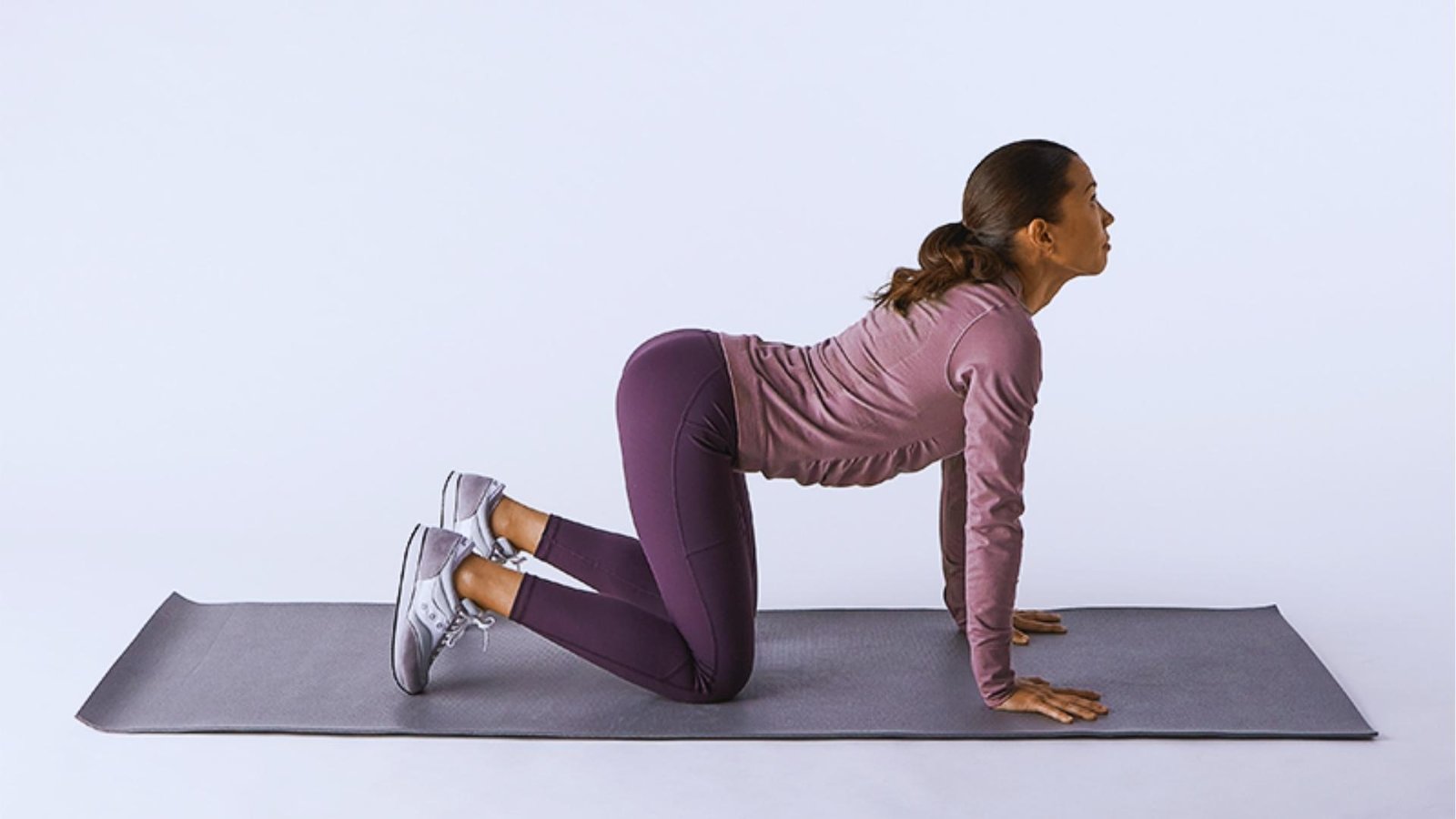
This is one of the most basic and effective spinal movements you can do. It works the entire spine through flexion and extension in a slow, controlled way.
I always recommend starting with this one because it warms up the spine gently without any risk of strain.
- Get on all fours with hands under shoulders
- Arch your back on the inhale, round it on the exhale
- Move slowly and breathe deeply
- Repeat 8-12 times
2. Thread the Needle
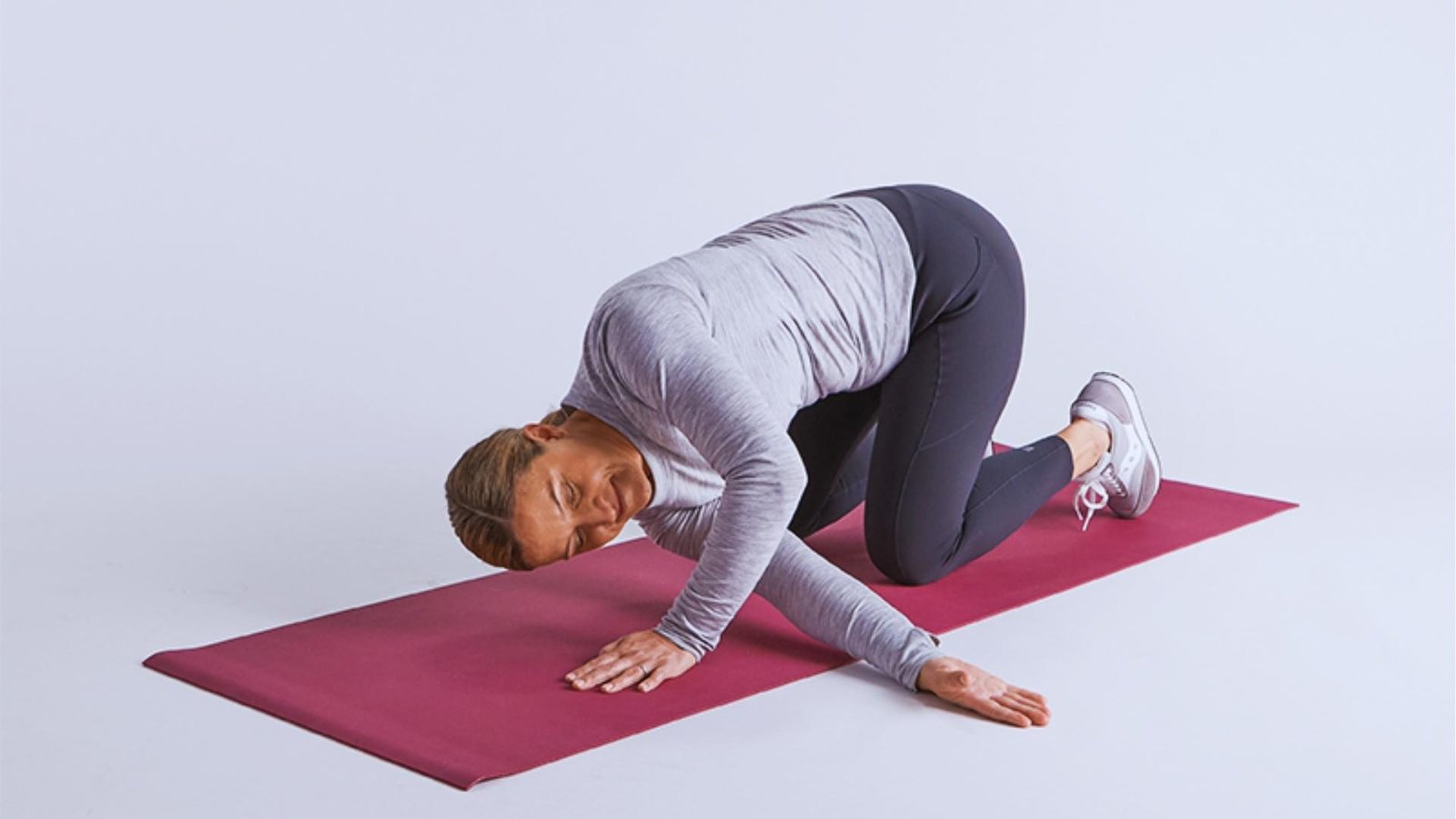
This move targets rotation in the upper and mid-back, which are the areas that get the tightest from long hours at a desk.
It's a simple exercise, but the relief it brings to the upper back is noticeable right away. Most people feel a deep stretch through the shoulder and thoracic spine within the first few reps.
- Start on all fours
- Slide one arm under your body and rotate your torso
- Let your shoulder drop toward the floor
- Hold briefly, then switch sides
3. Downward-Facing Dog
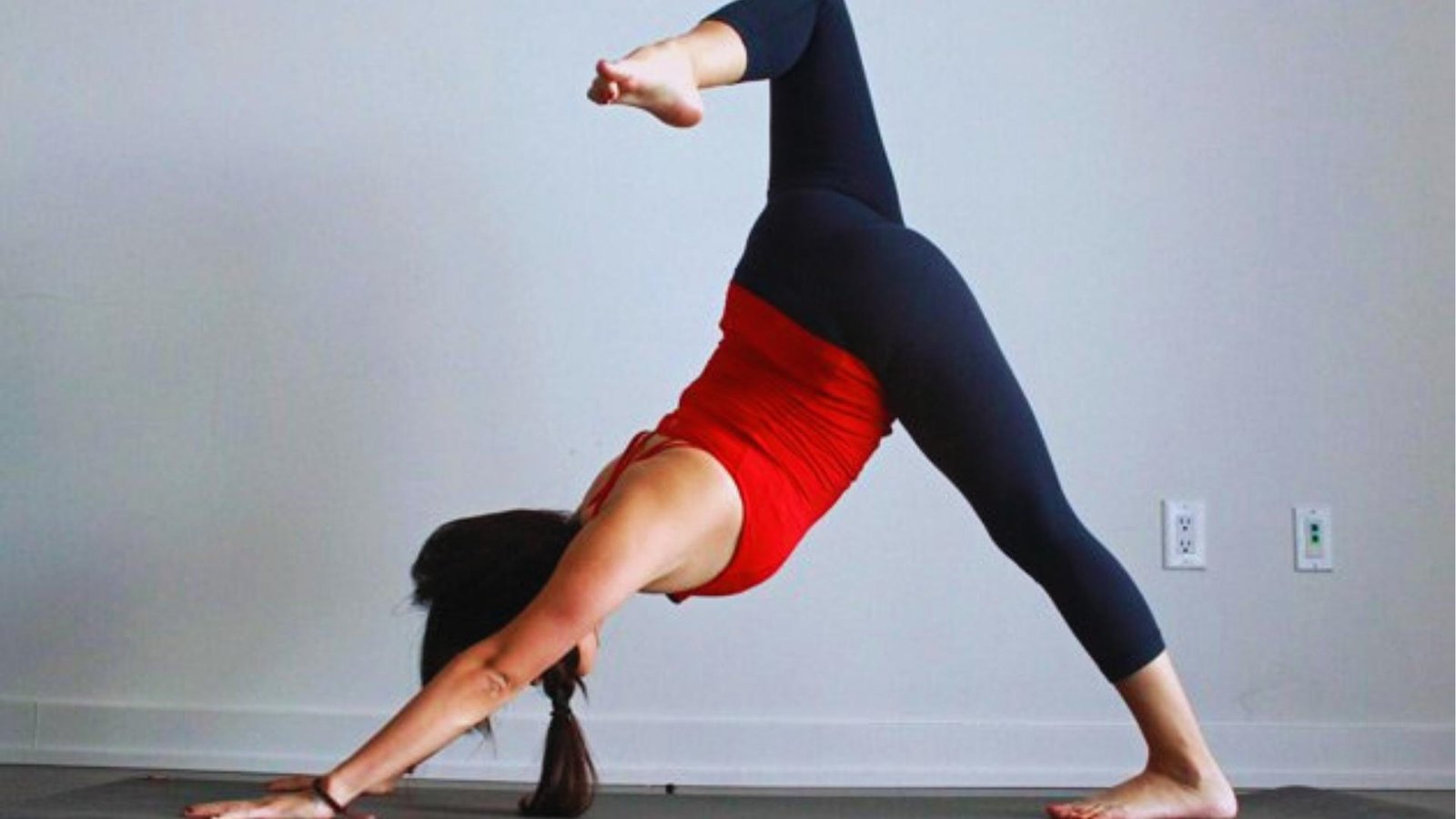
This is a full-body stretch that also lengthens the spine from top to bottom. It works the hamstrings, calves, and shoulders while creating space between each vertebra.
Done slowly, it's one of the best ways to decompress the spine after a long day.
- Press palms into the floor and lift your hips up
- Form an inverted V shape with your body
- Keep your spine long and chest open
- Bend your knees slightly if your hamstrings are tight
4. Supine Spinal Twist

This is one of the most relaxing spinal mobility moves you can do. It improves rotational mobility and gently releases tension in the lower back.
Holding this position for a few breaths on each side helps the muscles fully let go.
- Lie flat on your back with arms out to the side
- Drop both knees to one side
- Turn your head in the opposite direction
- Hold for 20-30 seconds, then switch
5. Foam Roller Thoracic Extension
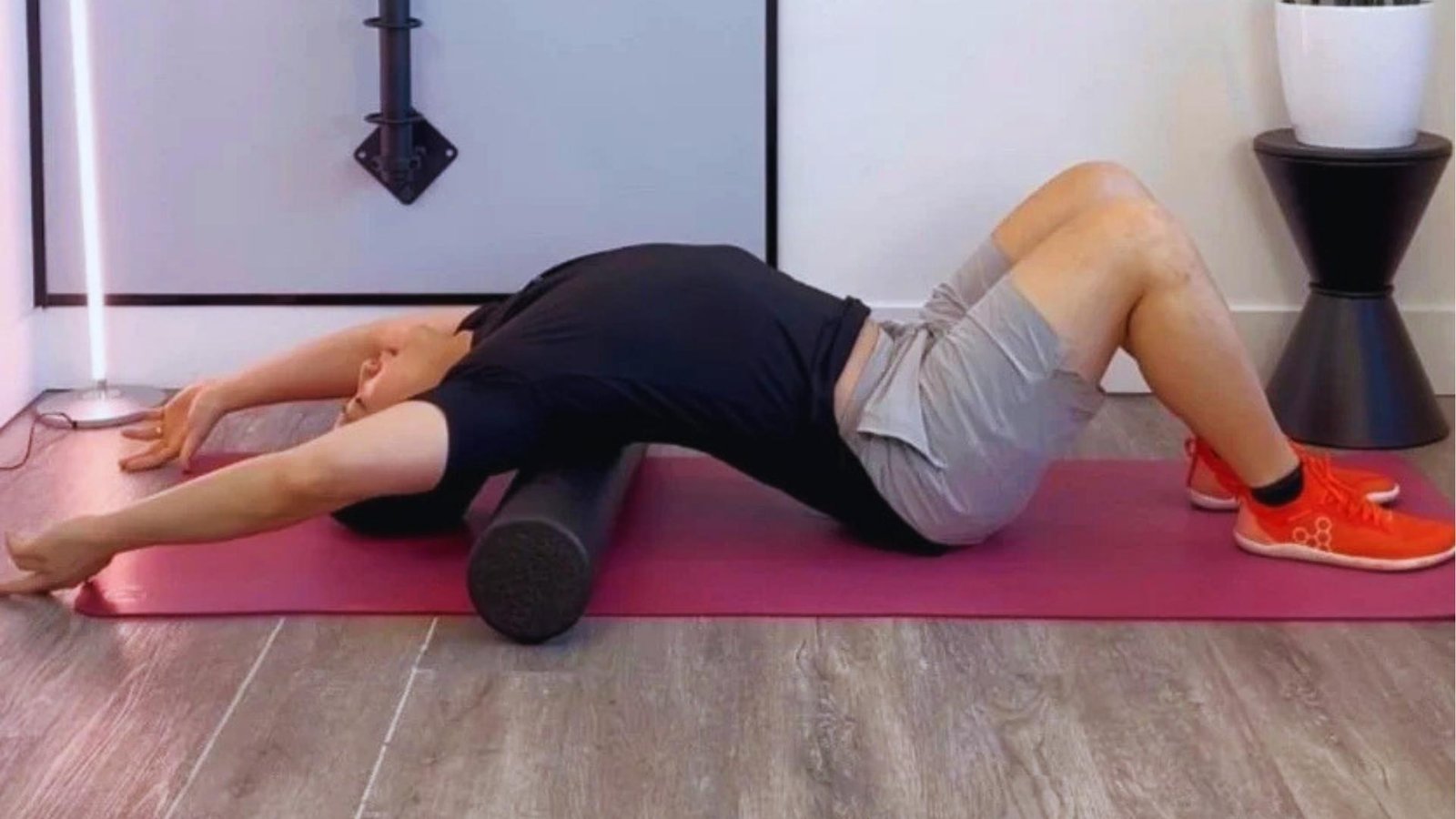
This move directly targets mid-back stiffness, which is one of the most common problem areas for people who sit a lot.
The foam roller acts as a fulcrum, allowing the upper back to open up in a way that's hard to achieve through stretching alone. Take it slow and let gravity do the work.
- Place a foam roller horizontally under your upper back
- Support your head with your hands
- Gently lean back over the roller
- Roll slowly through tight spots
6. Child's Pose
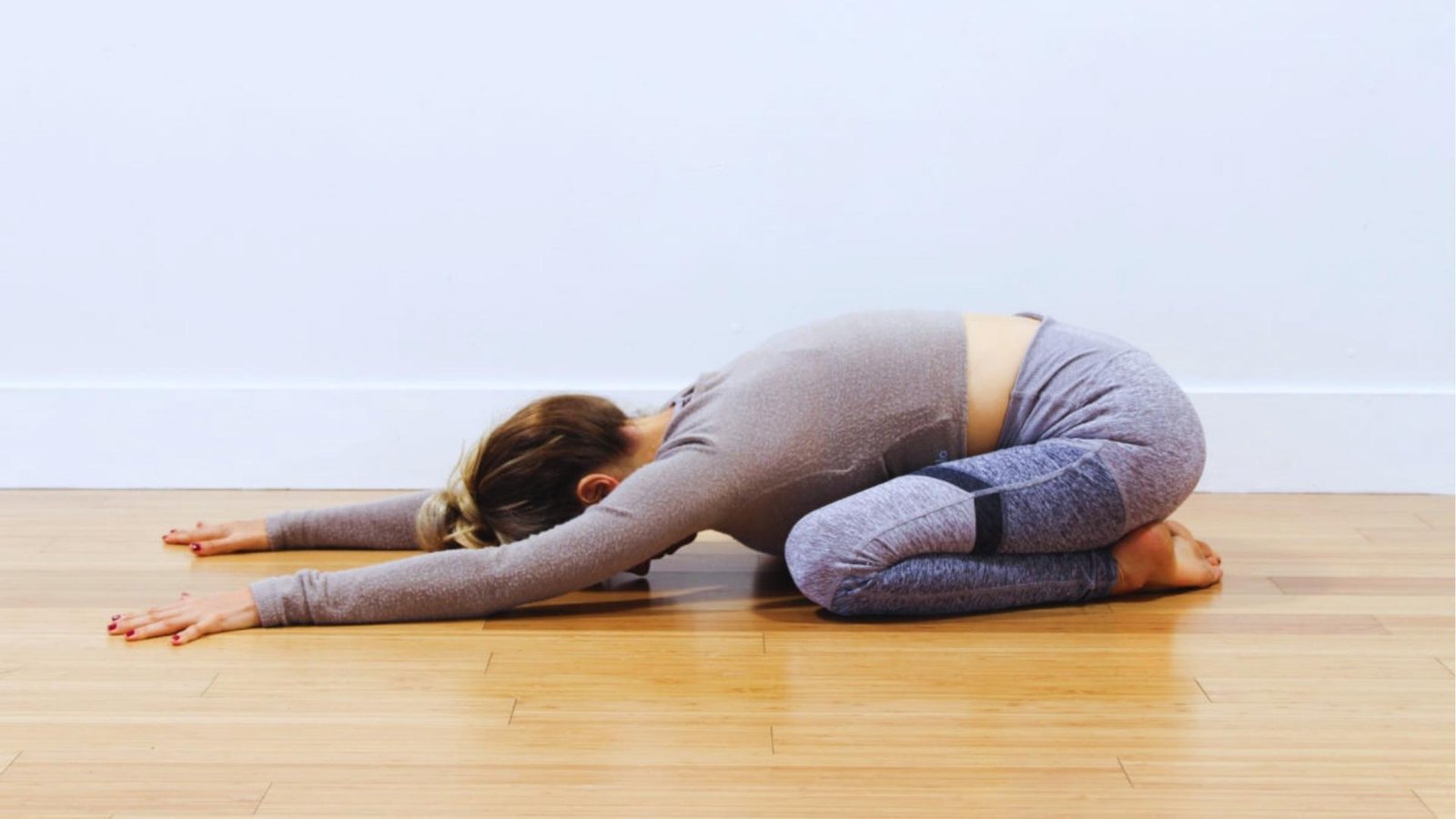
This is a restful position that gives the entire spine a chance to decompress and relax. It gently stretches the lower back, hips, and shoulders all at once.
Breathing deeply while holding this pose increases the stretch and helps calm the nervous system.
- Sit back onto your heels
- Reach your arms forward on the floor
- Let your lower back relax and breathe into it
- Hold for 30-60 seconds
7. Seated Spinal Twist
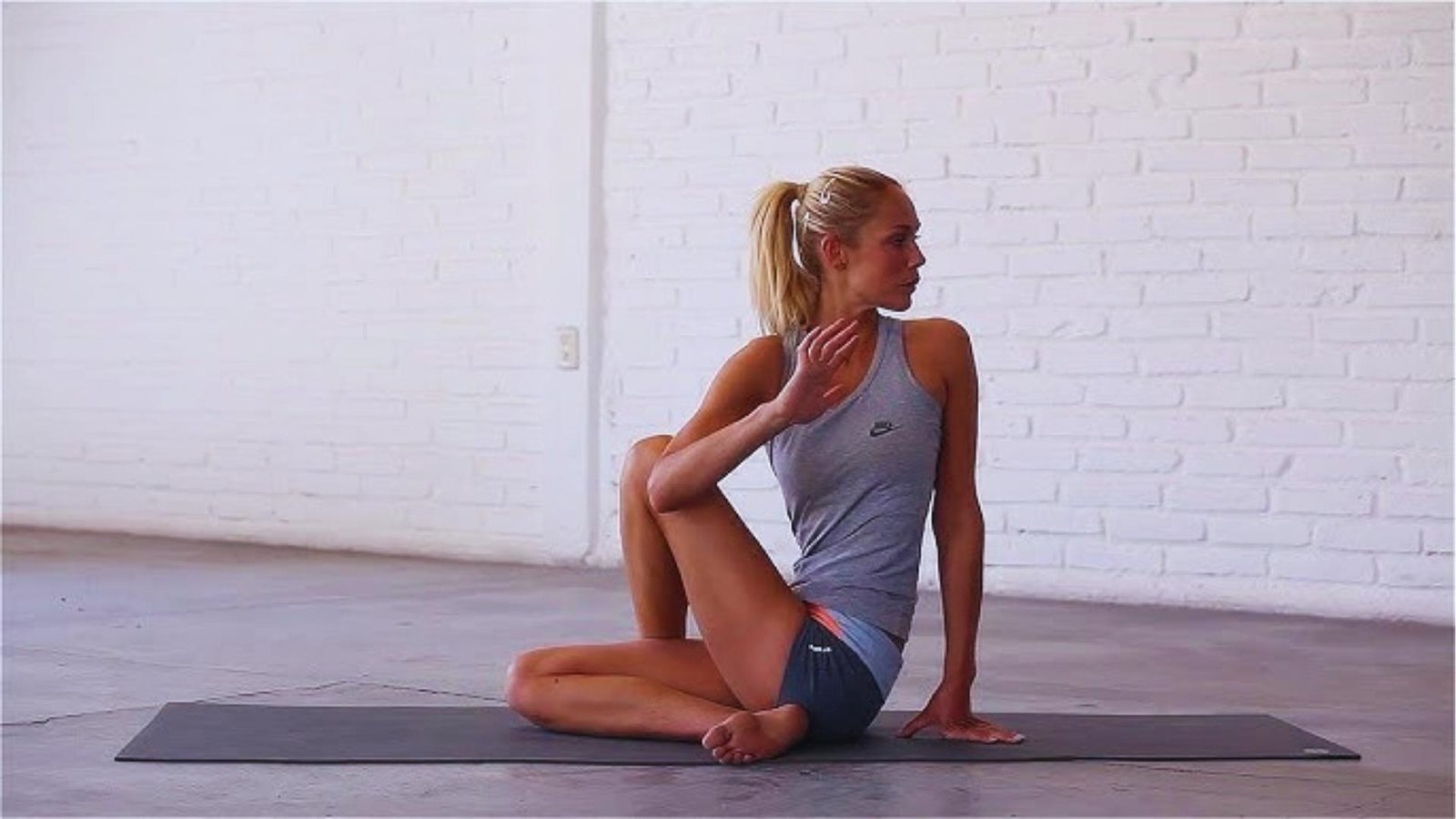
This is a great option if you spend most of your day in a chair. It improves controlled rotation through the spine without needing to get on the floor.
Keeping your spine tall throughout the movement is what makes it effective.
- Sit tall with feet flat on the floor
- Rotate your torso to one side, hold the chair for support
- Keep your spine upright throughout
- Repeat on both sides
8. Seated Side Stretch
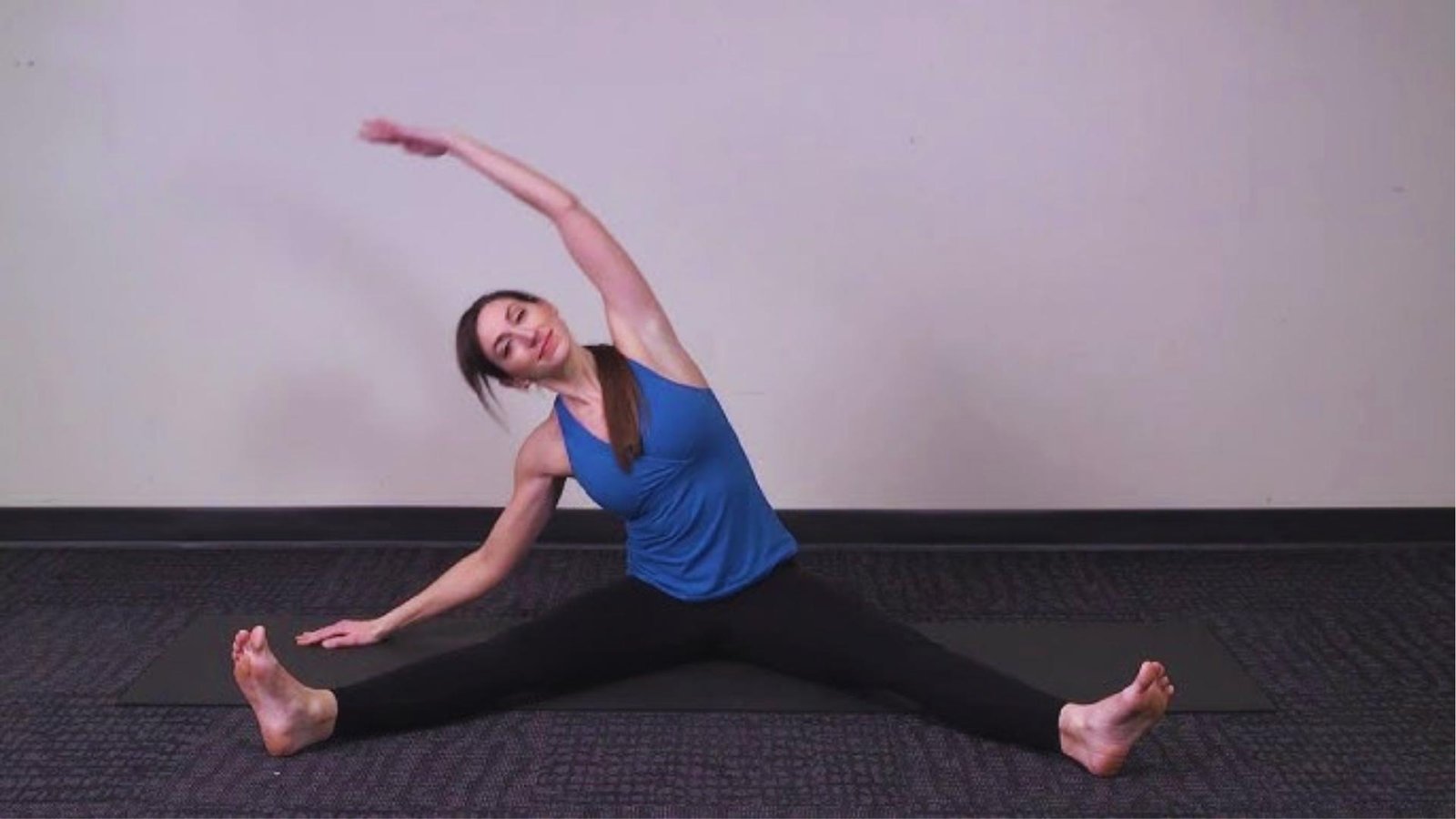
This movement focuses on lateral flexibility along the spine, which often gets overlooked in most routines. It also helps open up the rib cage and improve breathing.
Moving slowly and holding the stretch on each side gives the best results.
- Sit tall and reach one arm overhead
- Lean gently to the opposite side
- Feel the stretch along your side body
- Switch slowly to the other side
9. Standing Spinal Reach and Extension
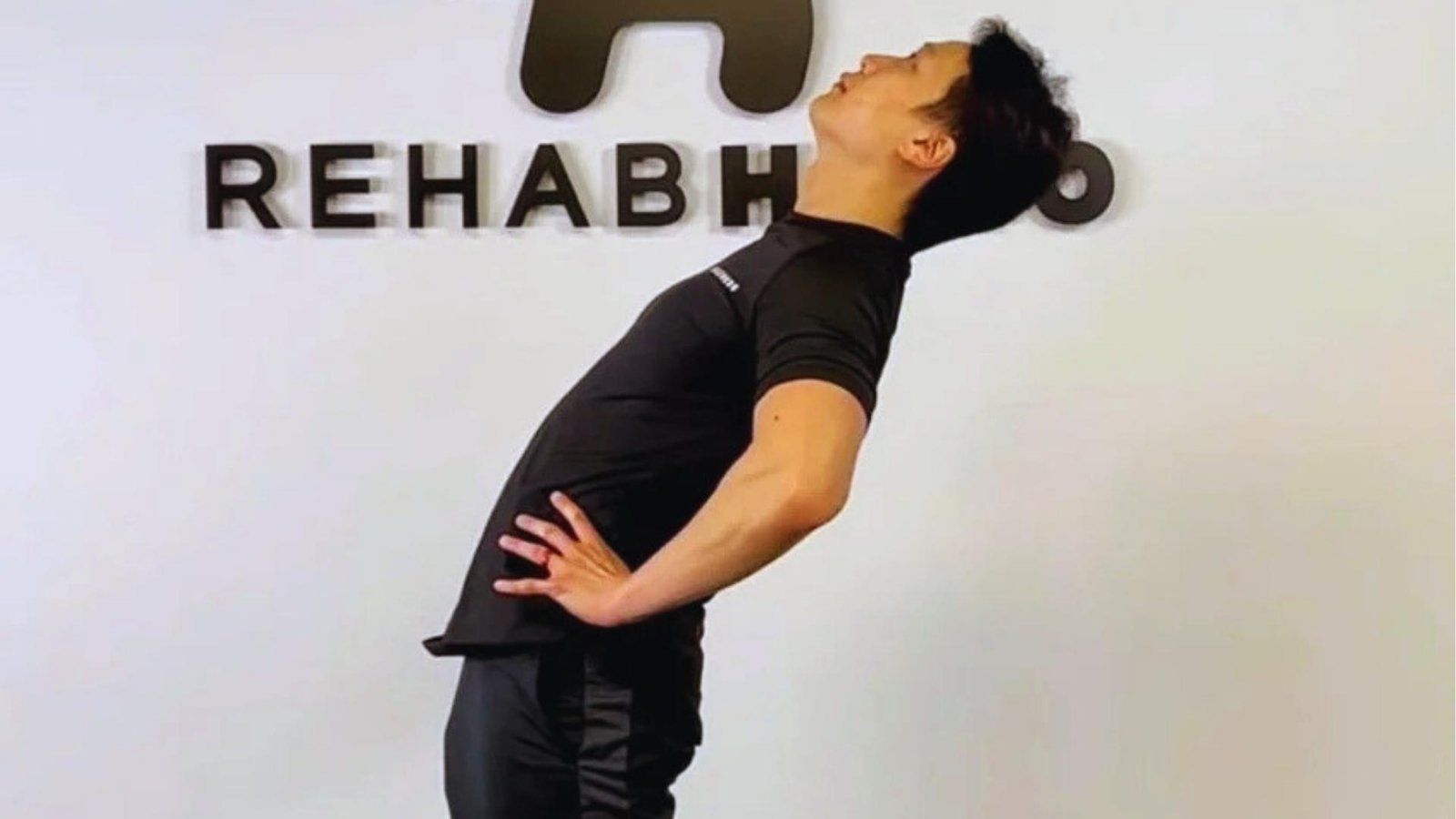
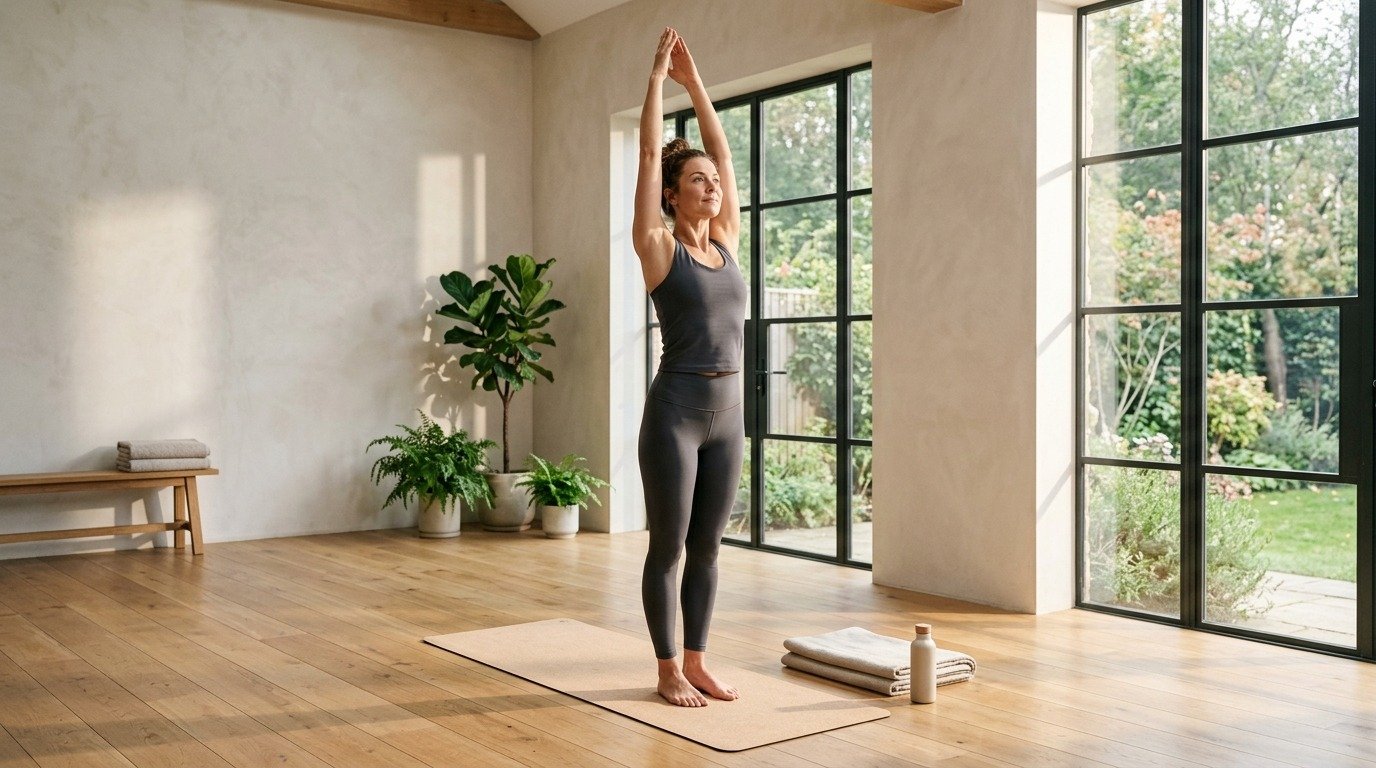
This is a functional movement that wakes up the full spine from a standing position. It's a great way to reset your posture during the day without needing to get on the floor.
Focus on the upper back during the extension and avoid putting pressure on the lower back.
- Stand tall with feet hip-width apart
- Reach both arms overhead and slightly arch your upper back
- Avoid pushing through the lower back
- Return to neutral and repeat 6-8 times
When to Practice Spinal Mobility Exercises

The best time to move your spine is whenever your body needs it most.
Morning Routine
The spine naturally stiffens overnight. A short mobility session after waking up helps loosen things up and prepares your body for the day.
Before Workouts
Running these movements before strength training or cardio warms up the spine. It also lowers the risk of strain during heavier exercises.
During Long Sitting Periods
If you sit for hours at work, taking 5 minutes to do a few of these exercises can prevent the stiffness that builds up over the day. Even one or two movements help.
Tips for Safe and Effective Spinal Mobility Training
Doing these exercises the right way matters more than doing them fast.
- Breathe slow and deep. This relaxes your muscles and activates your core, which supports your spine during movement.
- Move slowly always. Speed reduces the benefit, slow movement gives your spine time to respond and release properly.
- Avoid lower back strain. If pressure shifts there, pull back slightly. Control matters more than how far you stretch.
- Use props for support. A chair, wall, or foam roller makes exercises safer, especially for mobility training beginners.
- Skip the shame. Using support tools while learning is smart, not weak. Everyone starts somewhere with mobility training.
Conclusion
I started doing spinal mobility exercises after months of stiffness from sitting at a desk, and honestly, the difference was noticeable within two weeks.
Your spine responds well to consistent, gentle movement. You don't need hours.
Just 10 minutes a day with these 9 moves can help reduce stiffness and improve how you feel overall. Start small, stay consistent, and listen to your body.
If this helped you, drop a comment below or share it with someone who deals with back pain. I'd love to know how it goes for you.
Frequently Asked Questions
How often should I do spinal mobility exercises?
Most people benefit from doing them daily or at least 4–5 times a week. Even short sessions add up over time.
Can these exercises help with chronic back pain?
They can reduce stiffness and improve movement, but chronic pain should also be assessed by a doctor or physiotherapist. These are supportive, not a medical treatment.
Are these exercises safe for beginners?
Yes, all nine movements are beginner-friendly. Start slowly, use modifications when needed, and stop if anything causes sharp pain.
How long should each session take?
A full session covering all 9 exercises takes about 10–15 minutes. You can also break it into shorter rounds throughout the day.
Do I need any equipment?
Most exercises require nothing at all. A foam roller helps with thoracic extension, but it's optional and not required for the rest.