
Can stretching help you lose weight?
Many people ask this question when starting their fitness journey. Stretching feels good, but does it really help with fat loss?
In this article, I will explain the connection between stretching, calorie burn, metabolism, and weight management.
You’ll learn what stretching can do, what it cannot do, and how to include it in a healthy routine.
With guidance based on fitness research and practical experience, this guide helps you understand the facts without confusion and find realistic ways to support your weight-loss goals.
Can Stretching Help You Lose Weight?
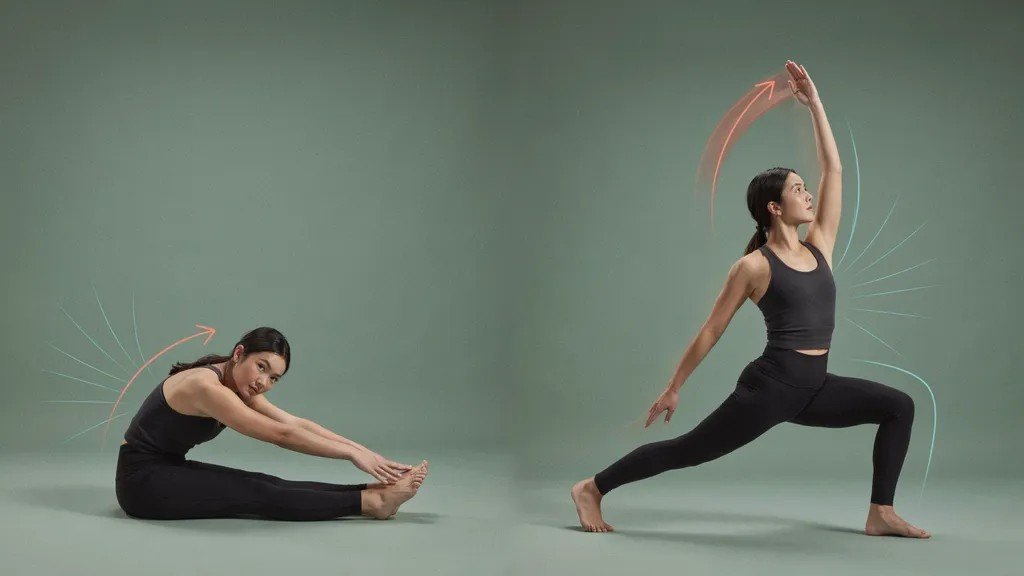
Can stretching help you lose weight? The simple answer is that stretching alone does not directly burn enough calories to cause major weight loss.
Stretching improves flexibility, mobility, and body awareness, which can help you move better during workouts and daily activities.
When your body moves more easily, you may perform exercises with better form and consistency.
Stretching also supports an active lifestyle by reducing stiffness and helping your body feel ready for movement.
While stretching does burn a small number of calories, its main benefit is supporting overall fitness habits that can contribute to healthy weight management.
How Stretching Affects Weight Loss
Stretching may not be a direct weight-loss exercise, but it can support the habits and physical abilities that make weight management easier.
Stretching May Improve Workout Performance

Better flexibility can help your body move through exercises with more ease and control. A wider range of motion allows your muscles and joints to work properly during workouts.
It can also reduce movement limitations, helping you perform activities like squats, lunges, or other exercises more comfortably.
When workouts feel easier and more effective, you may stay consistent and active, which supports long-term fitness goals.
Stretching Supports Muscle Health
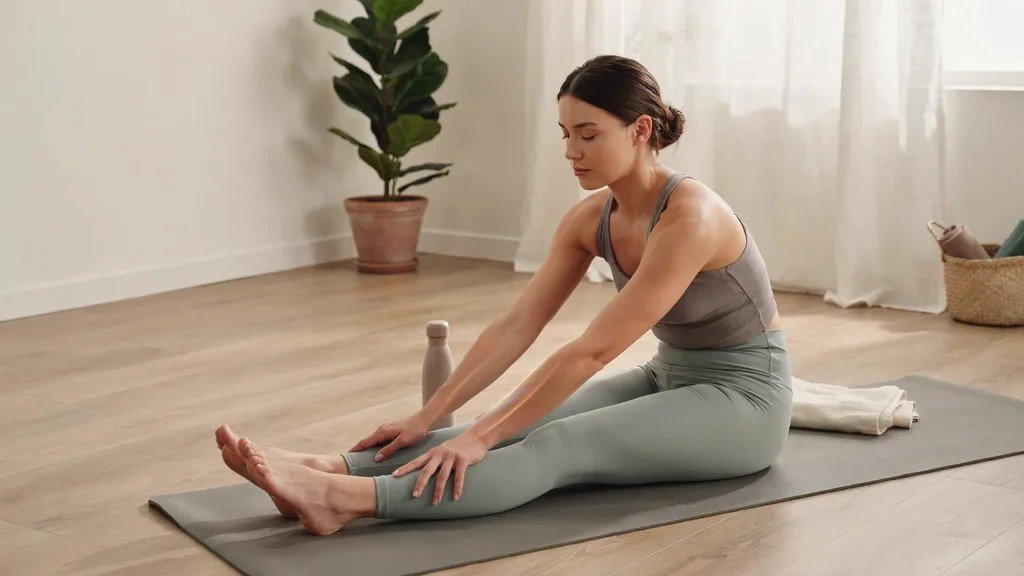
Stretching helps keep muscles flexible, relaxed, and ready for movement. It may support recovery after exercise by easing muscle tightness and improving comfort.
Healthy, flexible muscles can help you stay active and maintain a regular workout routine.
While stretching does not build muscle like strength training, it supports overall muscle function and physical performance.
Stretching Can Help Reduce Stress

Stress can affect weight management by influencing sleep, eating habits, and hormones linked to hunger and cravings.
Relaxing stretches may help calm the body and support a healthier routine.
Practices like gentle stretching or yoga can encourage relaxation, making it easier to stay focused on exercise, balanced eating, and other habits that support weight goals.
Does Stretching Burn Calories?
Stretching does burn some calories, but the amount is usually much lower than high-intensity exercises like running, cycling, or strength training.
The calories burned during stretching depend on several factors, including the type of stretching, how long you stretch, your body weight, and your overall activity level.
Active stretching or movement-based styles may use more energy than gentle stretches.
However, stretching alone usually does not create the calorie deficit needed for significant weight loss. Its main role is to support flexibility, recovery, and regular movement.
When combined with exercise and healthy eating, stretching can become a helpful part of a balanced weight-loss routine.
Best Types of Stretching for Weight Loss Support
Different types of stretching can support weight-loss efforts by improving movement, flexibility, and exercise consistency.
While stretching does not directly burn large amounts of fat, the right techniques can help you stay active and perform workouts better.
Dynamic Stretching

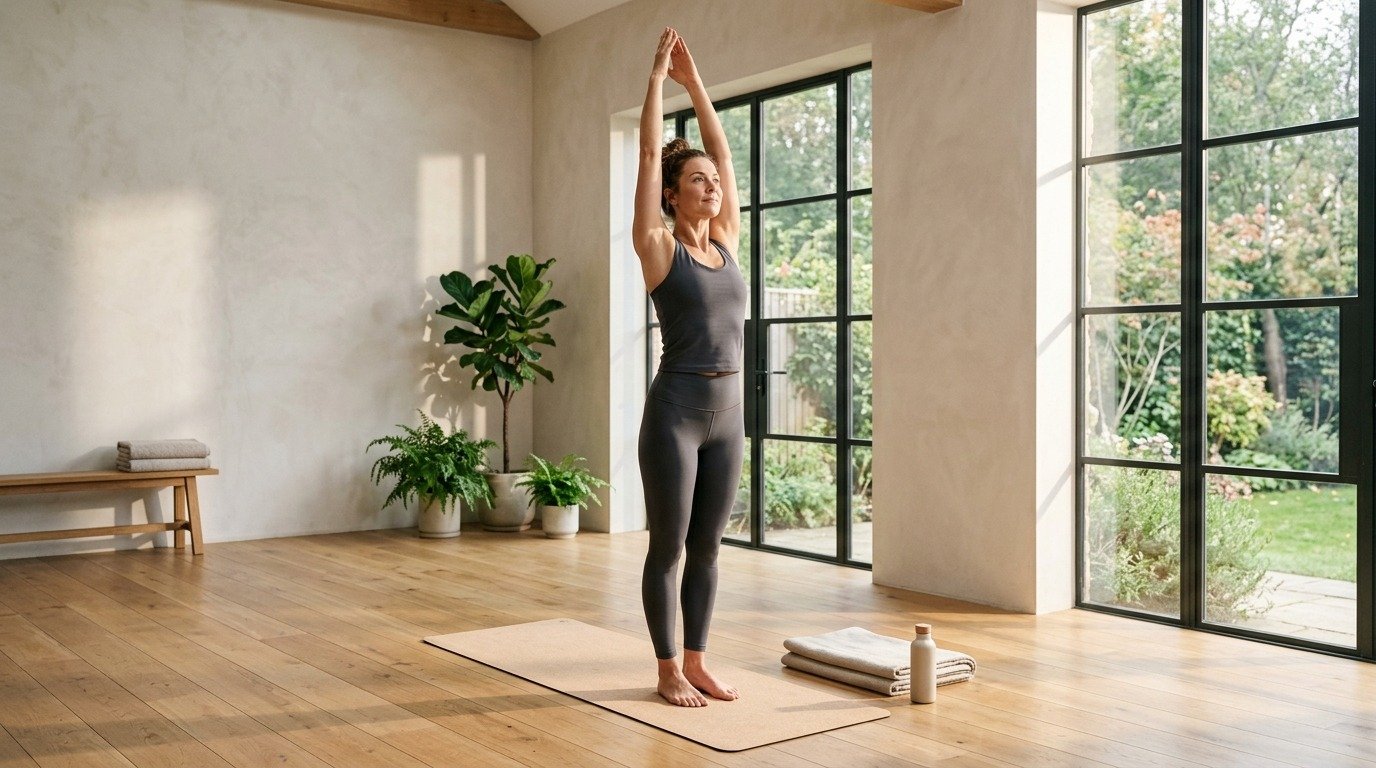
Dynamic stretching uses active movements that prepare your body for exercise. It helps warm up muscles, improve mobility, and increase your range of motion before physical activity.
These stretches are useful because they involve movement instead of holding a position for a long time.
- Leg swings: Help loosen the hips and improve lower-body movement.
- Arm circles: Prepare the shoulders and upper body for activity.
- Walking lunges: Improve balance, flexibility, and leg mobility.
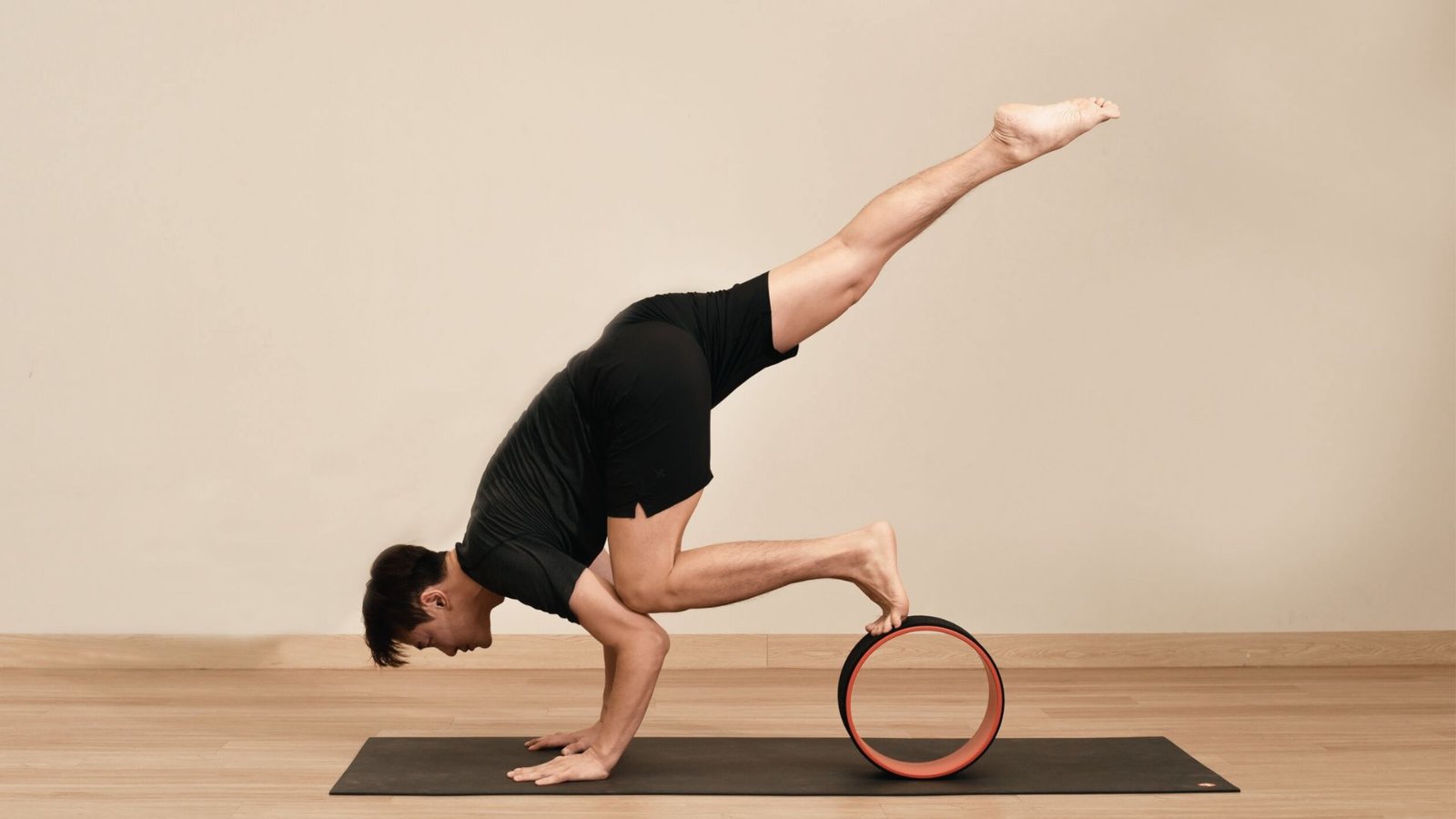
Yoga-Based Stretching
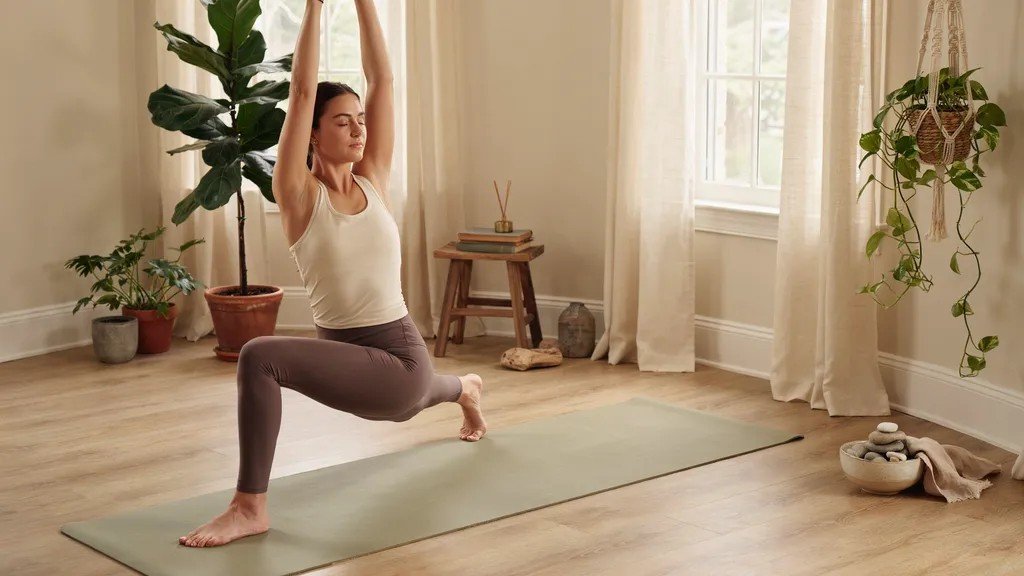
Yoga-based stretching combines flexibility exercises with balance, controlled movement, and breathing.
It can help improve body awareness, reduce stiffness, and support a calm mindset. Regular yoga practice may also encourage healthier habits that support overall fitness goals.
- Improves flexibility: Helps the body move more freely.
- Supports mindfulness: Encourages relaxation and stress control.
- Builds balance: Helps improve body control and stability.
Post-Workout Stretching
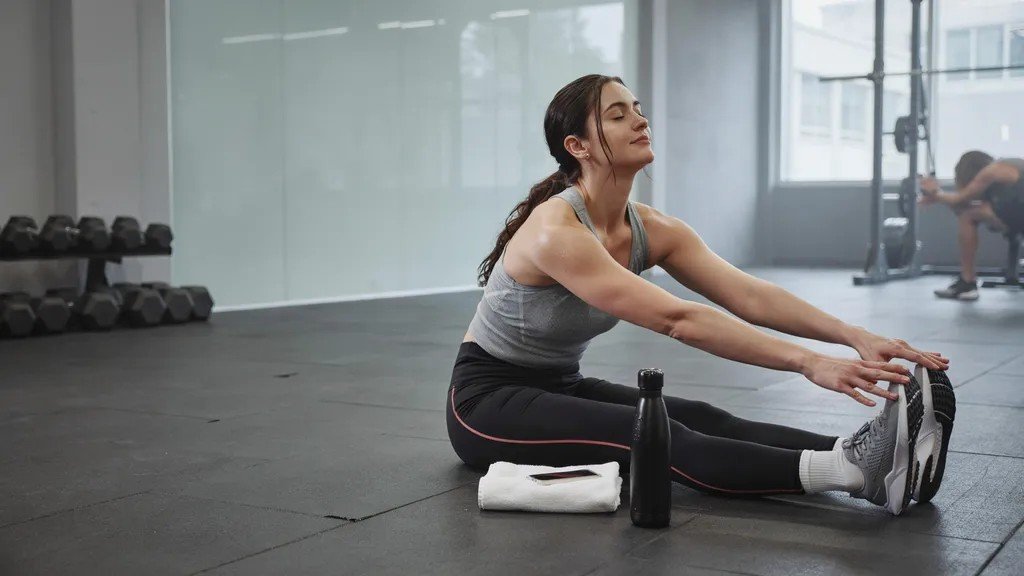
Post-workout stretching focuses on relaxing muscles after exercise and supporting recovery.
It may help reduce tightness and keep your body comfortable, making it easier to stay consistent with your fitness routine over time.
- Aids recovery: Helps muscles relax after activity.
- Reduces stiffness: Keeps the body feeling flexible.
- Supports consistency: Makes regular workouts easier to maintain.
Benefits of Stretching for Your Fitness Goals
Stretching offers many benefits that support your fitness journey and help your body move, recover, and stay active.
- Improves flexibility: Helps your muscles and joints move through a wider range of motion.
- Supports better posture: Helps maintain proper body alignment and reduces strain.
- Reduces muscle stiffness: Keeps muscles relaxed and improves comfort during movement.
- Helps prevent exercise-related discomfort: Supports smoother and safer workouts.
- Encourages regular movement: Makes daily activities and exercise feel easier.
- Supports overall wellness: Promotes relaxation, mobility, and better body awareness.
Can Stretching Help You Lose Belly Fat?
Stretching alone cannot target fat loss from one specific area of the body. Fat loss happens when your body uses more energy than it takes in, which depends on overall lifestyle habits.
A healthy calorie balance, regular strength training, cardio exercises, and nutritious food choices play a bigger role in reducing body fat.
However, stretching can support your fat-loss routine by improving flexibility, reducing muscle tightness, and helping you stay active.
When your body feels better, you may find it easier to stay consistent with workouts and healthy habits that contribute to overall weight management.
How Much Stretching Should You Do for Weight Loss?
A consistent stretching routine can support your fitness goals when combined with other forms of exercise and healthy habits.
Stretch Regularly
Aim to include stretching in your routine several times a week. Even a few minutes of stretching can help improve flexibility and movement.
Combine Stretching With Active Workouts
Pair stretching with strength training, cardio, or other activities to support better fitness results and overall calorie burn.
Focus on Consistency
Regular practice matters more than doing long stretching sessions occasionally. Create a balanced routine that you can maintain over time.
Stretching vs Exercise for Weight Loss
Stretching and exercise both support your body, but they work in different ways when it comes to weight loss.
| Stretching | Exercise |
| Improves flexibility | Burns more calories |
| Supports mobility | Builds strength and endurance |
| Helps recovery | Directly contributes to calorie deficit |
Tips to Combine Stretching With a Weight Loss Plan
Stretching works best when it is part of a complete routine that includes movement, nutrition, and healthy lifestyle choices.
- Add stretching before and after workouts: Helps prepare muscles and support recovery.
- Combine with strength training and cardio: Creates a more effective fitness routine.
- Stay consistent: Regular habits lead to better long-term progress.
- Focus on overall healthy habits: Balance exercise, food choices, sleep, and daily movement.
Conclusion
Your fitness journey does not have to start with big changes. Small habits like stretching can make movement feel easier and help you stay consistent.
Can stretching help you lose weight? It can support your goals when combined with balanced workouts and healthy choices.
I believe simple routines are often easier to maintain, and that matters over time. Try adding a few stretches to your day and notice how your body feels.
Share your thoughts in the comments or try more fitness guides for your next step.
Frequently Asked Questions
Can stretching help you lose weight?
Stretching alone does not lead to major weight loss, but it supports flexibility and movement.It works best with exercise, healthy eating, and an active lifestyle.
How many calories does stretching burn?
Stretching burns some calories, but fewer than activities like cardio or strength training.The amount depends on your body weight, style of stretching, and duration.
Is stretching good before workouts?
Yes, stretching before workouts can help prepare your muscles for movement.Dynamic stretches can improve mobility and support better exercise performance.
Can stretching reduce belly fat?
Stretching cannot remove fat from one specific body area.It can support a routine that includes exercise, nutrition, and healthy habits.
How often should I stretch for fitness benefits?
Regular stretching can help improve flexibility and reduce muscle stiffness.Try adding it consistently alongside your workouts for better results.