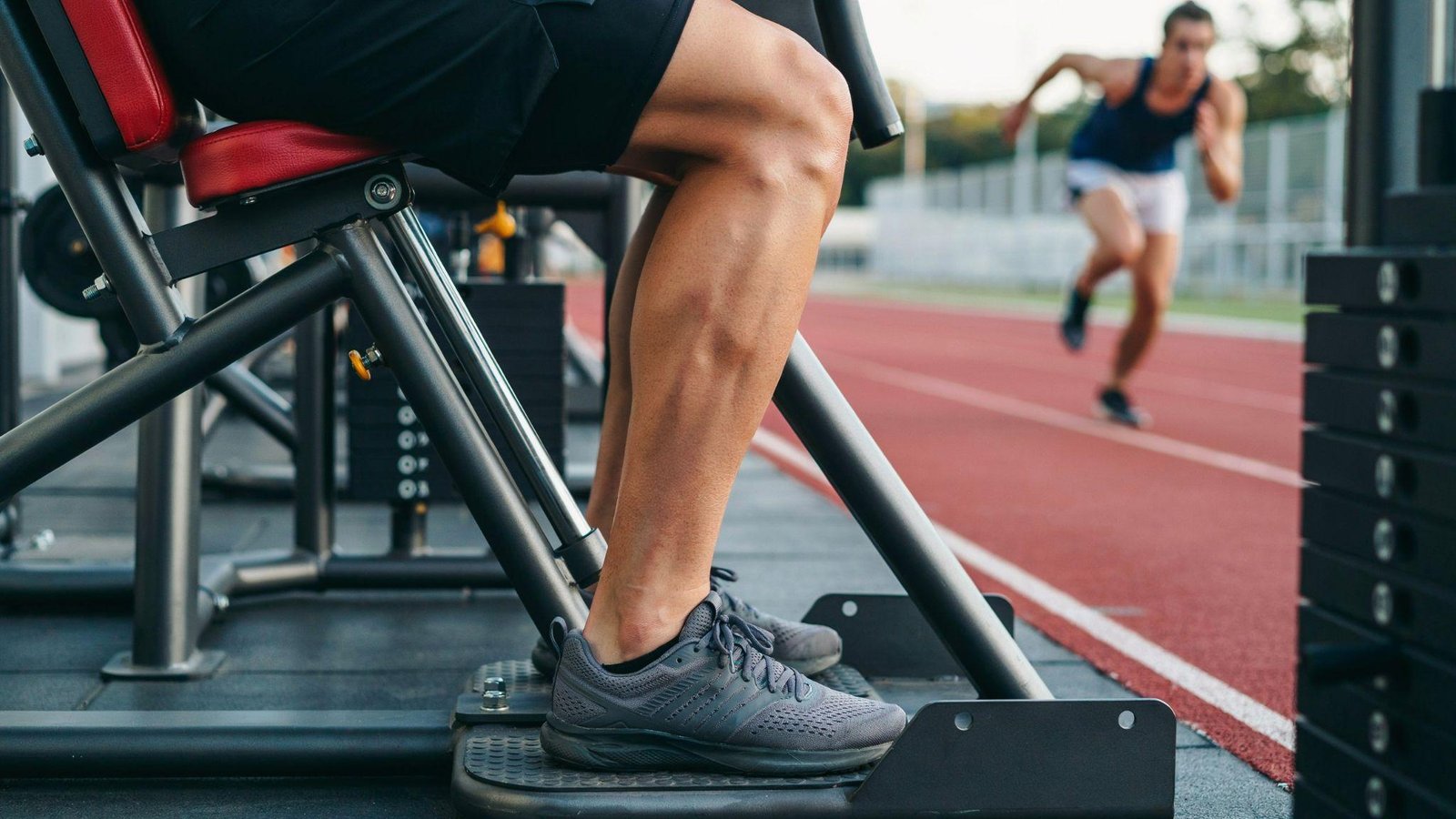
Have you ever wondered what really powers your stride? It's not just your calves doing the obvious work.
Hidden underneath your gastrocnemius sits the soleus, a deep muscle that quietly does most of the heavy lifting. Every time you run, walk, or stand tall, this muscle helps you push off the ground and stay balanced.
So who needs to train it? Runners chasing speed, athletes wanting explosive power, anyone with tight calves or Achilles pain, and really, anyone hoping for better ankle stability.
In this guide, I will break down what the soleus actually does and the simple exercises that work it the right way. Over years of working with runners and lifters, I have seen how much of a difference this one muscle makes.
If that sounds like you, keep reading. This muscle deserves your attention.
Soleus Muscle Function Explained
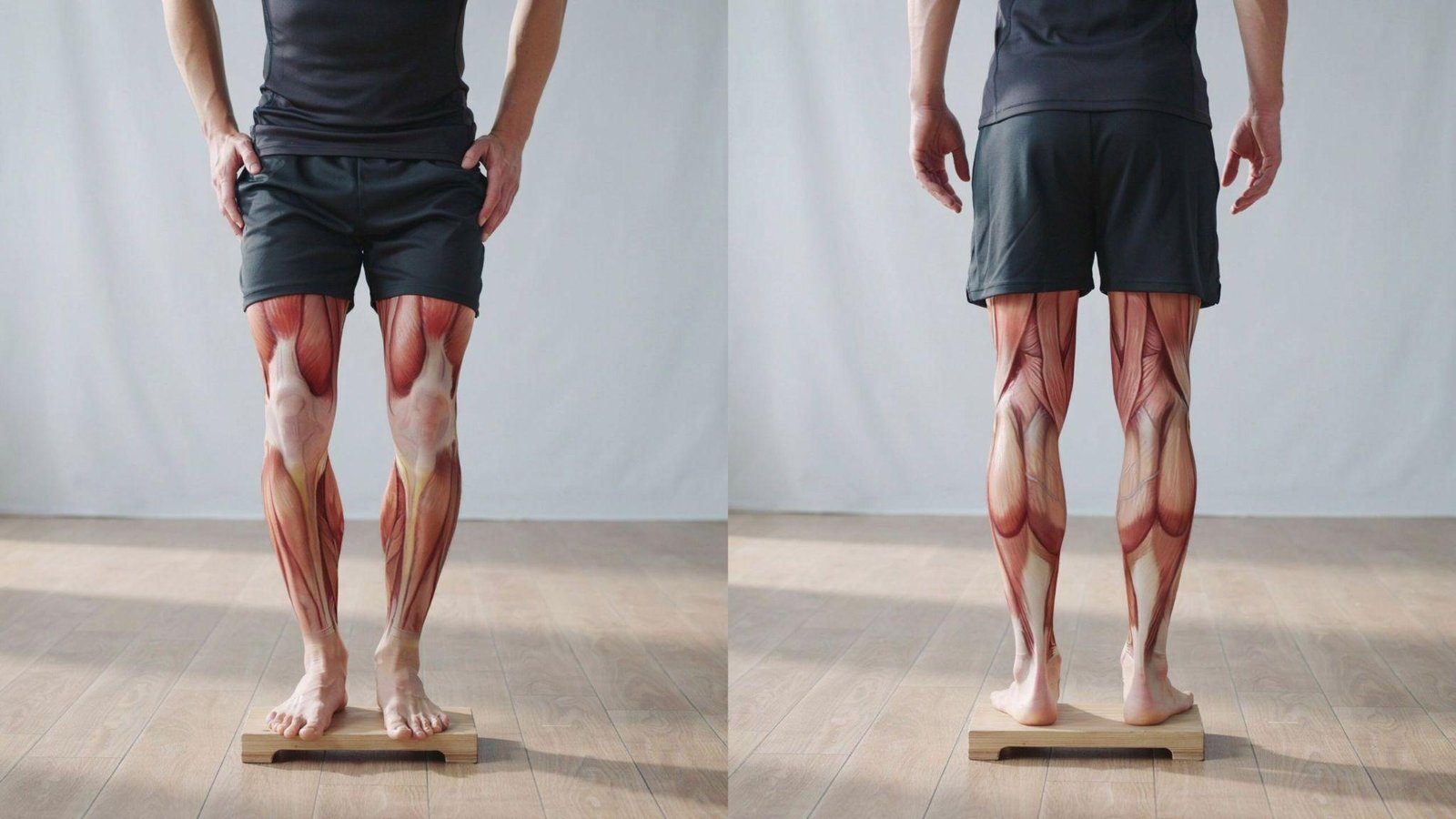
The soleus works mainly through plantarflexion, the motion of pointing your toes downward. It kicks in most when your knee is bent, helping control your shin and keep your forward motion steady.
Compare that to the gastrocnemius, which handles quick, powerful movements thanks to its fast-twitch fibers. The soleus, on the other hand, leans on slow-twitch fibers built for endurance.
The simple difference comes down to knee position: bent knee activates the soleus, straight knee brings the gastrocnemius into play.
Benefits of Soleus Exercises
Training your soleus pays off in ways that go beyond just stronger calves. From running faster to staying injury free, this muscle plays a bigger role than most people realize.
- A strong soleus boosts ground force production, giving your stride more push and helping you run efficiently even over long distances.
- It supports Achilles tendon health, which means less stress on one of the most injury-prone areas in runners.
- Strengthening this muscle reduces the risk of calf strain, keeping your lower legs more resilient during tough workouts.
- Better soleus strength improves ankle stability, helping you stay balanced on uneven ground or during quick direction changes.
- It also helps you hold an upright posture and resist fatigue, so you stay strong even late into a run or workout.
Best Soleus Exercises (Step-by-Step Guide)
These six exercises target your soleus from different angles, helping you build real strength where it counts.
Follow each one with control, and you'll start noticing the difference in your runs and daily movement.
1. Seated Calf Raises (Top Isolation Exercise)
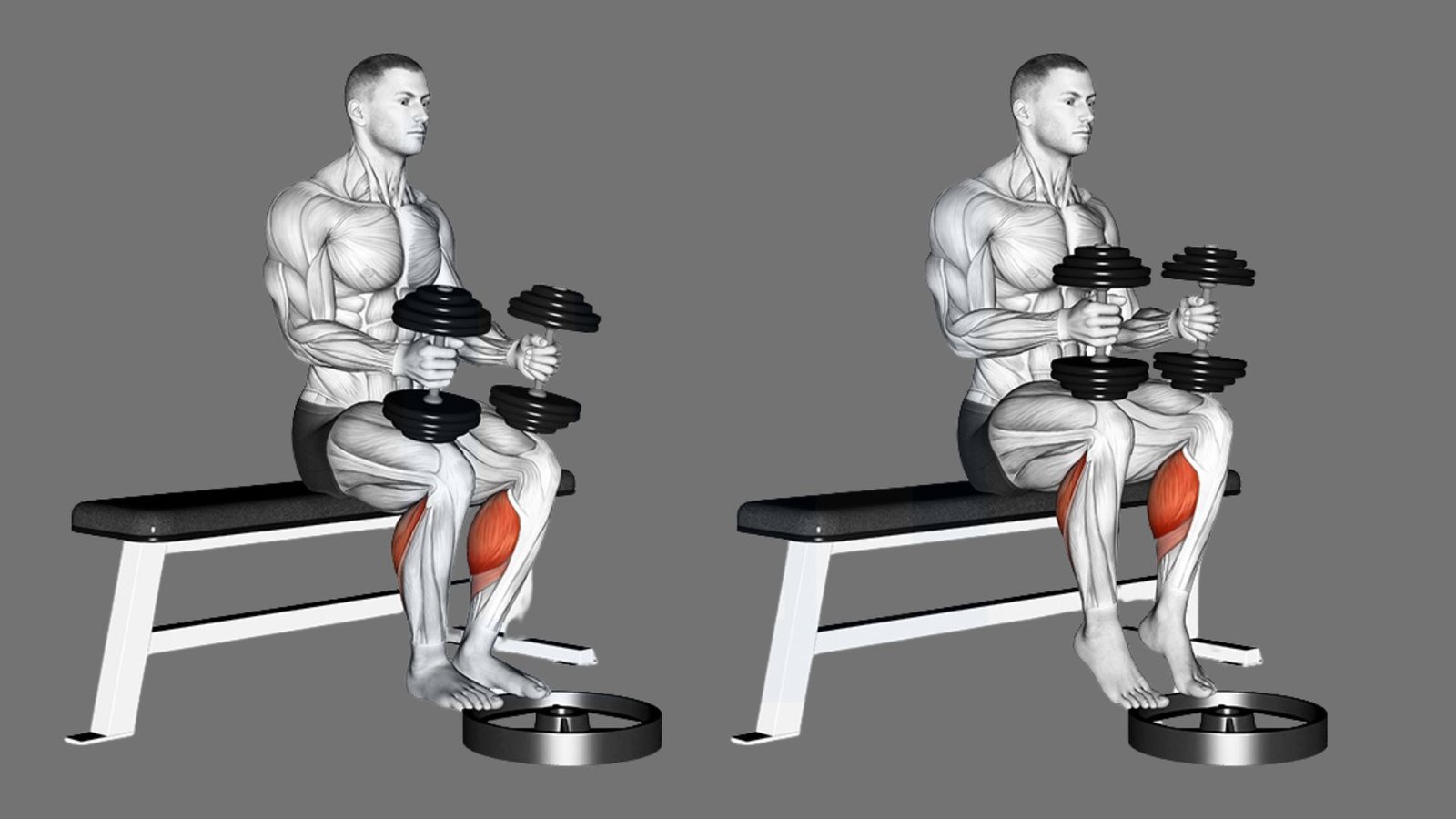
Sit down with your knees bent at a 90 degree angle. Slowly raise your heels as high as you can, then lower them back down with control.
This bent knee position isolates the soleus directly. Once it feels easy, add weight on your thighs to keep challenging the muscle and building strength over time.
2. Single-Leg Bent-Knee Calf Raises
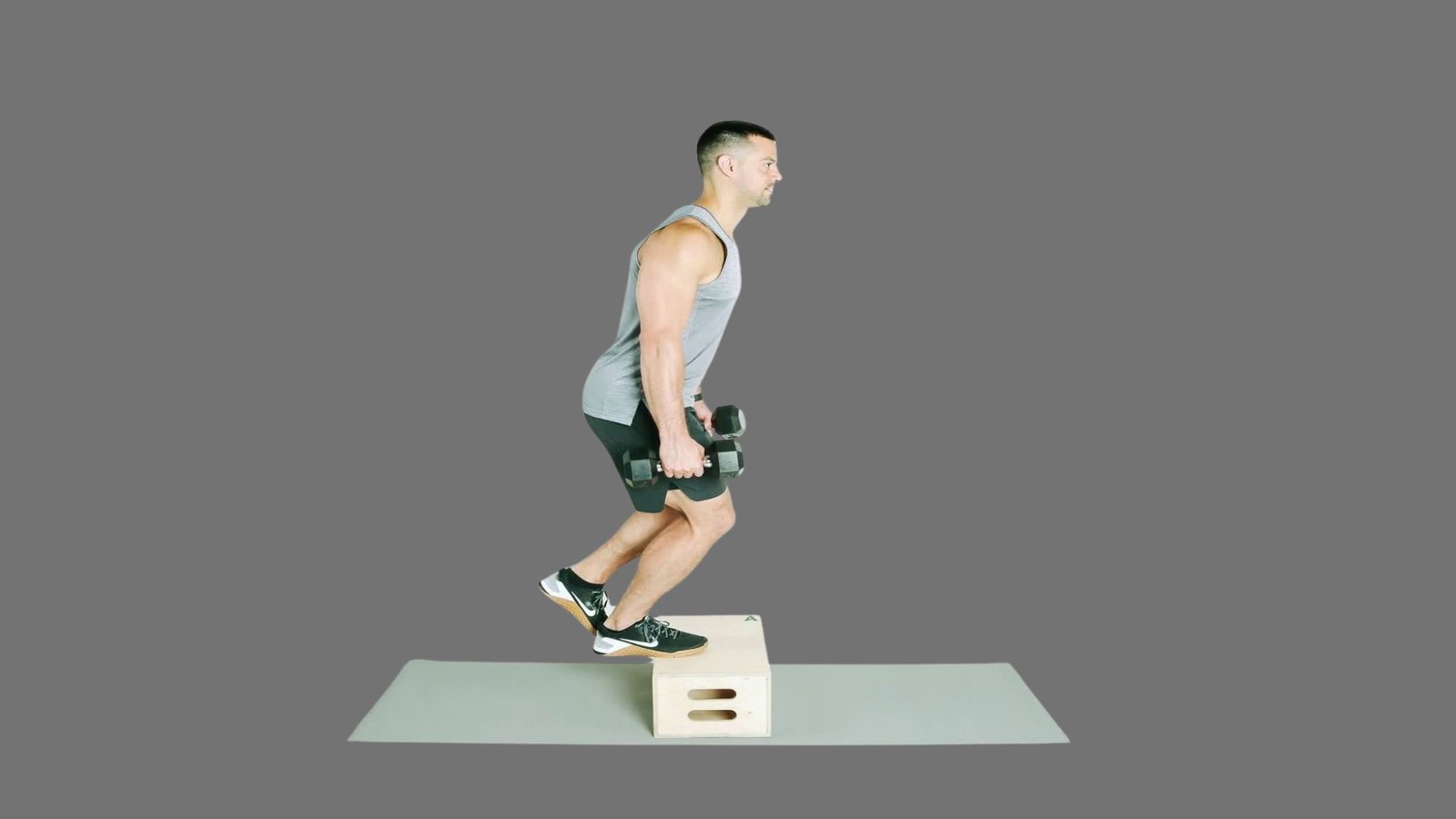
Stand on one leg with a slight bend in your knee. Lift your heel off the ground while keeping that knee position steady throughout the movement.
This exercise demands real balance and control, which makes it harder than it looks. It also helps you spot and fix any strength differences between your left and right leg.
3. Squat to Soleus Raise
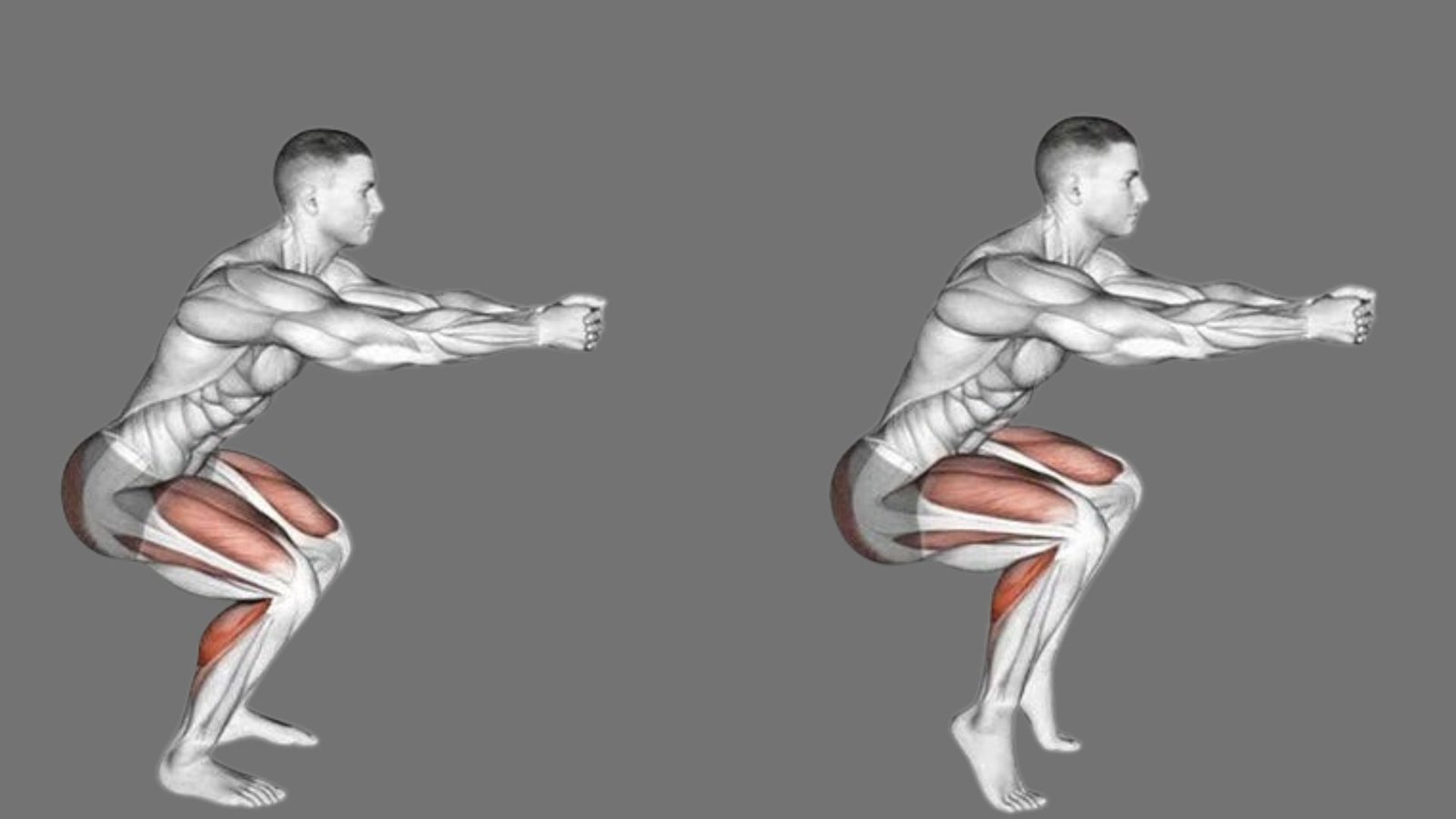
Drop into a squat with your hips pushed back and knees bent. From there, perform small, controlled heel raises without losing your squat position.
This combination builds strength and stability at the same time. It challenges your lower body in a way that single exercises usually can't match, making it a great addition to leg day.
4. Lunge with Soleus Raise
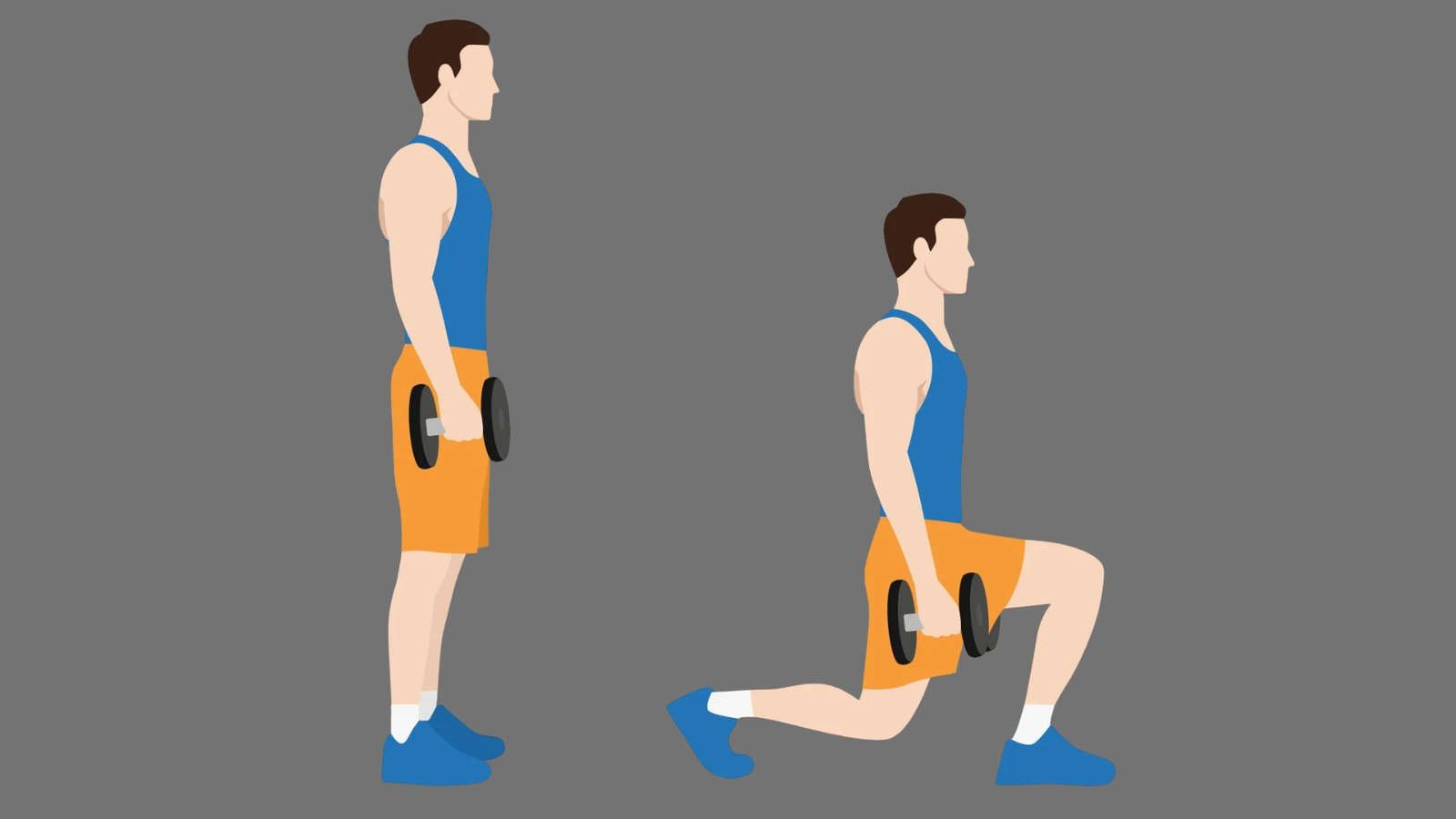
Step into a lunge position and keep your front knee bent throughout the move. From here, lift your heel off the ground in a slow, controlled motion.
This exercise mimics the bent knee angles your body uses during real running and athletic movement, which makes it especially useful for building functional, sport-ready strength.
5. Soleus Bridge Raises
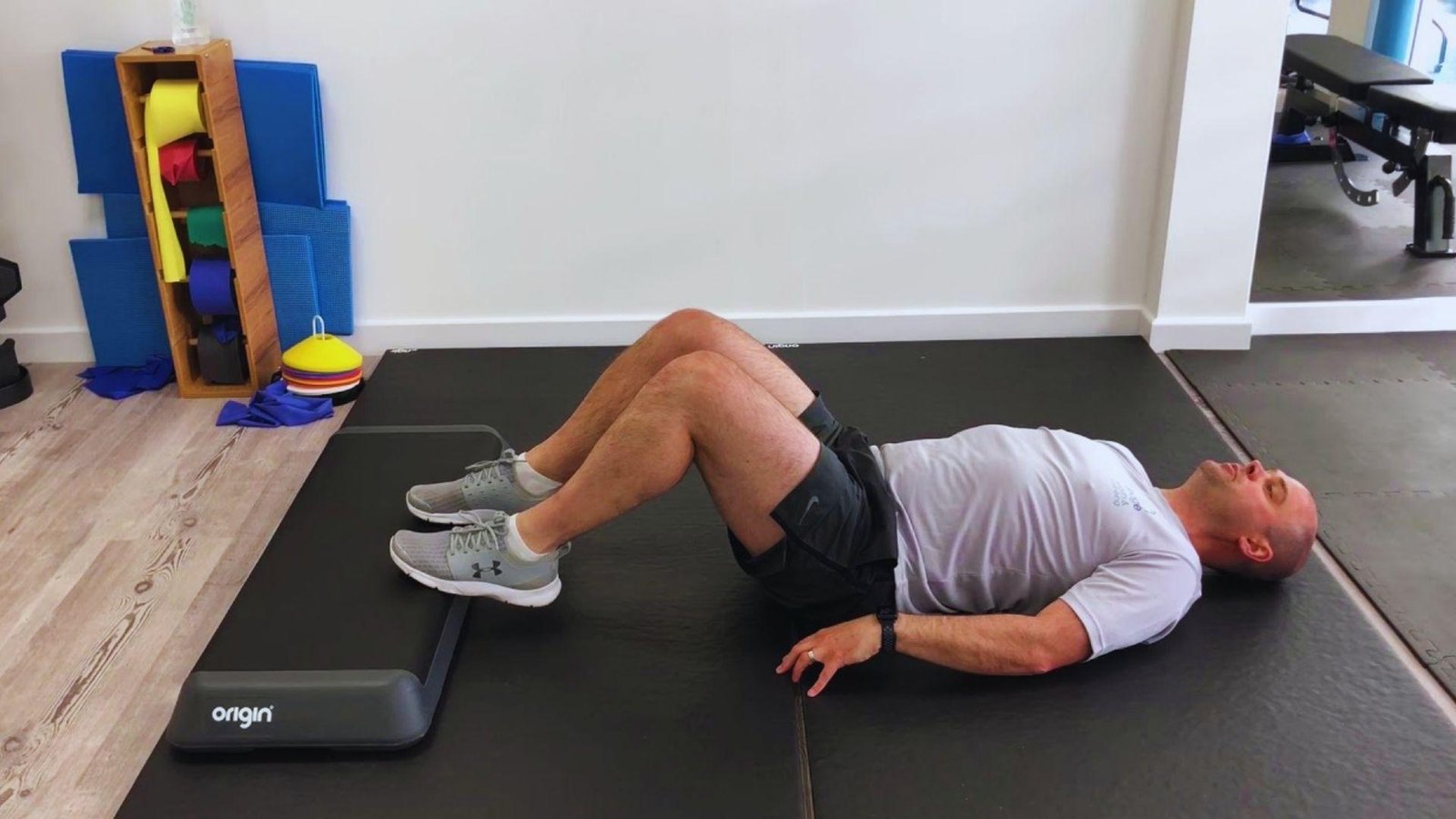
Lie on your back in a bridge position, hips lifted off the ground. While holding that position, raise your heels up and down with control.
This move combines glute and calf activation, giving you more value from a single exercise. It is a smart way to train two muscle groups without adding extra time to your workout.
Programming Tips for Soleus Training
Getting the most out of these exercises depends on how you train, not just what you do. Small details like knee angle, tempo, and frequency make a real difference in your results.
- Keep your knee bent at around 90 degrees during exercises, since this position triggers the most soleus activation and gives you better results.
- Move slowly through each rep instead of rushing. A slower tempo keeps the muscle engaged longer and leads to better strength gains over time.
- Aim for 2 to 4 sets per exercise, and stick with 10 to 20 reps or hold positions for 20 to 45 seconds depending on the movement.
- Train your soleus 2 to 4 times a week for steady progress. This frequency gives the muscle enough work without risking overuse.
- As you get stronger, add light weight, shift more work to single-leg variations, and slowly extend how long you hold isometric positions.
Soleus Training for Runners (Performance Focus)
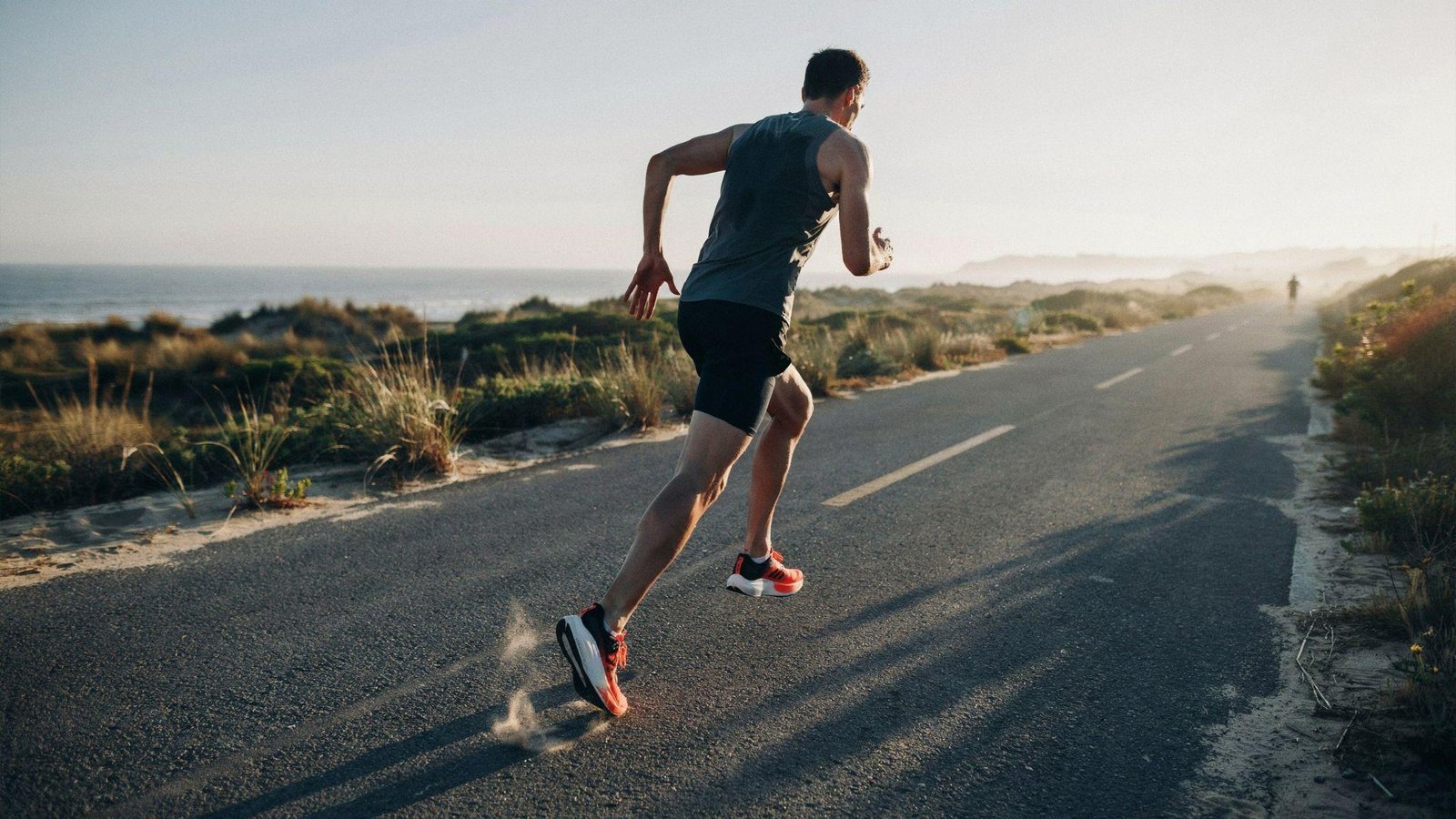
A stronger soleus gives your stride a more powerful push-off, helping you move faster with less effort.
It also improves how well your legs return energy with each step, which adds up over long distances. Beyond speed, this muscle protects you too.
It builds your Achilles tendon's ability to handle repeated load, lowering your injury risk. It also helps your calves resist fatigue during long runs, so you can keep good form even in the final miles.
Conclusion
The soleus might be hidden under your gastrocnemius, but it plays a huge part in how you run, move, and stay injury free.
From seated calf raises to bridge raises, each exercise on this list builds real strength where it counts. Add them to your routine two to four times a week, keep your knee bent, and move with control.
Your stride will thank you. Ready to feel the difference? Pick two exercises from this guide and try them today. Then come back and let us know how your runs feel.
Frequently Asked Questions
What is the soleus muscle and why does it matter?
The soleus is a deep calf muscle that sits under your gastrocnemius. It plays a big role in running, walking, and keeping your posture steady.
How is the soleus different from the gastrocnemius?
The soleus relies on slow-twitch fibers built for endurance, while the gastrocnemius uses fast-twitch fibers for quick power. Knee position decides which one activates more.
How often should I train my soleus?
Aim to train it 2 to 4 times a week. This gives the muscle enough work to grow stronger without overloading it.
Can soleus exercises help prevent injury?
Yes. A stronger soleus supports your Achilles tendon and reduces calf strain, which lowers your risk of common running injuries.
Do I need equipment to train my soleus?
Not really. Most exercises like seated calf raises and wall stretches use just your body weight, though you can add light weight later for progression.