Passive stretching is a simple way to improve flexibility, but many people are unsure how it works or how it differs from other stretching methods.
If you want to understand passive stretching, this guide will help you learn the basics, benefits, types, and safe ways to practice it.
In this article, you’ll learn how passive stretching works, how it compares with active and static stretching, and when it can be useful.
With experience researching fitness and movement practices, this guide focuses on clear and practical information you can trust.
Let’s find out how this stretching method can support better mobility and relaxation.
What Is Passive Stretching?
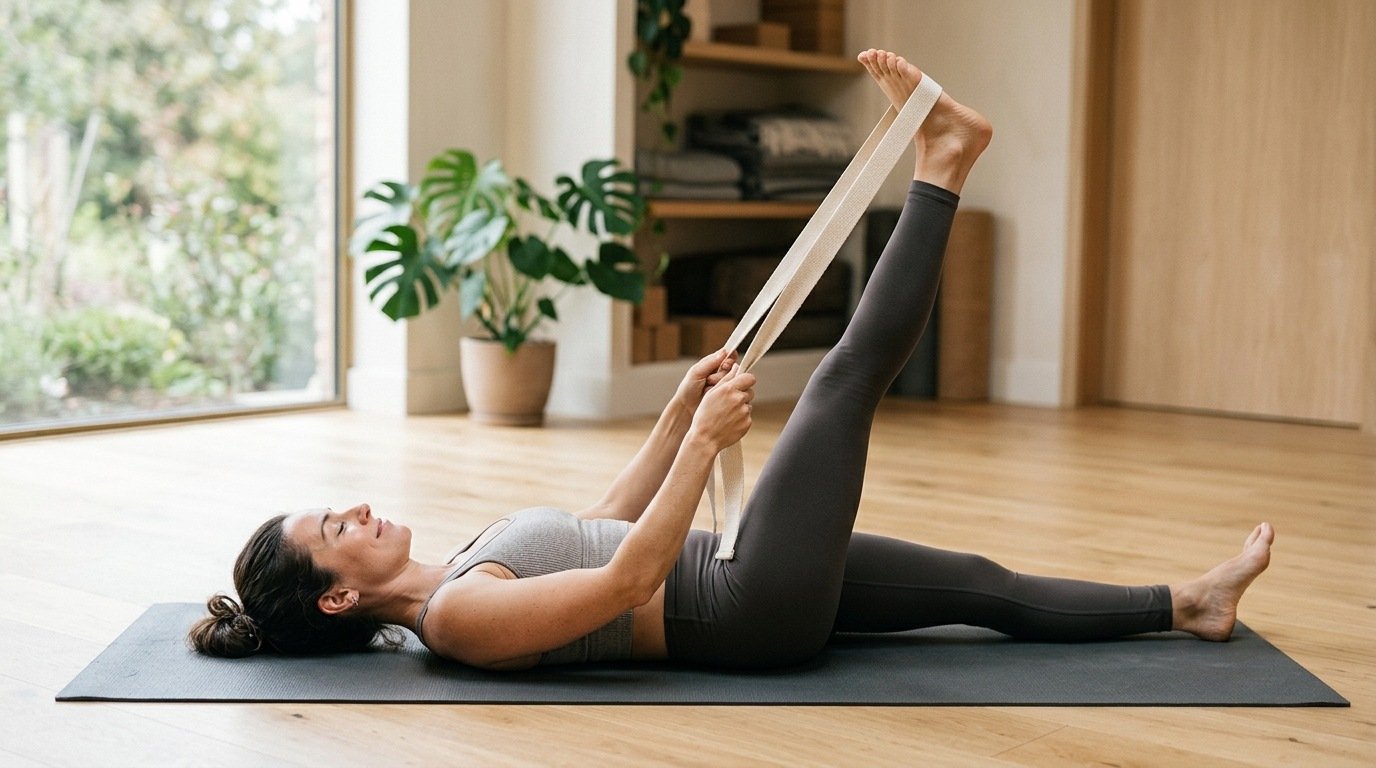
Passive stretching is a simple stretching method where your muscles stay relaxed while an external force gently moves your body into a stretch.
You are not actively using muscle strength here. Instead, help comes from a partner, gravity, props like straps or yoga blocks, or even your own body weight in certain positions.
This support allows the muscle to lengthen slowly and safely. The key part is relaxation.
When your body stays loose, tension reduces and the stretch becomes deeper and more comfortable without forcing it.
How Does Passive Stretching Work?
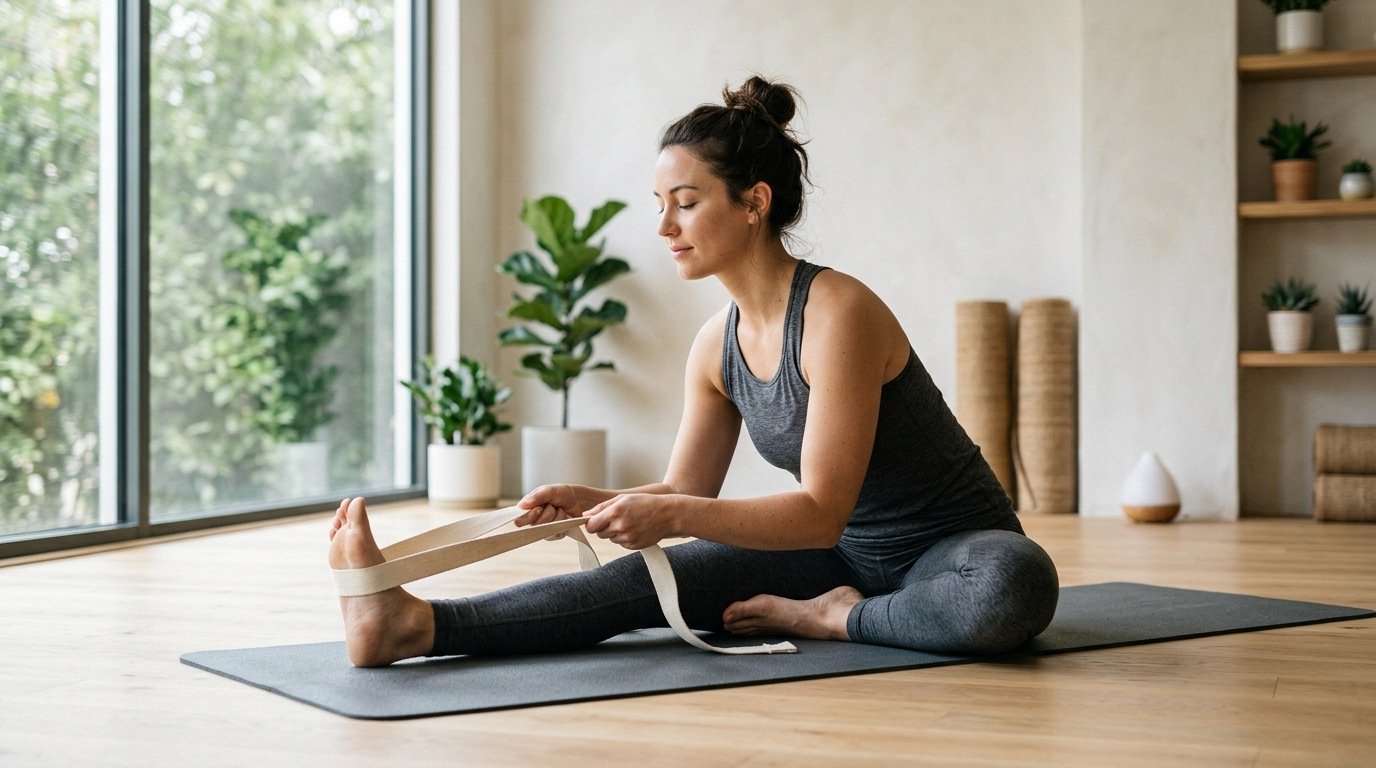
Passive stretching works in a slow and controlled way. First, a muscle is gently lengthened beyond its resting position.
Then an external force holds that position steady for a set time. During this hold, the body gradually adapts to the stretch, which helps improve flexibility and overall range of motion.
Over time, muscles learn to stay longer and more relaxed in that position. Controlled breathing is very important here.
Deep, steady breaths help the nervous system relax, reduce resistance in the muscles, and make each stretch safer, smoother, and more effective for long-term mobility gains.
Types of Passive Stretching
Passive stretching comes in different forms, depending on what provides the external support and how the stretch is held. Each type helps improve flexibility in a gentle and controlled way.
Partner-Assisted Passive Stretching
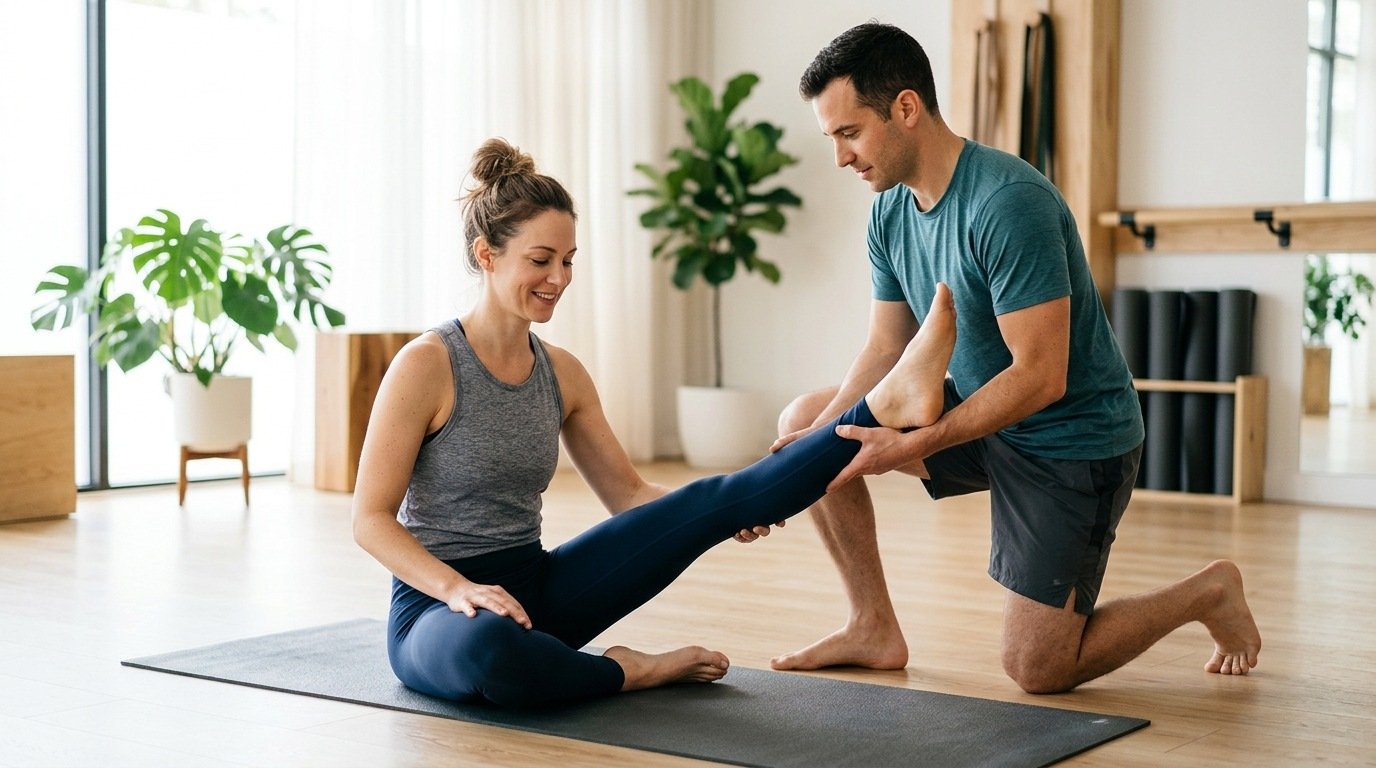
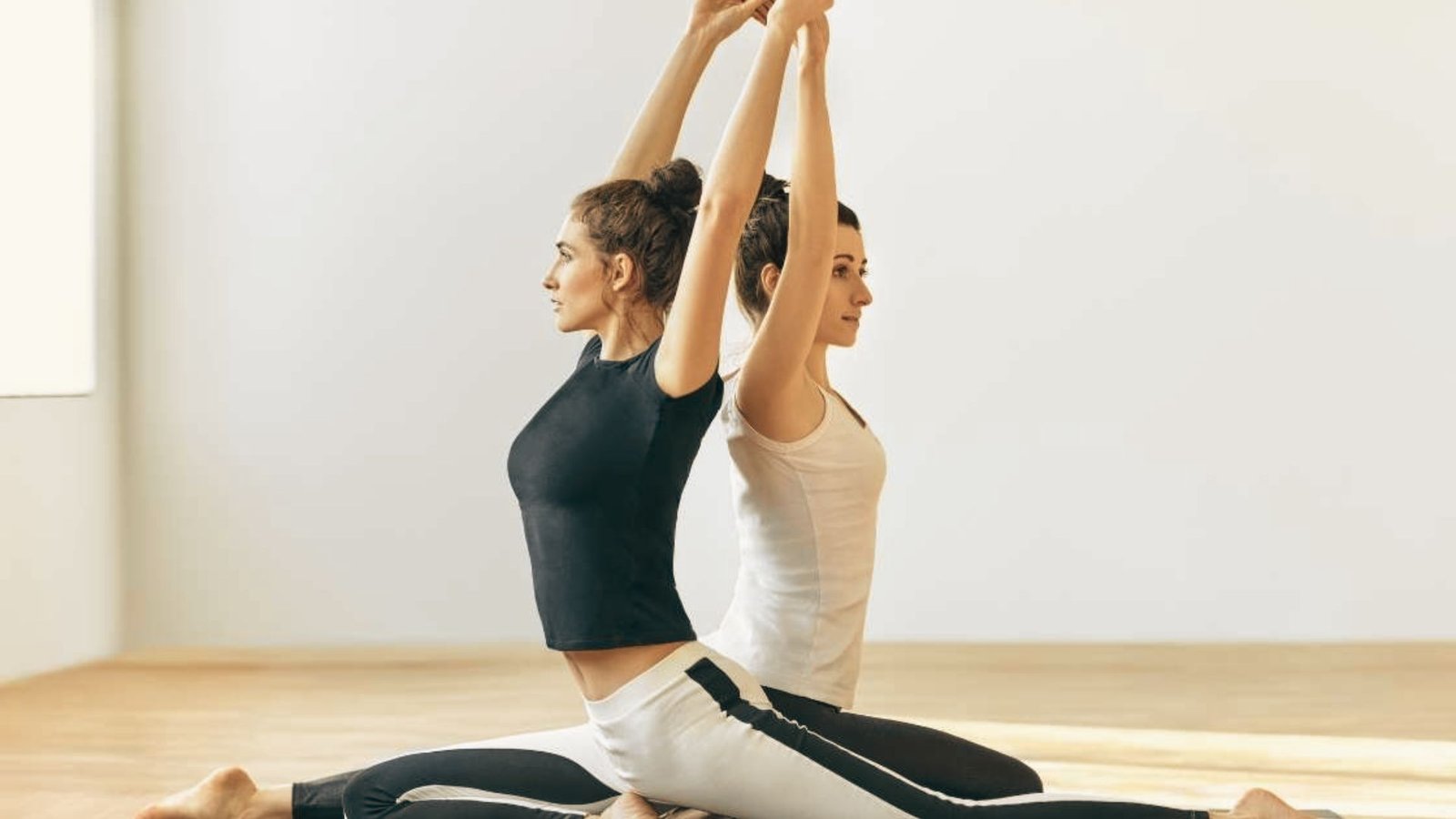
This type uses a partner to help move your body deeper into a stretch while you stay fully relaxed. The partner applies light, controlled pressure to increase the stretch safely.
Common examples include hamstring stretches where a partner lifts your leg, assisted quad stretches, and shoulder stretches where a partner gently guides your arm.
It helps reach a deeper range than solo stretching.
Gravity-Based Passive Stretching
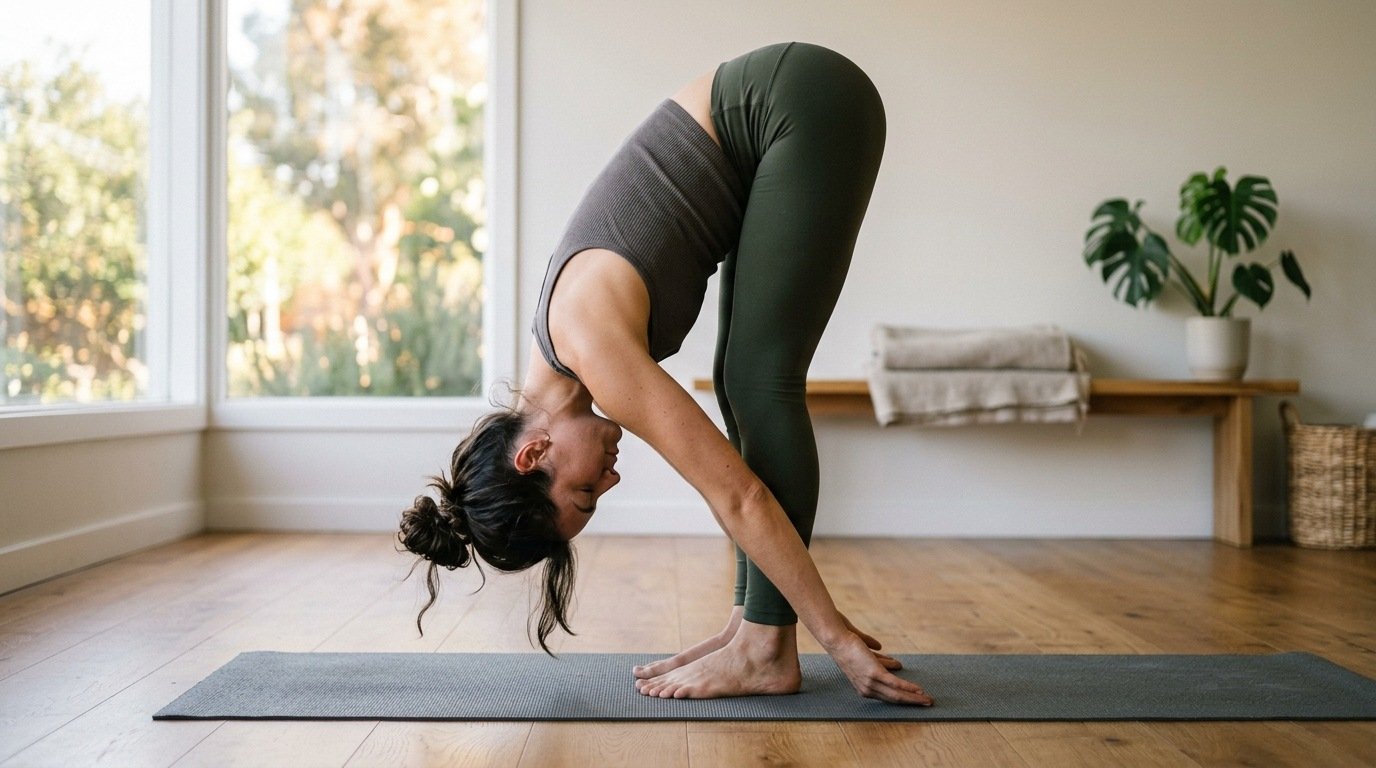
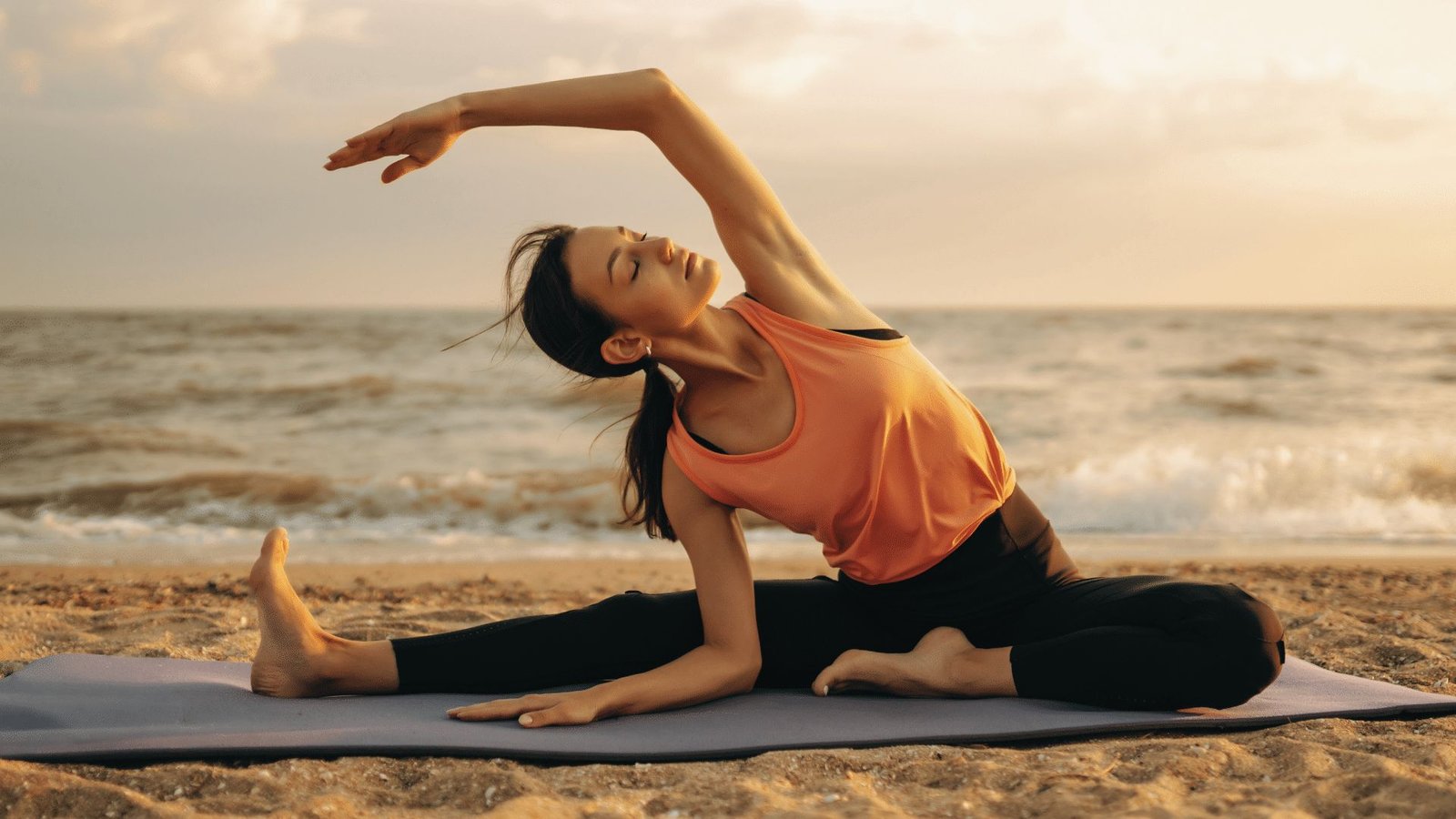
Gravity-based passive stretching uses your body position and gravity to create the stretch without extra force. You simply hold a position where gravity naturally deepens the stretch.
Examples include hanging forward folds, inverted stretches, or lying supported backbends. It is simple, effective, and requires no partner or equipment, making it easy to practice anywhere.
Prop-Assisted Passive Stretching
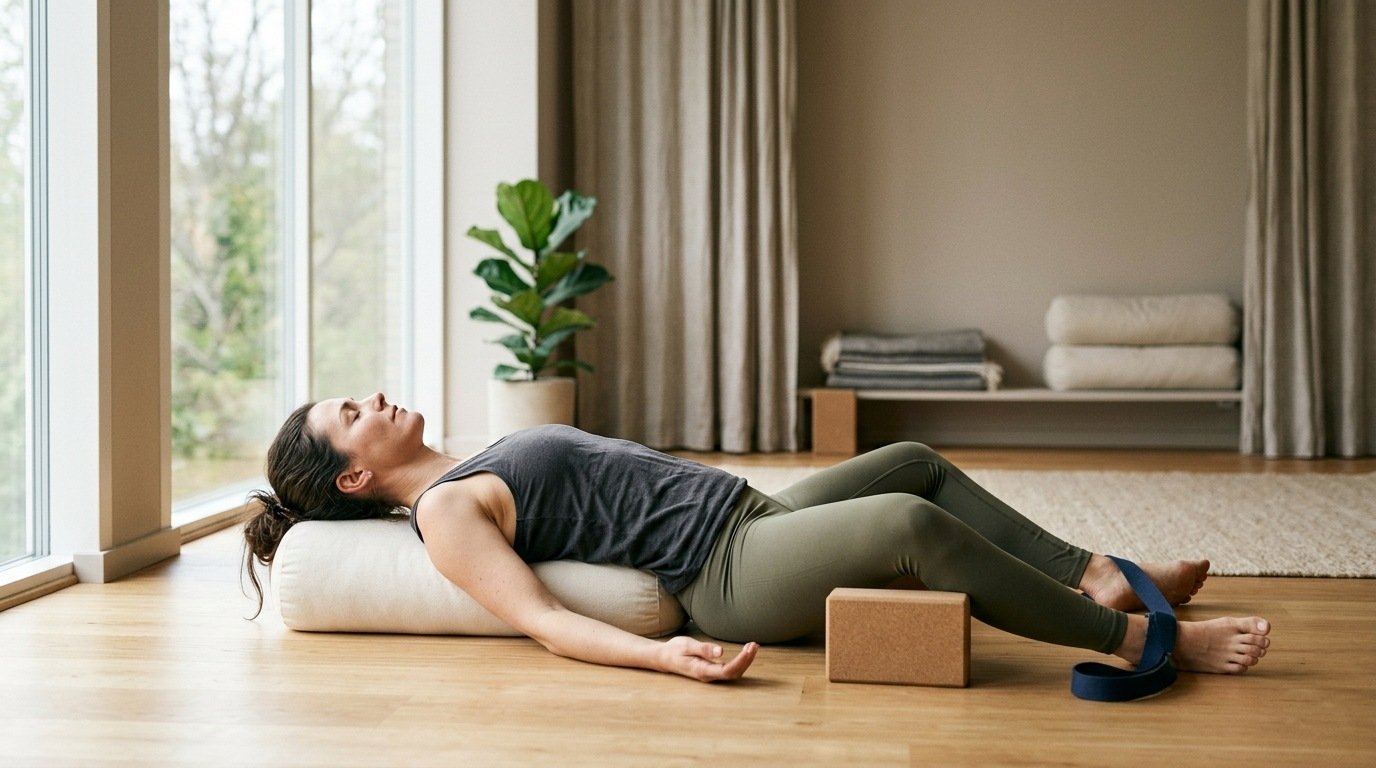
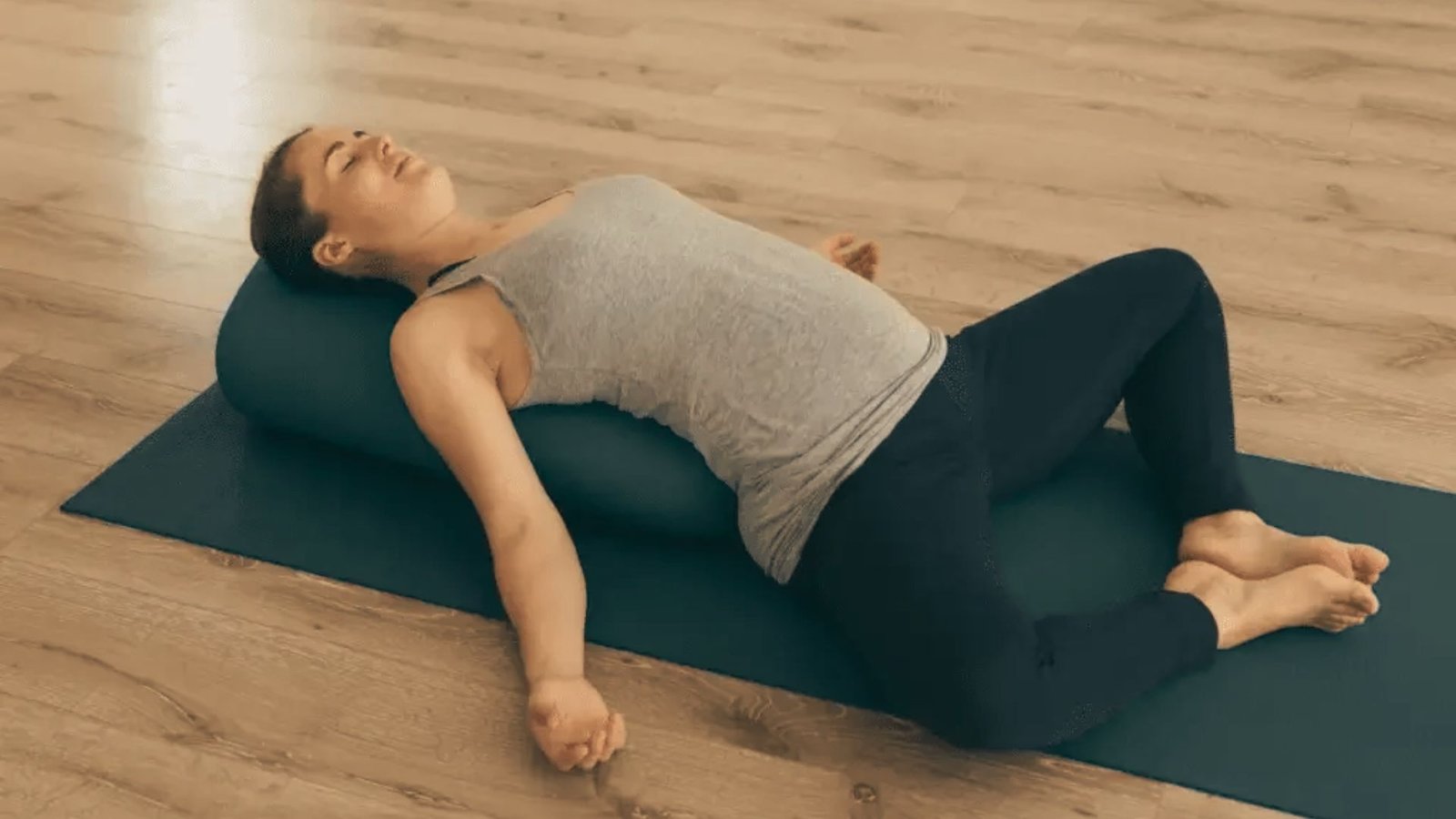
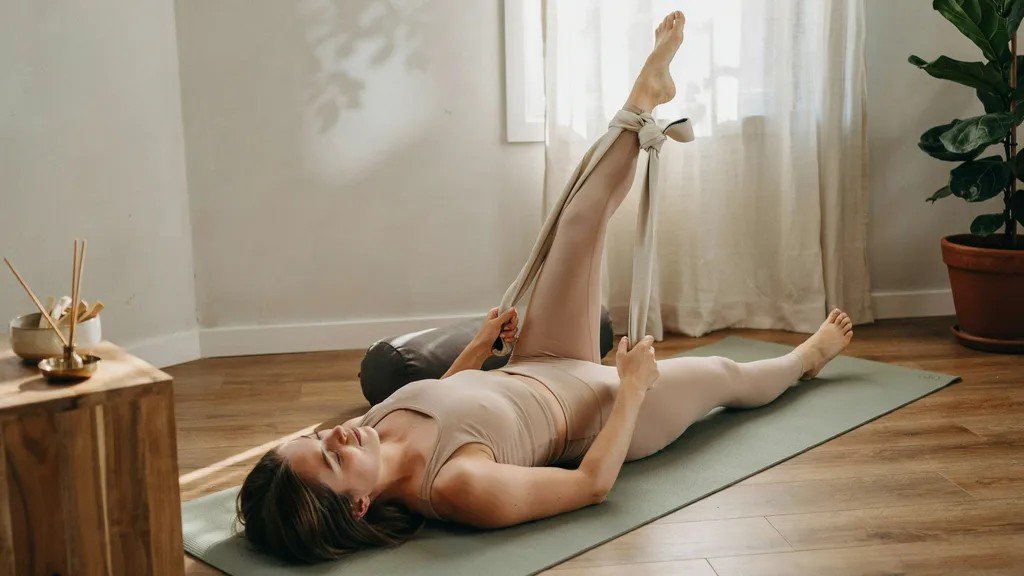
Prop-assisted passive stretching uses tools like straps, resistance bands, yoga blocks, or bolsters to support the body. These props help you hold stretches longer and with better control.
It is especially useful for beginners or people with limited flexibility, as it reduces strain while still allowing gradual improvement in range of motion.
Static Passive Stretching
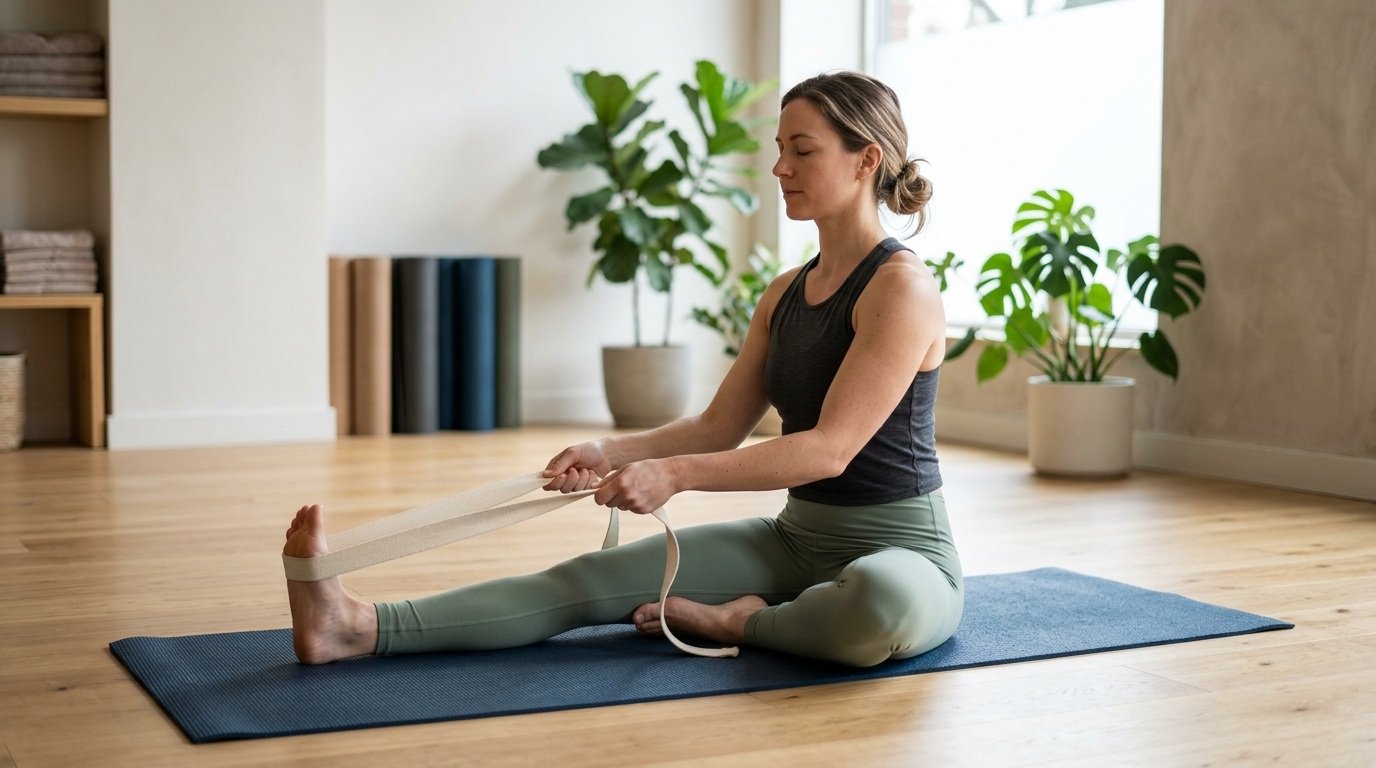
Static passive stretching means holding a stretch position without any active muscle engagement. You stay still while an external force or support keeps the stretch in place.
This method is commonly used in yoga and recovery routines. It helps improve flexibility over time by allowing muscles to relax fully and adapt to longer positions.
Benefits of Passive Stretching
Passive stretching offers several physical and recovery benefits that support better movement, relaxation, and overall flexibility when practiced regularly.
- Improves Flexibility: Helps increase muscle length and overall range of motion by allowing a deeper, supported stretch.
- Promotes Muscle Relaxation: Reduces tightness and helps the body unwind after exercise or long periods of activity.
- Supports Better Mobility: Enhances joint movement and improves how smoothly your body moves in daily tasks.
- May Reduce Muscle Stiffness: Helps ease stiffness, especially after workouts or long hours of sitting.
- Helps Improve Stretching Awareness: Builds better body control, alignment, and understanding of safe stretching limits.
Common Passive Stretching Exercises
These simple stretches target major muscle groups and help improve overall flexibility when done correctly.
Hamstring Stretch
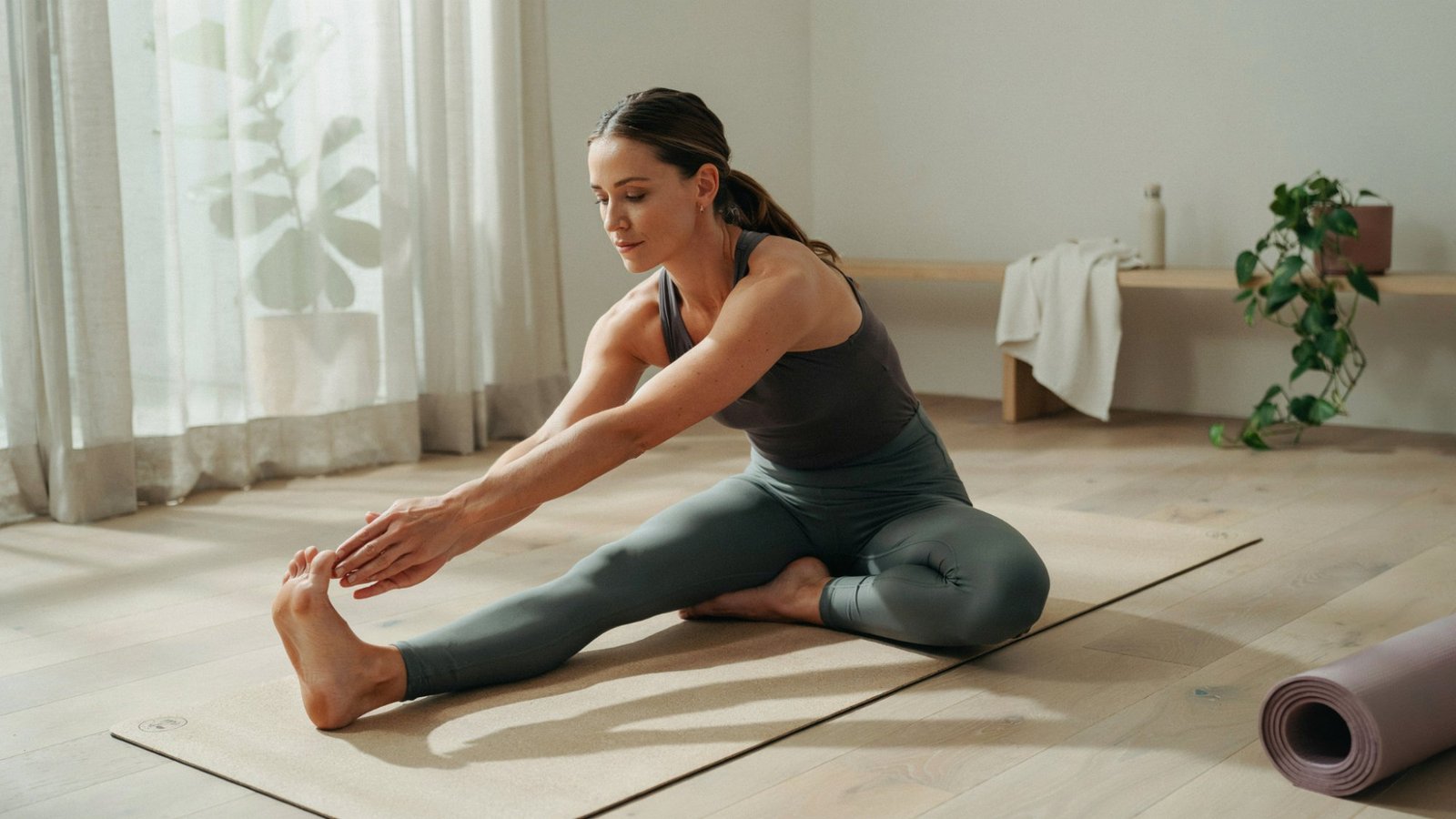
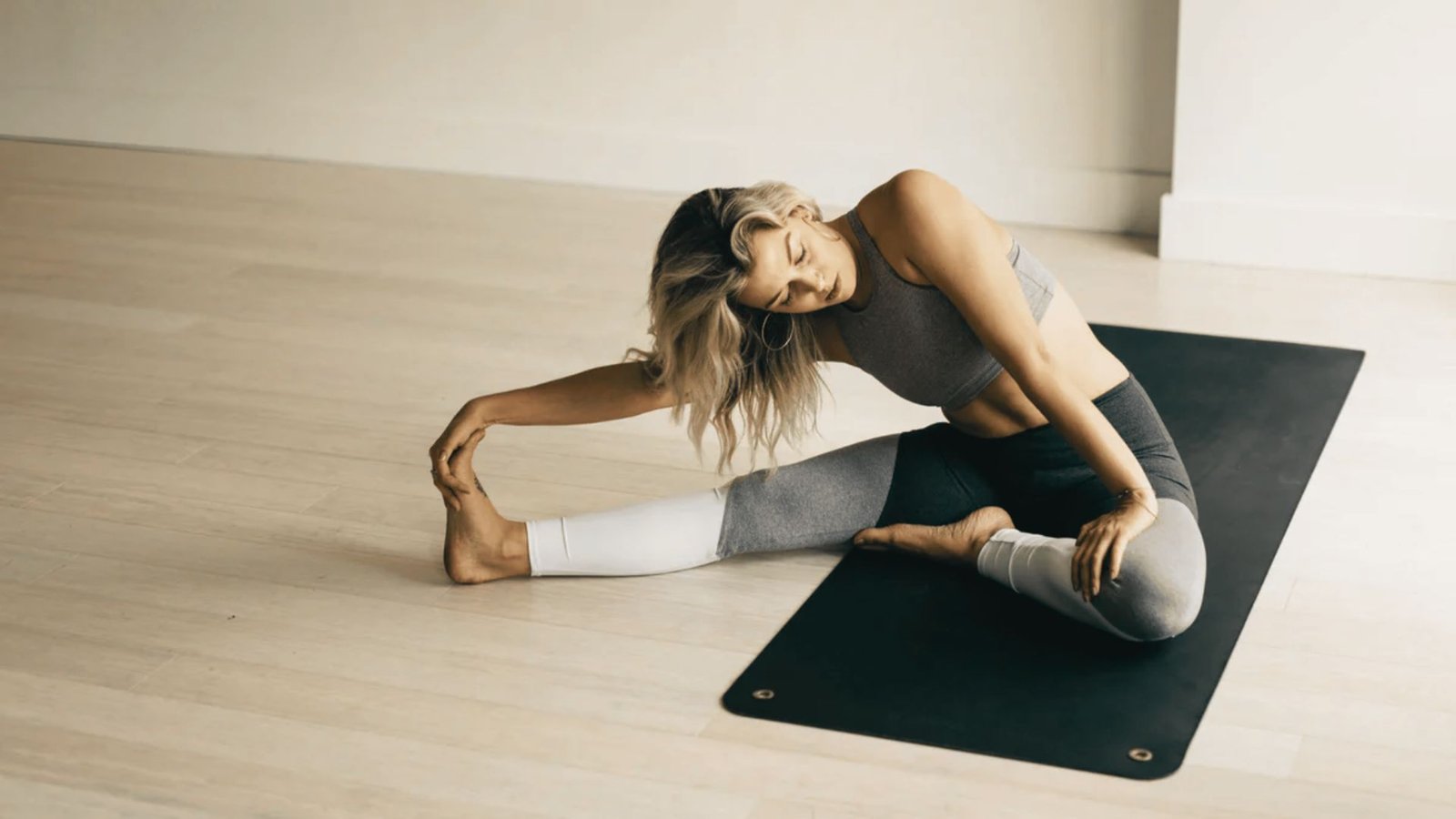
Targets the back of the thighs. It is done by gently extending the leg while keeping the body relaxed to improve lower body flexibility.
Butterfly Stretch
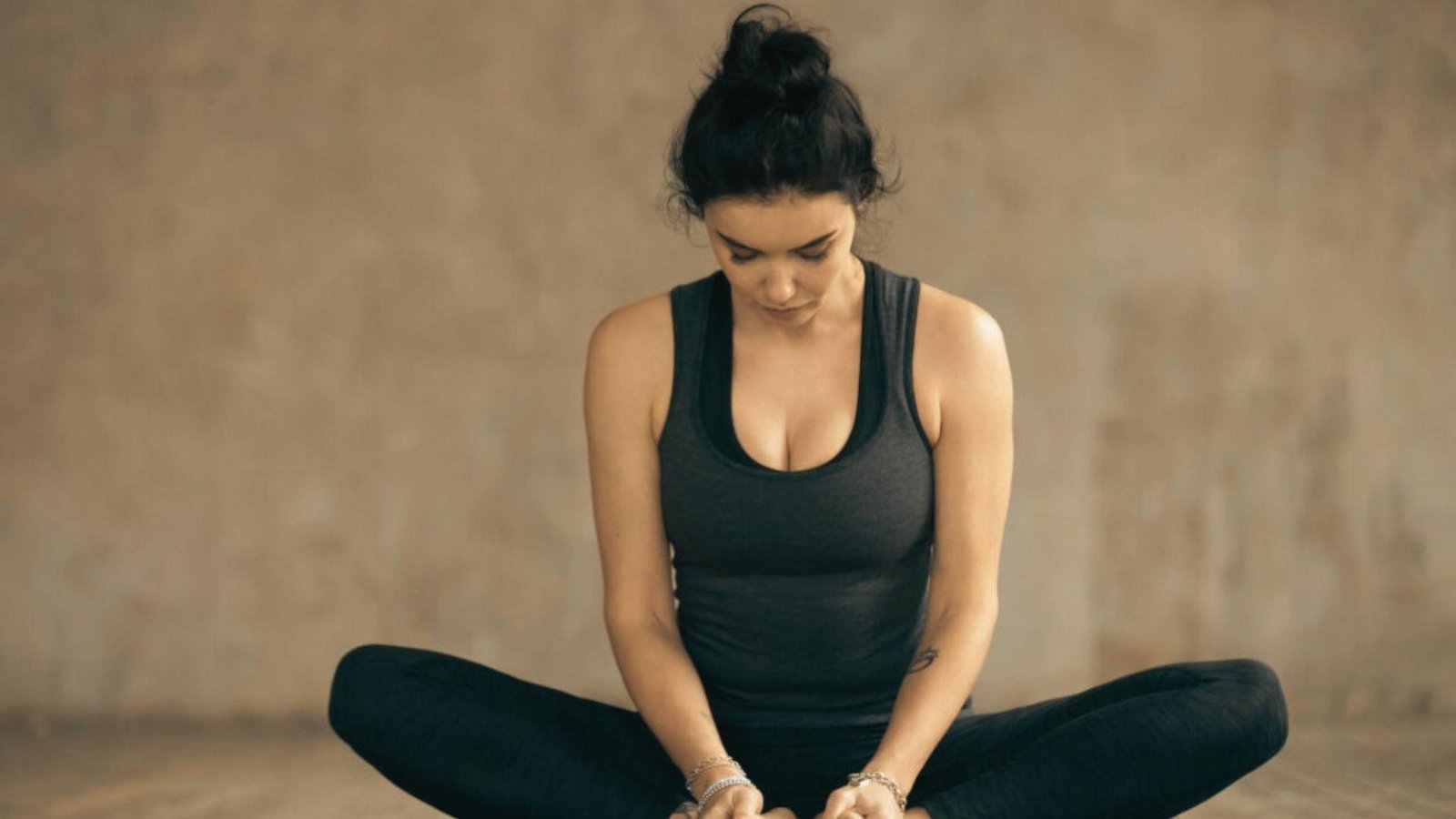
Focuses on the hips and inner thighs. The soles of the feet are brought together while the knees drop outward gently.
Seated Forward Fold
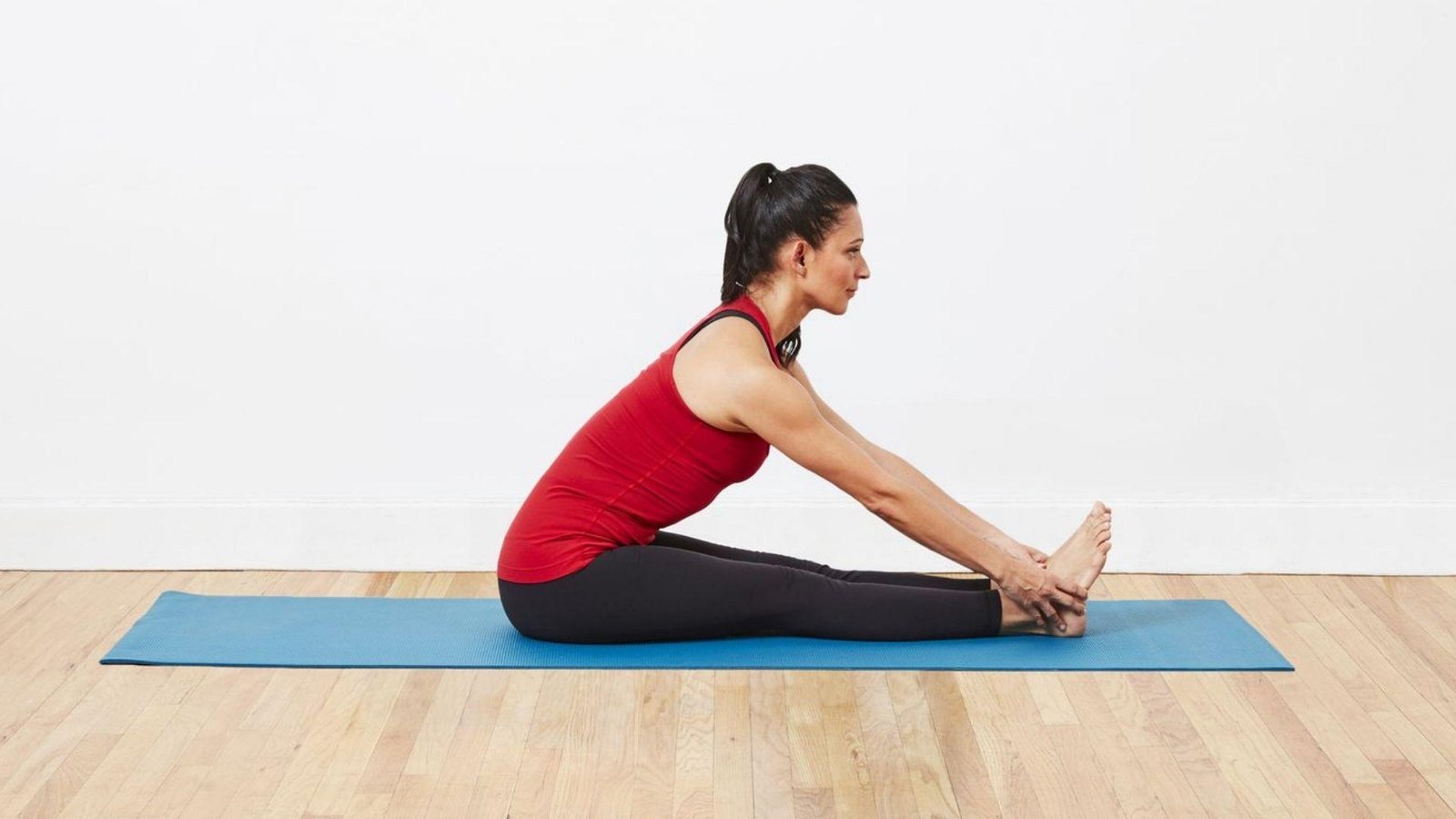
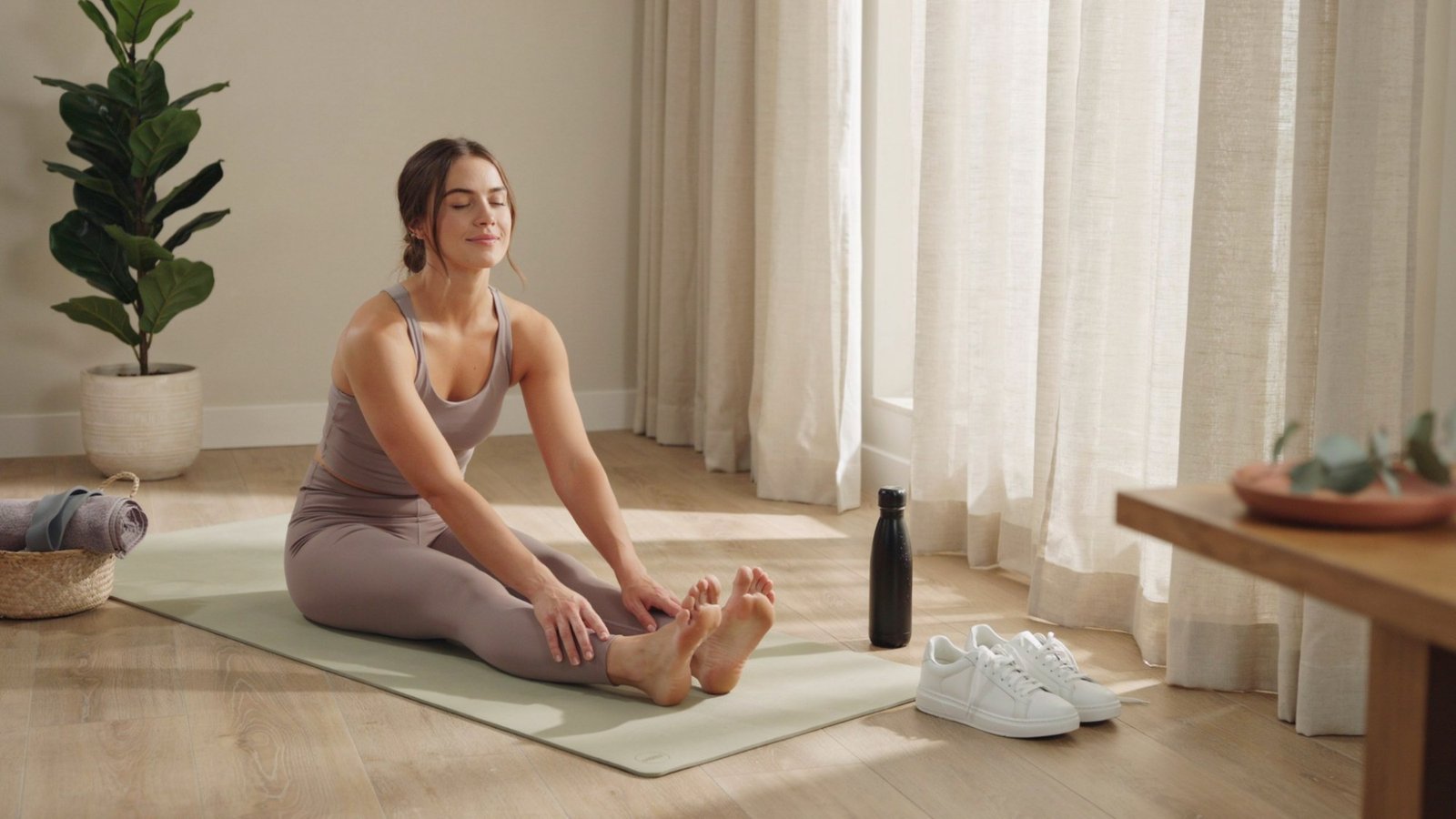
Stretches the back and hamstrings. You sit with legs extended and slowly lean forward while staying relaxed and supported.
Shoulder Stretch
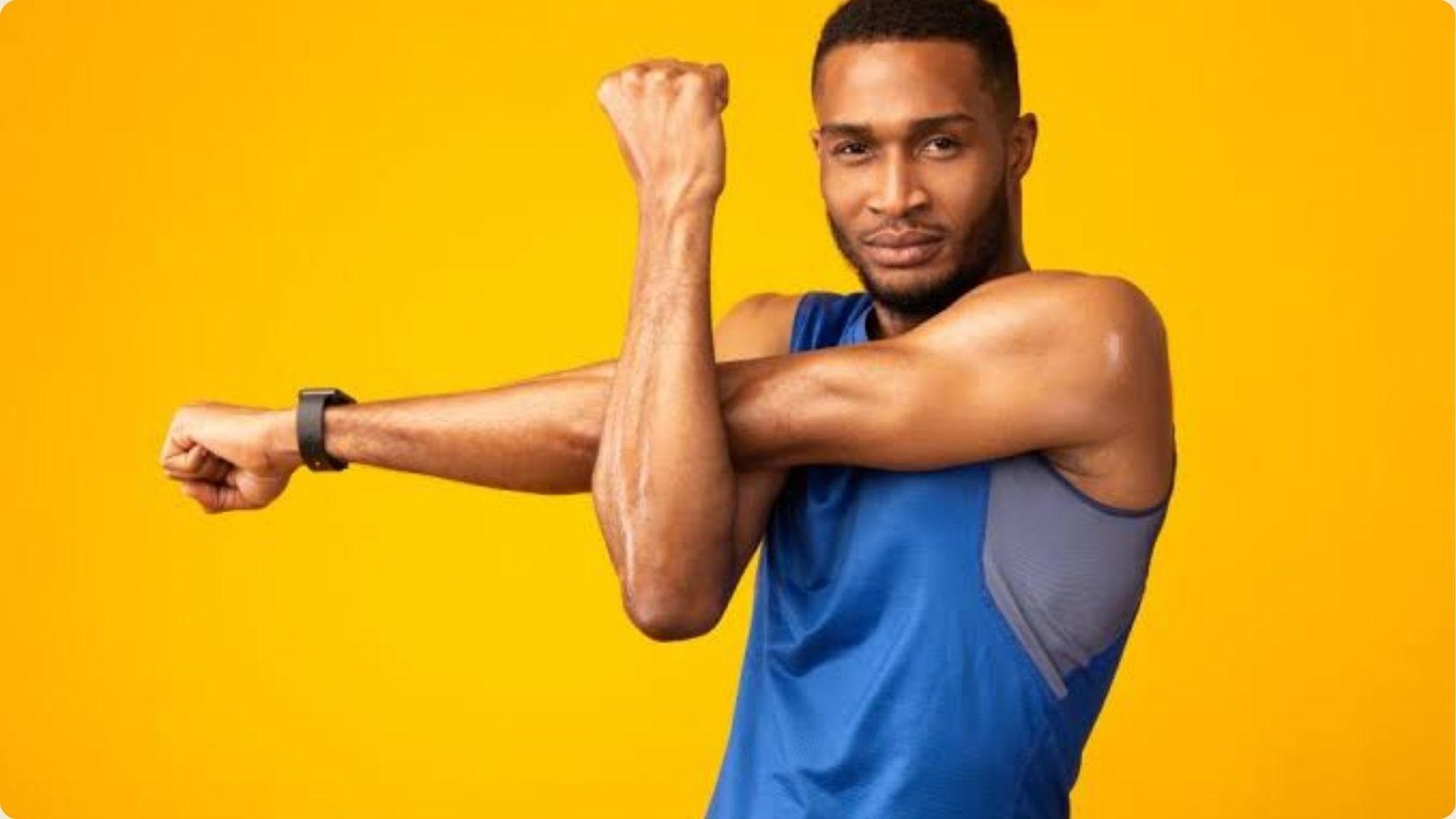
Improves upper body mobility. The arm is gently pulled across the chest using the opposite hand or support.
Passive Stretching vs Active Stretching
Both passive and active stretching improve flexibility, but they work in different ways and are useful in different training situations.
| Aspect | Passive Stretching | Active Stretching |
| Effort | Low muscle effort | Uses your own muscle strength |
| Assistance | Needs partner, props, or gravity | No external help |
| Control | External support controls stretch | You control the movement |
| Main goal | Flexibility and relaxation | Strength and mobility |
| When used | After workouts, recovery | Warm-ups, training prep |
| Stretch depth | Deeper stretch possible | Moderate, controlled stretch |
| Muscle work | Muscles stay relaxed | Muscles stay active |
How to Perform Passive Stretching Safely
Safe practice is important in passive stretching to avoid strain and get the best flexibility benefits over time.
- Warm up before deeper stretches: Prepare your muscles with light movement first.
- Move slowly and avoid bouncing: Keep all movements controlled and steady.
- Hold stretches comfortably: Stay within a range that feels manageable.
- Avoid forcing painful positions: Stretch should never feel sharp or painful.
- Focus on breathing and relaxation: Deep breathing helps muscles loosen.
- Know your flexibility limits: Respect your current range and progress gradually.
When Should You Do Passive Stretching?
Timing matters because passive stretching works best when your body is warm or in a relaxed state.
- After workouts: Helps reduce tightness and supports recovery.
- During flexibility training sessions: Improves range of motion over time.
- As part of recovery routines: Eases muscle stiffness and tension.
- During relaxation practices like yoga: Supports calm breathing and body release.
Conclusion
If you’ve made it this far, you’re already taking a positive step toward better movement and body awareness.
Passive stretching is simple, but it can truly change how your body feels over time when done with care and patience.
I’ve seen how small, consistent practice makes muscles feel lighter and less tight in daily life. Try adding it after your workouts or even on slow days, and notice the difference yourself.
Share your experience in the comments or try more related guides to keep learning and improving.
Frequently Asked Questions
Is passive stretching safe for beginners?
Yes, it is generally safe when done slowly and without force. Beginners should focus on comfort and control.
How long should I hold a passive stretch?
Most stretches are held for 15–60 seconds. This allows muscles to relax and gradually lengthen.
Can passive stretching improve flexibility?
Yes, regular practice helps improve range of motion over time. Consistency is key for better results.
Should I feel pain during passive stretching?
No, you should never feel sharp pain. A gentle stretch sensation is normal and safe.
Can I do passive stretching every day?
Yes, it can be done daily if performed gently. Just avoid over-stretching tired or sore muscles.