Yin yoga is slow, still, and genuinely good for your body. If you have been looking for a way to ease tight muscles, calm a busy mind, or simply slow down, this is for you.
This blog covers 13 beginner yin yoga postures, what each one does, and why regular practice makes a real difference.
I have practiced yin yoga during some of my most stressful periods, and it never failed to help. It works on a deeper level than most people expect.
You will find clear explanations, honest benefits, and simple tips to get started safely and confidently. Everything here is straightforward, practical, and written for real beginners.
Understanding Yin Yoga Postures
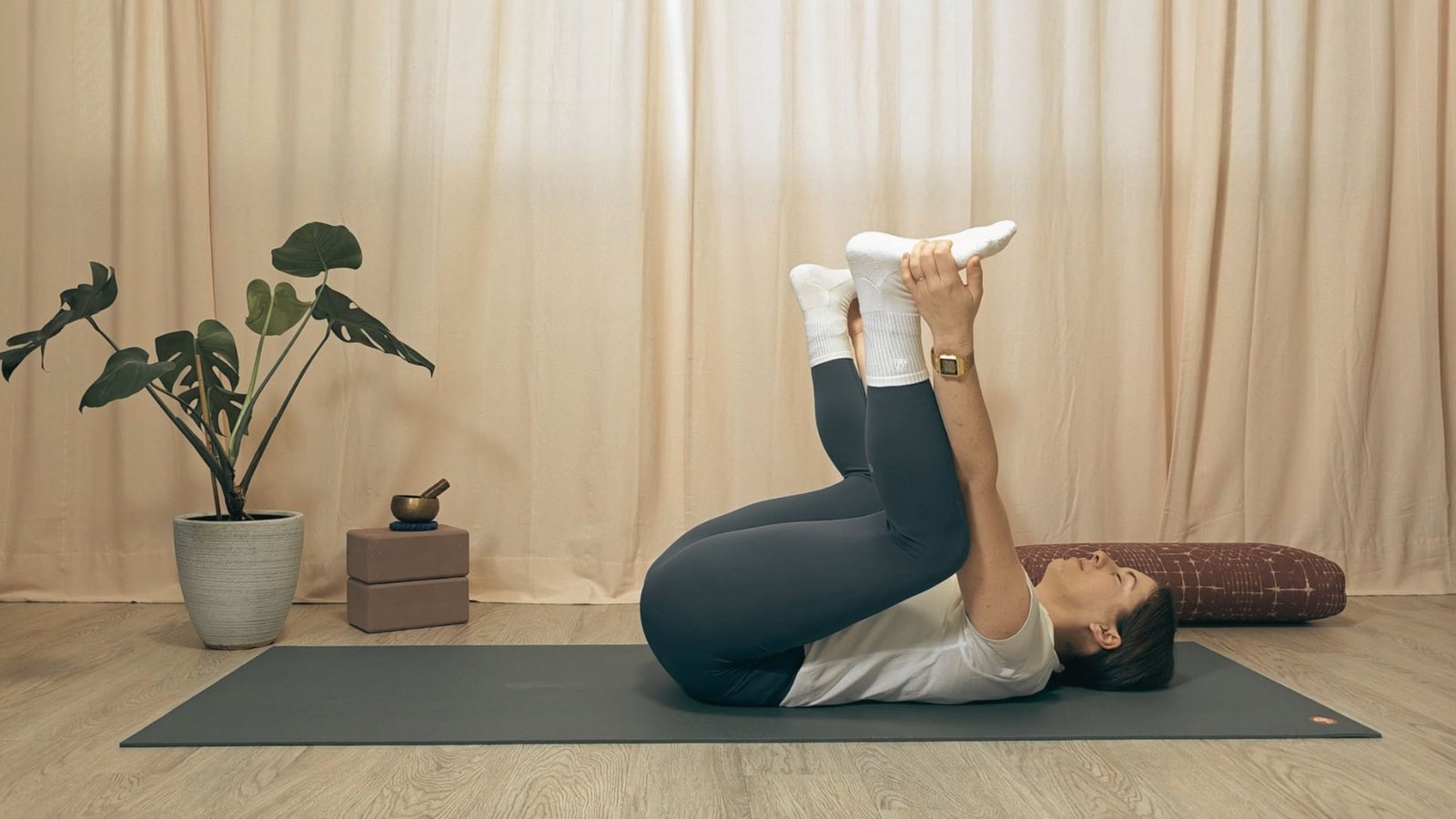
Yin yoga postures are slow, floor-based holds that work on the deep connective tissue in your body.
Most poses are held for two to five minutes. This long hold time is what makes yin yoga different from other styles. It gives the fascia, joints, and ligaments time to release tension that quick movement cannot reach.
The poses are gentle and simple. You do not need flexibility or prior experience to begin. Most are done seated or lying down.
Yin yoga focuses mainly on the hips, lower back, spine, and legs. These areas carry a lot of daily stress and stiffness, and yin yoga targets them directly.
13 Yin Yoga Postures for Beginners and Their Benefits
These 13 beginner-friendly yin yoga postures target the whole body and bring real, lasting results with consistent practice.
1. Butterfly Pose
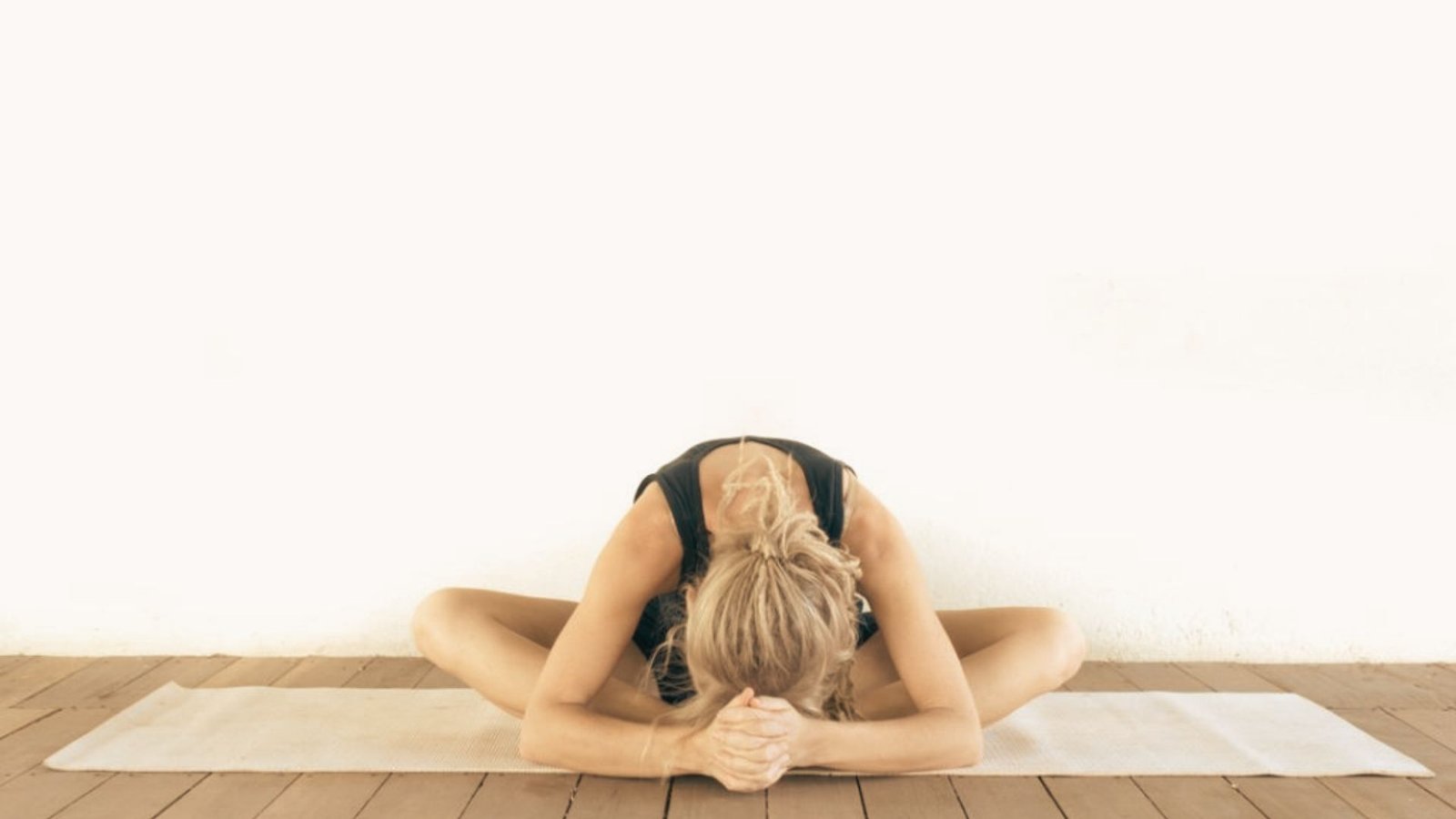
Sit with the soles of your feet together and knees opened out to the sides, then fold forward from the hips. Hold for two to five minutes to loosen the hips and lower back.
2. Child's Pose
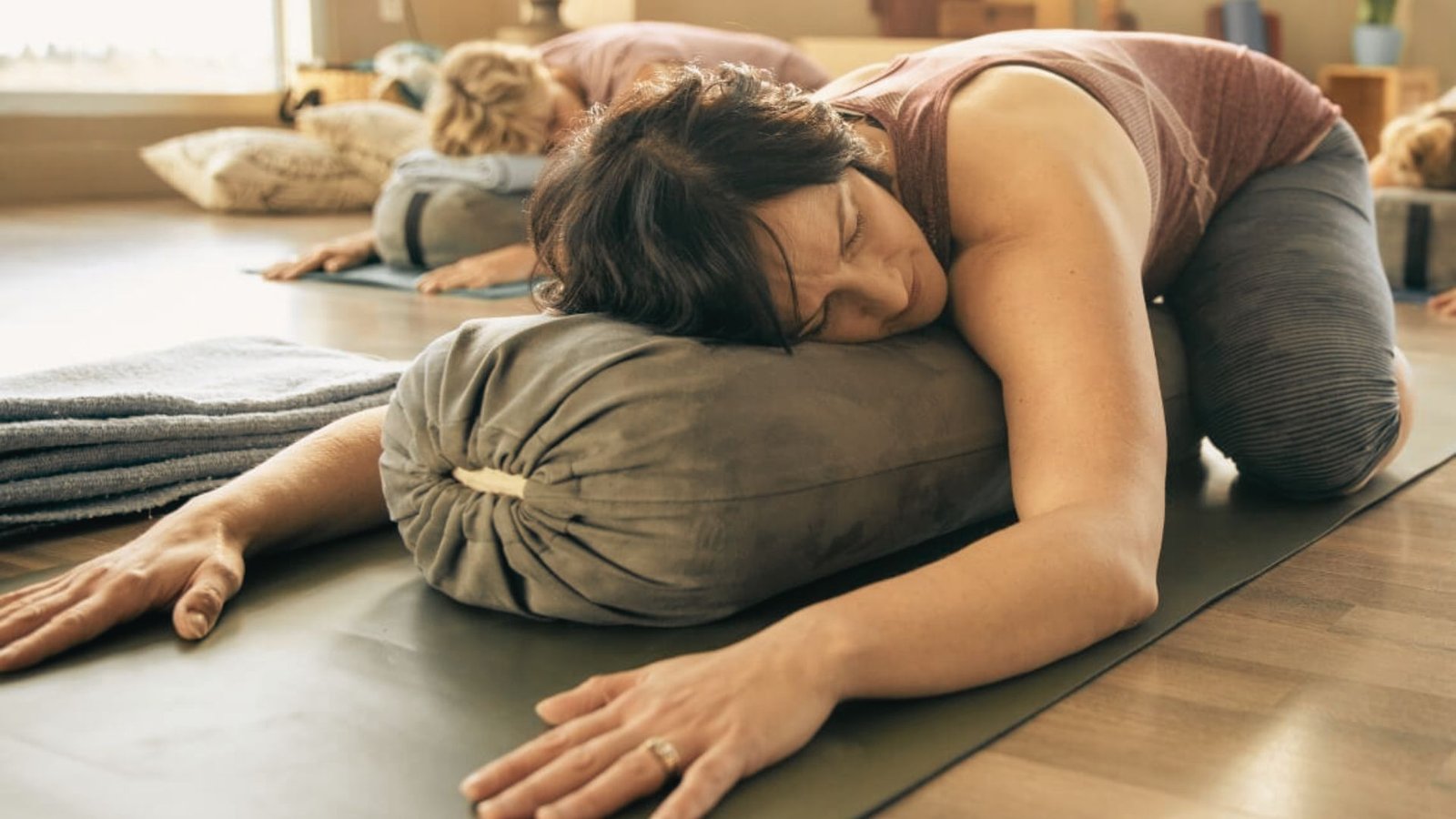
Kneel and sit back on your heels, then stretch your arms forward and rest your forehead on the mat. This pose calms the mind and gently opens the hips and shoulders.
3. Sphinx Pose
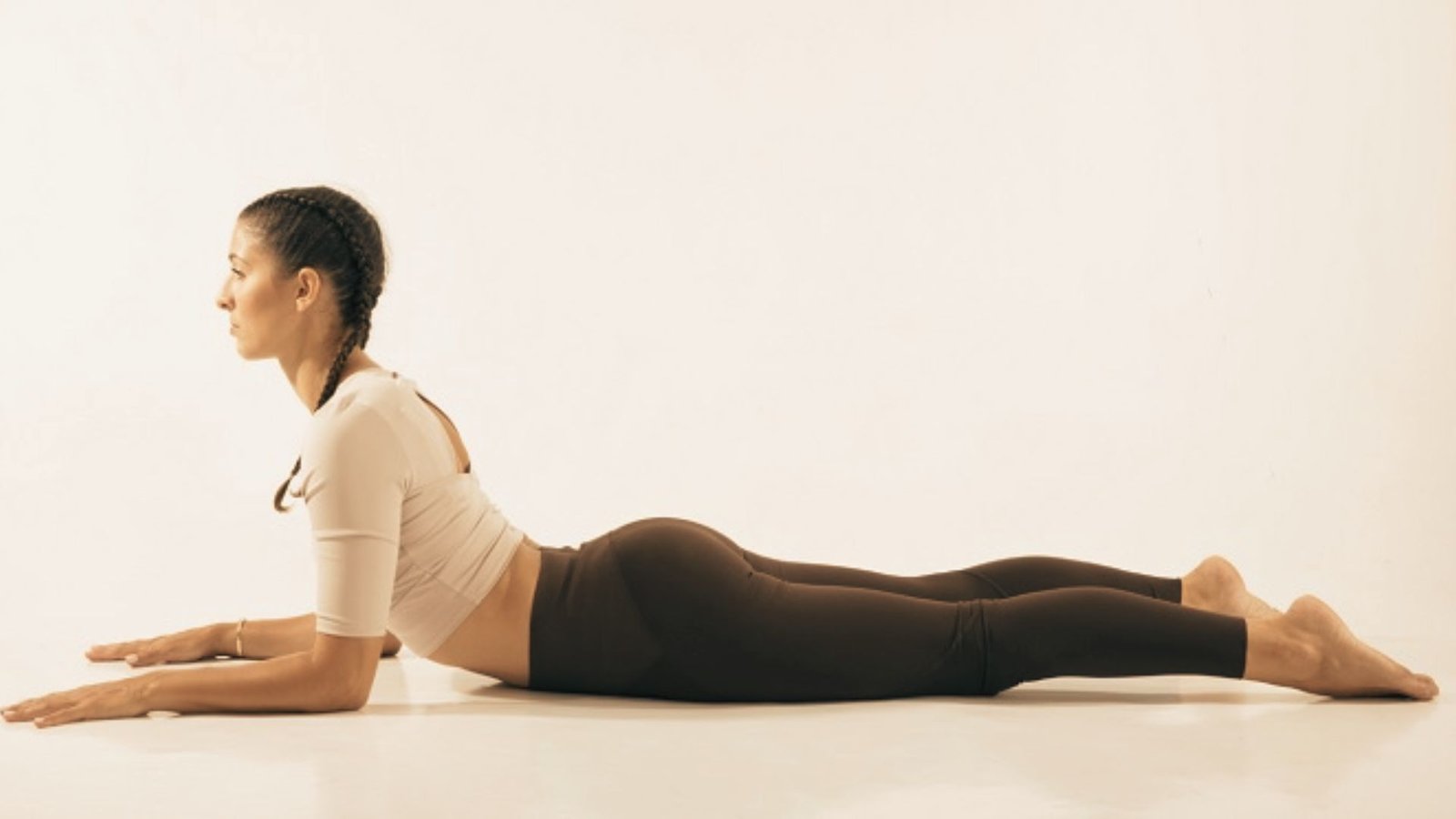
Lie on your stomach and prop yourself up on your forearms, keeping your hips on the floor. It opens the chest and supports the lower back without much effort.
4. Caterpillar Pose
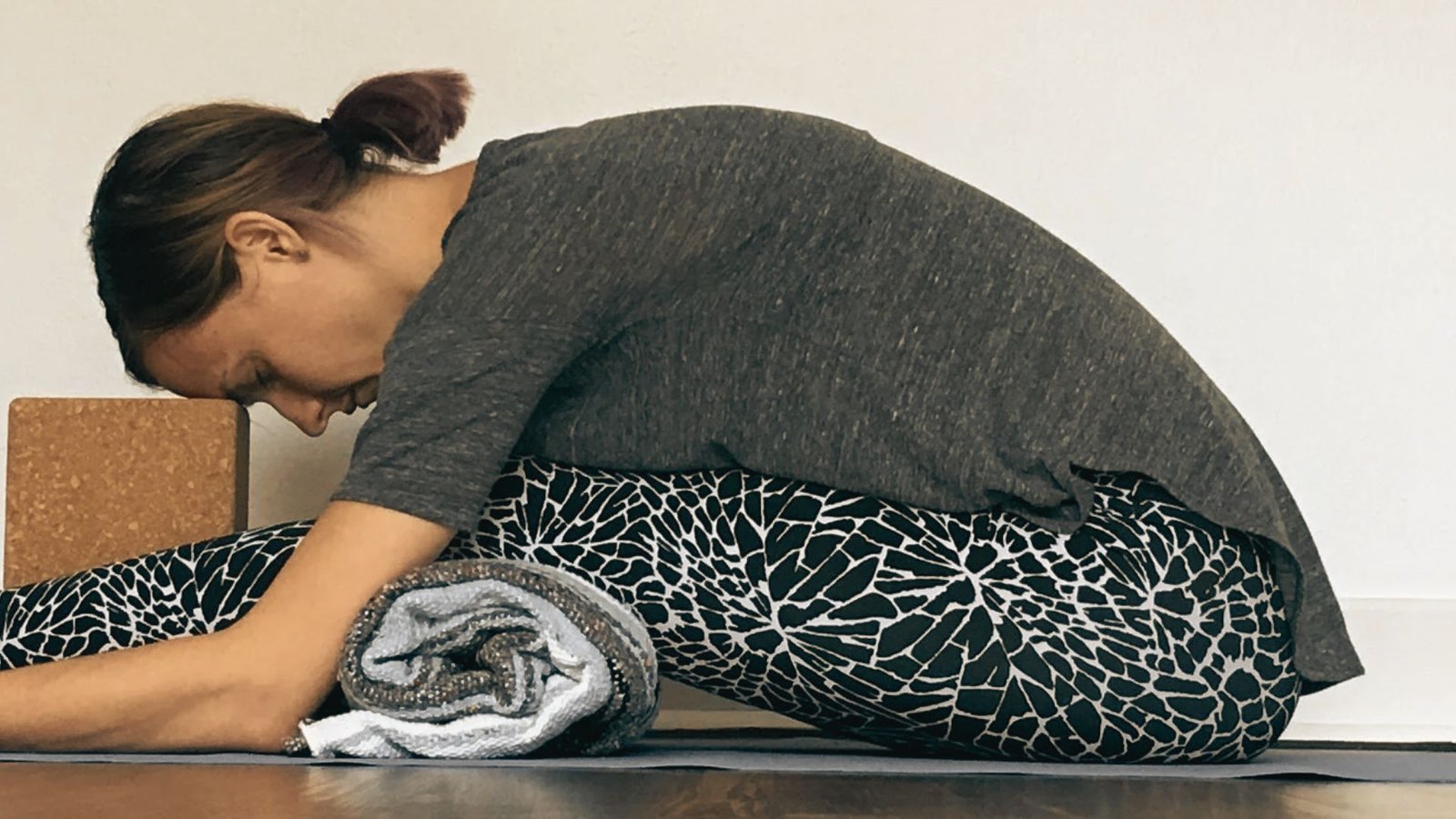
Sit with legs extended and fold forward over them, letting your back round naturally. This stretch works the hamstrings and spine while calming the nervous system.
5. Supported Bridge Pose
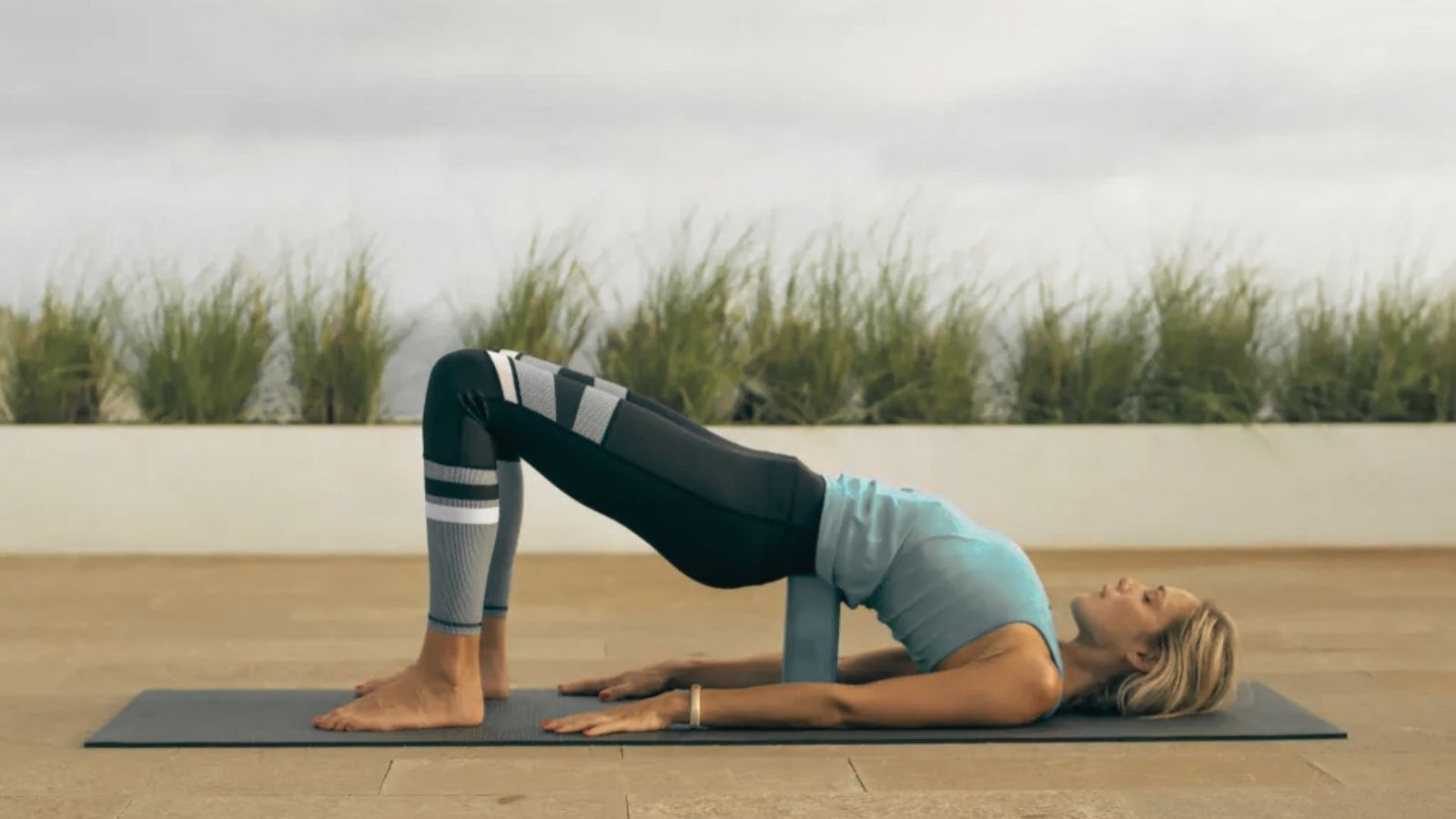
Lie on your back, bend your knees, and place a block or cushion under your hips. It opens the chest and hip flexors while letting your back rest.
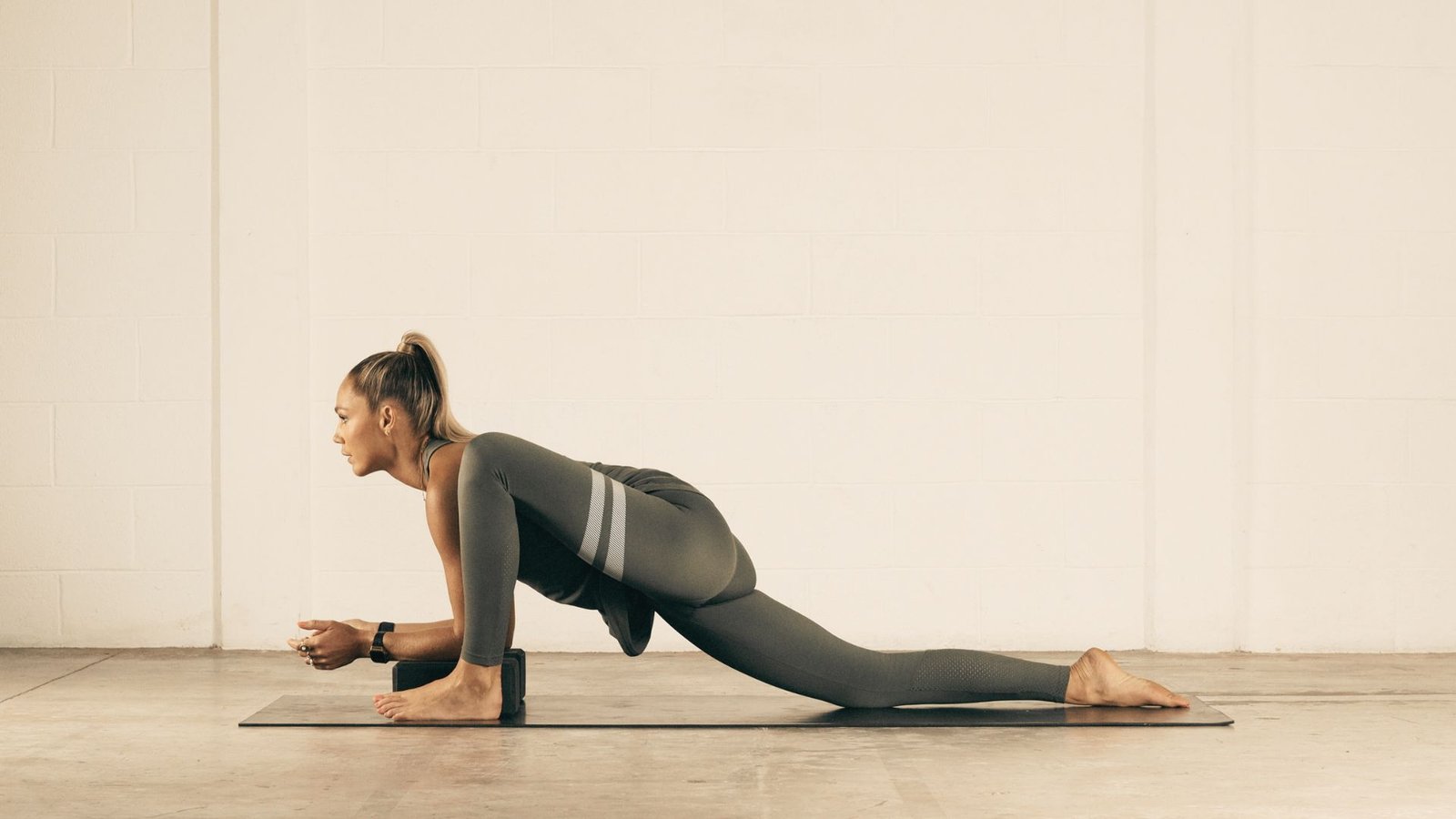
6. Dragon Pose
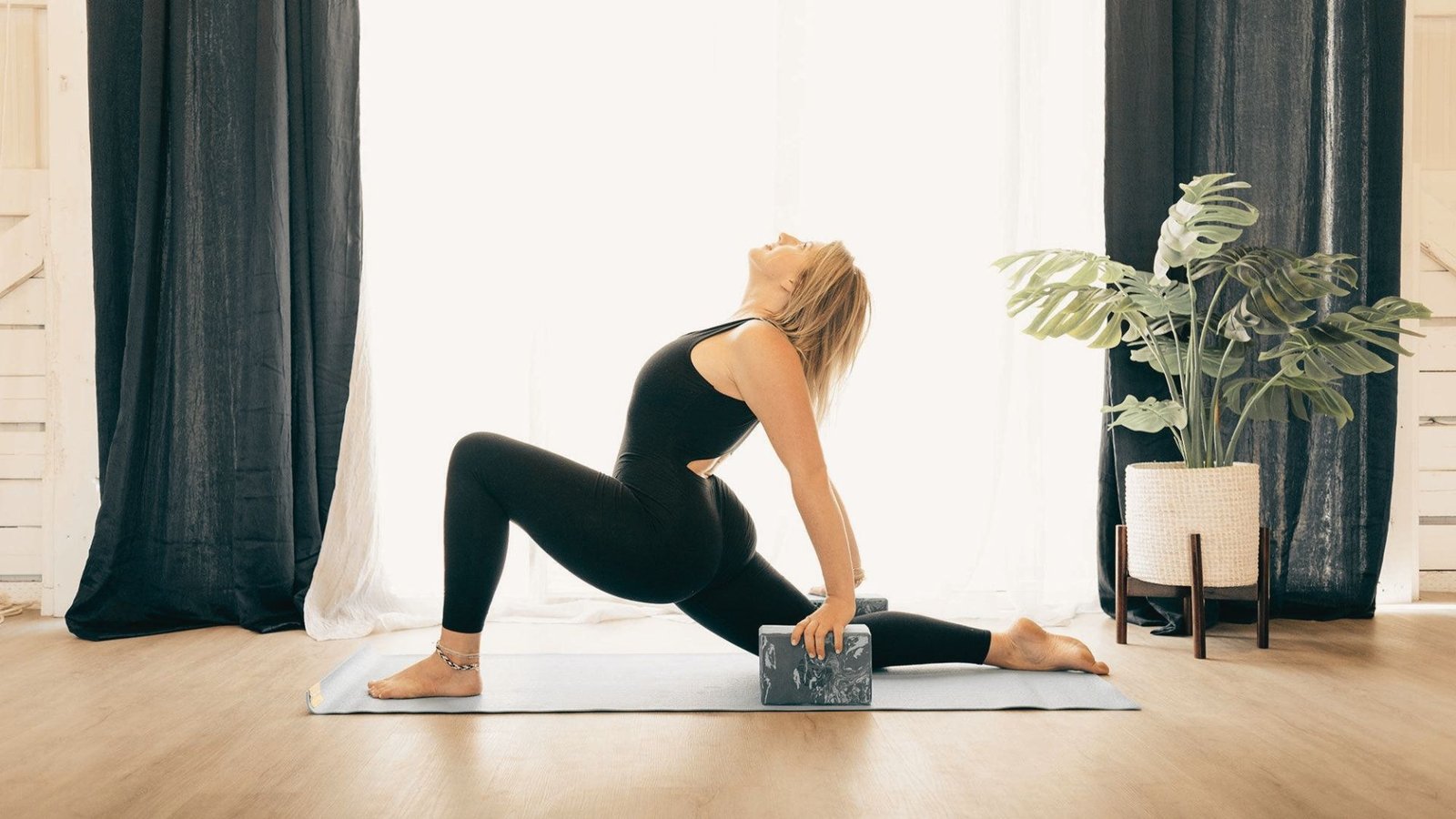
From a low lunge, lower your hips and let your front knee track forward. This deep stretch targets the hip flexors and the front of the back leg.
7. Sleeping Swan Pose
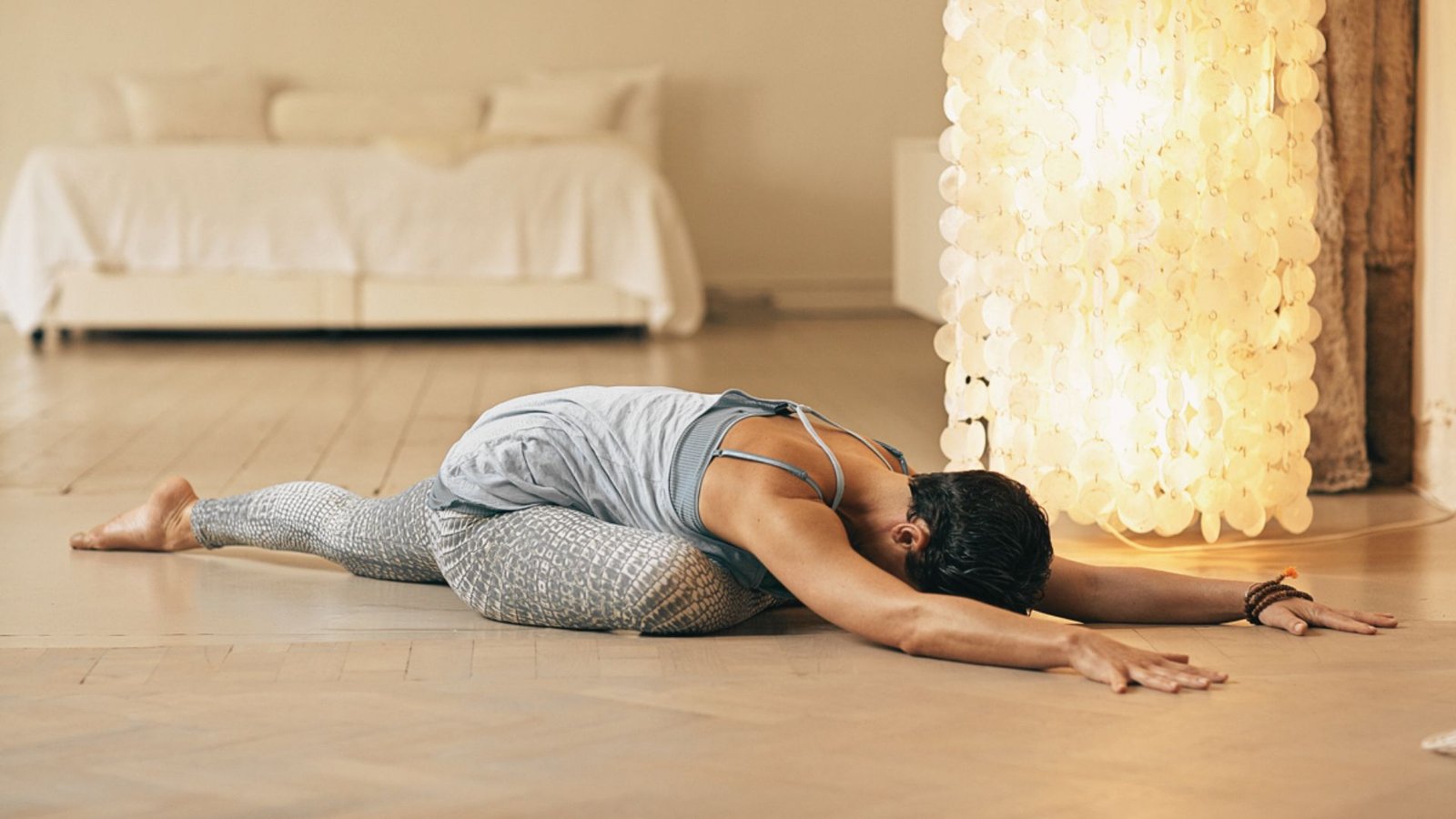
Bring one knee forward and stretch the opposite leg straight back, then fold over your front leg. It opens the hips and glutes more deeply than a regular pigeon pose.
8. Legs-Up-the-Wall Pose
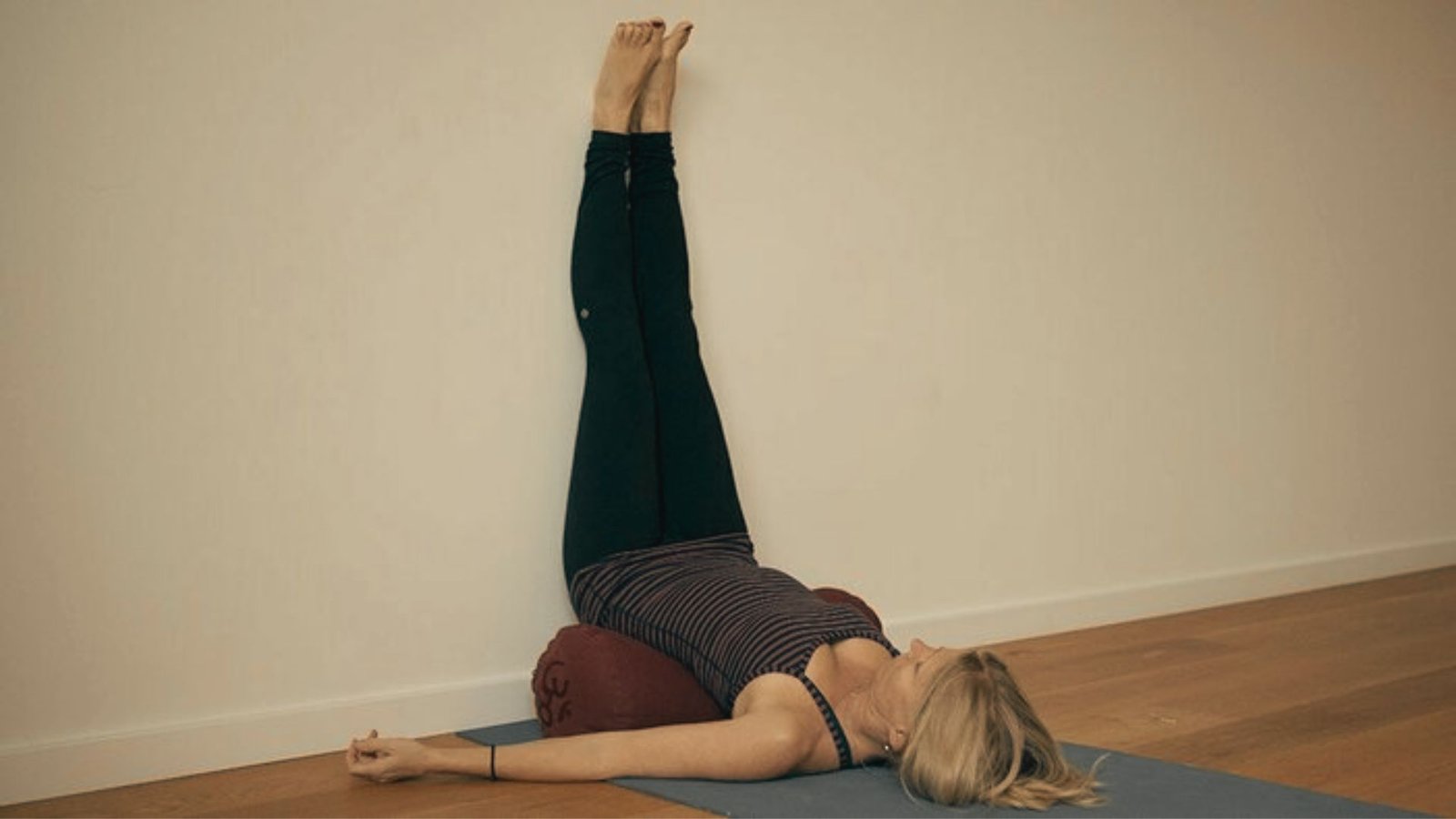
Lie on your back and rest your legs straight up against a wall. This pose eases tired legs and helps the body settle into a restful state.
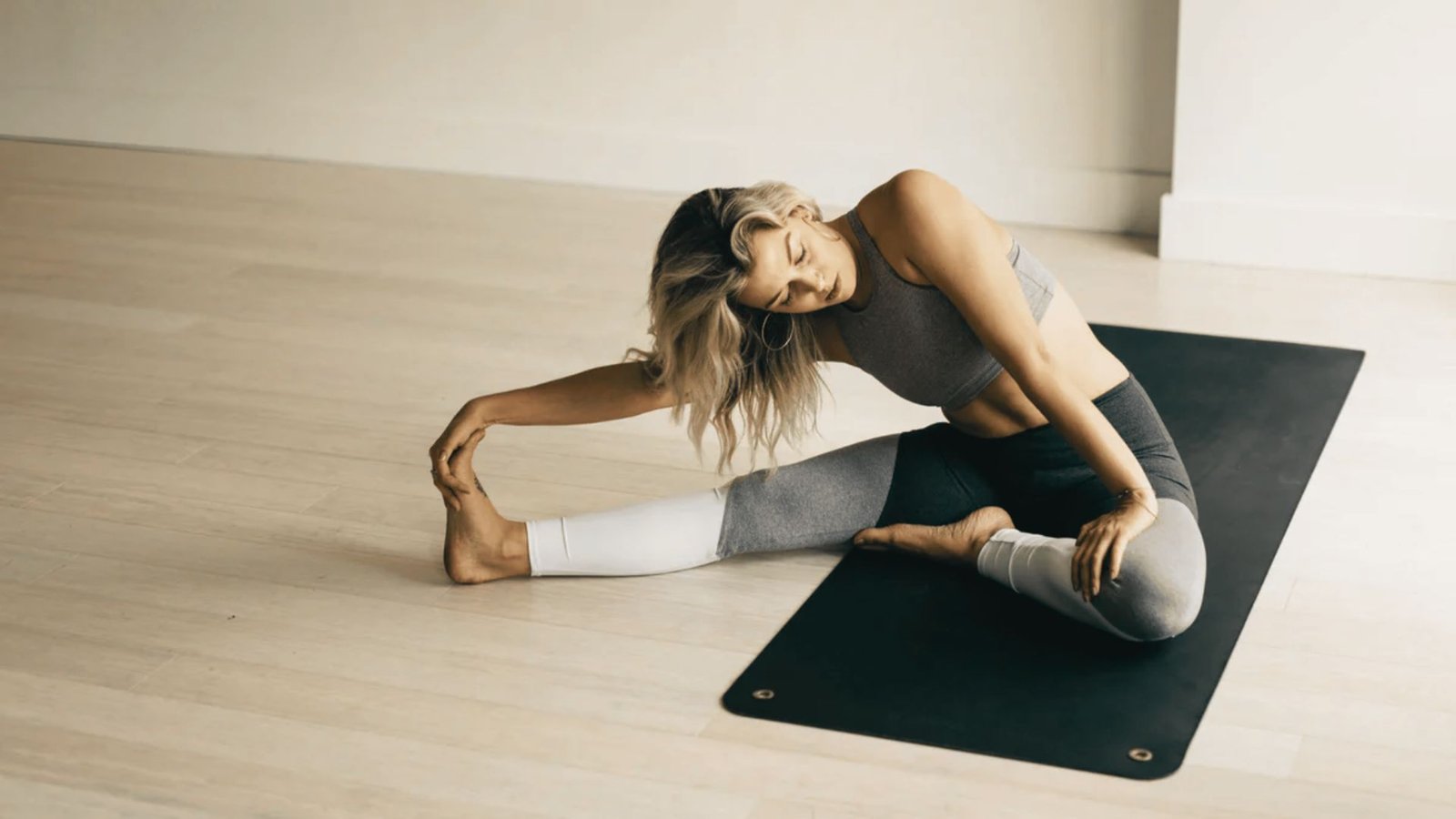
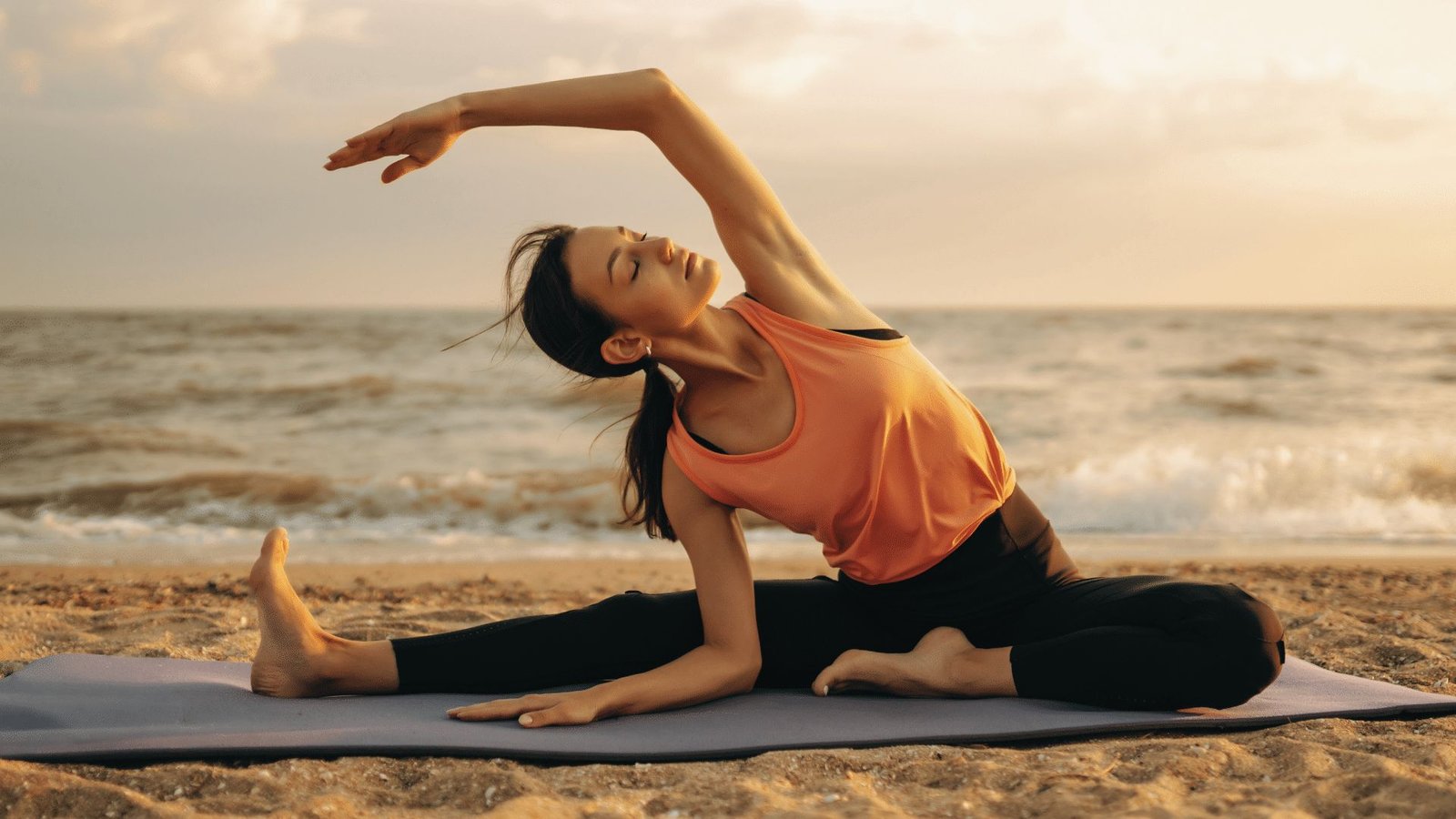
9. Half Butterfly Pose
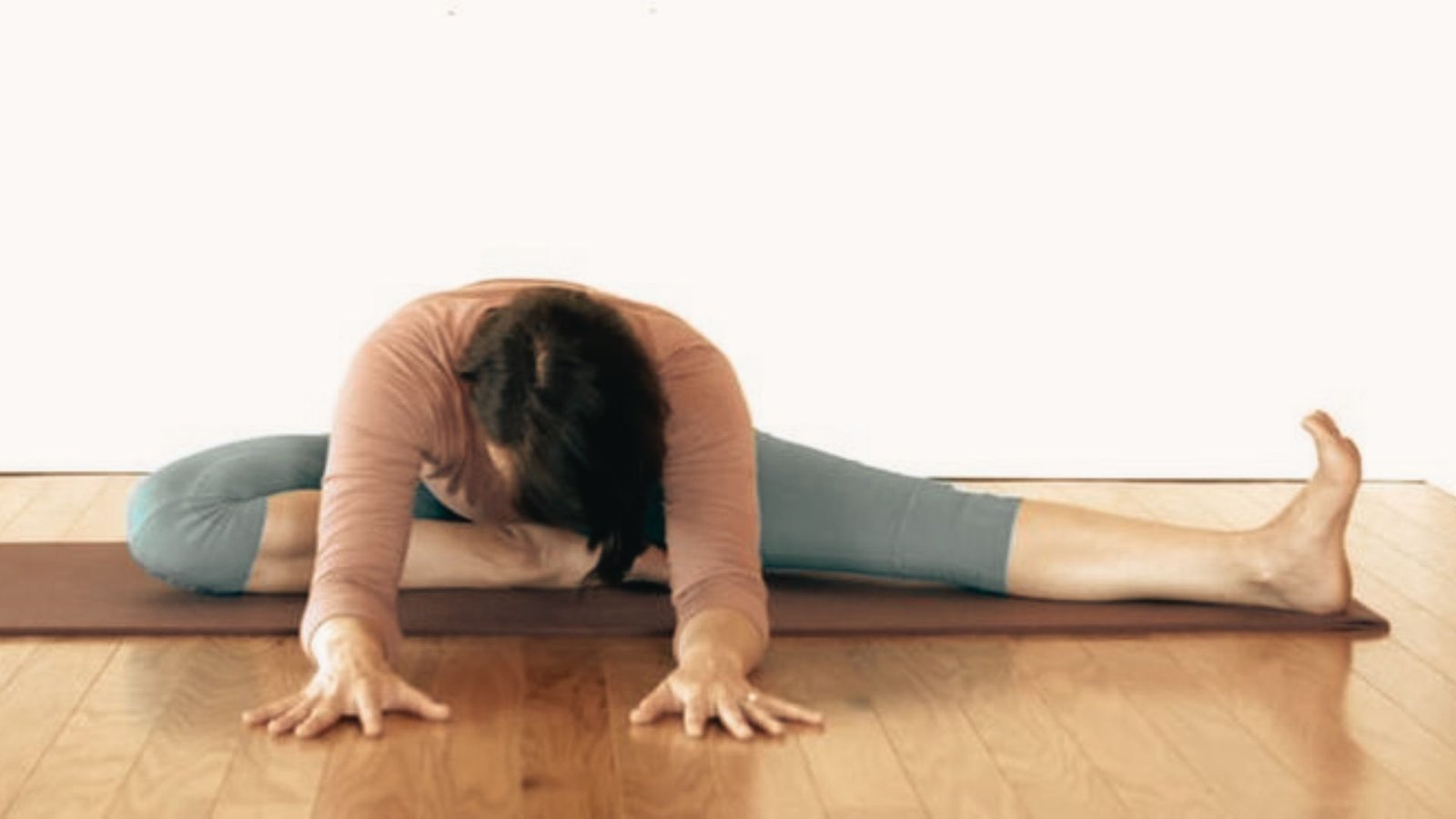
Sit with one leg bent and the other extended, then fold forward over the straight leg. It stretches one side at a time, which is gentler on tight hamstrings.
10. Reclined Spinal Twist
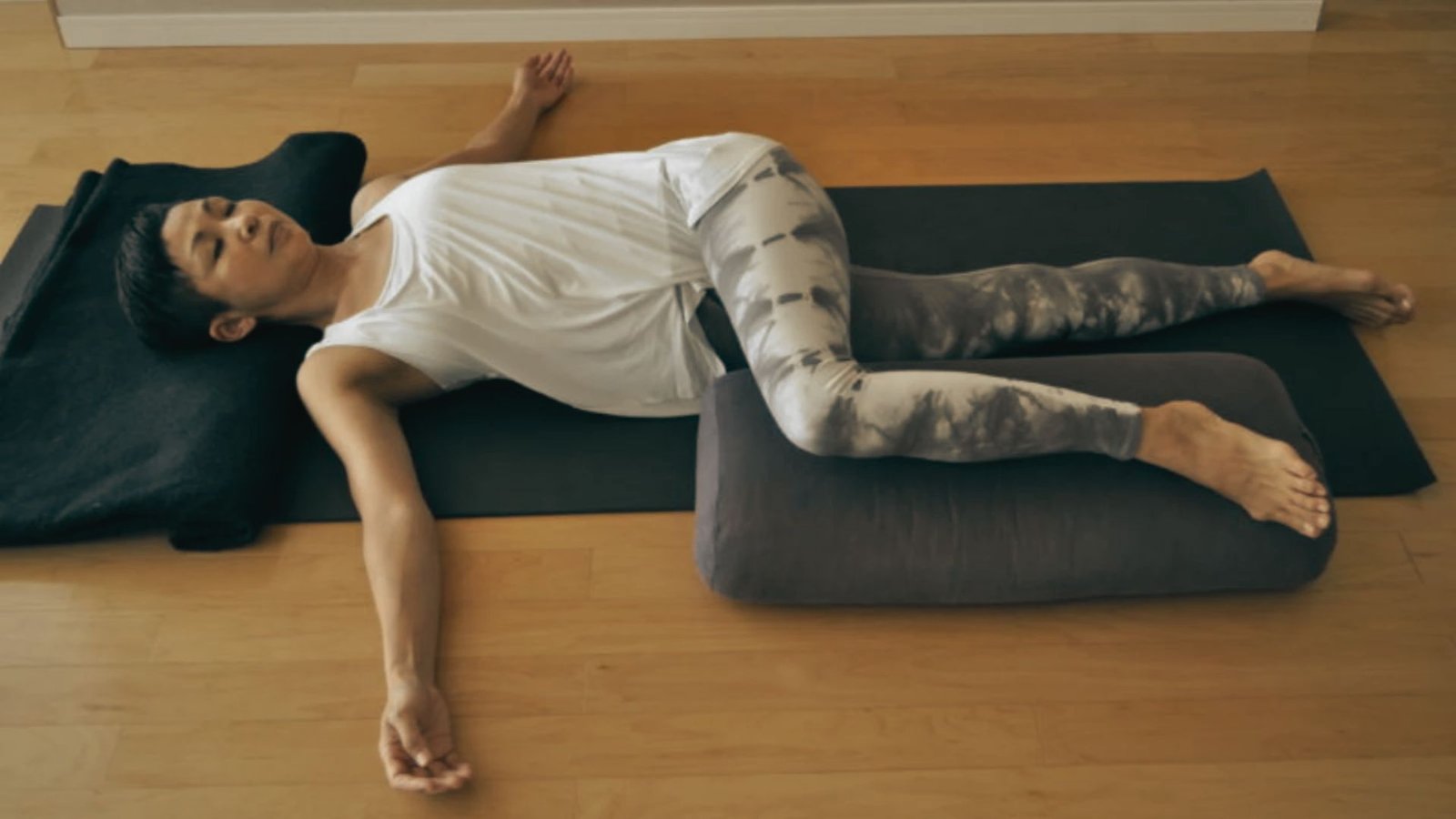
Lie on your back, drop your knees to one side, and let your gaze turn the other way. This twist releases tension along the spine and lower back.
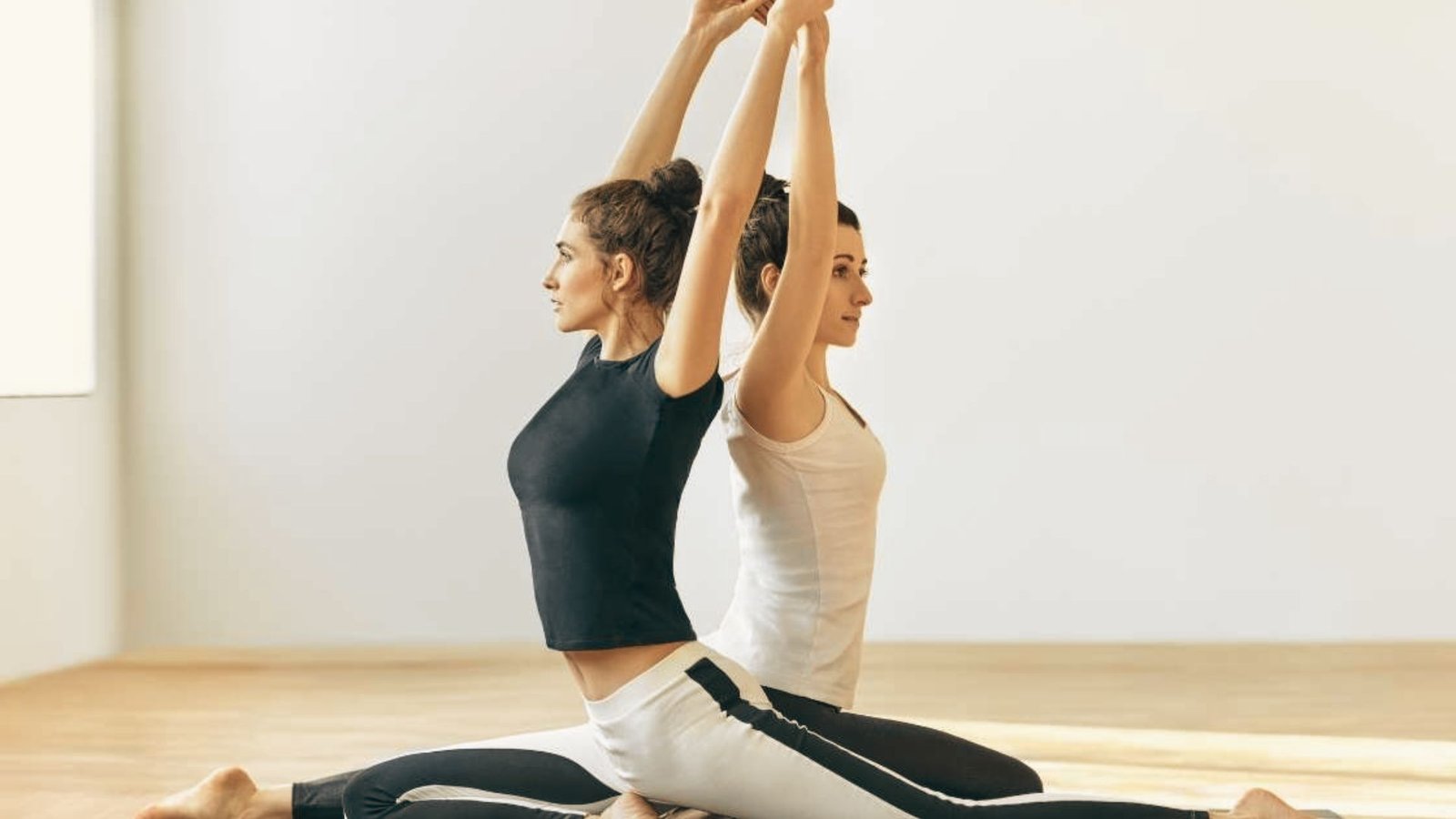
11. Dragonfly Pose
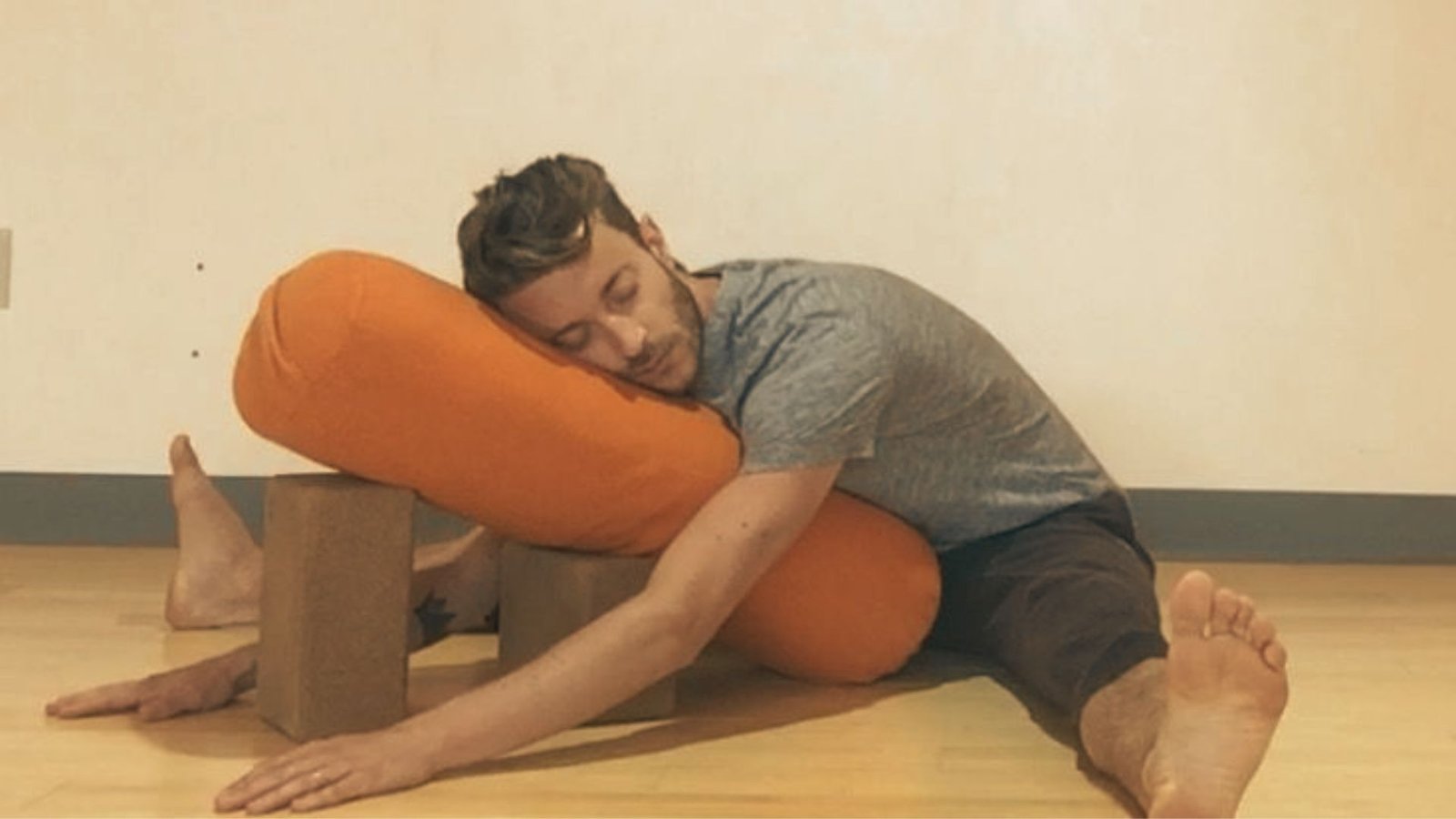
Sit with legs spread wide and fold forward between them. It stretches the inner thighs and hamstrings while keeping the spine long.
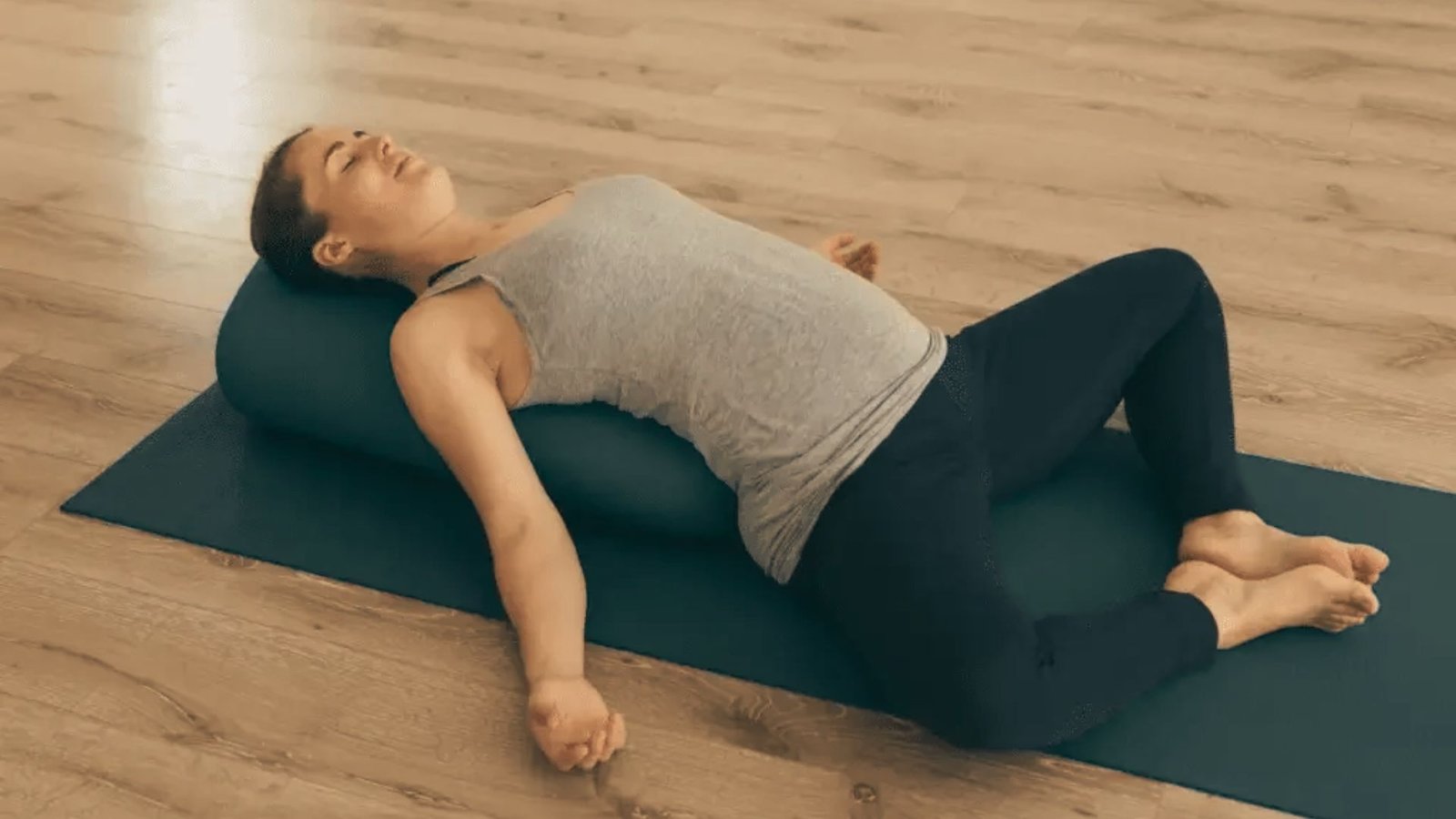
12. Supported Fish Pose
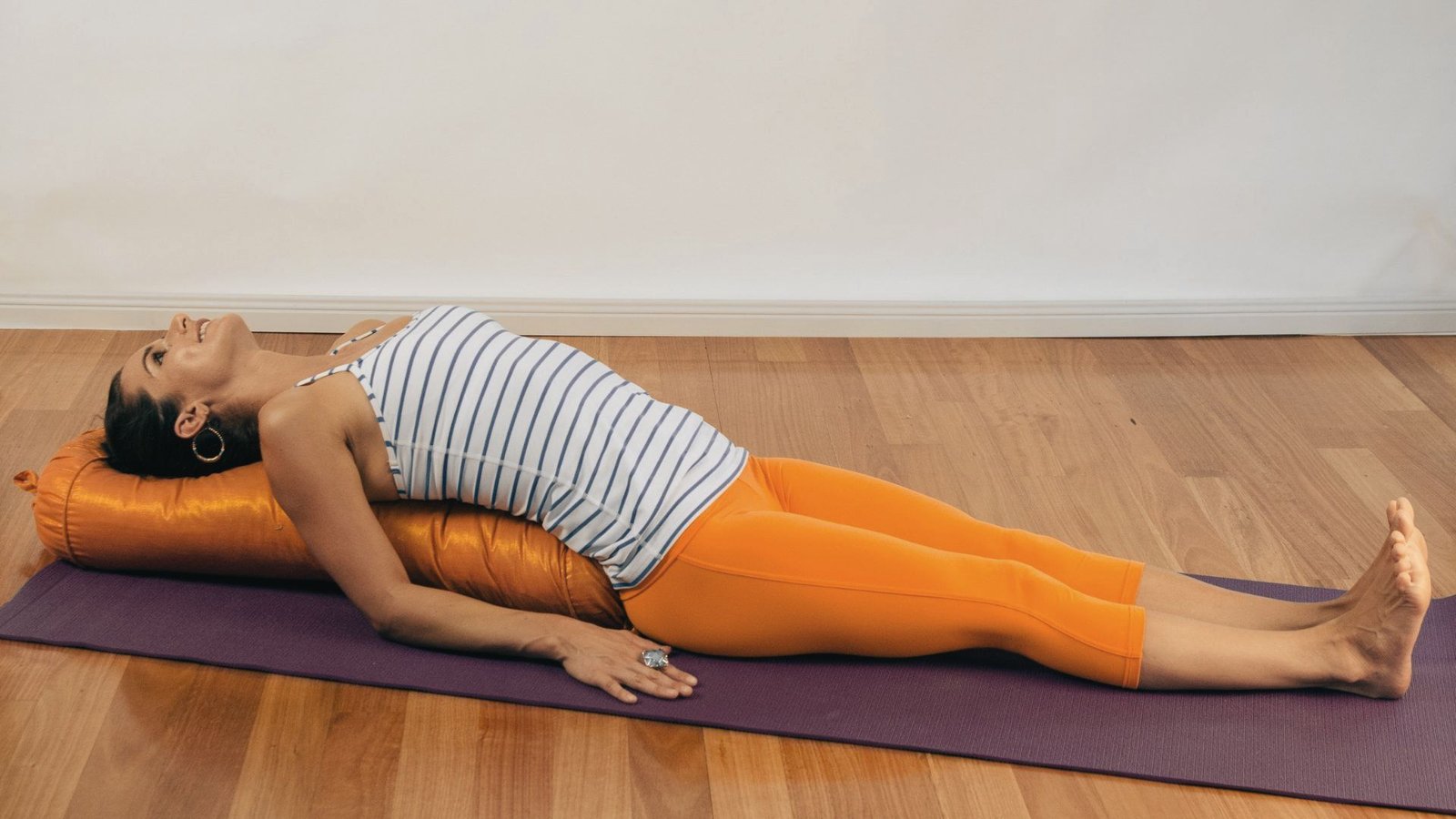
Lie back over a bolster or folded blanket placed under your shoulder blades. This pose opens the chest and front of the shoulders for easier breathing.
13. Corpse Pose (Savasana)
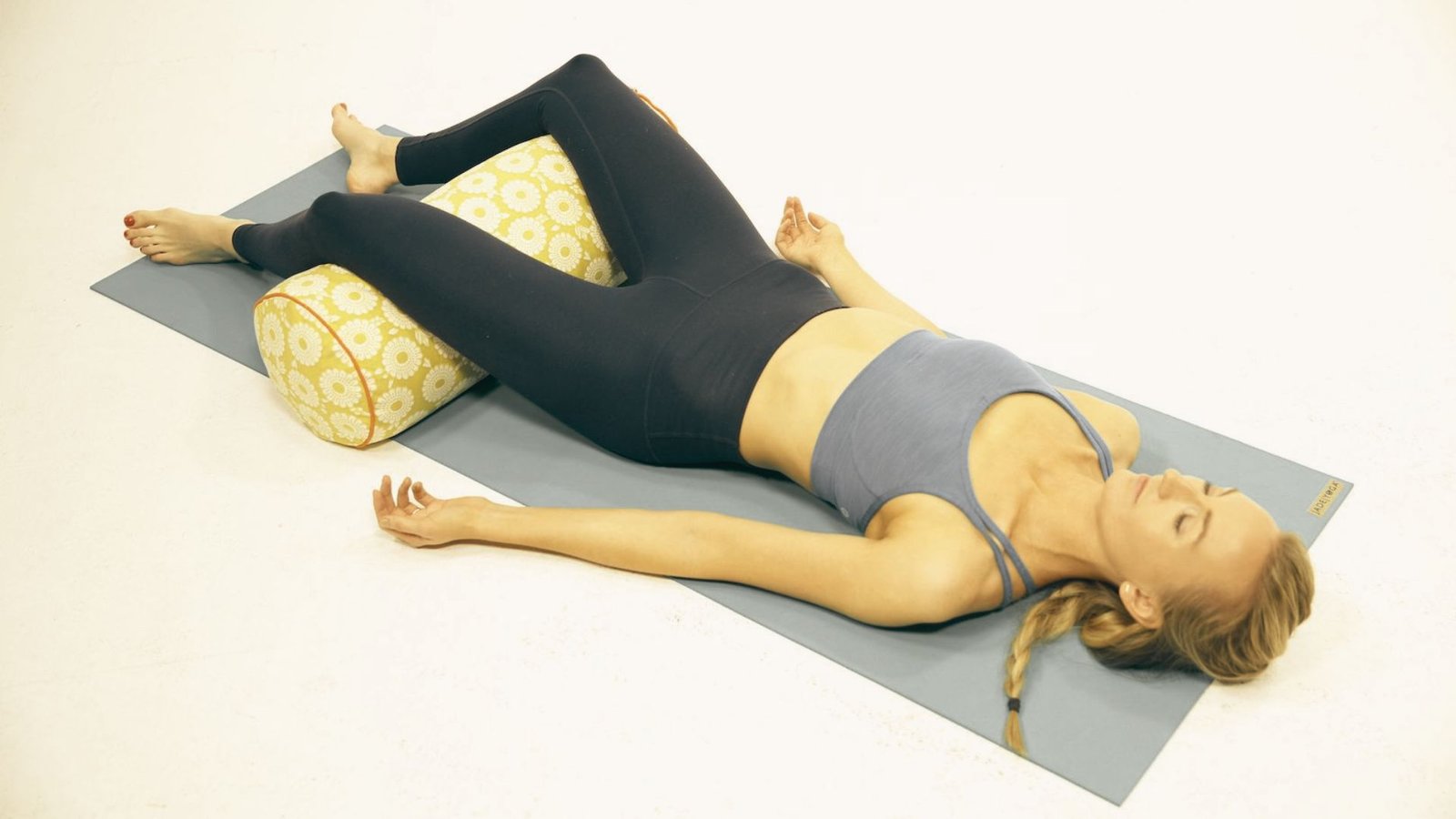
Lie flat on your back with arms relaxed at your sides and eyes closed. This final pose lets the body settle into the benefits of the practice before you get up.
Benefits of Practicing Yin Yoga Postures Regularly
Consistent practice of yin yoga postures brings lasting changes to both the body and the mind.
Increases Flexibility and Mobility
Yin yoga works on the fascia and connective tissue, not just the muscles. Holding postures longer slowly softens these tissues, leading to real flexibility improvements within weeks.
Supports Joint and Connective Tissue Health
Yin postures apply mild, sustained pressure to joints in a safe way. This stimulates synovial fluid production, keeping joints lubricated and reducing stiffness over time.
Reduces Stress and Mental Fatigue
Holding yin postures activates the parasympathetic nervous system, signaling your body to rest. Even a short session can lower anxiety and bring lasting calm to the mind.
Encourages Better Breathing Habits
Yin yoga trains you to breathe slowly through discomfort rather than react to it. Over time, this builds breath awareness and reduces tension held in the chest.
Promotes Mindfulness and Inner Calm
Staying still in yin postures builds real mental resilience and presence. Regular practice makes it easier to stay calm and grounded in everyday situations.
Tips for a Safe and Effective Yin Yoga Practice
Practicing yoga the right way protects your body and deepens your results over time.
- Start with one to two minutes per pose and build up gradually as your body adjusts.
- Aim for a gentle, steady sensation. If you feel sharp pain, come out of the pose immediately.
- Use props like blocks, blankets, or bolsters to support your body and stay in poses longer without strain.
- Do not compare your range to others. Focus on what you personally feel in each posture.
- Practice two to three times a week consistently. Even a fifteen minute session brings real benefits.
Conclusion
Yin yoga changed how I relate to my body, especially on stressful days when everything feels tight and rushed.
These 13 yin yoga postures are simple, effective, and genuinely beginner-friendly. You do not need experience or flexibility to start.
Just show up, breathe, and give your body the stillness it needs. Try one pose today and notice the difference.
If this blog helped you, share it with someone who could use a little more calm. Drop a comment below and let me know which posture you are trying first.
Frequently Asked Questions
Are Yin Yoga Postures Good for Complete Beginners?
Yes, most yin yoga postures are done on the floor and need no prior experience. A mat and a little patience are all you need to start.
How Often Should I Practice Yin Yoga?
Two to three times a week works well for beginners. Even one session a week will bring noticeable changes over time.
Can Yin Yoga Improve Flexibility?
Yes. Yin yoga targets the fascia and connective tissue, which improves flexibility and range of motion with regular practice.
What Should I Wear for Yin Yoga?
Wear loose, comfortable clothing that allows free movement. Keep a light blanket nearby since your body cools down during long holds.
Is Yin Yoga Suitable for Daily Practice?
Yes, yin yoga is gentle enough for daily use. Just vary the areas you focus on each session to avoid overstretching the same tissues.