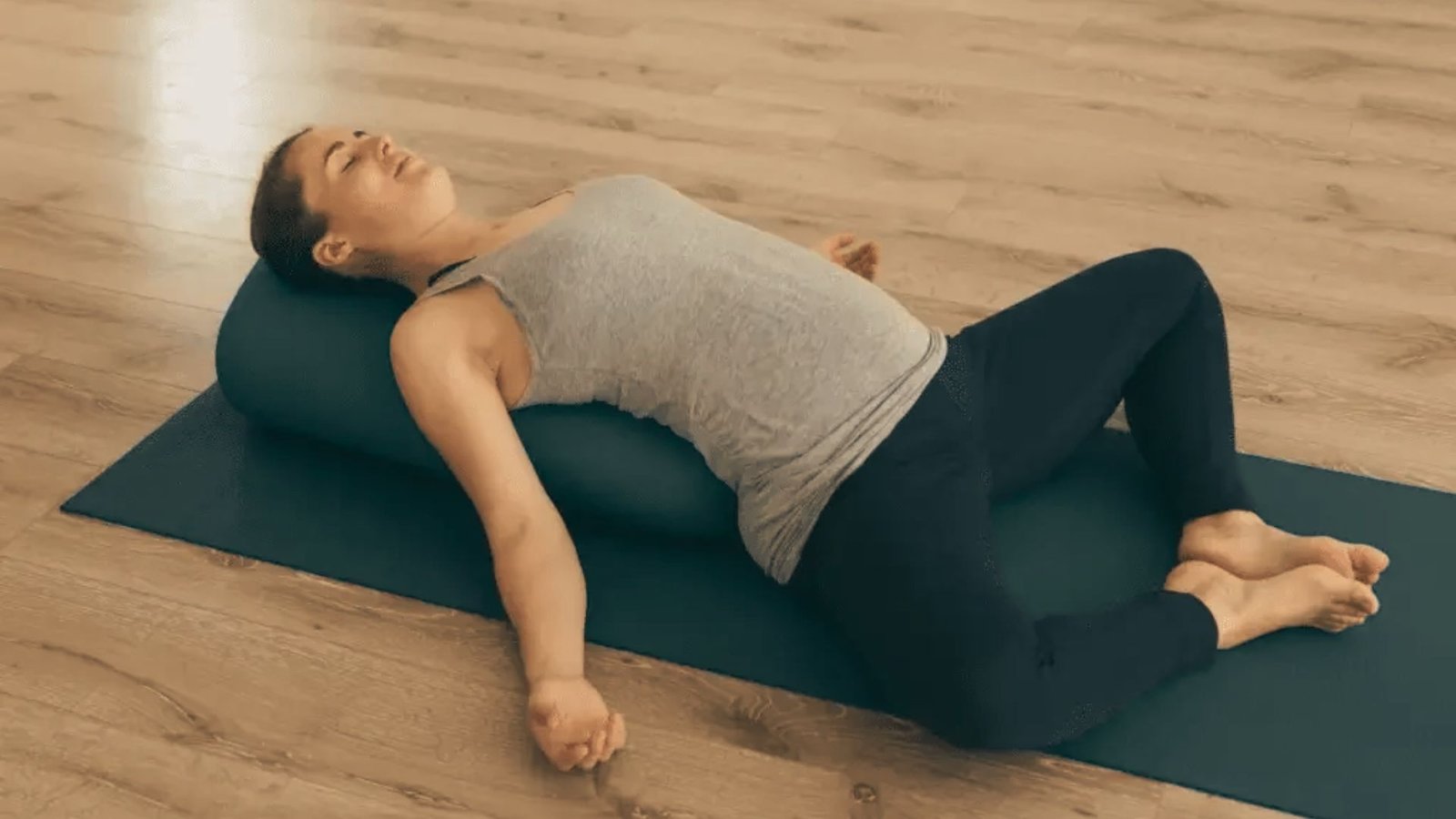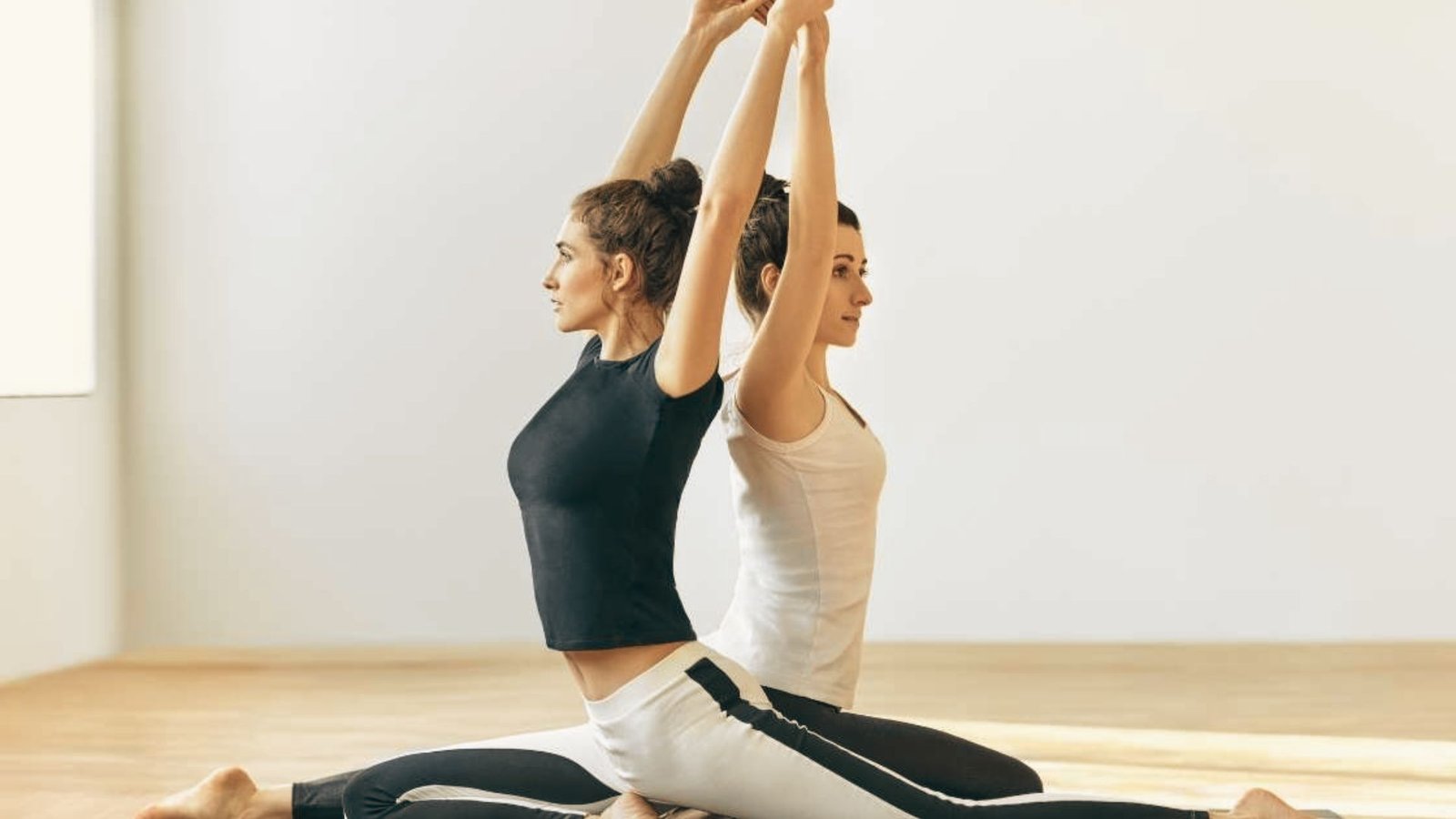
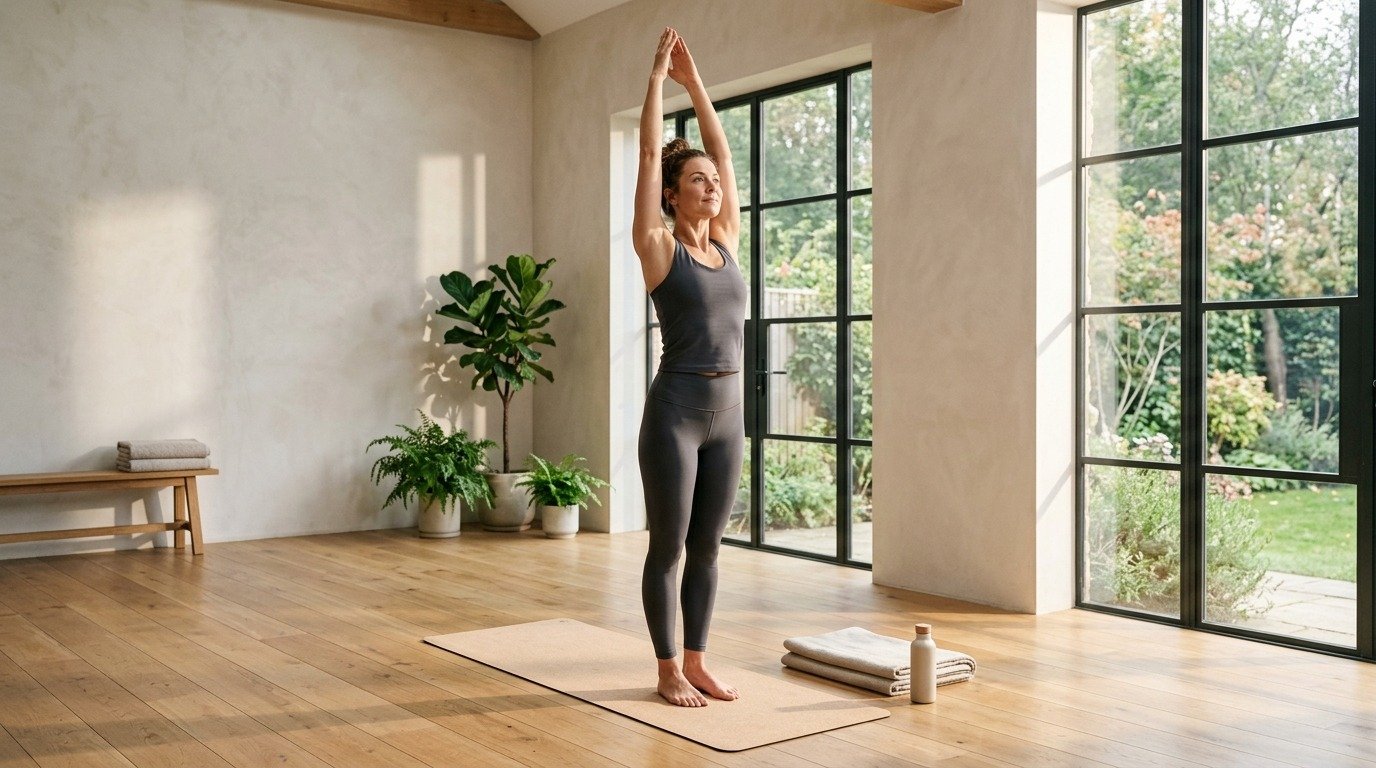
Have you ever wondered why stretching feels so good after sitting for hours, waking up, or finishing a workout?
That relaxing feeling is not random. Your muscles, brain, and nervous system all play a role in making stretching feel refreshing.
In this article, I’ll explain the simple science behind why stretching feels satisfying and how it affects your body.
You’ll learn how stretching reduces tension, supports relaxation, improves blood flow, and helps you feel better.
This guide is based on trusted movement and fitness knowledge to give you a clear and easy explanation.
Let’s understand what happens inside your body when you stretch.
Why Does Stretching Feel So Good?

Stretching feels good because it helps your body release tension and relax. It can help reuce stiffness and make your body feel more open and comfortable.
When your muscles stay tight from sitting, stress, exercise, or daily activities, stretching gently lengthens them and creates a feeling of relief.
Stretching also improves body awareness by helping you notice areas of tightness and how your body moves.
Slow, controlled stretches send signals to your brain that encourage relaxation. This creates a connection between movement and calmness.
The simple act of stretching can make you feel refreshed because it combines physical release with a relaxed state of mind. That is why even a few minutes of stretching can feel so satisfying.
The Science Behind the Feel-Good Sensation of Stretching
Stretching feels good because it creates changes throughout your body, from your muscles to your brain.
These simple movements can reduce tightness, support relaxation, and improve how you feel physically and mentally.
Stretching Helps Release Muscle Tension
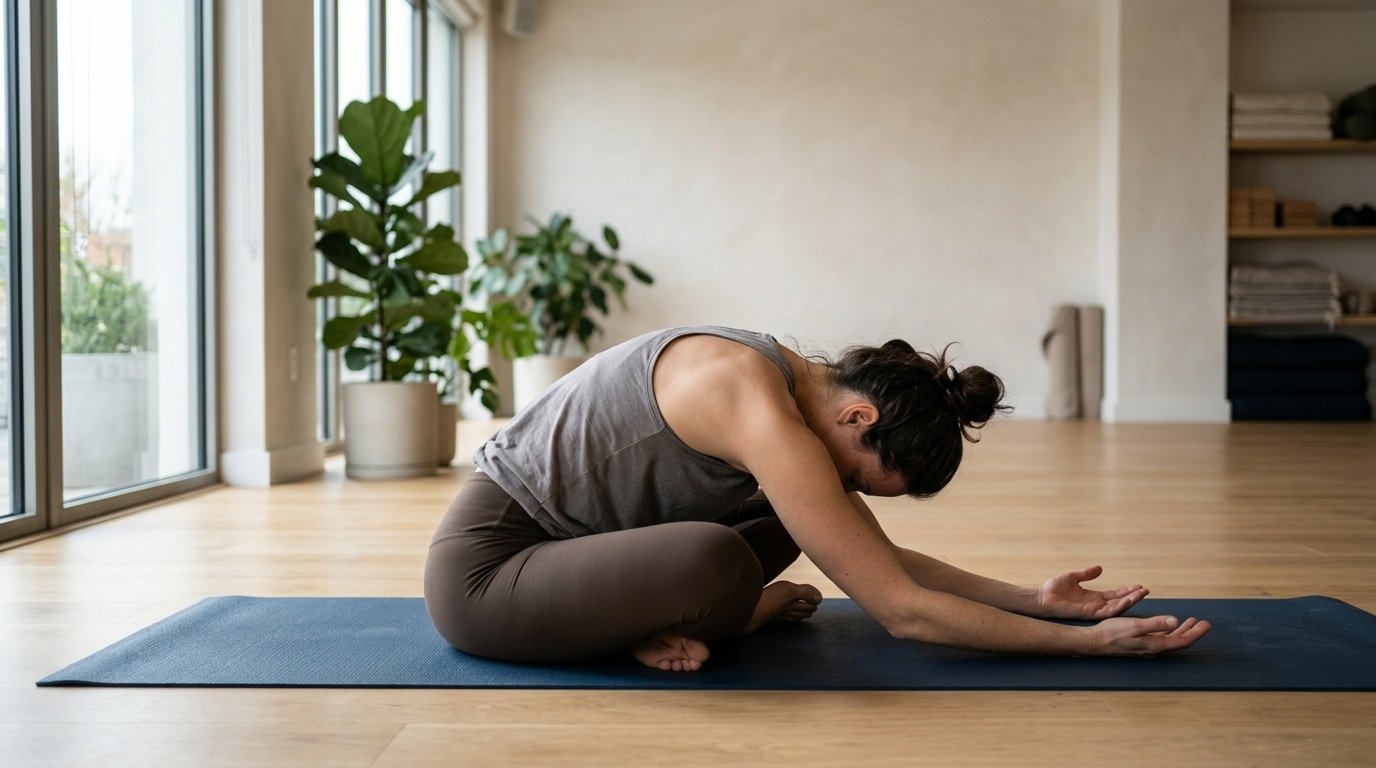
Your muscles can become tight due to stress, long periods of sitting, exercise, or everyday movements. When muscles stay contracted for too long, they may feel stiff and uncomfortable.
Stretching gently lengthens these muscles, helping them relax and move more freely. It can reduce the feeling of tightness and make your body feel less restricted.
A comfortable stretch allows your muscles to release built-up tension without forcing movement.
This is one reason why stretching often creates an immediate sense of relief and comfort after a busy day or physical activity.
Stretching Activates Your Nervous System
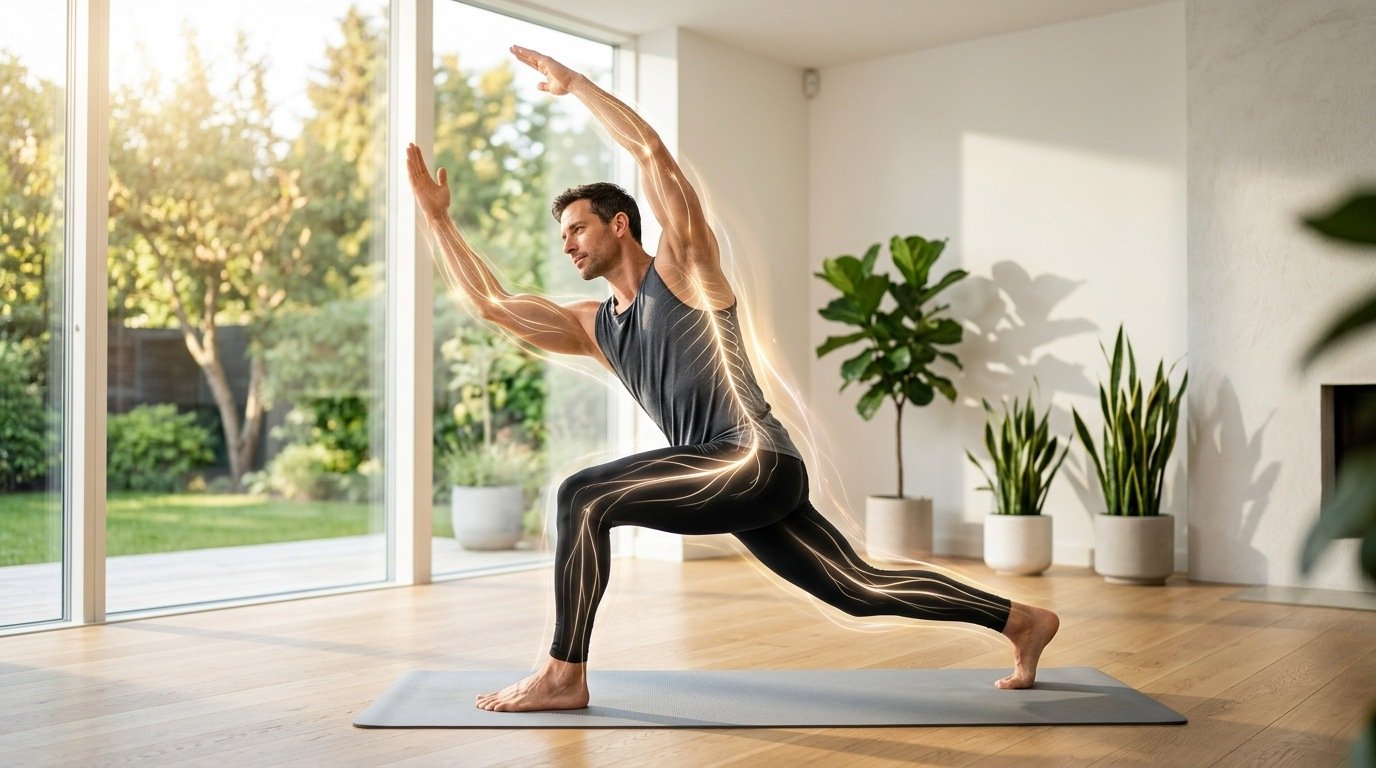
Slow and gentle stretching can send calming signals to your brain and help your body shift into a more relaxed state.
When you stretch while breathing steadily, your nervous system responds by reducing tension and promoting relaxation.
The parasympathetic nervous system, often linked with the body’s rest-and-relax response, plays a role in creating this calm feeling.
This is why a relaxing stretch can help you feel more settled after stress or physical effort.
The combination of slow movement and controlled breathing helps your body move from a tense state toward a more peaceful one.
Stretching May Increase Blood Flow
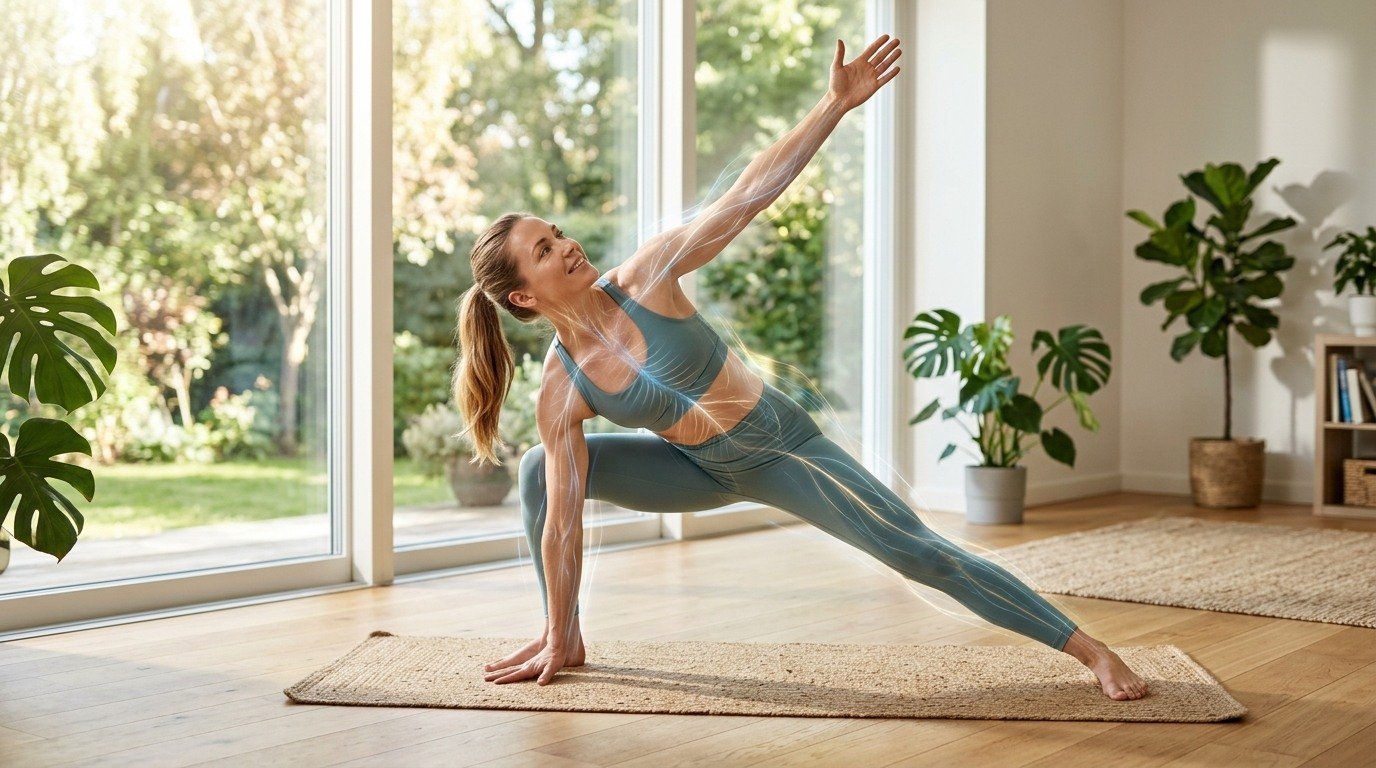
When you stretch, you encourage movement around your muscles and joints, which can support better circulation.
Improved blood flow helps deliver oxygen and nutrients to working muscles while helping remove some of the byproducts that build up during activity.
This can make your body feel lighter and less stiff. After sitting for a long time, stretching helps wake up areas that may feel inactive or tight.
The gentle movement encourages your muscles to loosen, which can create a refreshed and comfortable feeling.
This natural boost in circulation is another reason stretching often feels satisfying.
Stretching Can Trigger Feel-Good Chemicals
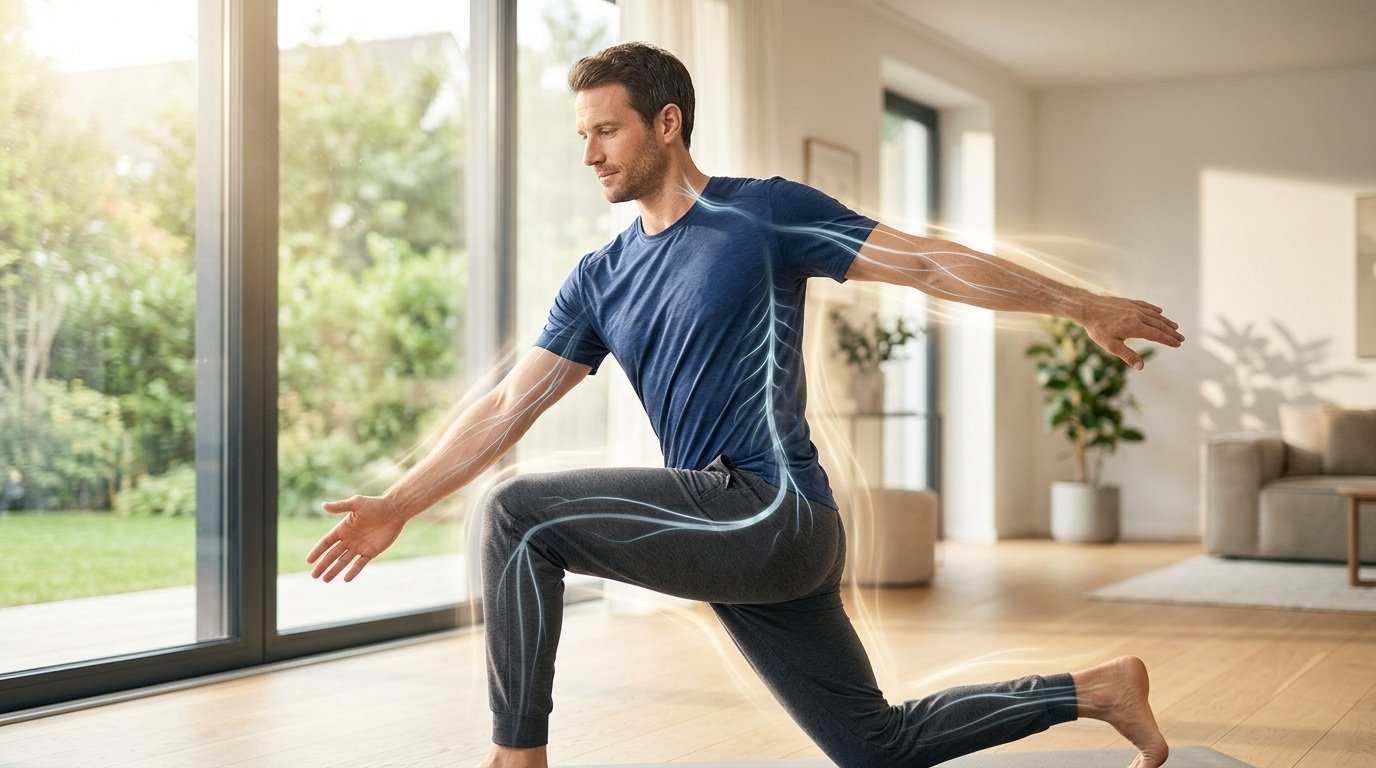
Stretching may also influence your mood by encouraging the release of chemicals linked with relaxation and well-being.
Physical movement can support the production of endorphins, which are natural chemicals that help improve feelings of comfort and reduce stress.
Stretching also creates a calming response by lowering physical tension and helping your mind focus on the present moment.
While stretching is not a replacement for other mood-boosting activities, it can provide a temporary feeling of relaxation and positivity.
This is why many people feel calmer, happier, or more refreshed after a good stretching session.
Why Does Stretching Feel Good After Sitting or Exercising?
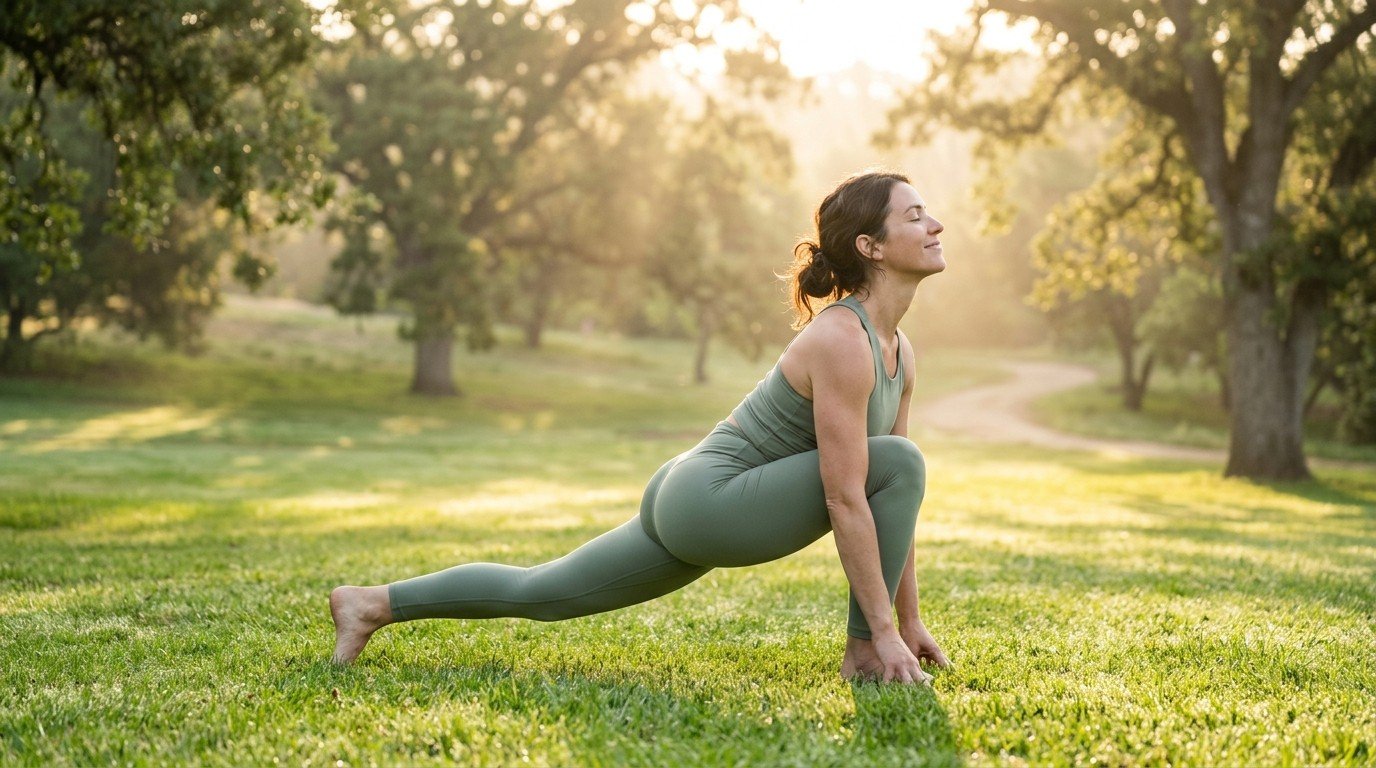
After sitting for a long time or completing a workout, your body often feels like it needs movement.
This happens because staying still can make muscles feel tight, while exercise can create temporary tension and fatigue.
Stretching feels good because it helps restore movement and relax areas that feel stiff. After a workout, gentle stretching can help your muscles cool down and improve comfort.
However, a satisfying stretch should feel like mild tension, not pain. Your body should feel relaxed and refreshed afterward.
Pushing too far can overstretch muscles and may cause discomfort or strain. The goal is to stretch with control, listen to your body, and create a feeling of ease.
What Happens in Your Body When You Stretch?
When you stretch, your body goes through several small changes that help you feel more relaxed, flexible, and comfortable.
Your muscles, joints, circulation, and nervous system all work together to create that satisfying feeling.
| Body Response | What Happens |
| Muscles lengthen | Helps reduce feelings of tightness and improves flexibility |
| Blood circulation improves | Supports oxygen flow and helps muscles feel refreshed |
| Nervous system relaxes | Sends calming signals that create a relaxed feeling |
| Joint movement improves | Supports smoother and easier movement in daily activities |
Why Do We Sometimes Make Sounds or Feel Relief While Stretching?
Have you ever stretched and let out a small sigh, yawn, or sound without thinking? This happens because your body often responds naturally when it releases tension.
Stretching helps relax tight muscles and signals your nervous system that it is safe to slow down.
The feeling of relief comes from letting go of built-up stiffness caused by stress, movement, or staying in one position too long.
Certain stretches feel more satisfying because they target areas where tension collects, such as the back, shoulders, and hips.
That gentle release can leave your body feeling lighter and more comfortable.
Benefits of Stretching Beyond Feeling Good
Stretching does more than create a relaxing sensation. It supports your overall movement, comfort, and connection with your body.
- Improves flexibility : Helps your muscles move through a wider and more comfortable range of motion
- Supports better posture : Helps reduce tightness that may affect how you sit or stand
- Helps reduce muscle stiffness : Keeps muscles feeling loose and less restricted
- Encourages relaxation : Helps calm your body and release everyday tension
- Improves body awareness : Helps you notice how your body feels and moves
How to Stretch for the Best Feel-Good Effect
The right stretching approach can help you enjoy the benefits while keeping your body safe and comfortable.
- Stretch slowly and avoid forcing movement : Gentle movements help prevent unnecessary strain
- Hold stretches comfortably : Stay in a position where you feel mild tension, not pain
- Breathe deeply while stretching : Encourages relaxation and helps your body release tension
- Focus on areas that feel tight : Target muscles that need extra attention
- Make stretching a regular habit : Consistency helps improve comfort and flexibility over time
Conclusion
Stretching is a simple habit, but it can create a noticeable difference in how your body feels.
I’ve found that even a few slow stretches can help me feel more relaxed and connected with my body after a busy day.
Now that you know why does stretching feel so good, you can pay more attention to how your body responds.
Try adding a few gentle stretches to your routine and notice the changes. Share your favorite stretch in the comments or try more helpful wellness guides.
Frequently Asked Questions
Why does stretching feel so good after waking up?
Morning stretching helps loosen muscles that may feel stiff after rest. It can make your body feel more awake and ready to move.
Why do I feel relaxed after stretching?
Stretching helps release muscle tension and encourages your nervous system to relax. This can create a calm and comfortable feeling.
Does stretching help reduce muscle tightness?
Yes, gentle stretching can help lengthen muscles and reduce feelings of stiffness. It supports easier and smoother movement.
Why do some stretches feel better than others?
Some stretches feel better because they target areas where tension builds up. The back, hips, and shoulders often hold extra tightness.
How long should I stretch to feel the benefits?
Even a few minutes of gentle stretching can help you feel more comfortable. Regular practice can support flexibility and relaxation over time.