
I still remember my first yoga push up in class. My arms shook, my hips dropped, and I had no idea how to flow downward into the dog.
After years of practicing and teaching basic flexibility moves, I learned what actually makes this work.
A yoga push up blends a classic push up with a smooth shift into downward dog. It builds strength in your chest, shoulders, and core while improving balance.
In this guide, you will learn the correct form, common mistakes, and simple tips to practice safely, step by step, the way I wish someone had shown me.
What Is a Yoga Push Up?
A quick look at what this move means and why form matters most.
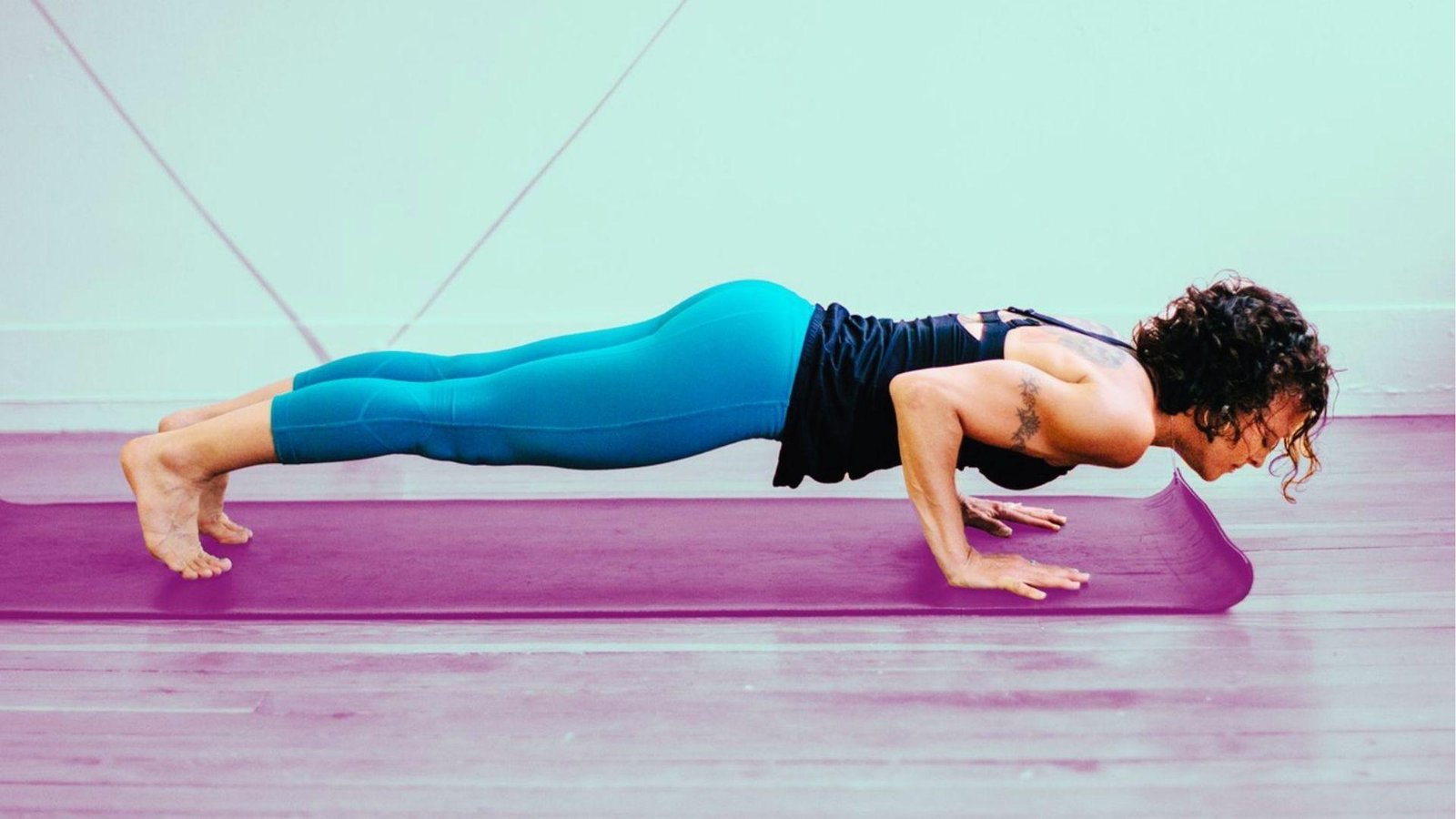
A yoga push up is a flow movement that mixes a regular push up with a shift into downward dog.
Some people call it the yoga push up pose or yoga push up name in different classes. You lower down like a normal push up, then press back and lift your hips into downward dog.
This flow trains your upper body and stretches your back at the same time. Correct form matters because it keeps your shoulders and lower back safe.
Sloppy form can strain your wrists or neck over time.
Proper Yoga Push Up Form and Technique Guide
The step by step setup that keeps your joints safe and your reps strong.
Correct Body Alignment in Yoga Push Up Pose
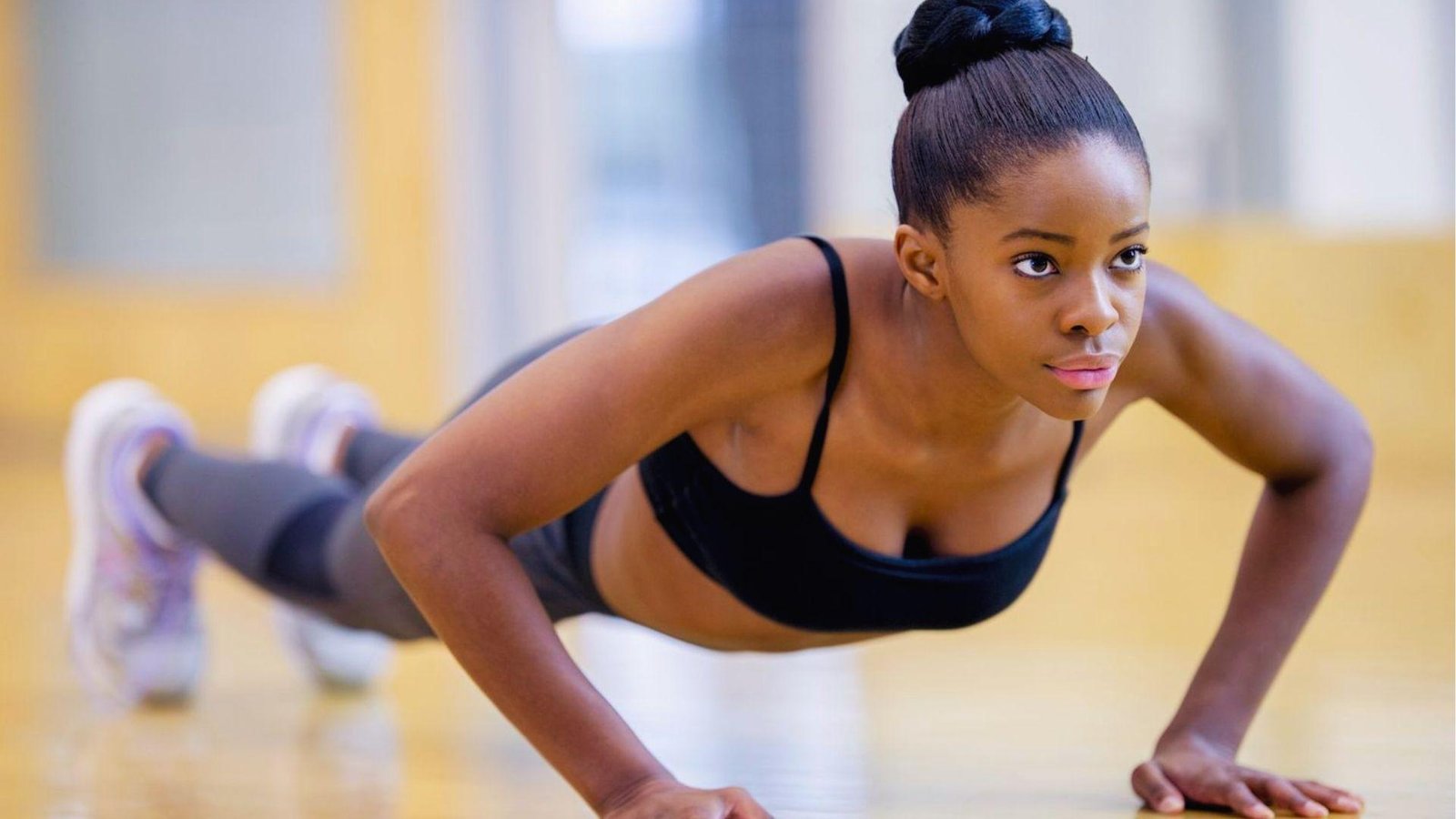
Start in a straight plank with wrists under your shoulders. Keep your hips level with your shoulders and heels.
A straight line from head to heel protects your lower back and keeps the load even.
Hand, Shoulder, and Core Positioning
Spread your fingers wide and press evenly into the floor. Keep your shoulders pulled down and back, away from your ears.
Brace your core to keep your spine stable through the whole move.
Controlled Lowering and Pressing Mechanics
Lower your chest slowly with elbows close to your body. Pause near the bottom, then press up with control.
Avoid dropping fast or locking your elbows hard at the top.
Smooth Transition Into Downward Dog Position
From the top of your push up, shift your weight back. Lift your hips up and back as you straighten your arms.
Let your heels reach toward the floor and keep your back long.
Breathing and Rhythm for Better Control
Inhale as you lower down into the push up. Exhale as you press up and shift into downward dog.
Steady breathing keeps your pace even and your mind calm.
Benefits of Yoga Push Up Pose for Strength and Mobility

Why this one flow move helps your strength, balance, and joints together.
Builds Upper Body Strength and Endurance
The pushing phase trains your chest, shoulders, and triceps. Repeating the flow builds real endurance over time.
Stronger arms and shoulders help with many other daily tasks.
Improves Core Stability and Balance
Holding plank and shifting into downward dog forces your core to stay tight. This builds better balance through the whole movement.
A stable core also protects your spine during other workouts.
Improves Shoulder Mobility and Joint Health
The shift into downward dog opens your shoulders. It also stretches your upper back and hamstrings.
This eases stiffness that builds up from long hours of sitting
Develops Full-Body Coordination and Control
Moving smoothly between two positions trains your brain and muscles to work together. You learn to time your breath with your movement.
This coordination carries over into other sports and daily activities.
Common Mistakes in Yoga Push Up and How to Fix Them
Small form errors that quietly limit your results and raise injury risk.
- Poor Plank Alignment and Sagging Hips. Letting hips drop or rise strains your lower back. Keep your core tight to hold a flat line.
- Overextending Neck or Looking Forward. Craning your neck up adds strain to your spine. Keep your gaze down and your neck relaxed.
- Incomplete Range of Motion. Stopping the push up halfway reduces the benefit. Lower your chest closer to the floor.
- Lack of Core Engagement During Movement. A loose core makes the transition wobbly. Brace your stomach through the whole flow.
Advanced Yoga Push Up Variations for Strength Progression
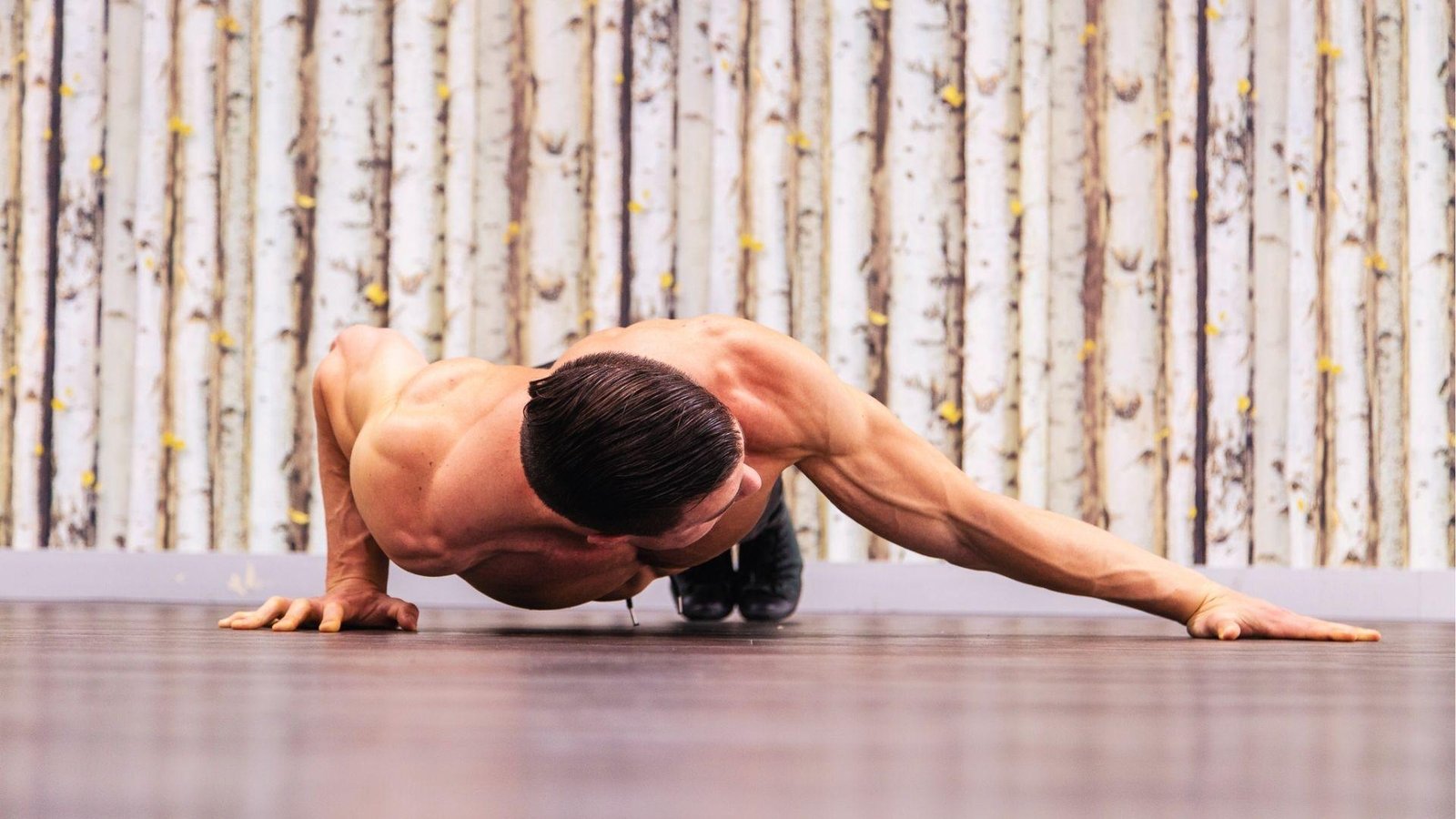
Ways to add challenge once your basic form feels steady and strong.
Controlled Tempo Yoga Push Up
Take three to four seconds to lower and press. This builds extra strength through a longer time under tension.
It also helps you spot and fix weak points in your form.
Feet-Elevated Yoga Push Up Variation
Place your feet on a low step or bench. This shifts more weight onto your upper body.
It adds challenge and builds extra shoulder and chest strength.
Single-Leg Stability Variation
Lift one foot slightly off the floor during the push up phase. This adds balance to the movement.
It also challenges your core to stay steady and square.
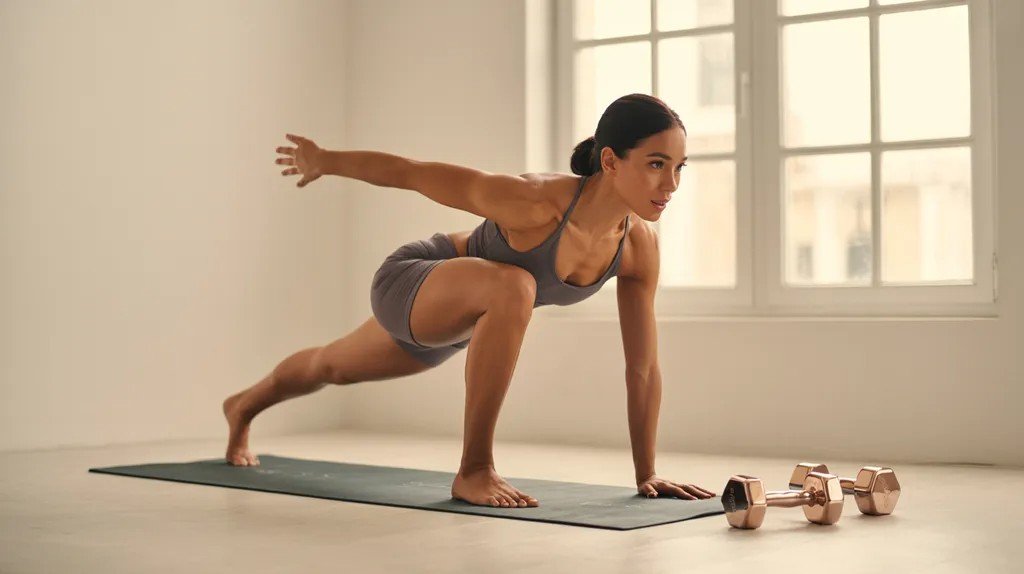
Spiderman Yoga Push Up Pose Variation
As you lower down, bring one knee toward the same side elbow. Return your leg back as you press up to the start.
This twist works your obliques along with your chest and arms.
Beginner Tips for Learning Yoga Push Up Safely
Simple ways to build the move gradually without rushing your progress.
- Start With Modified or Knee-Based Practice. Practice on your knees first to learn the pattern with less load.
- Focus on Plank Strength Before Full Movement. Hold a plank for time before adding the push and shift.
- Slow Tempo for Better Control and Stability. Move slowly at first so your muscles learn the right pattern.
- Prioritize Form Over Repetitions. A few clean reps teach your body more than many sloppy ones.
- Rest Between Sets to Protect Your Joints. Give your wrists and shoulders enough recovery time so fatigue does not break your form.
Conclusion
Getting the yoga push up right takes patience, not perfection. I still mess up my alignment some days, and that is fine.
What matters is showing up and practicing with care. Over time, this move builds real strength, better balance, and stronger shoulders.
I have felt that change in my own body, and you will too. Take it slow, focus on form, and let your practice grow.
If this guide helped you, drop a comment below and tell me how your practice is going. Share it with a friend who loves yoga, and check out our other strength guides too.
Frequently Asked Questions
Is yoga push up good for beginners?
Yes, beginners can start with knee-based versions. Building plank strength first makes the full move easier and safer.
What muscles does a yoga push up work?
It works your chest, shoulders, triceps, core, and abs. The downward dog phase also stretches your back and shoulders.
How many yoga push ups should I do?
Start with a few clean reps and add more as your form improves. Quality matters more than quantity here.
Can yoga push up replace regular push ups?
It can complement regular push ups by adding mobility work. Both moves offer different but useful benefits.
Is yoga push up safe for the lower back?
Yes, if you keep your core tight and avoid sagging hips. Poor alignment is the main cause of lower back strain.