I almost quit aerial yoga in my first week. My grip kept slipping, and I felt clumsy in the hammock. Then I found the right poses to start with, and everything clicked.
That is why I built this list of aerial yoga poses, from beginner to advanced. I am not selling you a class.
I tested every pose myself before adding it here, so you won't find guesswork in this guide.
Inside, you will learn 15 poses, safe practice tips, common mistakes to avoid, and the gear you actually need.
New to the hammock or ready for inversions, this article walks you through it step by step.
Let's get you moving with real, lasting confidence.
What is Aerial Yoga?
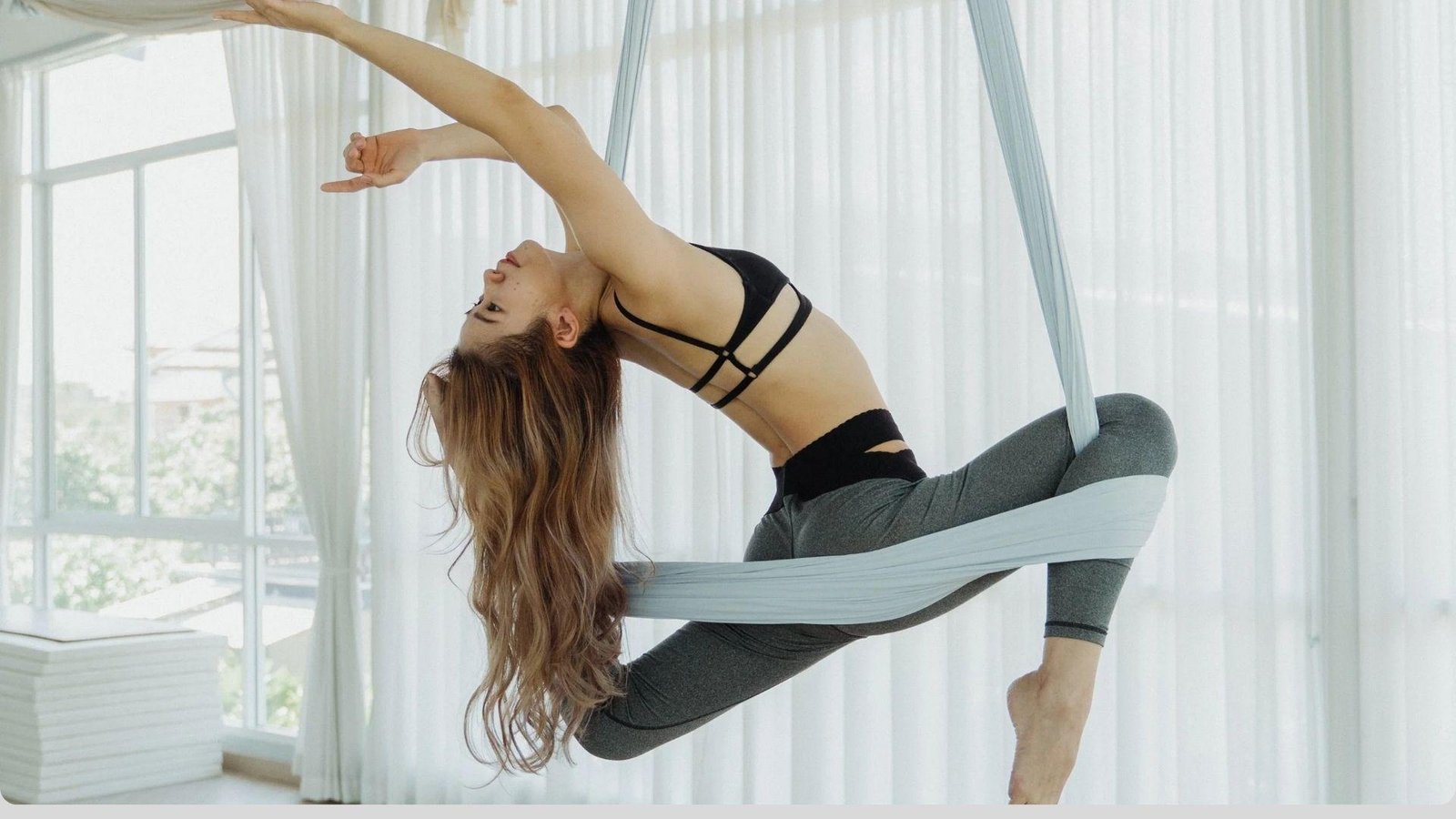
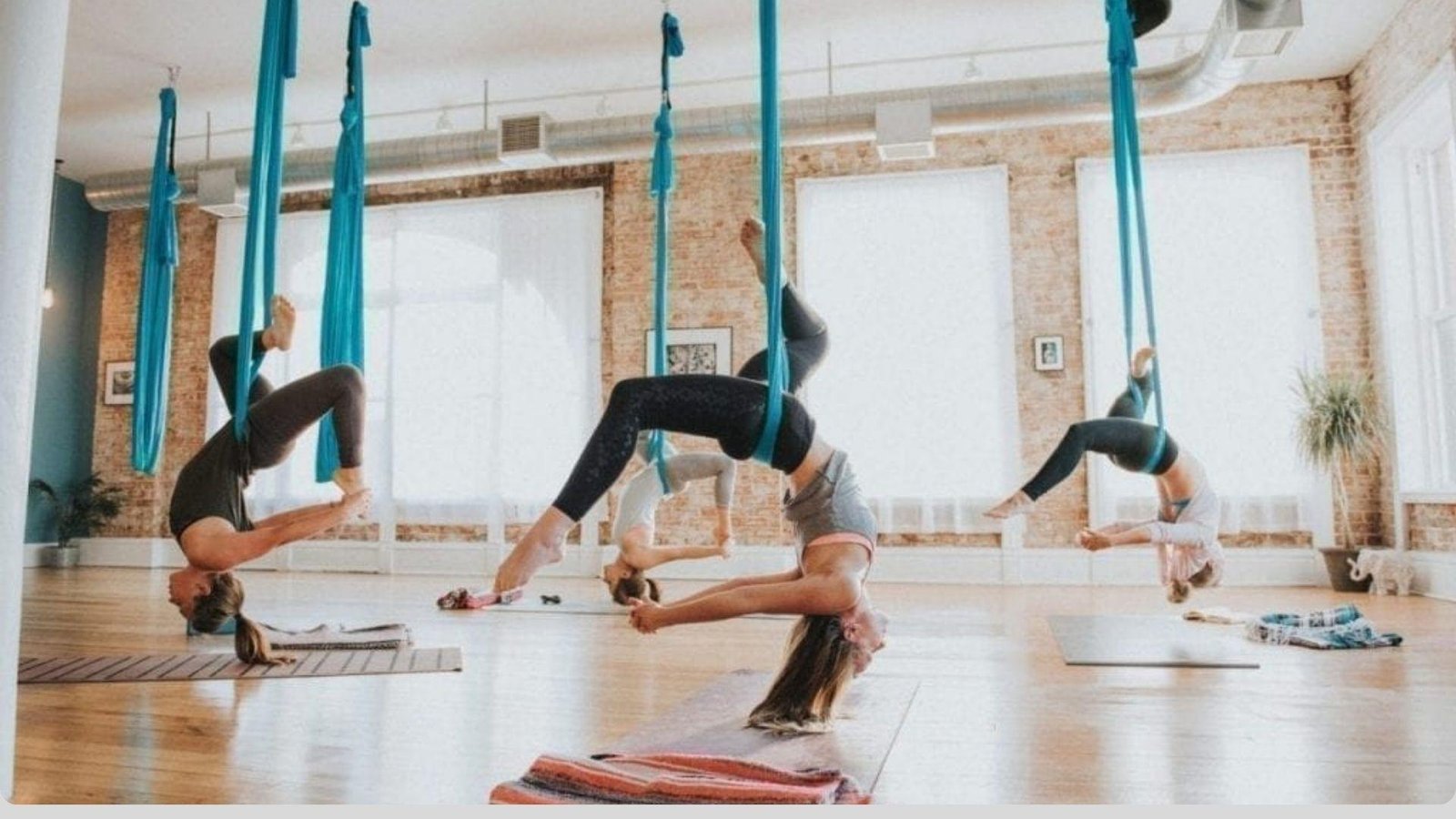
Aerial yoga is a style of yoga that uses a soft fabric hammock hung from the ceiling. You use the hammock to support your body as you move through poses.
It helps you stretch deeper, build strength, and even hang upside down with full support.
I love how it takes pressure off my joints. The silk holds your weight, so you don't strain your back or knees. This makes aerial yoga a good fit for beginners and advanced yogis alike.
You get the benefits of regular yoga, plus better balance, core strength, and spinal relief, all in one practice.
Benefits of Practicing Aerial Yoga Poses
Aerial yoga poses offer more than fun. They build real strength and calm your mind at the same time.
- Improves flexibility through assisted stretching: The hammock supports your body, so you stretch deeper without strain.
- Builds core strength, balance, and stability: Holding poses in the air forces your core to work nonstop.
- Enhances spinal decompression and posture alignment:Hanging gently stretches your spine and eases tight muscles.
- Supports stress relief and mental relaxation:Floating in silk calms your nervous system and clears your head.
- Low-impact full-body workout suitable for all levels: Anyone can try this. The hammock takes the pressure off your joints.
List of 15 Aerial Yoga Poses: From Beginner to Advanced
Here are 15 poses to take you from your first hang to full inversions.
1. Basic Inverted Bow Pose
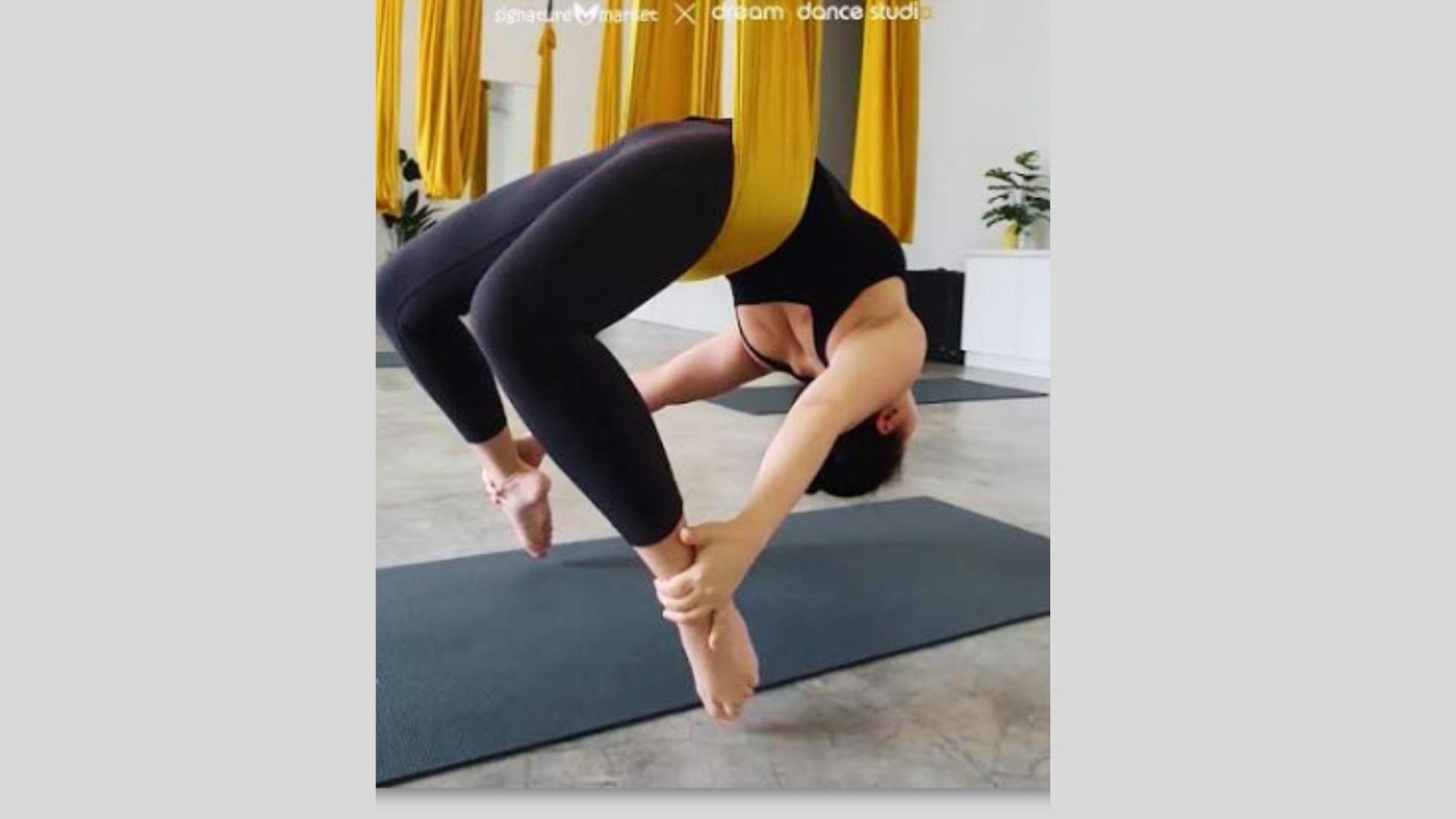
This pose is a gentle start to hanging upside down. Sit in the hammock. Lean back slowly until your spine rests against the silk. Let your head drop and your arms hang loose.
Breathe deep here. Hold for 30 seconds. This stretch opens your chest and releases your spine. You will feel taller once you come out of it.
2. Flying Mountain Pose
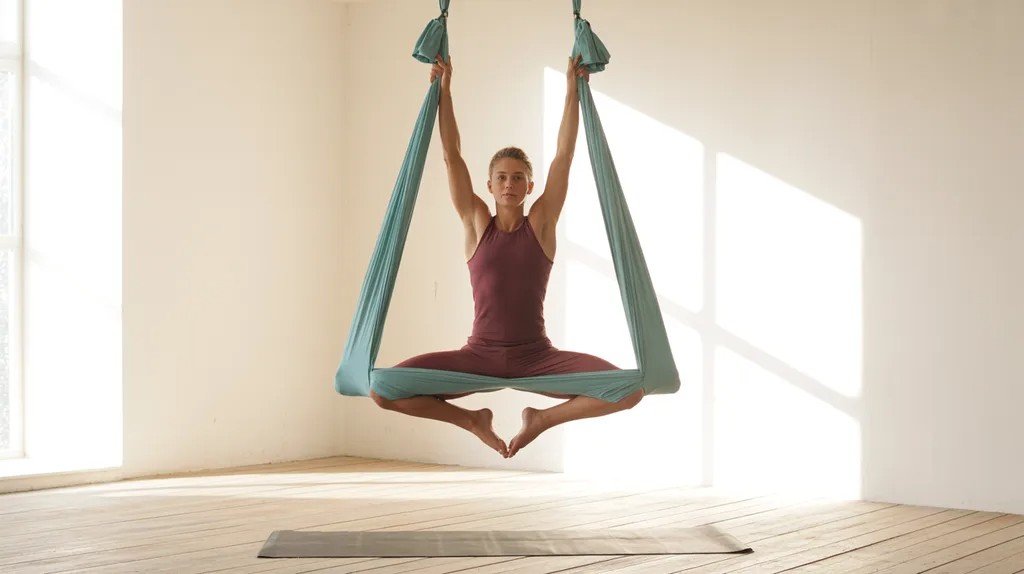
Stand inside the hammock with the silk at hip height. Press your feet into the floor and lengthen your spine. Engage your core and reach your arms up.
Hold steady for a few breaths. This pose teaches you proper alignment before you try harder poses. It builds the strength you need for what comes next.
3. Aerial Lunge Pose
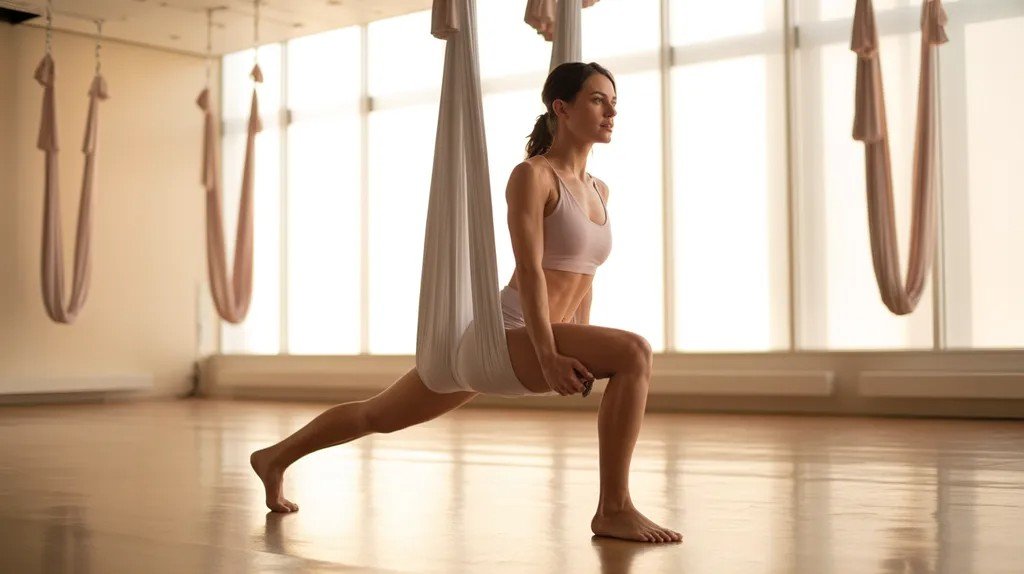
Step one foot forward into a lunge while the hammock supports your back leg. Sink your hips low and keep your front knee over your ankle.
Hold the fabric for balance. This pose opens tight hips and builds leg strength. Switch sides after a few breaths.
4. Floating Butterfly Pose
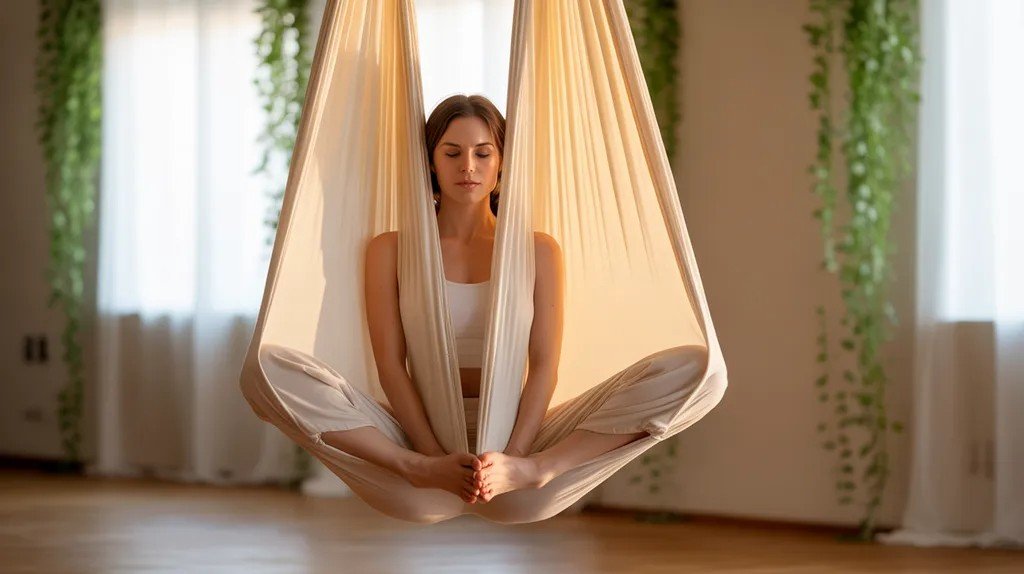
Sit in the hammock and bring the soles of your feet together. Let your knees fall open to the sides.
The silk cradles your back, so you can relax fully. This pose stretches your inner thighs and hips. Stay here for a minute and breathe slowly.
5. Zero Gravity Chair Pose
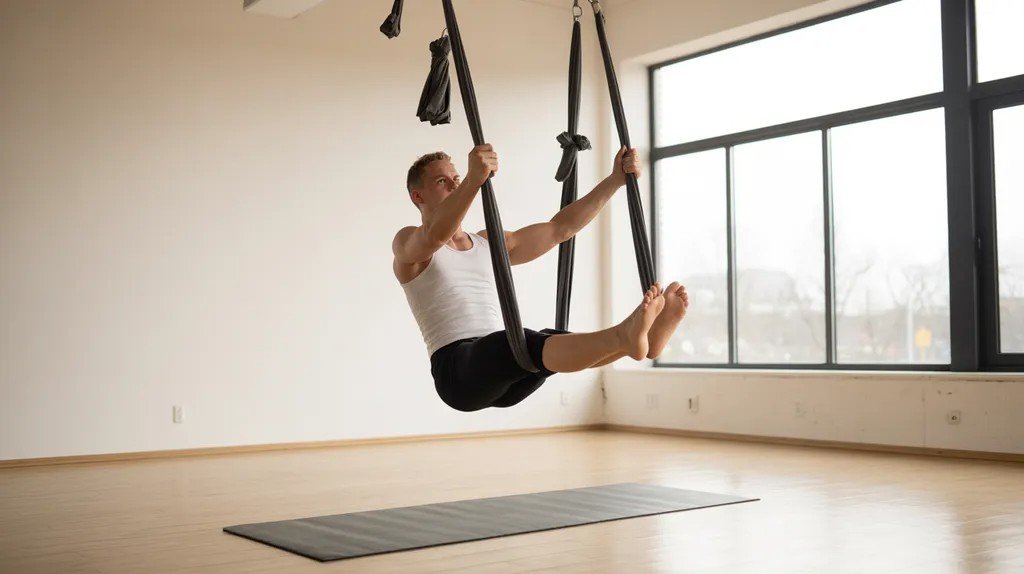
Sit back into the hammock like a chair. Lift your feet off the ground and engage your core to hold the position.
Your body floats with no weight on your spine. This pose builds core strength while you rest your back. Hold for 20 to 30 seconds.
6. Aerial Savasana
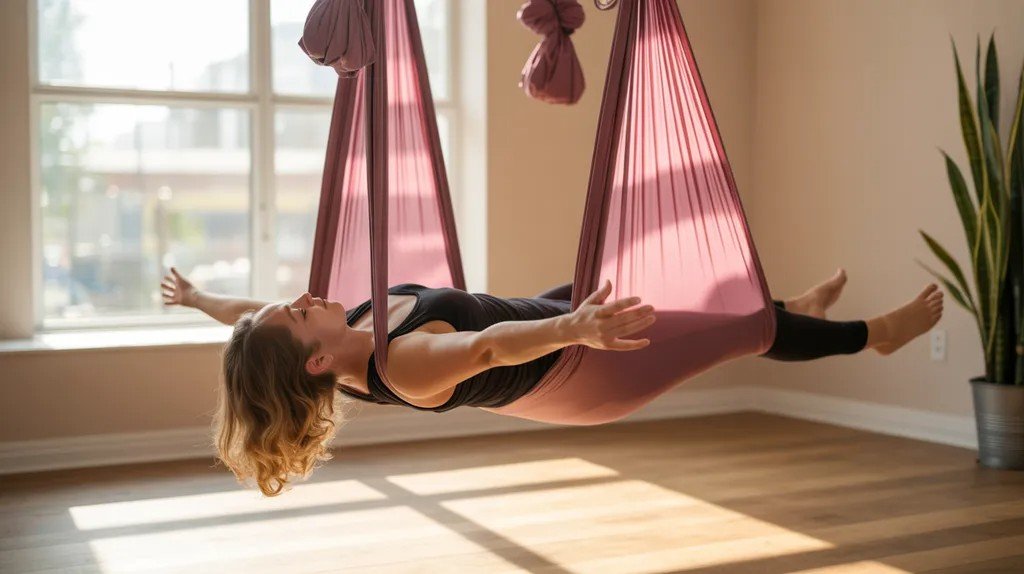
Wrap yourself in the hammock like a cocoon. Lie back and let it hold your full body weight. Close your eyes.
Let your muscles go soft. This is the final relaxation pose. It calms your mind after a hard practice.
7. Hammock Plank Pose
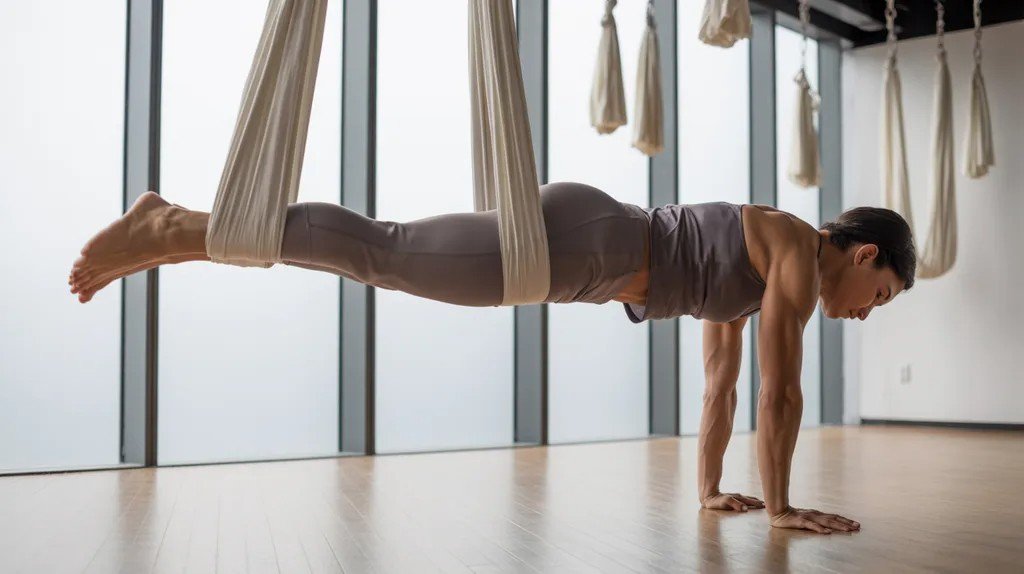
Place your feet in the hammock loops and walk your hands out to a plank. Keep your body in one straight line.
Engage your core hard. This pose builds shoulder and core strength fast. Hold as long as you can without losing form.
8. Aerial Pigeon Pose
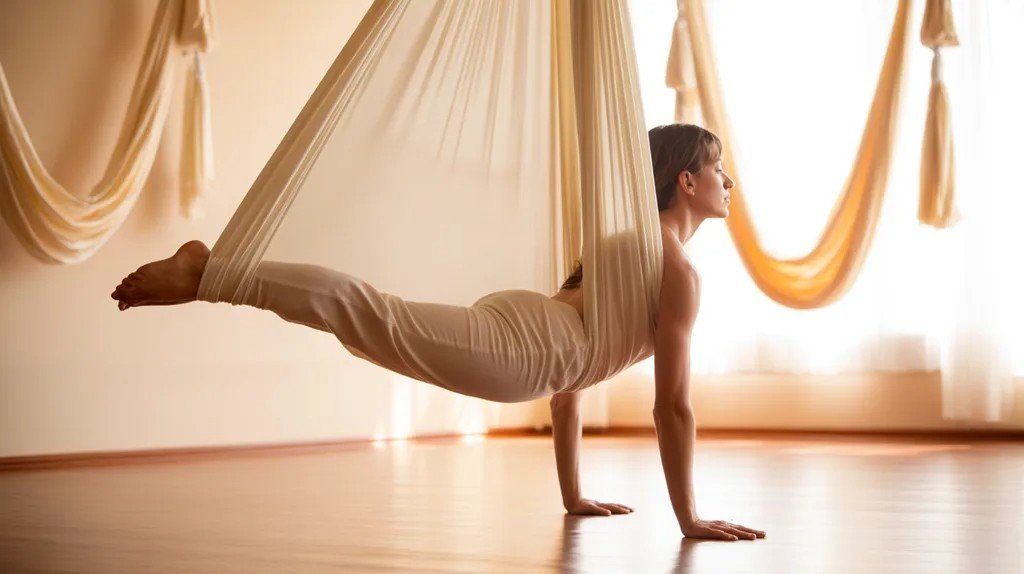
Bring one knee forward into the hammock while your other leg stretches back. Let the silk support your hip.
Sink deeper with each breath. This pose targets tight glutes and hips. Switch legs after 30 seconds on each side.
9. Flying Dog Pose
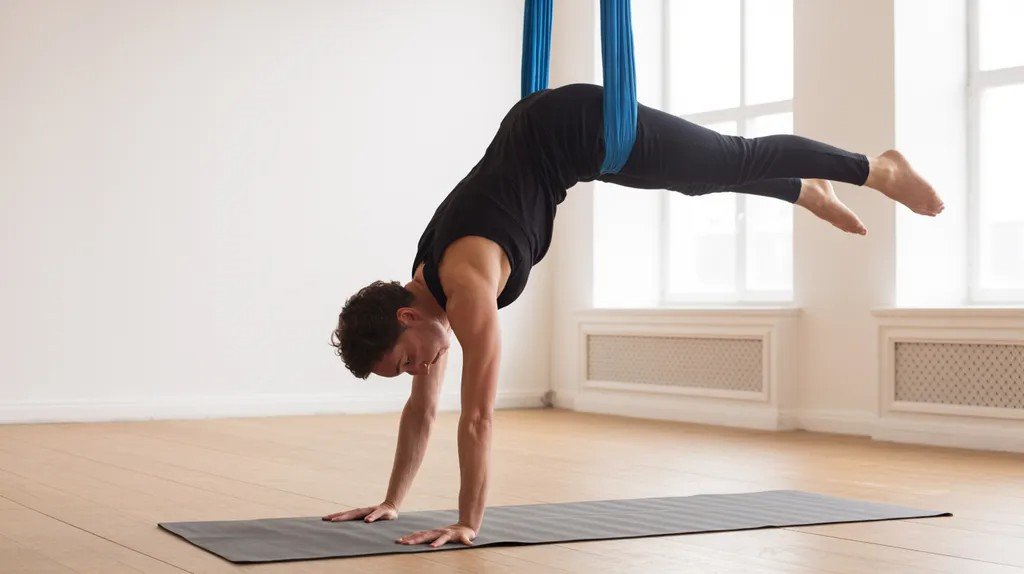
Place your hands on the ground and your hips in the hammock. Let your legs extend back and up.
This pose stretches your back and hamstrings at once. Keep your arms strong and your neck relaxed.
10. Aerial Bridge Pose
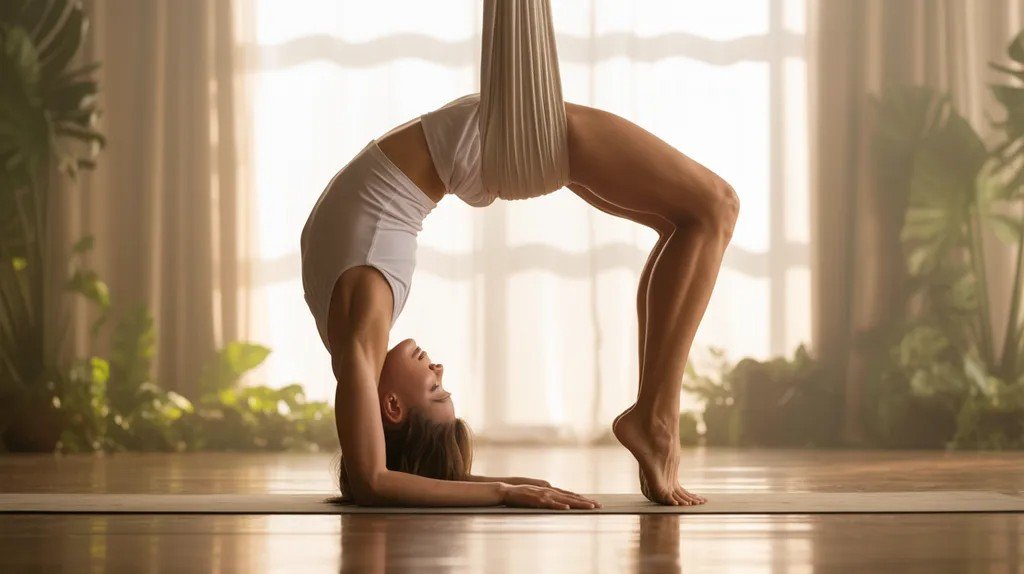
Lie back with the hammock under your hips. Press your feet into the floor and lift your chest toward the sky.
This pose opens your chest and fires up your glutes. Hold for a few breaths, then lower slow.
11. Star Inversion Pose
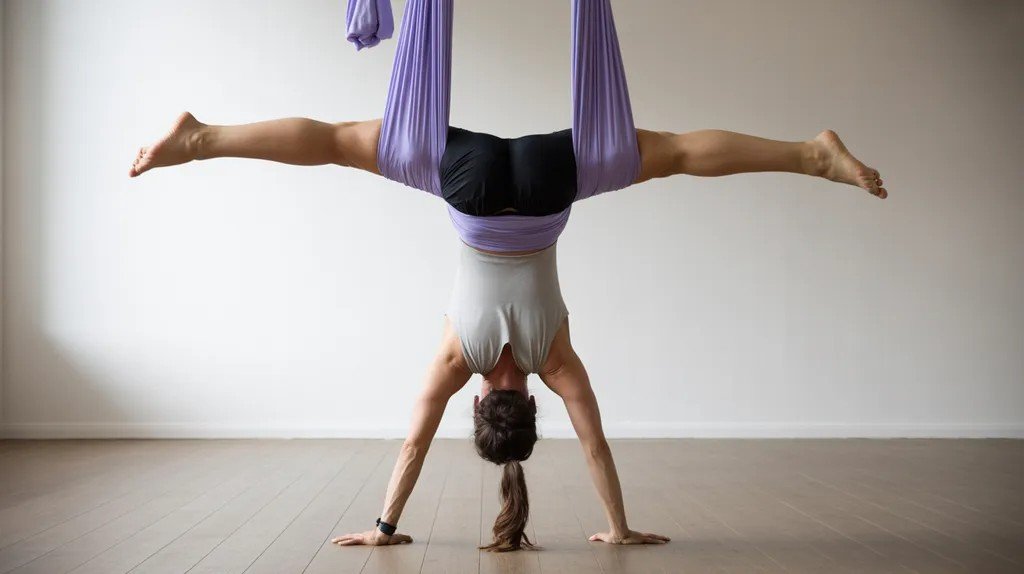
This pose flips you fully upside down with your legs spread wide like a star. Wrap the hammock securely around your hips first.
Keep your core tight as you invert. This boosts blood flow and tests your flexibility. Only try this once you feel steady in basic inversions.
12. Suspended Warrior Pose
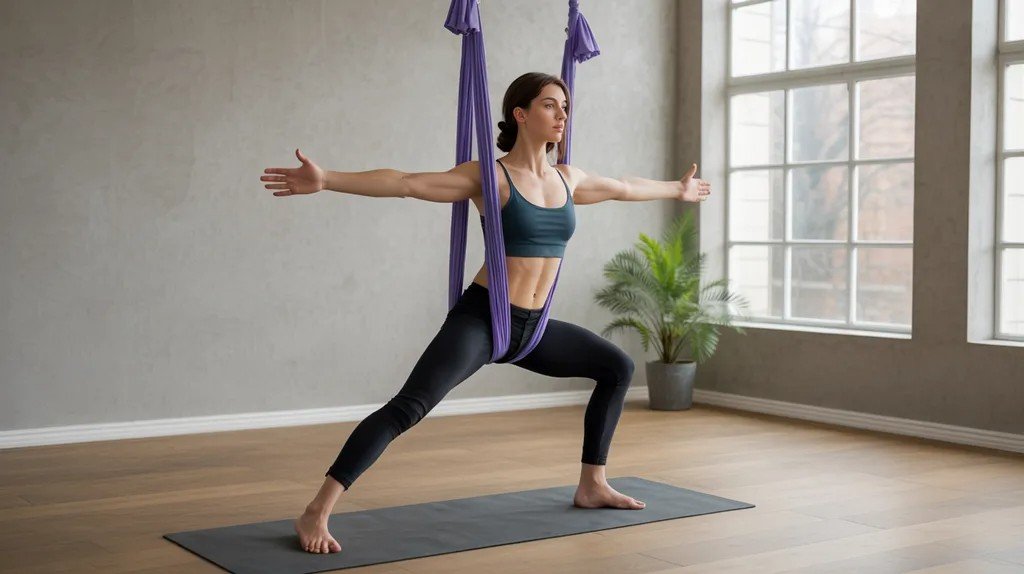
Stand with one foot in the hammock loop, raised in front of you. Bend your standing leg and reach your arms wide.
This pose challenges your balance and builds leg strength. Keep your eyes on one point to stay steady.
13. Angel Wings Pose
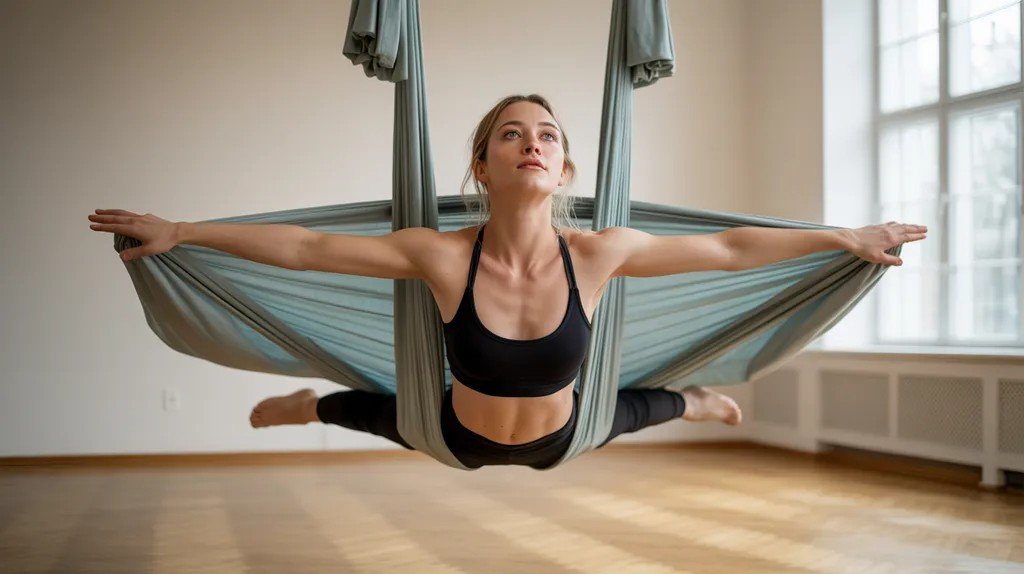
Wrap the hammock around your back and hold the sides like wings. Open your arms wide and lift your chest.
This pose stretches your shoulders and chest in a gentle, supported way. Breathe deep as you hold.
14. Aerial Handstand Variation
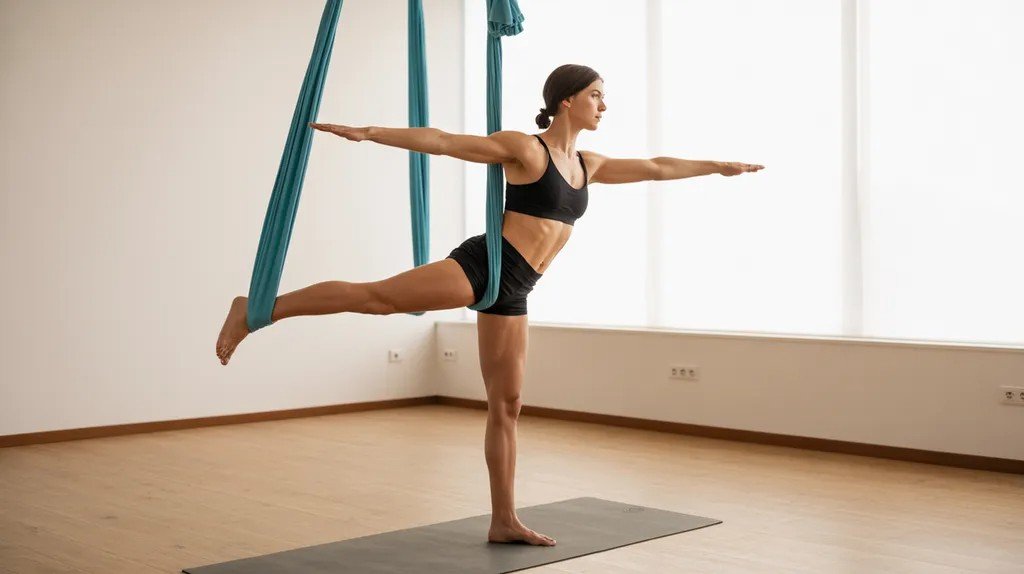
Use the hammock to support your hips as you kick up into a handstand. Keep your core tight and your gaze on your hands.
The silk gives you a safety net while you build confidence upside down. Practice this only with control.
15. Inverted Eagle Pose
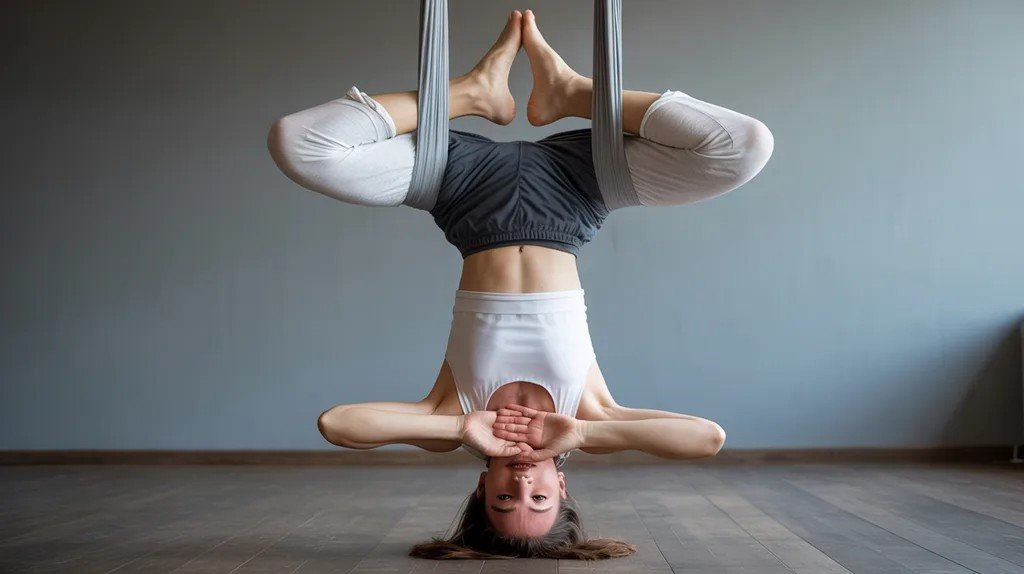
Wrap your legs around each other while hanging upside down in the hammock. Cross your arms in front of you too.
This pose tests your balance and compresses your core. Hold steady and breathe slow as you build control.
Equipment Needed for Aerial Yoga Practice
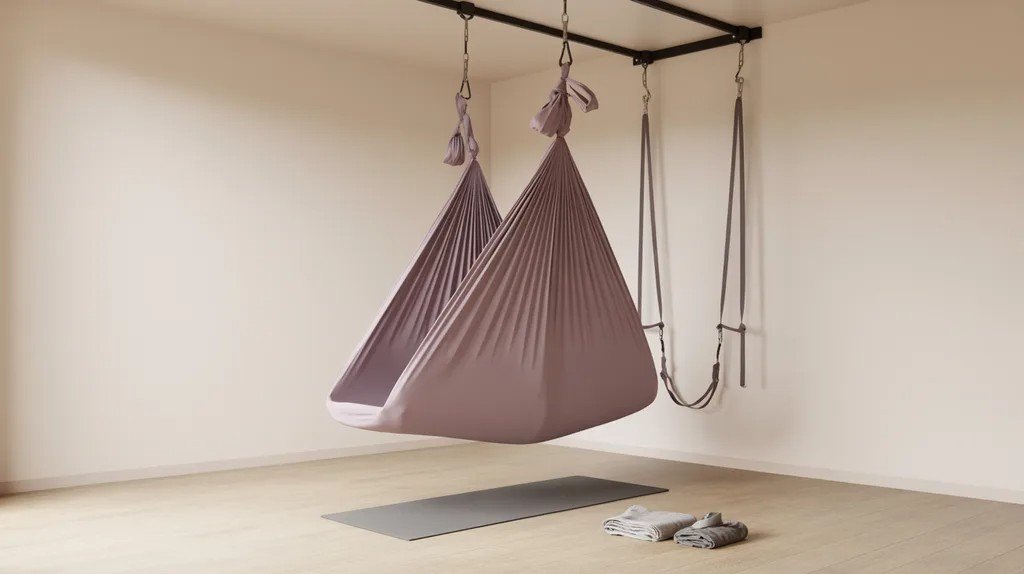
- Aerial yoga hammock: A strong silk sling rated for your body weight.
- Ceiling rig or stand: A secure mount point to hang your hammock safely.
- Carabiners and straps:Hardware that locks your hammock in place without slipping.
- Yoga mat:A soft layer under you for ground poses and landings.
- Comfortable workout clothes:Fitted clothes that won't catch or twist in the silk.
Beginner to Advanced Aerial Yoga Sequences
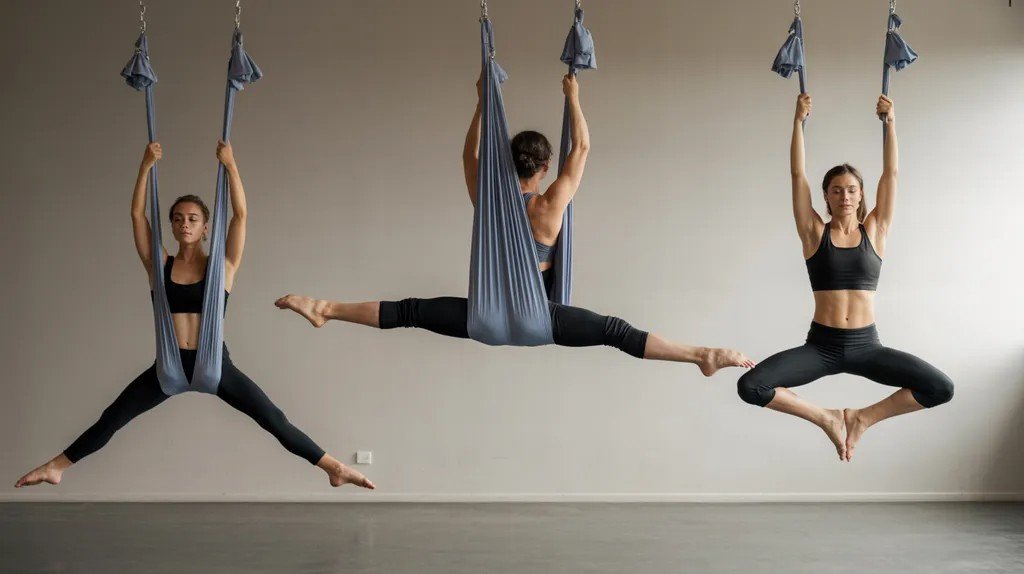
Your practice should grow with you. Here is how to build it step by step.
Beginner sequence:foundational poses + supported movements Start with Flying Mountain Pose to learn alignment.
Move into Floating Butterfly Pose for a gentle stretch. End with Aerial Savasana to relax fully.
Intermediate sequence: strength + balance transitions Begin with Hammock Plank Pose to fire up your core.
Flow into Aerial Lunge Pose for balance and strength. Finish with Aerial Bridge Pose to open your chest.
Advanced sequence: inversions + controlled aerial flow Warm up with Basic Inverted Bow Pose for spinal release.
Move into Star Inversion Pose for a full flip. Close with Inverted Eagle Pose to test your control.
How to Practice Aerial Yoga Safely
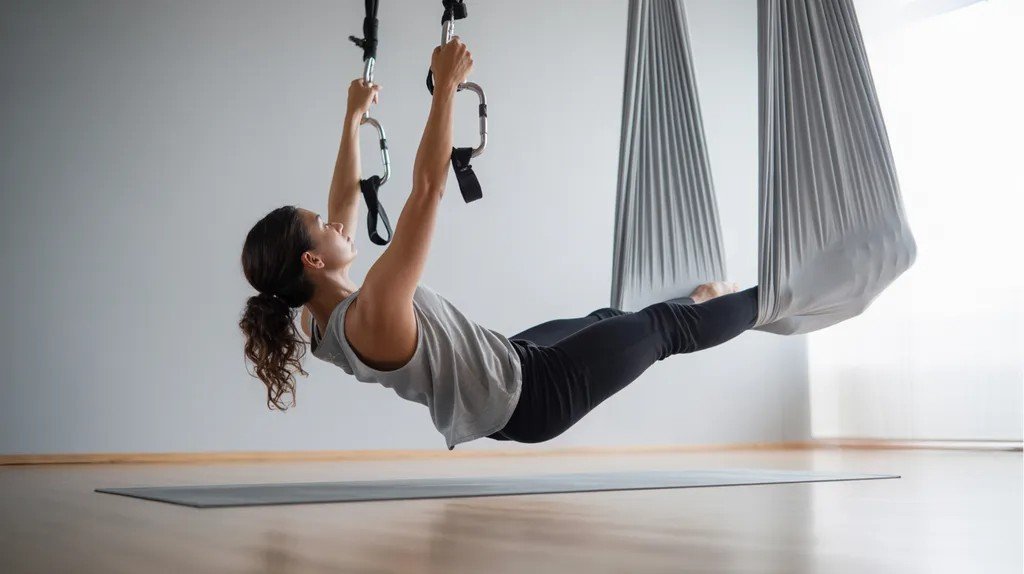
I'll always warm up for five minutes before I touch the hammock. Loosen your shoulders, hips, and spine first. This wakes up your body and keeps you safe.
Check your hammock setup every single time. Look at the rigging, the carabiners, and the weight rating. A quick check takes thirty seconds and saves you from a fall.
Keep your core engaged in every pose you try. Keep your spine neutral too. This protects your back during inversions and tough holds.
Move slow into upside-down poses. Never force a stretch. If something feels off, come down and rest before you try again.
Common Mistakes in Aerial Yoga Practice
Even experienced yogis slip up. Watch for these common errors.
Here are 5 common mistakes in aerial yoga practice:
- Skipping the warm-up: Cold muscles make falls and strains more likely.
- Using a hammock that is set too high or too low: Wrong height throws off your balance.
- Forcing a pose before you are ready: Your body needs time to build strength and flexibility.
- Ignoring proper grip technique: A weak grip leads to slips and loss of control.
- Practicing alone without a spotter or instructor: Aerial yoga needs guidance, especially for beginners.
Conclusion
I won't lie. My first month in the hammock was clumsy. I fell out twice. But I kept showing up, and now I move through this whole list of aerial yoga poses with ease.
You can get there too. Pick one pose from this guide and try it today. Notice how your body feels lighter and your mind feels quieter.
That is the real reward. Drop a comment and tell me which pose you tried first. Share this post with a friend who needs to slow down too.
Frequently Asked Questions
Is aerial yoga safe for beginners?
Yes, beginners can start slow with supported poses and proper guidance.
How often should I practice aerial yoga?
Two to three sessions a week works well for steady progress.
Do I need to be flexible to start aerial yoga?
No, flexibility builds over time as you practice on a regular basis.
What weight limit does an aerial yoga hammock have?
Most hammocks hold up to 300 pounds, but always check the label first.
Can aerial yoga help with back pain?
Yes, gentle inversions can ease tension and decompress your spine.