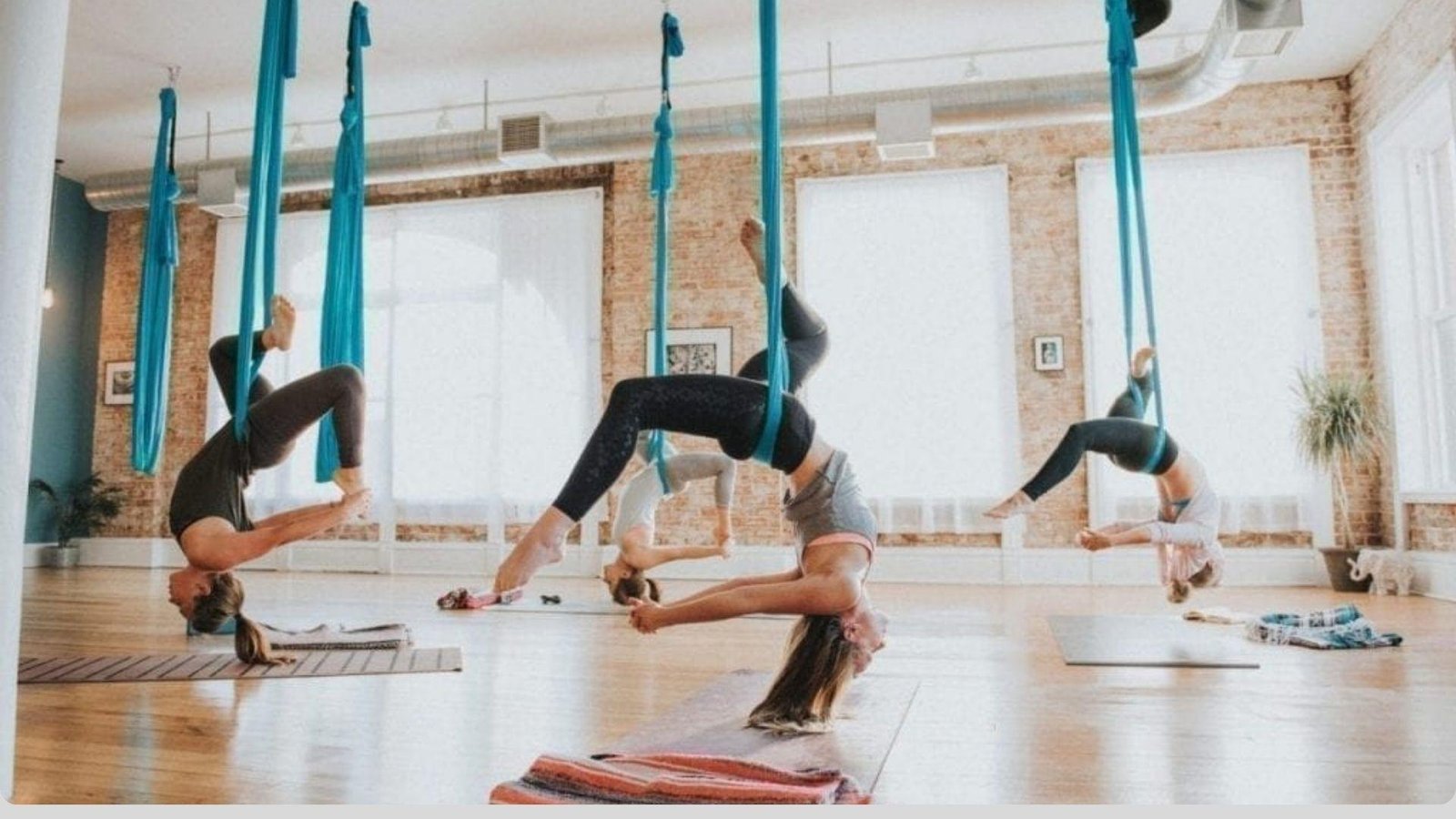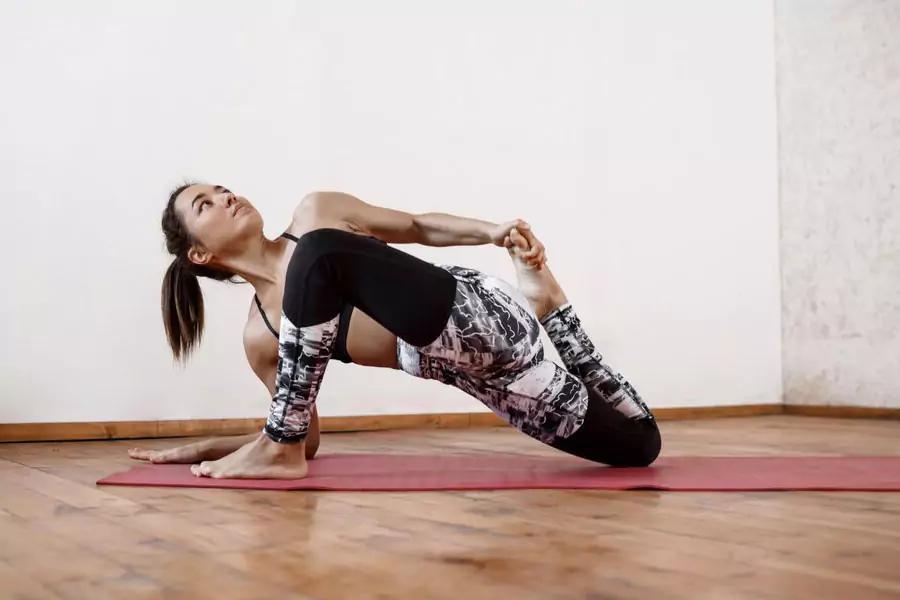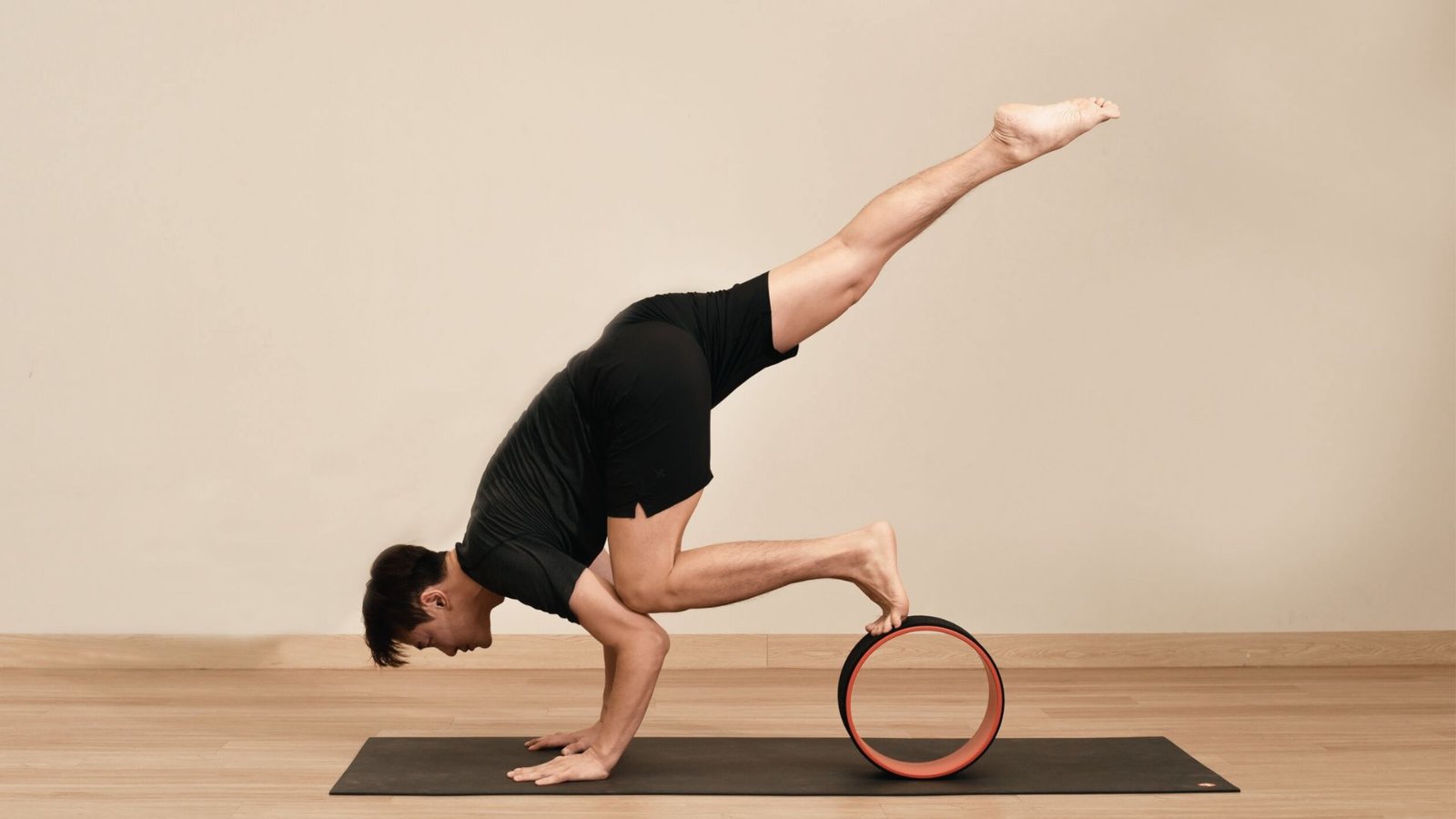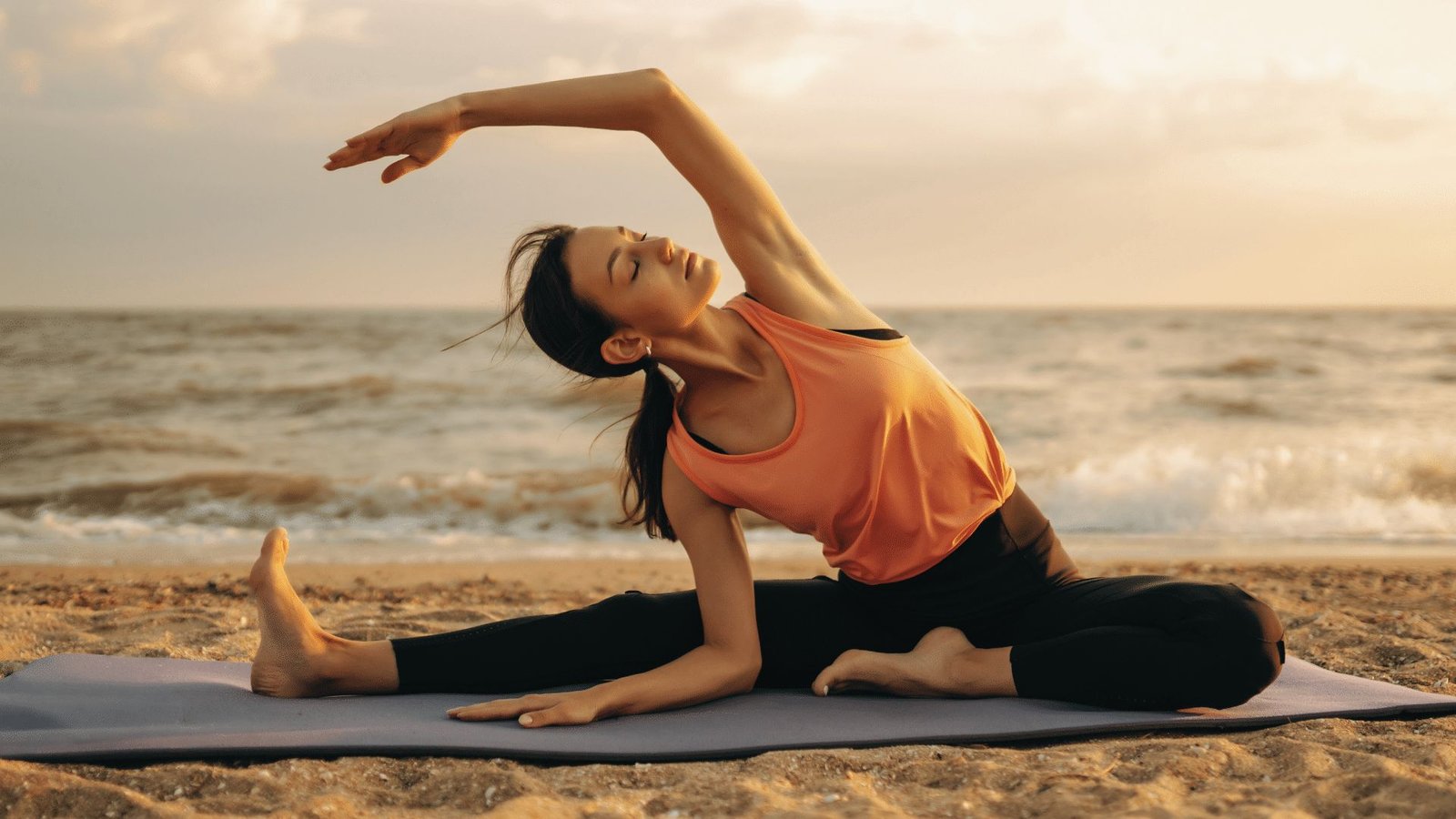
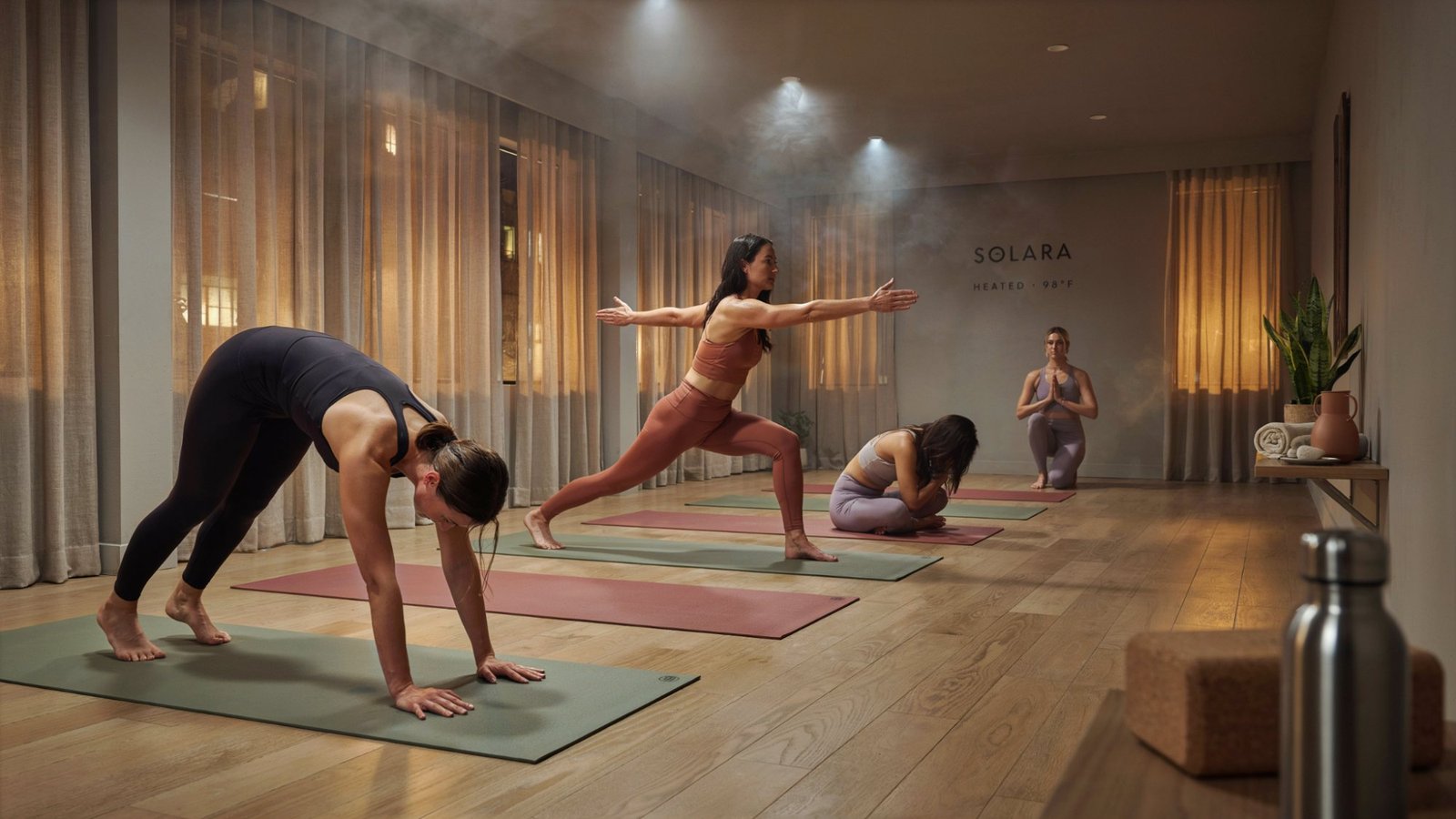
Have you been curious about heated vinyasa yoga but unsure what to expect from a hot flow class?
This guide will help you understand how it works, why people practice it, and what benefits it may offer.
You’ll learn about the class experience, common movements, beginner tips, safety points, and how it compares with regular vinyasa yoga.
This article is based on trusted yoga practices and clear guidance to help you make an informed choice.
If you are starting your yoga journey or trying out a new style, this guide will answer your questions in a simple way.
What Is Heated Vinyasa Yoga?
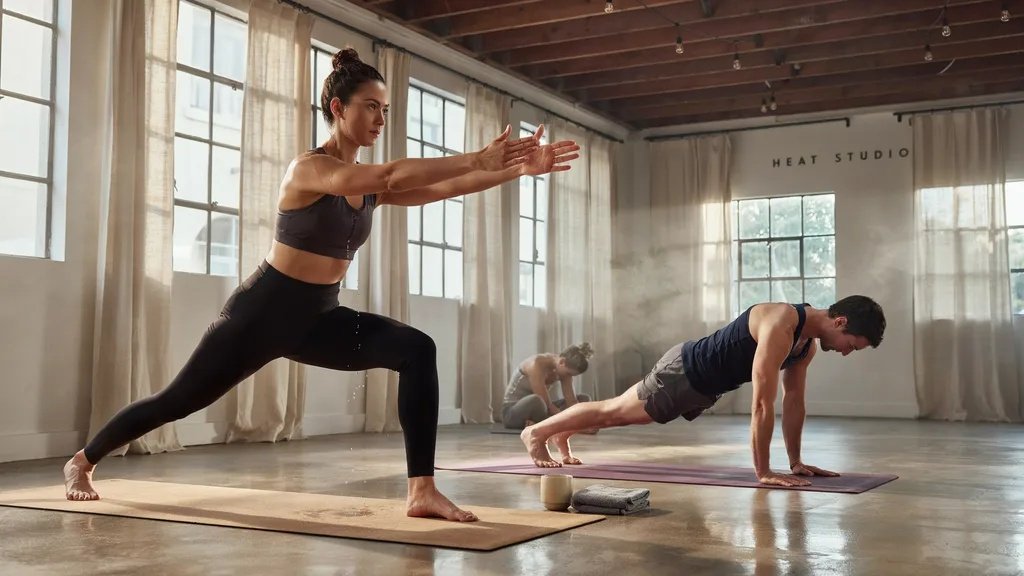
Heated vinyasa yoga is a style of yoga that combines flowing vinyasa movements with a warm studio environment.
In vinyasa yoga, each movement is connected with the breath, creating a smooth flow from one pose to the next.
The added heat creates a different experience by making the body feel warmer, increasing sweat, and adding a physical challenge to the practice.
Unlike regular vinyasa yoga, which is usually done at room temperature, heated vinyasa is practiced in a heated space.
It is also different from traditional hot yoga styles that often follow fixed sequences. Heated vinyasa focuses more on creative flows, breath awareness, and continuous movement.
How Does a Heated Vinyasa Yoga Class Work?
A heated vinyasa yoga class follows a flowing structure that combines movement, breath, and heat to create a balanced practice.
Each session usually moves from gentle preparation to more active sequences before ending with relaxation.
Arrival and Preparation
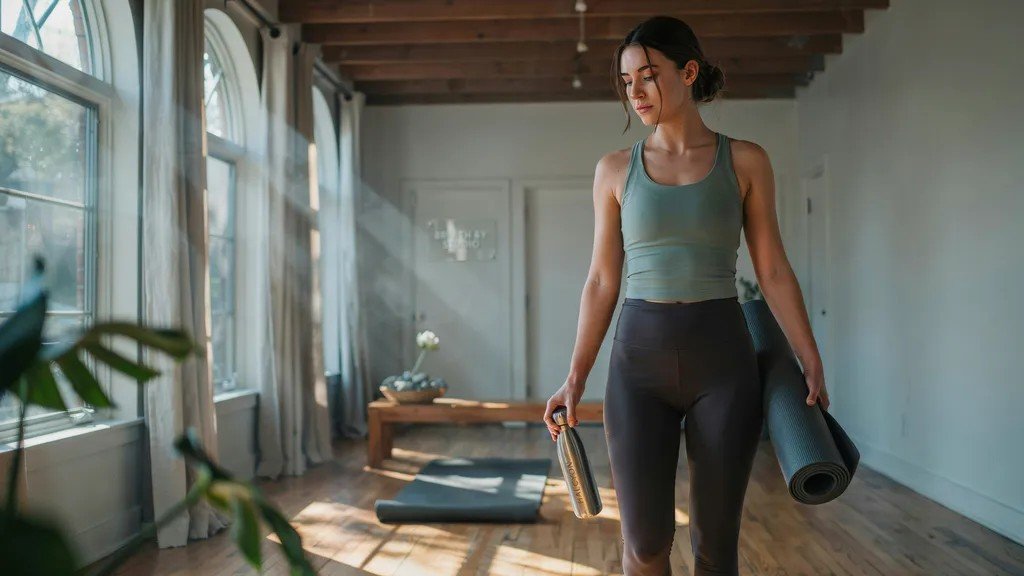
Before the class begins, students usually settle into the warm room, set up their mats, and prepare their body and mind for practice.
- Arrive early to adjust to the heat and environment.
- Keep water and a towel nearby.
- Focus on steady breathing before starting.
Warm-Up Poses
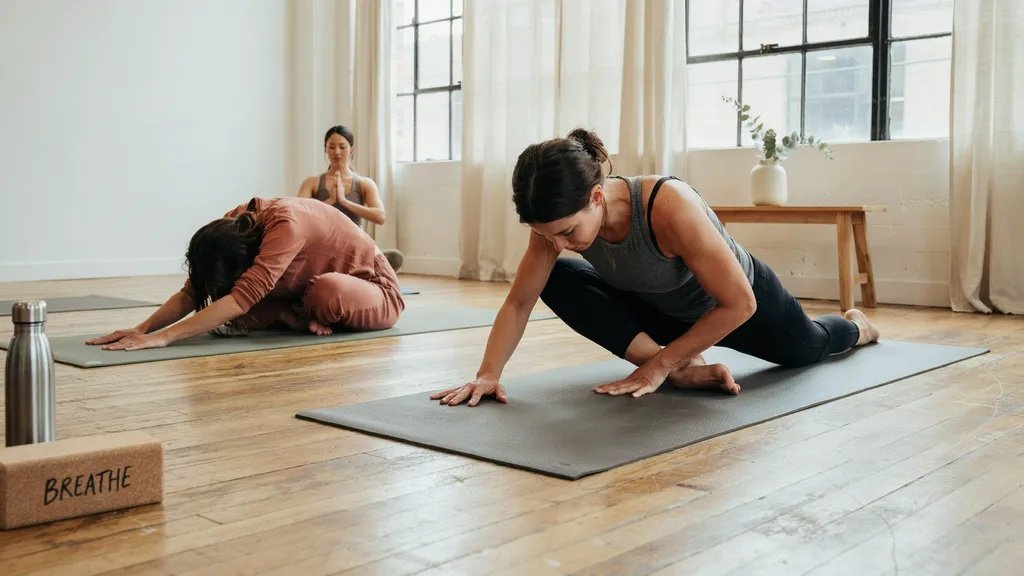
The class often begins with simple movements to loosen the body and prepare muscles for deeper poses.
- Gentle stretches and mobility movements are common.
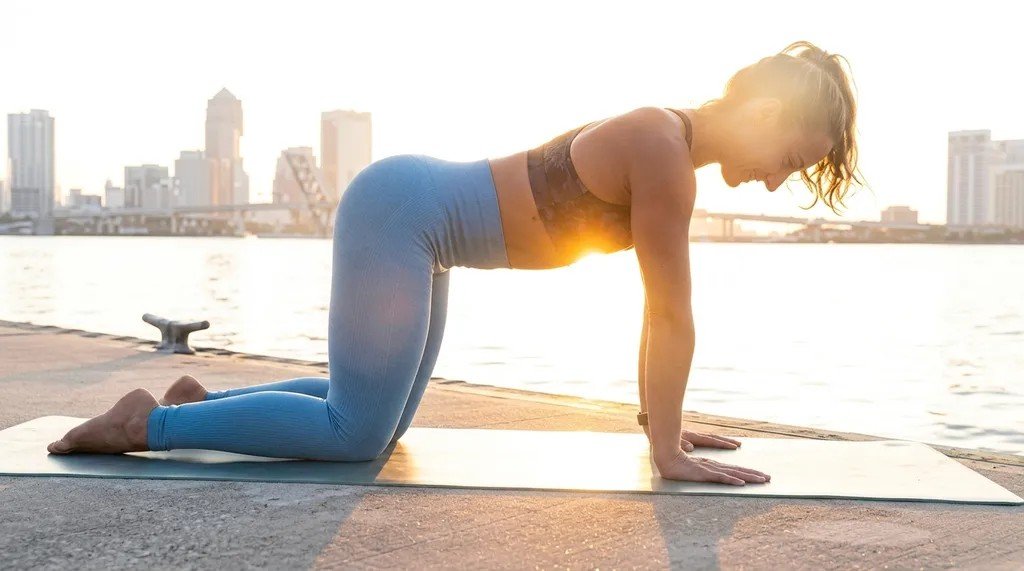
- Cat-cow, child’s pose, and easy twists may be included.
- Slow breathing helps create focus.
Flow Sequences
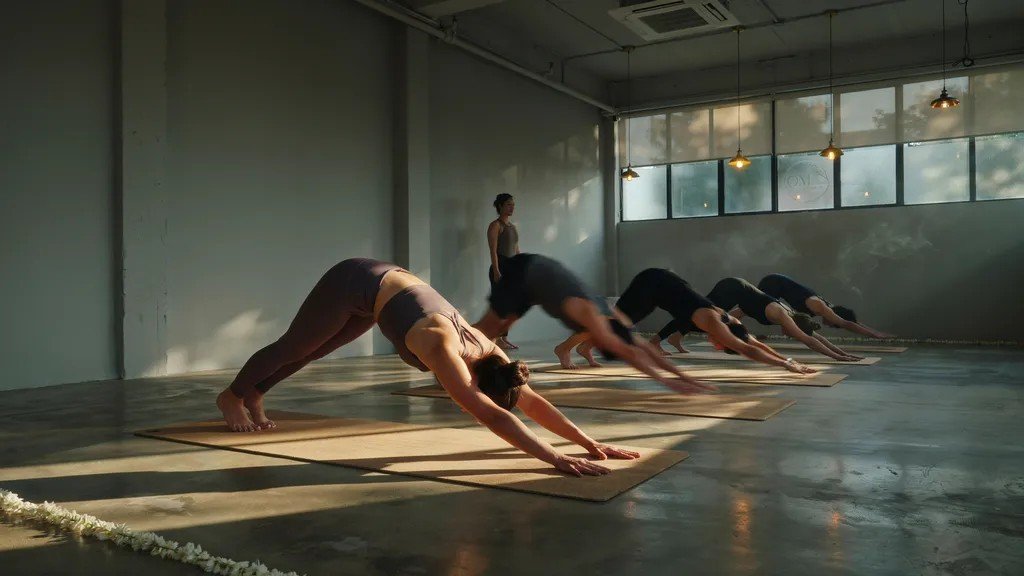
The main part of heated vinyasa yoga involves moving through poses in a continuous flow connected with the breath.
- Movements are matched with each inhale and exhale.
- Common sequences may include Sun Salutations.
- Transitions between poses help build strength and awareness.
Standing and Balancing Poses
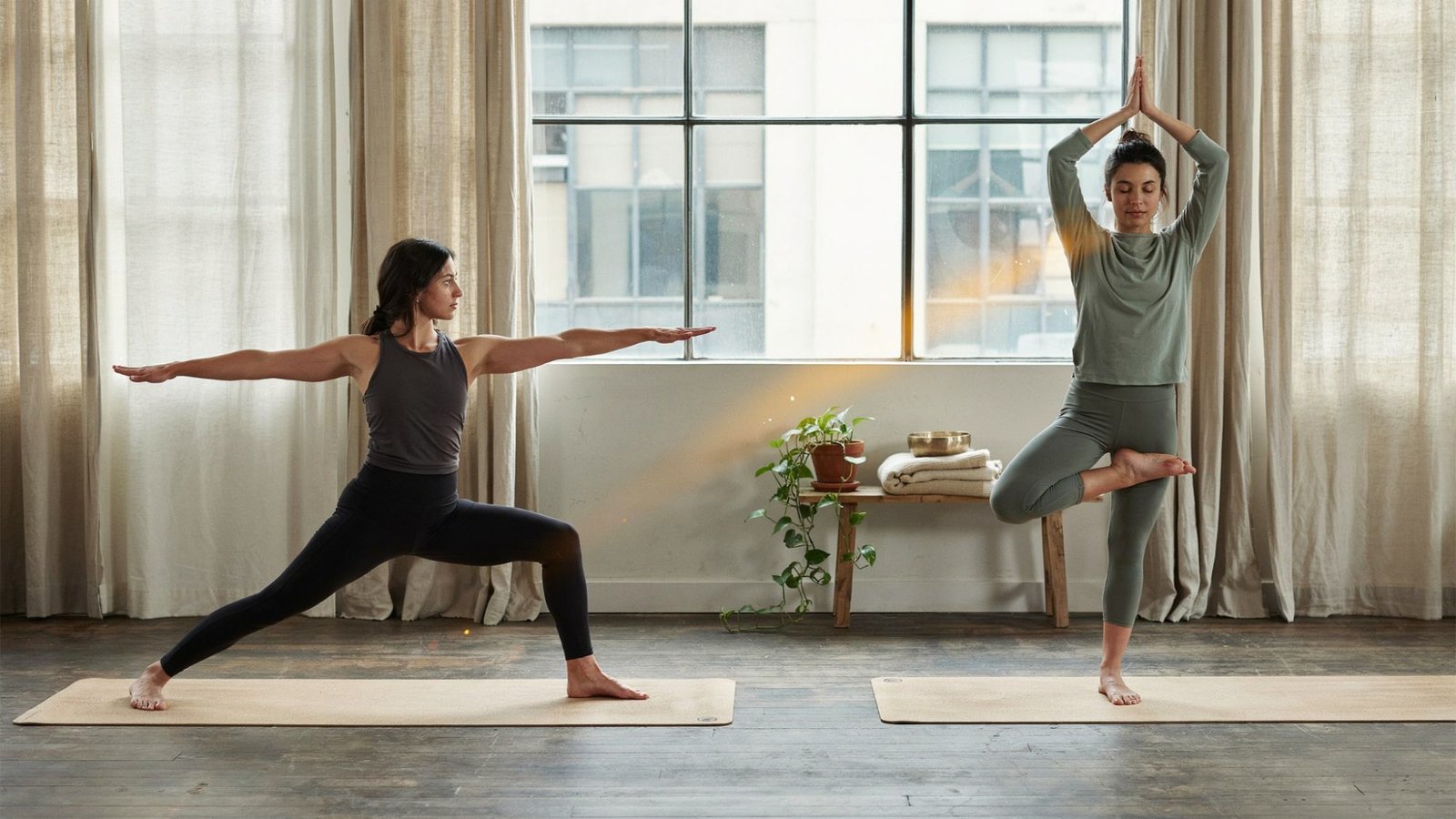
These poses add strength, stability, and concentration to the practice.
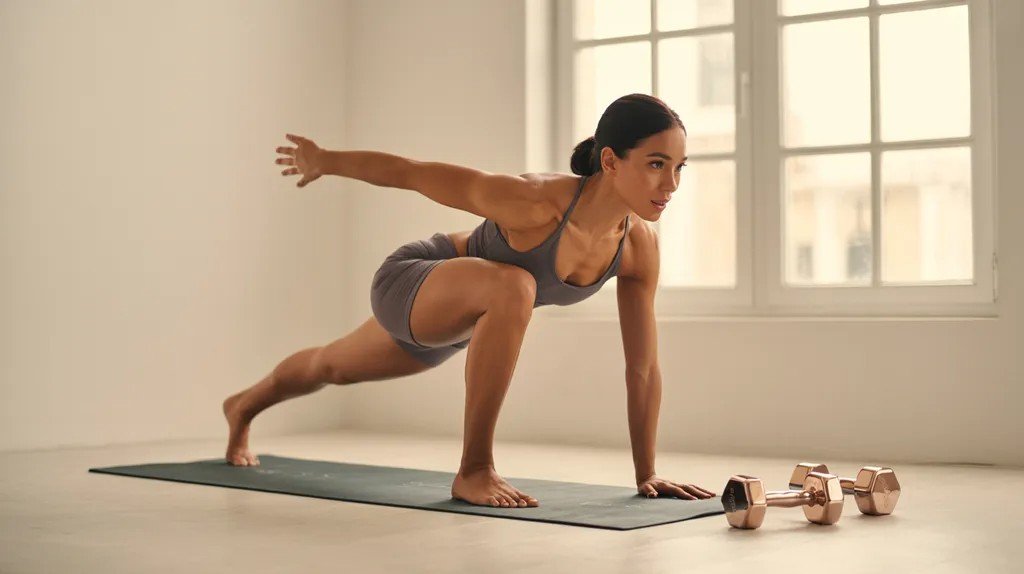
- Warrior poses, chair pose, and lunges are often included.
- Balancing poses like tree pose may challenge focus.
- Proper alignment helps support safe movement.
Cool-Down and Relaxation
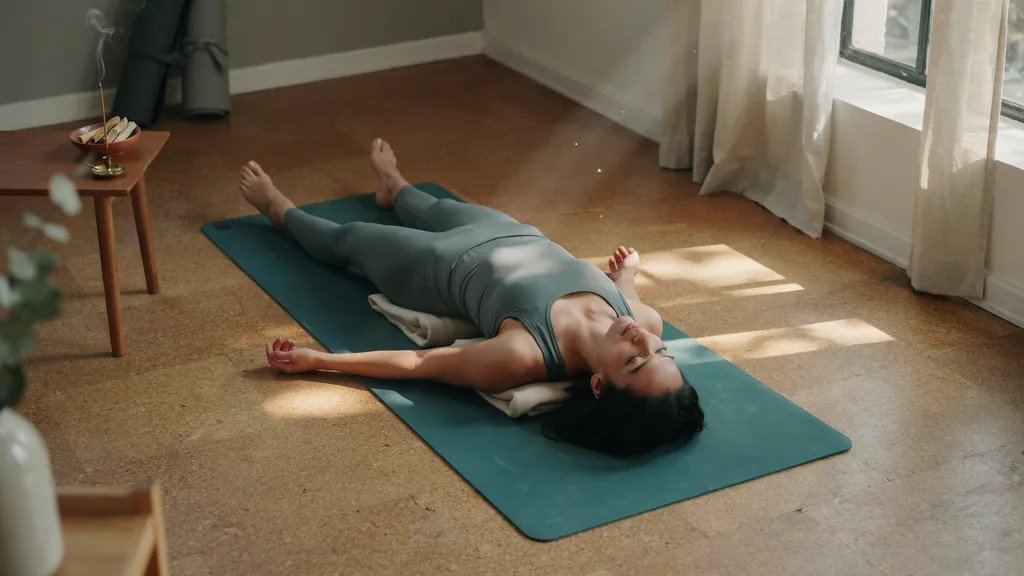
The class ends with slower movements that allow the body to recover after the active flow.
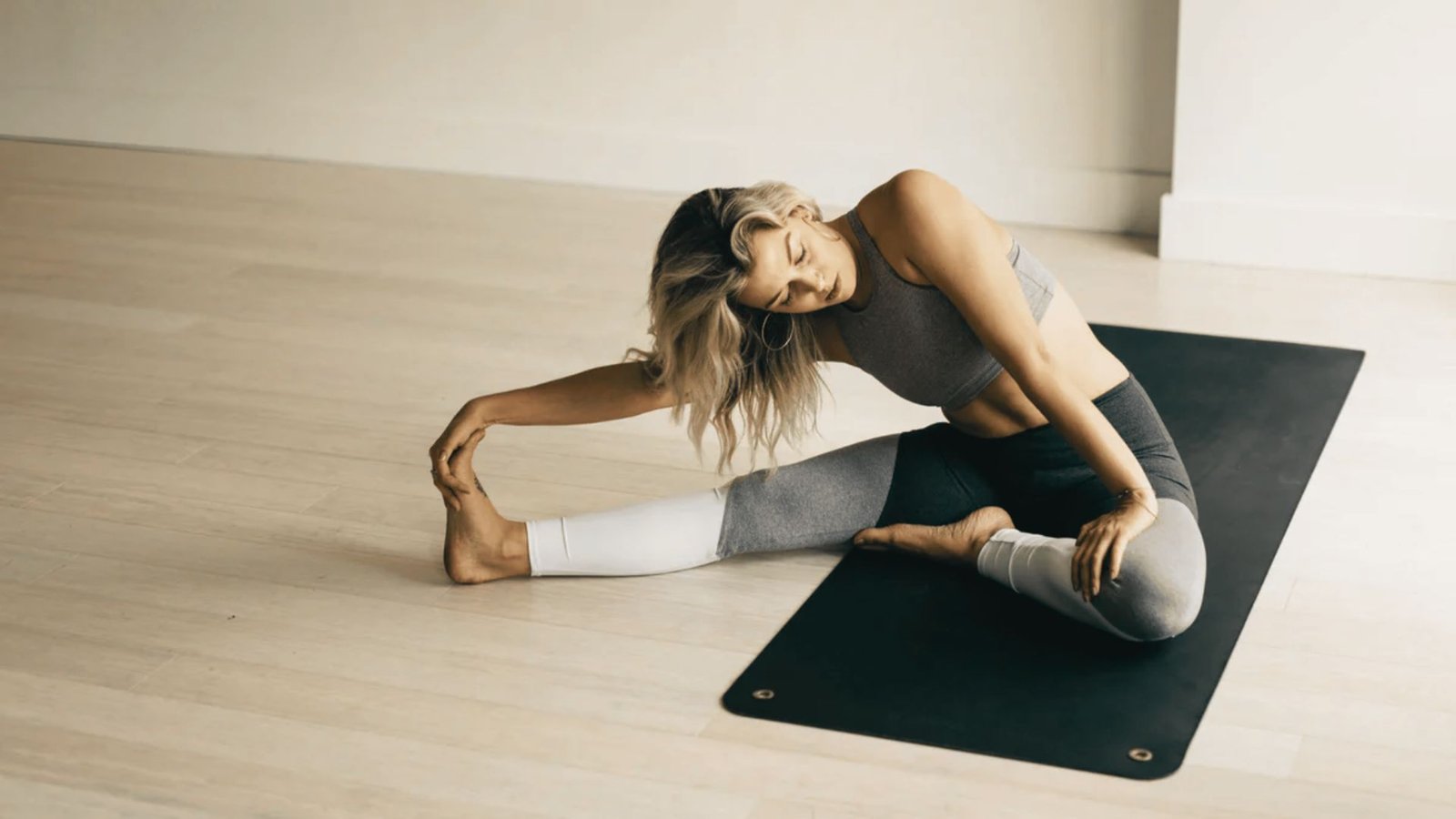
- Seated stretches and gentle twists may be practiced.
- Breathing becomes slower and calmer.
- Final relaxation helps release tension.
The Role of Breath Control
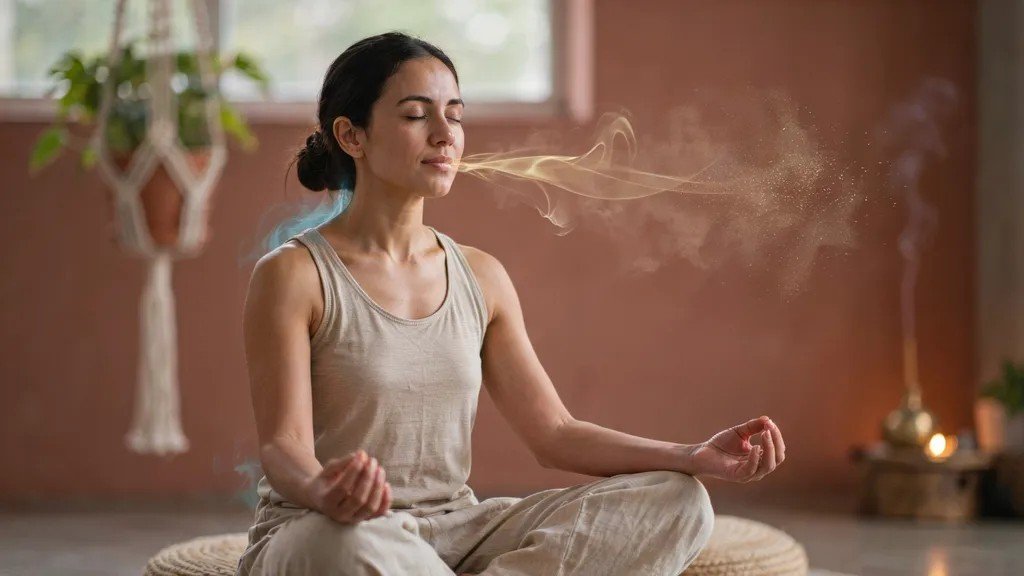
Breathing is a key part of heated vinyasa yoga because it guides movement and keeps the practice steady.
- Deep breathing helps maintain focus.
- Breath awareness supports smoother transitions.
- Controlled breathing helps connect body and mind.
Continuous Movement
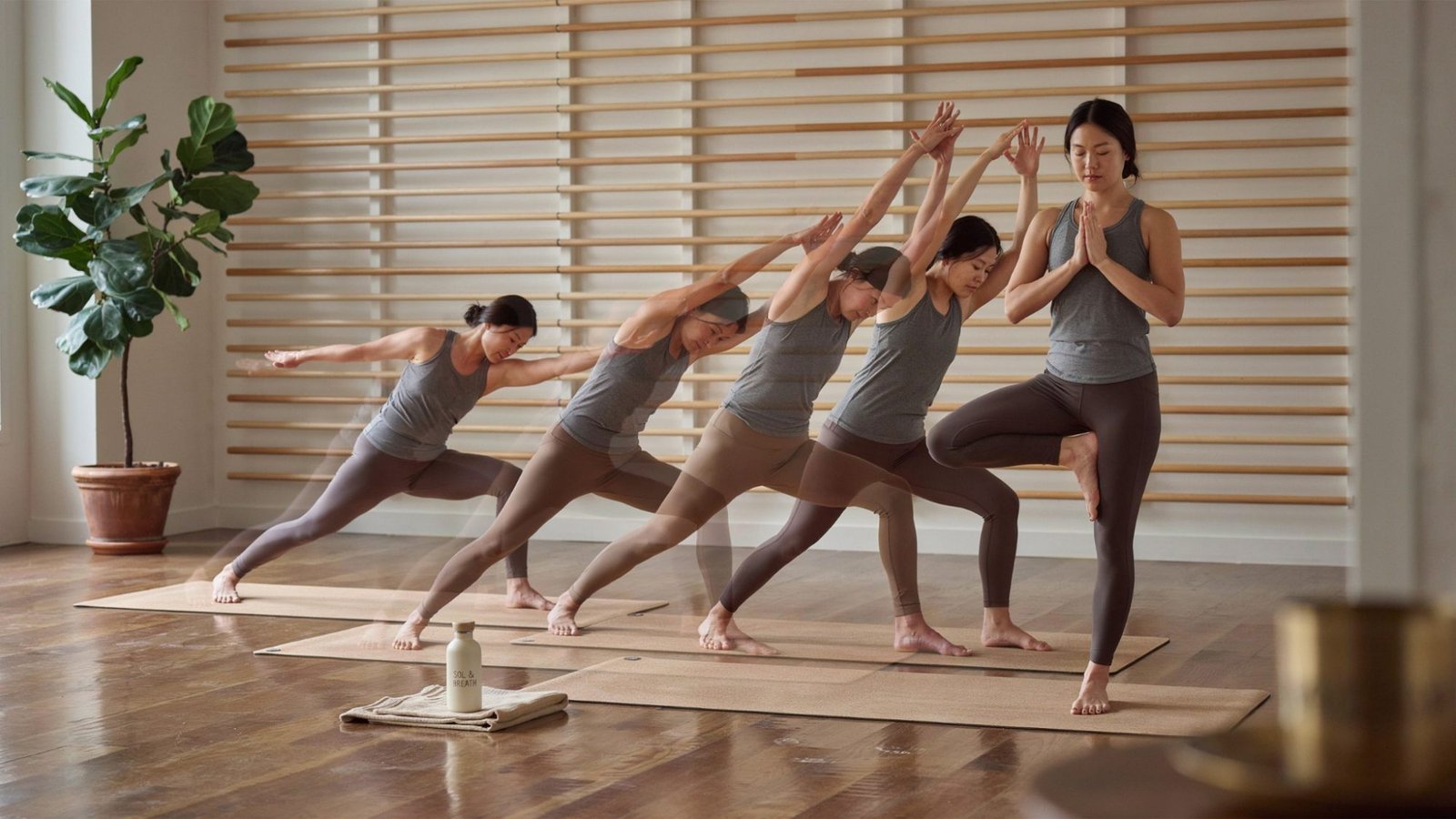
Unlike some yoga styles that hold poses for longer periods, heated vinyasa focuses on flowing from one movement to the next.
- Builds coordination and body awareness.
- Creates a more active yoga experience.
- Encourages staying present during practice.
Mind-Body Connection
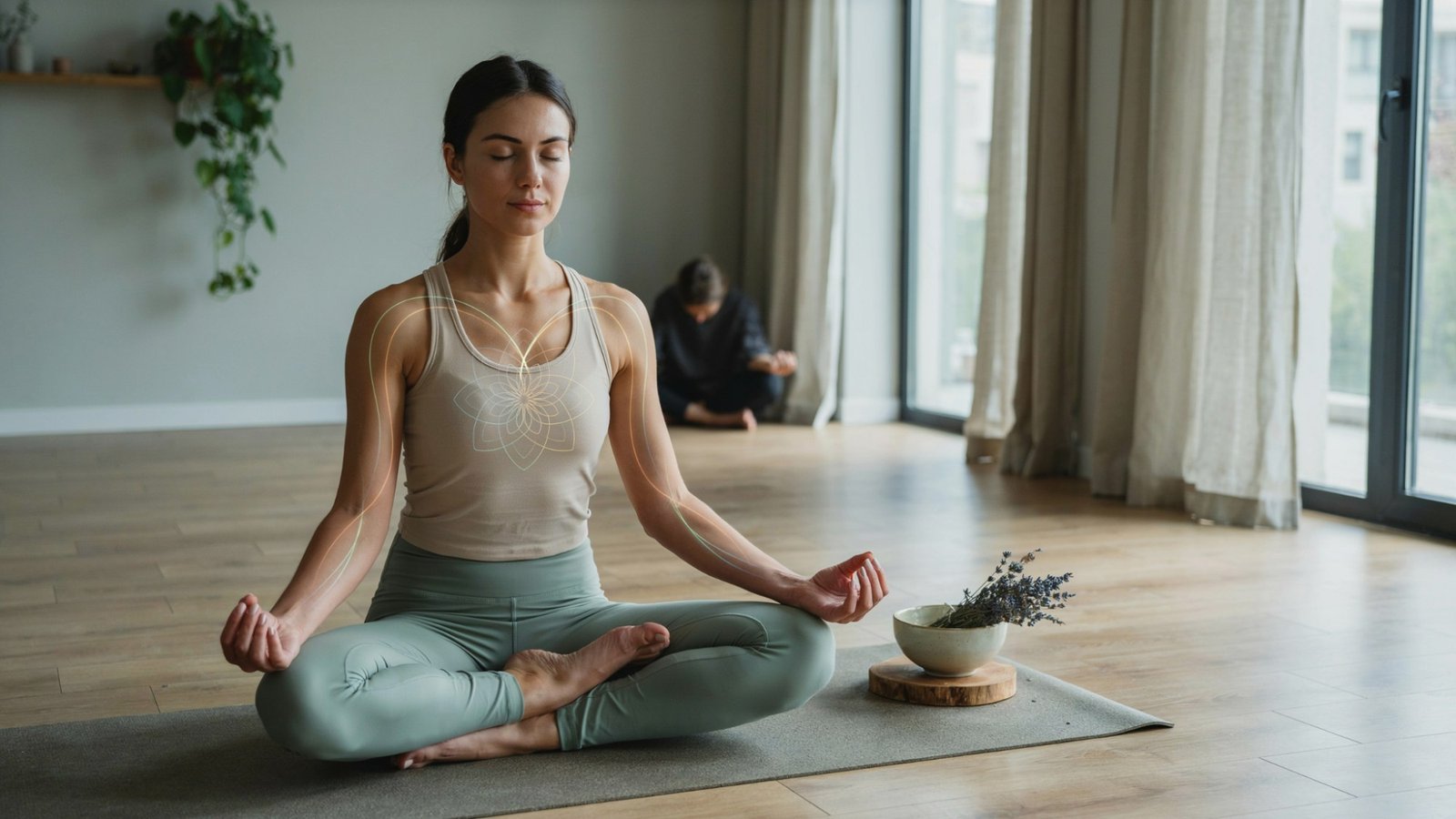
Heated vinyasa yoga combines physical movement with mental focus to create a mindful experience.
- Helps improve awareness of the body.
- Encourages staying focused on the present moment.
- Supports relaxation through breath and movement.
Benefits of Heated Vinyasa Yoga
Heated vinyasa yoga offers a mix of physical and mental benefits by combining movement, breathing, and a warm environment.
The heat and flowing sequences create a unique practice that challenges the body while encouraging focus and mindfulness.
Supports Flexibility and Mobility
The warm environment may help the body feel more prepared for movement and stretching.
With regular practice, heated vinyasa yoga can encourage smoother movement, improve flexibility, and support better overall mobility.
Builds Strength and Endurance
Flowing through different poses requires control, stability, and full-body engagement.
The continuous movements help strengthen muscles, improve stamina during longer sessions, and challenge balance through different yoga sequences.
Helps Reduce Stress
The combination of breath control and movement can create a calming effect.
Heated vinyasa yoga encourages mindfulness, helps shift focus away from daily stress, and supports relaxation through steady breathing and intentional movement.
Improves Balance and Body Awareness
Heated vinyasa yoga requires concentration and control during each pose.
Regular practice can help improve coordination, build awareness of posture and alignment, and create a stronger connection between movement and breath.
Creates a Challenging Yoga Experience
The added heat can make the practice feel more intense for many people.
It encourages mental focus, discipline, and a sense of accomplishment while helping practitioners safely explore their physical limits.
What to Expect During a Heated Vinyasa Yoga Class
A heated vinyasa class may feel different from a regular yoga session because of the warm environment and continuous movement.
Warm Studio Environment
The room is usually heated to create a warmer practice space.
- Expect increased sweating.
- Wear comfortable clothing.
- Drink enough water before and after class.
A Faster Flow Style
The class often moves continuously rather than holding one pose for a long time.
- Movements follow the instructor’s sequence.
- Beginners can take breaks when needed.
- Modifications are usually available.
A Mindful Practice
Although the class can be physically challenging, it also focuses on awareness.
- Pay attention to breathing.
- Listen to your body.
- Avoid pushing beyond your comfort level.
Heated Vinyasa Yoga vs Regular Vinyasa Yoga
Here is a table explaining the difference between regular and vinyasa yoga:
| Heated Vinyasa Yoga | Regular Vinyasa Yoga |
| Practiced in a warm environment | Practiced at normal room temperature |
| Creates more sweating | Usually less sweat |
| May feel more physically intense | Easier to control intensity |
| Requires more hydration awareness | Lower heat demands |
Is Heated Vinyasa Yoga Safe for Everyone?
Heated vinyasa yoga can be a rewarding practice, but it is important to approach it with awareness and care.
The combination of heat and movement may feel more demanding than regular yoga, especially for beginners.
Start slowly and give your body time to adjust to the warm environment. Listen to your body and take breaks whenever needed.
Avoid pushing through feelings of dizziness, nausea, or discomfort. Staying hydrated before and after class can also support a safer experience.
If you have concerns about exercising in heat or any health conditions, consider speaking with a healthcare professional before starting.
Heated Vinyasa Yoga for Beginners: Tips to Get Started
Starting a heated yoga class can feel new, but a few simple steps can make the experience easier.
- Drink water before class.
- Bring a yoga mat and towel.
- Wear breathable clothes.
- Arrive early to adjust to the room.
- Take breaks whenever needed.
- Focus on learning rather than perfection.
How Often Should You Practice Heated Vinyasa Yoga?
The right frequency depends on your fitness level and comfort.
- Focus on consistency instead of intensity.
- Allow time for rest and recovery.
- Combine yoga with other healthy habits.
Conclusion
Heated vinyasa yoga can be a meaningful way to connect with your body, improve movement, and create a little space for yourself.
I’ve always found that practices combining breath and movement can bring a sense of balance to a busy day.
If you are thinking about trying it, start with curiosity and move at your own pace. Imagine stepping into your first class feeling prepared and confident.
See what works for you, and share your thoughts in the comments or share this post with someone interested in heated vinyasa yoga.
Frequently Asked Questions
What is heated vinyasa yoga?
Heated vinyasa yoga combines flowing yoga movements with a warm studio environment.It focuses on breath, movement, and mindful transitions between poses.
Is heated vinyasa yoga good for beginners?
Yes, beginners can try heated vinyasa yoga by starting slowly and taking breaks when needed.Listening to your body helps create a comfortable practice.
How is heated vinyasa yoga different from regular vinyasa yoga?
The main difference is the warm room used during heated vinyasa classes.The added heat may make the practice feel more physically demanding.
What should I bring to a heated vinyasa yoga class?
Bring a yoga mat, water bottle, and towel for a more comfortable session.Wearing breathable clothing can also help you move easily.
How often should I practice heated vinyasa yoga?
The ideal frequency depends on your comfort level and goals.Regular practice with enough rest can help you build consistency over time.