Have you seen photos of people floating in soft fabric hammocks during a yoga class and wondered what that is all about? That's aerial yoga, and it looks harder than it actually is.
I started practicing aerial yoga a few years ago, and it changed how I look at flexibility and balance. In this guide, I will walk you through everything a beginner needs to know.
You will learn what aerial yoga is, how it works, and what happens during a class.
I will also cover the equipment used, how this practice differs from regular yoga, its benefits, and if it suits beginners.
By the time you finish reading, you will feel ready to try your first class with confidence.
What Is Aerial Yoga?
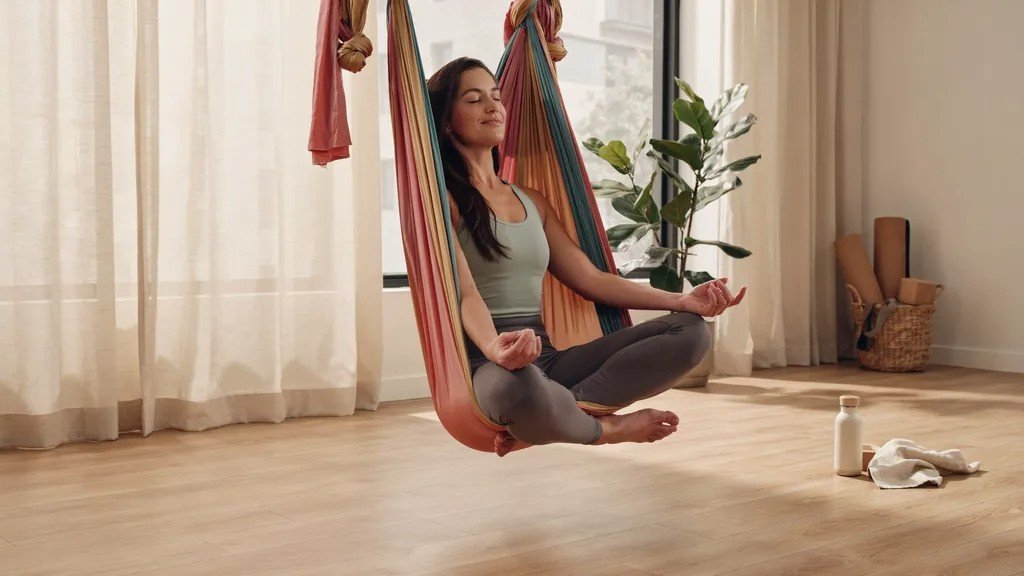
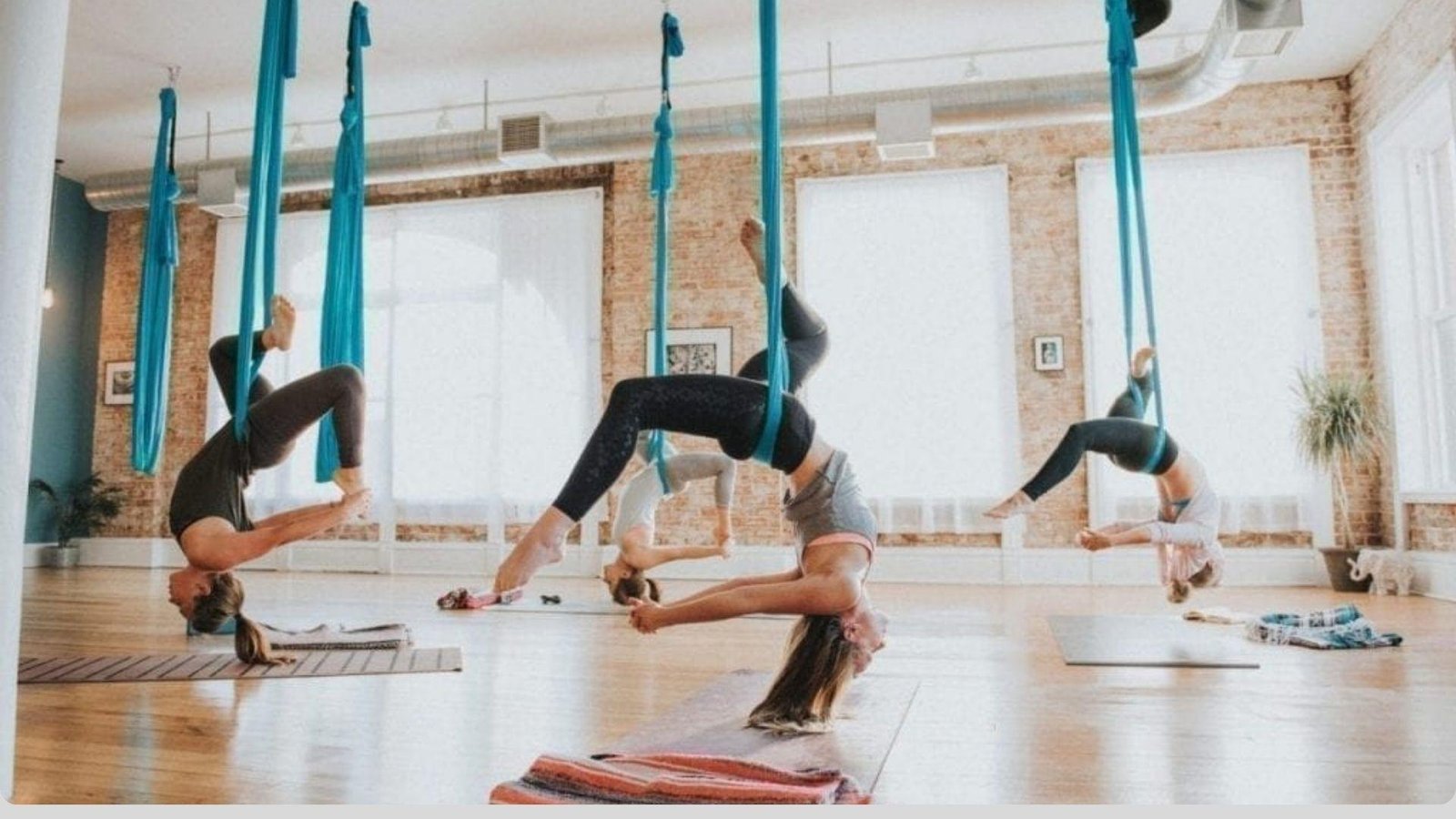
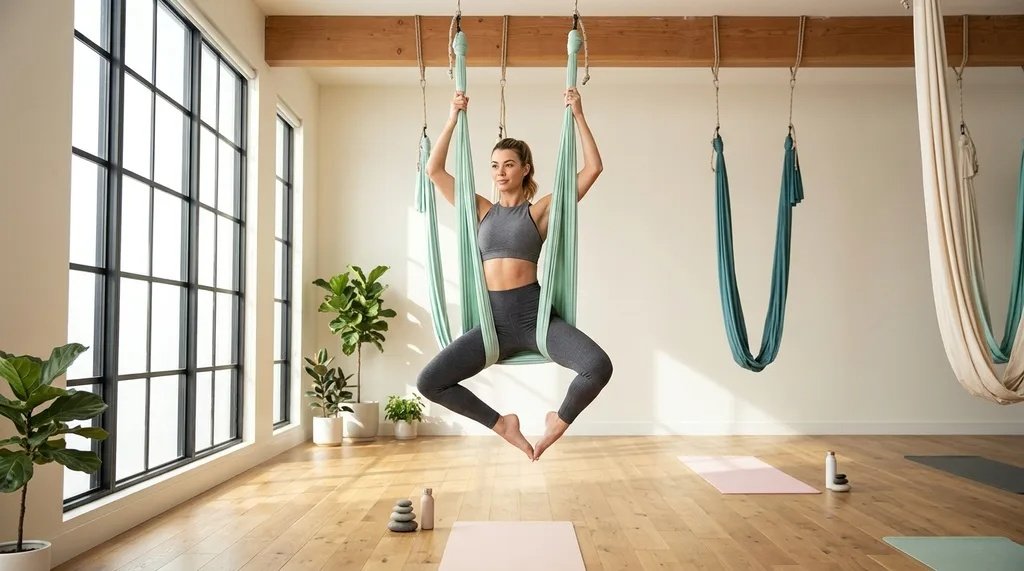
Aerial yoga is a style of yoga that uses a fabric hammock hung from the ceiling. The hammock acts like a support tool. It holds part or all of your body weight while you move through poses.
You use the hammock to stretch, balance, and even hang upside down. It mixes regular yoga moves with the feel of floating in the air. Some people call it anti-gravity yoga because of how it takes pressure off your joints.
I remember my first class. I felt nervous about the height, but the hammock felt sturdy from the first pose. That nervous feeling faded fast once I got used to the support.
How Does Aerial Yoga Work?
The hammock attaches to the ceiling using a strong rig and carabiners. Studios test this setup carefully before every class.
The hammock can hold a lot of weight, so you don't need to worry about it giving out.
You adjust the height of the hammock based on the pose. For some moves, it sits low to the ground.
For others, it hangs high enough to support an inversion, where your head is below your hips.
The fabric stretches and moves with you. This lets you ease into stretches that would be tough on a mat. Your body weight gets spread out, so there is less strain on your spine and joints.
Types of Aerial Yoga Equipment
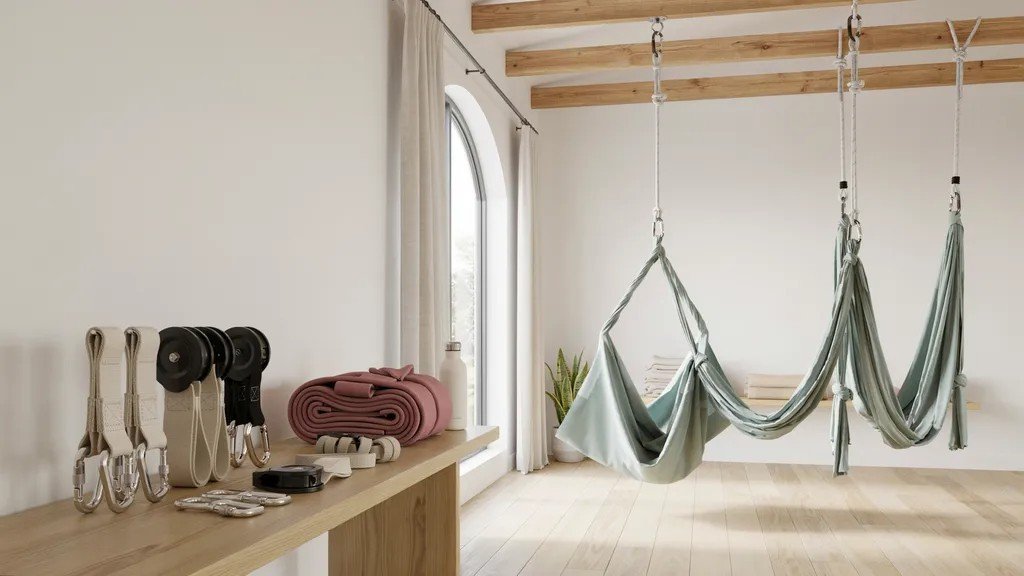
Not all aerial gear is the same, so let's break down what you'll actually use.
Aerial Yoga Hammocks
The hammock is the main tool you will use. It is made of strong, stretchy fabric, usually nylon. It wraps around your body and supports your weight during poses.
Hammocks come in different lengths, but studios usually pick the right size for their ceiling height.
Yoga Swings and Trapezes
A yoga swing looks more like a small seat with straps. Some swings have a bar, similar to a trapeze. These work well for poses that need more stability, like sitting positions or gentle inversions.
You will often see swings used in home setups since they take up less space.
How Is Aerial Yoga Different From Traditional Yoga?
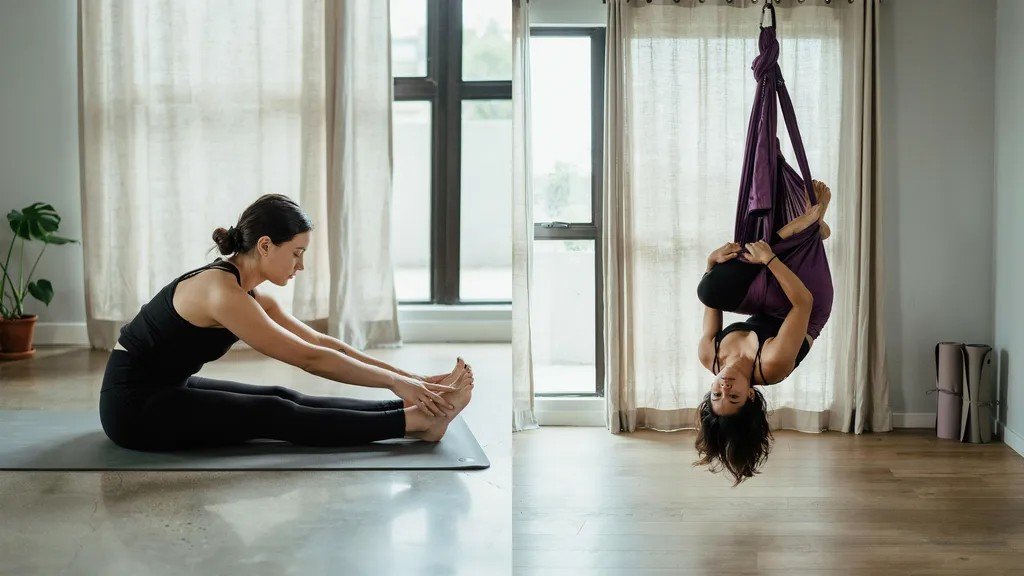
Traditional yoga keeps you on a mat the whole time. Aerial yoga adds a hammock, which changes how your body moves through each pose.
In a normal class, gravity pulls your body down the whole time. In an aerial class, the hammock takes some of that weight off. This makes it easier to stretch deeper without straining your muscles.
Inversions are also a big difference. Flipping upside down on a mat takes a lot of strength and practice. In a hammock, you can ease into an inversion with support, so it feels less scary.
The pace can feel different too. Aerial yoga often moves slower since each pose needs more focus on the setup.
Benefits of Aerial Yoga
From less joint strain to better flexibility, here's what you gain from this practice.
- It takes pressure off your spine and joints
- It helps you stretch deeper than a mat allows
- It builds core strength since you balance in the hammock
- It improves flexibility over time with regular practice
- It can ease back pain for some people
- It helps you build trust in your body and the equipment
- It gives you a fun break from regular workouts
- It can lower stress, since hanging upside down often feels calming
Is Aerial Yoga Suitable for Beginners?
Yes, aerial yoga works well for beginners. Most studios design their first classes with simple poses. You don't need any past yoga experience to start.
The instructor will guide you step by step. You can also skip any pose that feels too hard. Most studios let you keep one foot on the ground if you are not ready for a full inversion.
I tell every beginner the same thing. Go at your own pace. The hammock supports you, but you control how far you push yourself.
Common Aerial Yoga Poses
Here are a few poses you'll likely try in your first few classes.
- Hammock Pose: lying back in the hammock like a cocoon, this pose helps you relax and stretch your spine
- Star Pose:you spread your arms and legs while the hammock supports your hips
- Frog Pose: you sit in the hammock with knees bent out to the sides, opening your hips
- Floating Splits:the hammock holds one leg while you stretch the other toward the floor
- Inverted Pose: you hang upside down with the hammock supporting your hips or thighs
Conclusion
Aerial yoga might look tricky from the outside, but it is friendlier than it seems. You now know what it is, how the hammock works, and what to expect during your first class.
You also know the equipment used and how this practice differs from regular yoga on a mat.
I still remember how nervous I felt before my first session, and how quickly that feeling turned into excitement.
The poses get easier with practice, and the hammock does more of the work than you think. Many beginners say the first try is the hardest part, and things get fun pretty fast after that.
If you have been thinking about trying a class, this is your sign to give it a shot. So, are you ready to try aerial yoga for yourself?
Frequently Asked Questions
Is aerial yoga safe for beginners?
Yes, it is safe when done in a studio with trained instructors. The hammock is tested to hold much more weight than your body needs.
Do I need to be flexible to try aerial yoga?
No, you don't need to be flexible to start. Flexibility builds over time as you keep practicing.
What should I wear to an aerial yoga class?
Wear fitted clothes that cover your underarms and the back of your knees. Loose clothes can get caught in the hammock fabric.
Can aerial yoga help with back pain?
Many people say it eases back pain since the hammock takes pressure off the spine. Always check with a doctor first if you have a serious back issue.
How long does it take to get good at aerial yoga?
Most people feel comfortable after a few classes. With regular practice, you will notice better balance and strength within a few weeks.