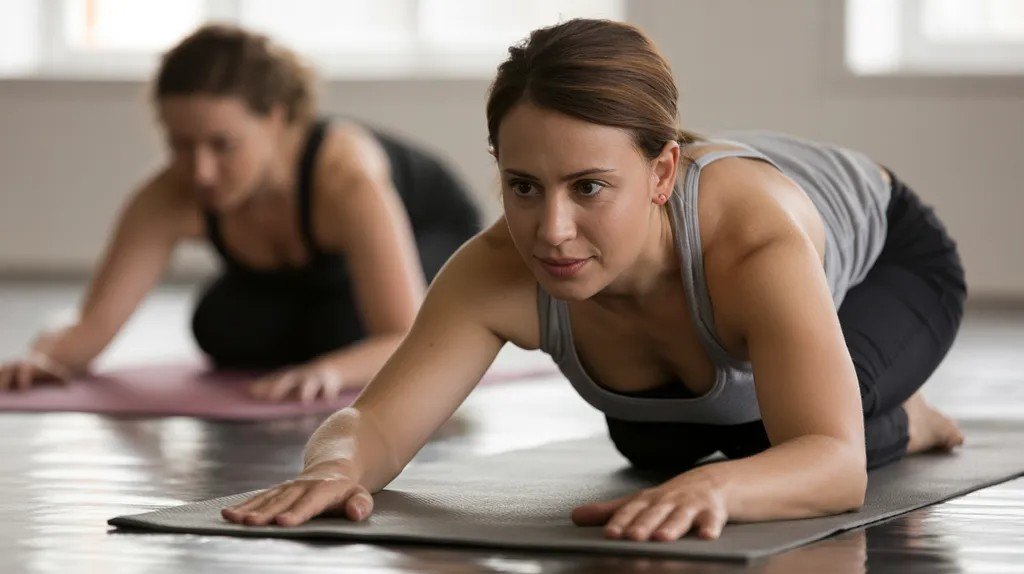
My first yoga class left me red faced and out of breath in five minutes. I kept wondering, is vinyasa yoga for beginners, or does it only work for people already fit?
Here is the truth. It works for beginners too, once you know how to start the right way.
In this blog, I will walk you through what your first class looks like, how to flow safely without strain, and the common mistakes that trip up new students.
I have tested every tip here myself, so you can trust what you are reading.
By the end, you will know exactly how to step onto your mat and move through a flow without feeling lost.
Is Vinyasa Yoga Suitable for Beginners?
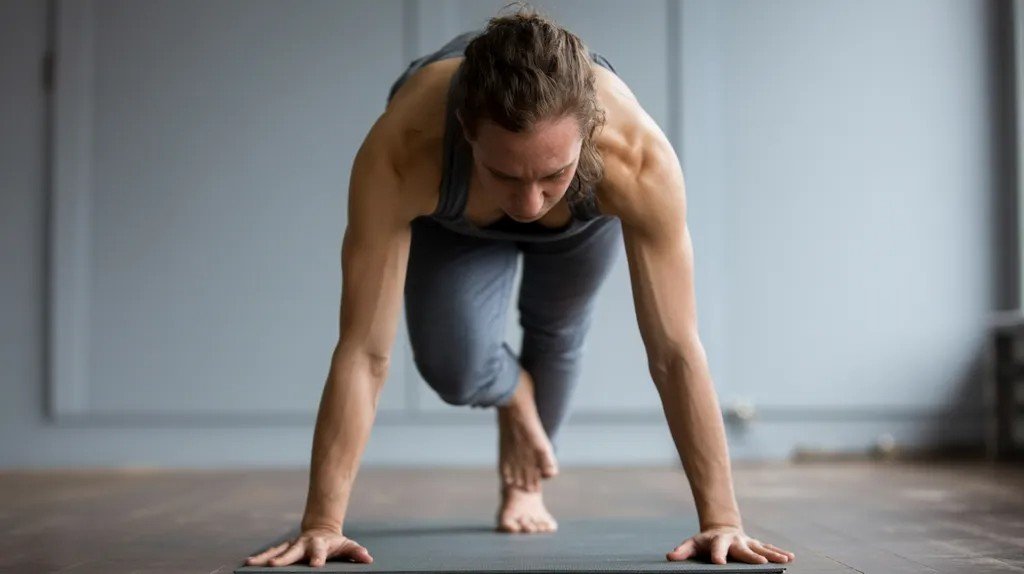
Yes, vinyasa yoga works well for beginners. The poses link with your breath, so you move at a steady rhythm instead of rushing.
Most studios offer slow flow or beginner level classes, so you do not need prior experience. You start with simple shapes like mountain pose and downward dog, then build up from there.
Your body learns the pattern over time. You do not need to touch your toes or hold a perfect pose on day one.
The point is to move, breathe, and stay present. Give yourself a few classes to settle in, and the flow will start to feel natural.
Benefits of Starting Vinyasa Yoga as a Beginner
Here is what your body and mind gain when you stick with it.
- Builds strength gradually
- Improves flexibility and posture
- Reduces stress and anxiety
- Develops body awareness and balance
- Creates long-term fitness habit
What to Expect in Your First Vinyasa Yoga Class
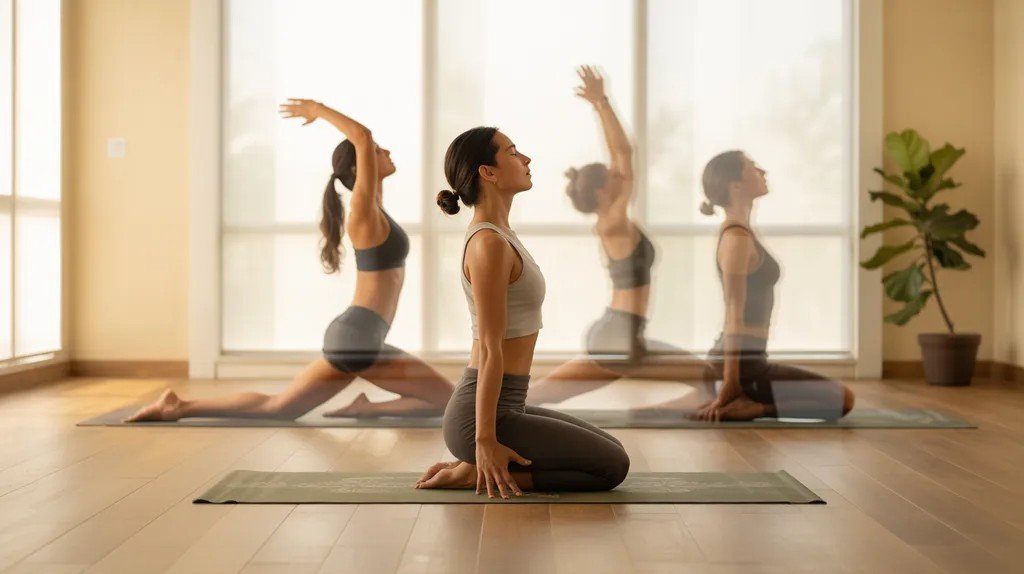
A quick look at the parts that make up a typical class, so nothing catches you off guard.
Fast vs Slow Flow Experience
Some vinyasa classes move fast, with quick shifts between poses. Others go slow, giving you time to settle into each shape. As a beginner, slow flow fits you better.
You get time to check your form and breathe well. Fast classes feel more like a workout, with little rest. Once you build strength, you can try a faster pace and see how it feels.
Breath-Guided Movement (one breath, one pose)
In vinyasa yoga, your breath leads every move. You inhale as you lift or open your body. You exhale as you fold or settle into a pose. This is called one breath, one pose.
It keeps your mind on the present moment instead of your to-do list. If you lose the rhythm, just slow down and breathe at your own pace. The poses will follow.
Continuous Transitions Between Poses
Vinyasa means flow, and that shows up in how poses connect. You move from one pose to the next without long pauses. This keeps your body warm and your heart rate up.
At first, the transitions might feel rushed or confusing. That is normal. Watch your teacher, copy the shapes, and let your breath set the pace. With practice, the movement starts to feel smooth instead of choppy.
Sun Salutations as a Core Warm-up
Most vinyasa classes open with sun salutations. This is a short sequence of poses done in order, like forward fold, plank, and upward dog. It warms up your muscles and joints before the harder work begins.
You will repeat this sequence a few times at the start of class. Once you learn the order, it becomes a comfortable pattern you can lean on, even on days when you feel tired.
Final Relaxation
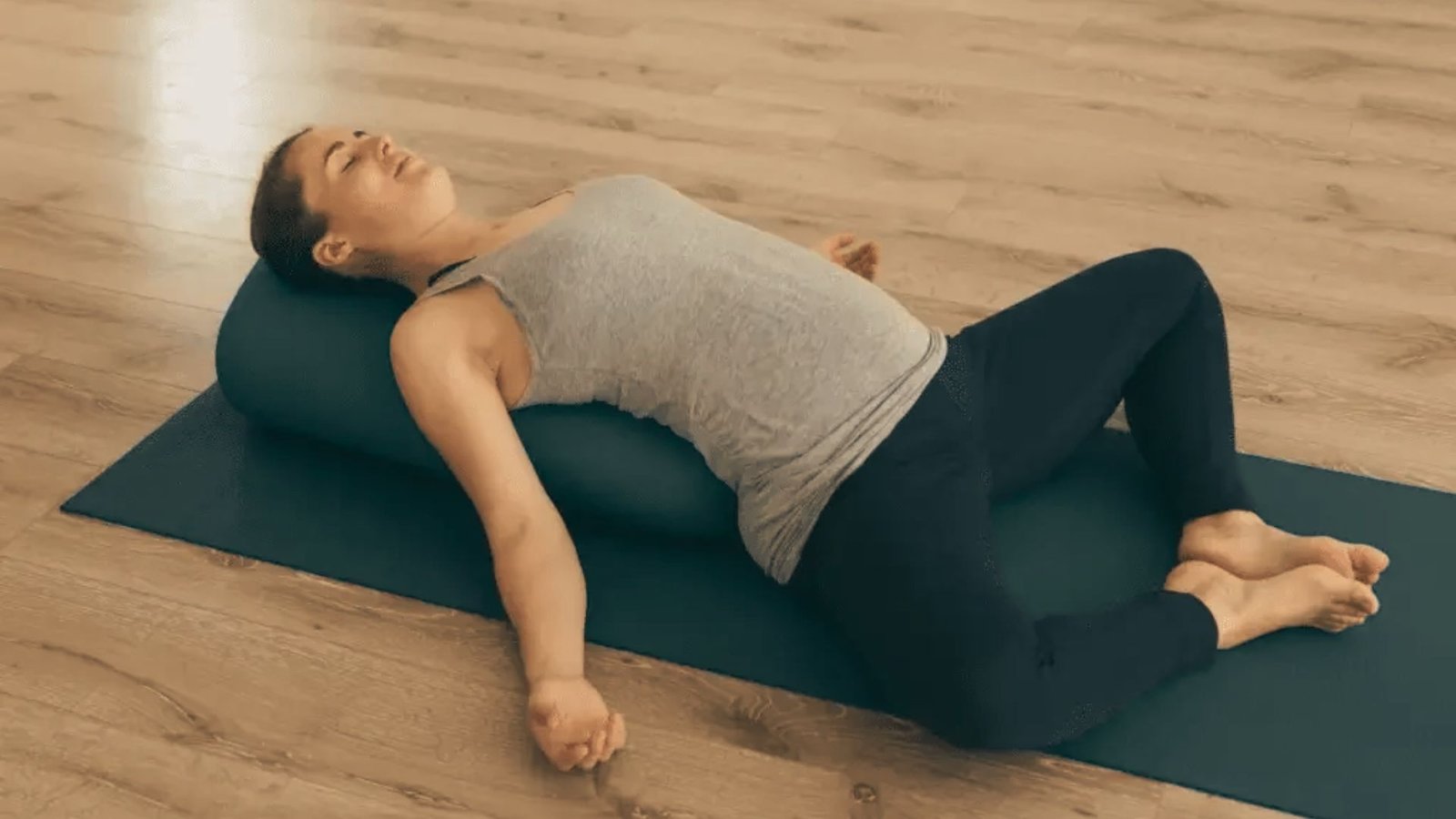
Every vinyasa class ends with savasana, or final rest. You lie flat on your back and let your body go still. This part matters more than it looks.
It gives your nervous system time to settle after all the movement. Skip it and you miss half the benefit of the class. Let your breath slow down, close your eyes, and simply rest for a few minutes.
How to Start Vinyasa Yoga Safely
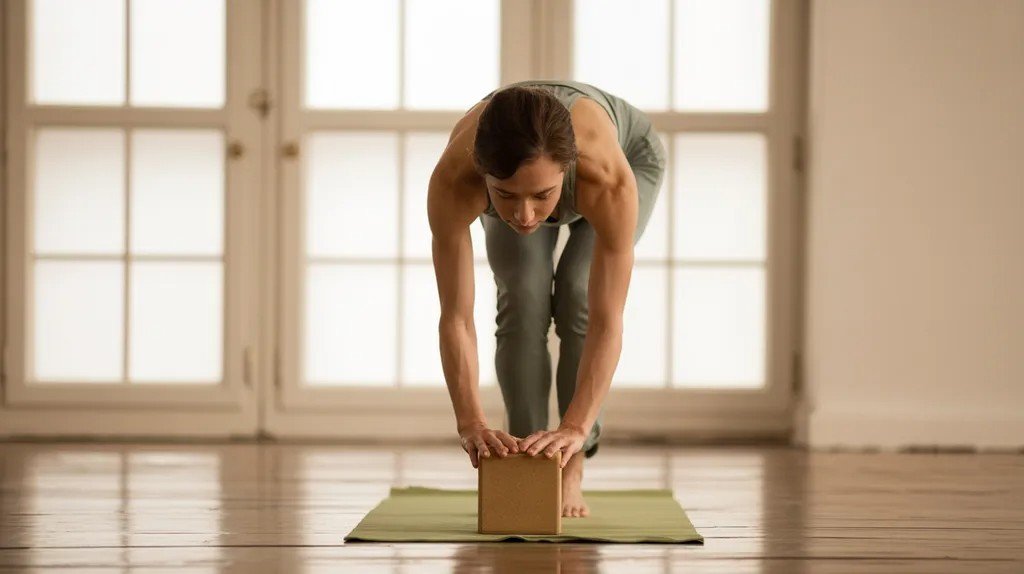
A few simple habits keep your early classes safe and enjoyable.
Start with beginner or slow-flow classes
Pick a class labeled beginner, gentle, or slow flow. These classes move at a pace that gives you room to learn. You will not feel pushed to keep up with advanced students.
Most studios and apps list the level next to the class name, so check before you book. Starting slow is not a weakness. It is how you build a strong base for everything that comes after.
Learn foundational poses first
Learn a few basic poses before your first class, if you can. Mountain pose, downward dog, and child's pose show up often.
Knowing the shape ahead of time helps you follow along without feeling lost. You can find short videos online that walk through each pose slowly. This small step makes your first class feel less overwhelming and more like something you already understand.
Focus on breath over speed
Do not chase the pace of the class around you. Your breath should set your speed, not the teacher's count or the person next to you.
If you need an extra breath to move into a pose, take it. Rushing leads to poor form and a higher chance of strain. Slow, steady breathing keeps you safe and keeps your mind calm during the whole flow.
Use props and modifications freely
Blocks, straps, and blankets exist to help you, not to mark you as behind. Use a block under your hand if a pose feels too deep.
Bend your knees in a forward fold if your hamstrings feel tight. Props let you keep good form while your body opens up over time. There is no rule that says you have to do a pose the hard way.
Rest whenever needed (Child's Pose as reset)
You can pause anytime during a vinyasa class. Child's pose works as your reset button. Drop into it whenever you feel out of breath or tired.
No teacher will mind, and no one in class is watching you that closely. Rest for a few breaths, then rejoin the flow when you feel ready. Listening to your body matters more than keeping up.
How a Typical Vinyasa Flow Works
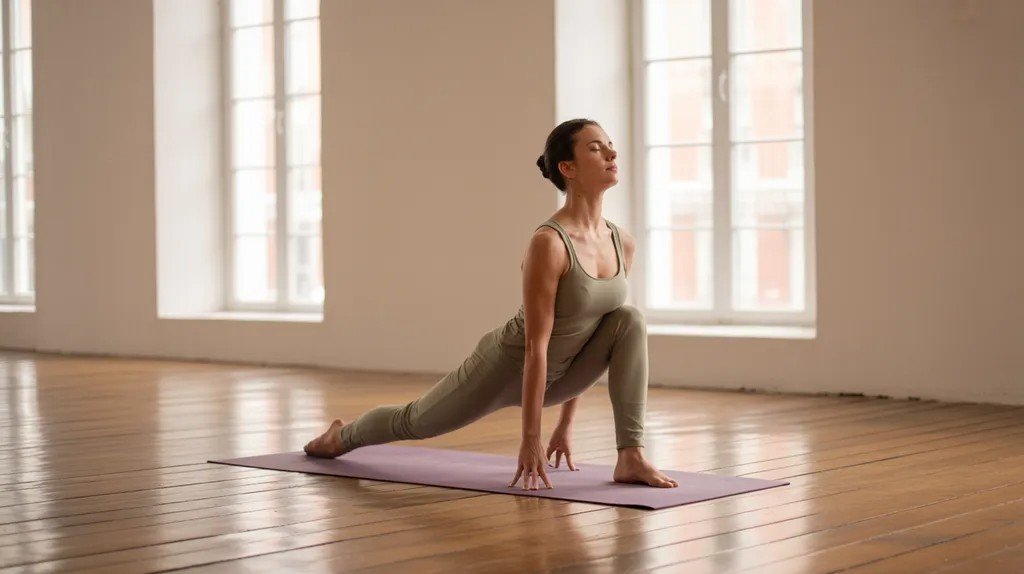
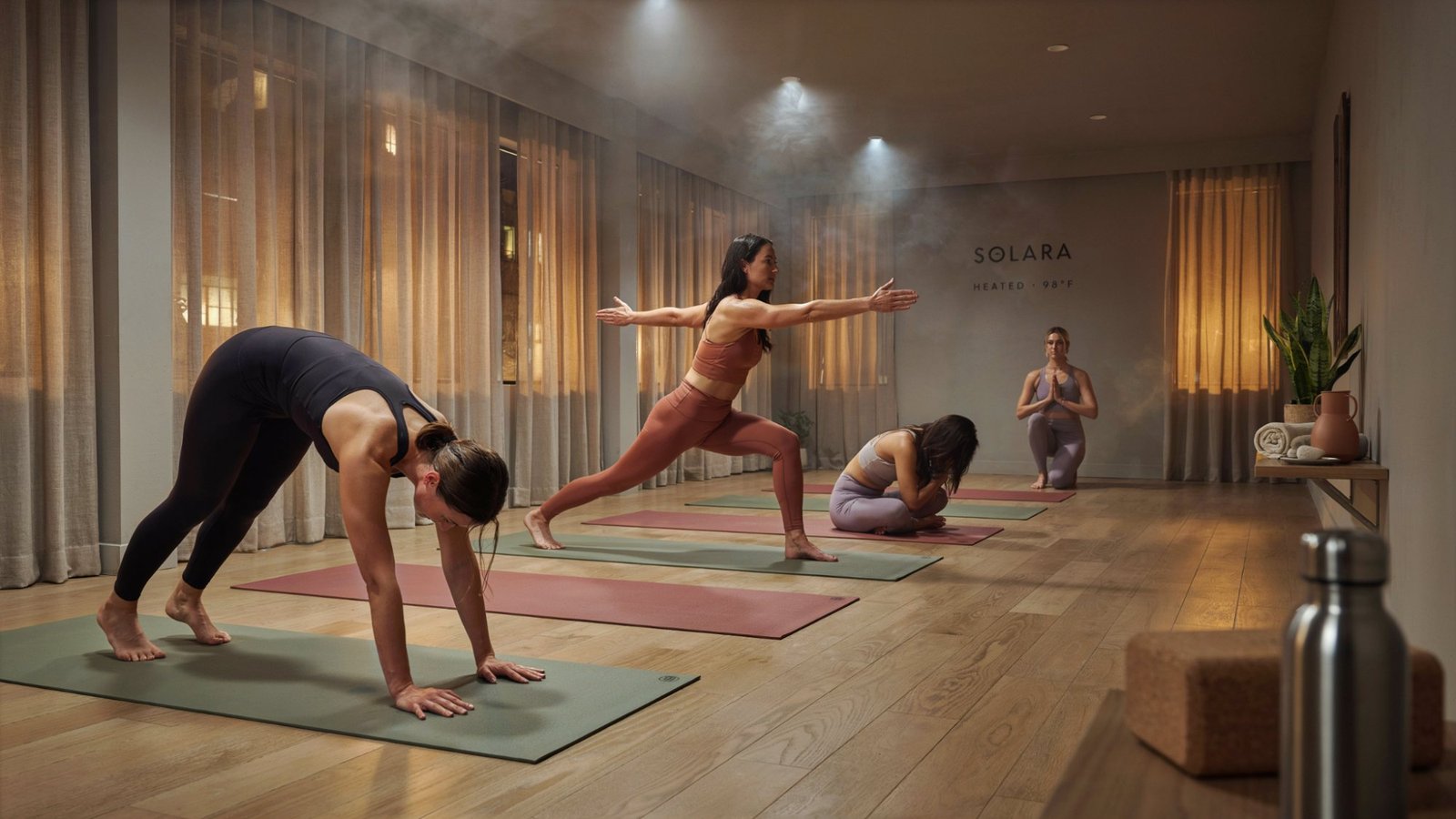
A typical vinyasa class follows a clear pattern. It starts with a warm-up, using gentle movement and breathing to wake up your body.
Next come standing and balancing poses, which build strength in your legs and core. Then you move into flow sequences, where poses link together through smooth transitions.
This part often includes core work and stretches that improve mobility through your spine and hips.
Near the end, the pace slows down for a cool down, easing your heart rate back to normal. The class closes with rest, giving your body and mind time to absorb everything you just did.
Mistakes Beginners Should Avoid
Watch out for these common slip-ups in your first few weeks.
- Holding your breath during poses instead of breathing steadily through every single move
- Forcing flexibility too soon, which can easily strain your muscles, joints, and connective tissue
- Skipping rest breaks when your body clearly needs a short pause to recover and reset
- Rushing into advanced flows before you build a strong, steady base in the basic poses first
- Comparing yourself to other students instead of focusing fully on your own pace and growth
Conclusion
Starting yoga can feel a little scary, and I get that.
I asked myself the same question when I first stepped onto the mat:is vinyasa yoga for beginners, really? It is.
I stumbled through my early classes, missed poses, and rested in child's pose more than once. That is normal, and it is part of learning.
Try one class this week and see how your body feels. Then drop a comment below and tell me how it went. If this helped you, share it with a friend who needs a gentle push to start too.
Frequently Asked Questions
Do I need to be flexible to start vinyasa yoga?
No, flexibility builds over time as you practice.
How often should a beginner practice vinyasa yoga?
Two to three classes a week is a good start.
What should I wear to my first class?
Wear stretchy clothes that let you move freely.
Can vinyasa yoga help with weight loss?
It can support weight loss alongside a balanced diet.
Is vinyasa yoga harder than hatha yoga?
Yes, vinyasa moves faster and feels more active than hatha.