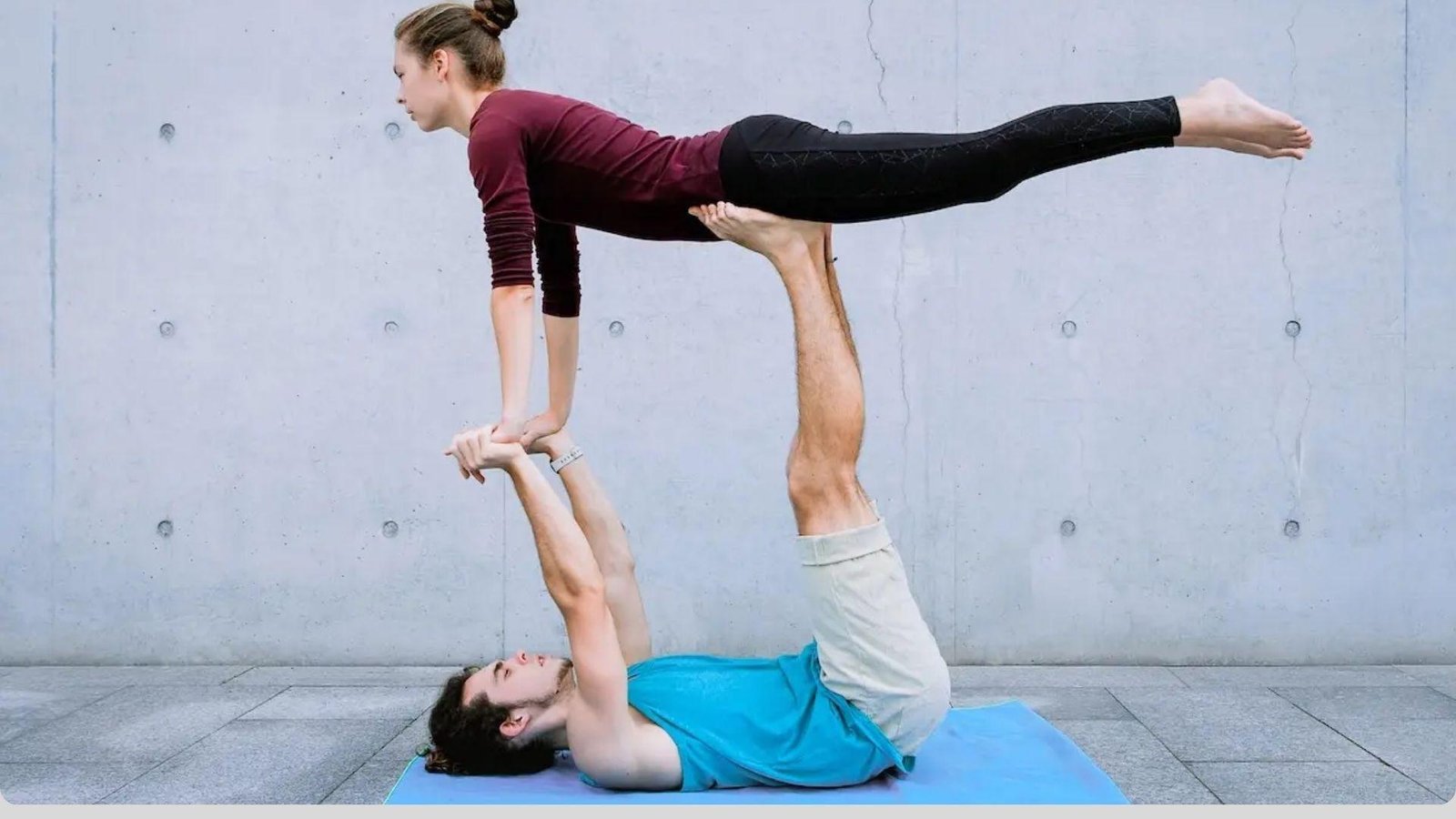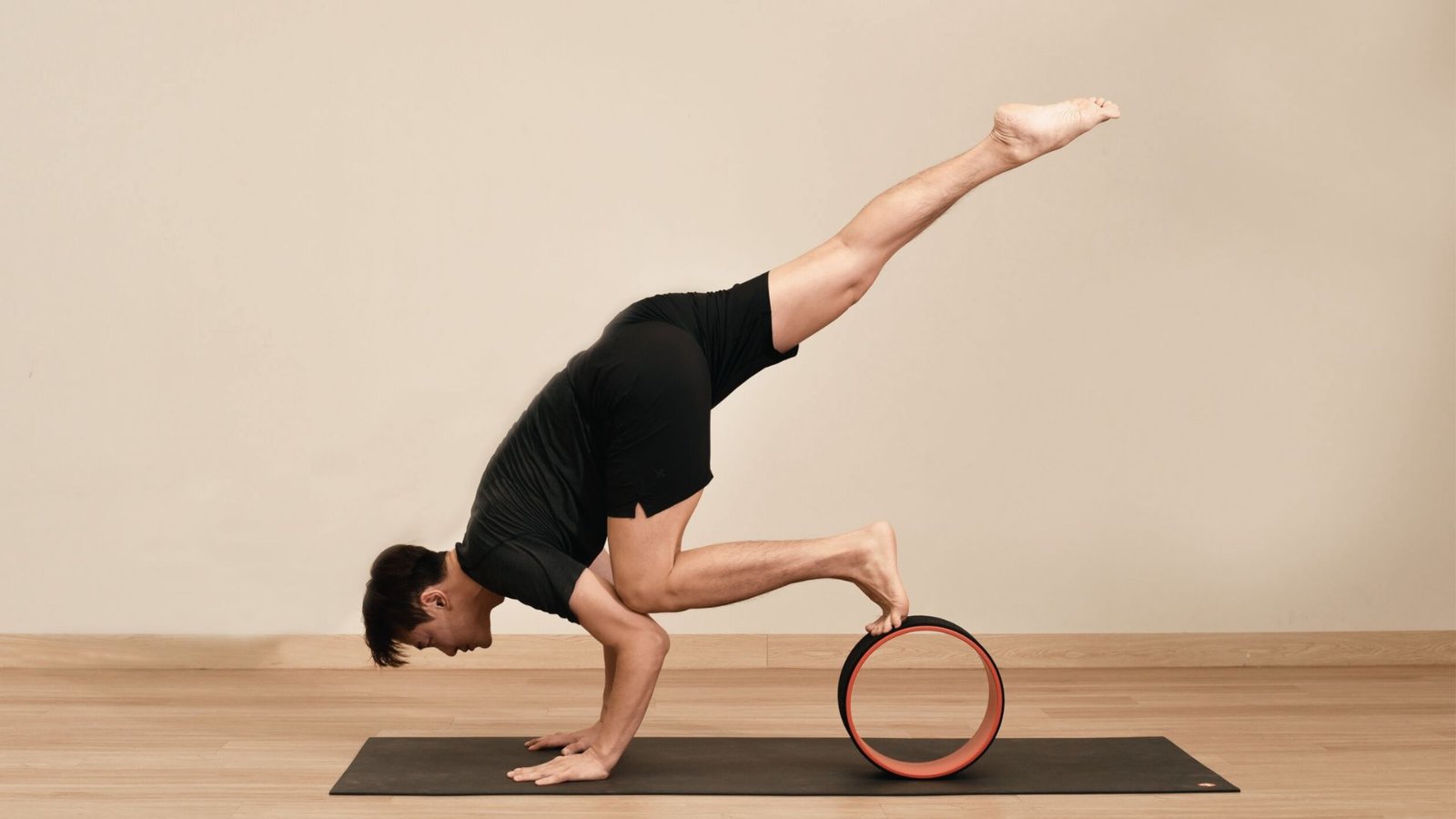
When my daughter's teacher first told me about airplane yoga poses, I had no idea what to picture.
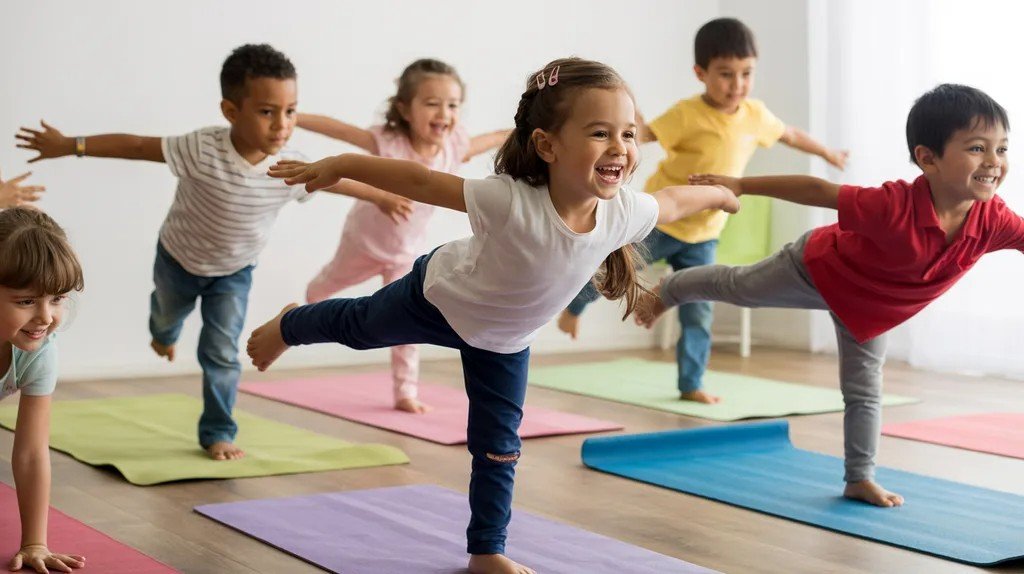
Then I watched a room full of kids stretch their arms out like wings, giggling and trying not to wobble. It looked simple, but it taught balance, focus, and a little patience too.
In this blog, I will show you what this pose is, why kids love it, and nine fun ways to try it in class or at home.
You will also learn the common mistakes to skip. I have tested these tips with real kids myself, so you can trust what works.
By the end, you will know how to teach this pose with confidence.
What is an Airplane Yoga Pose?
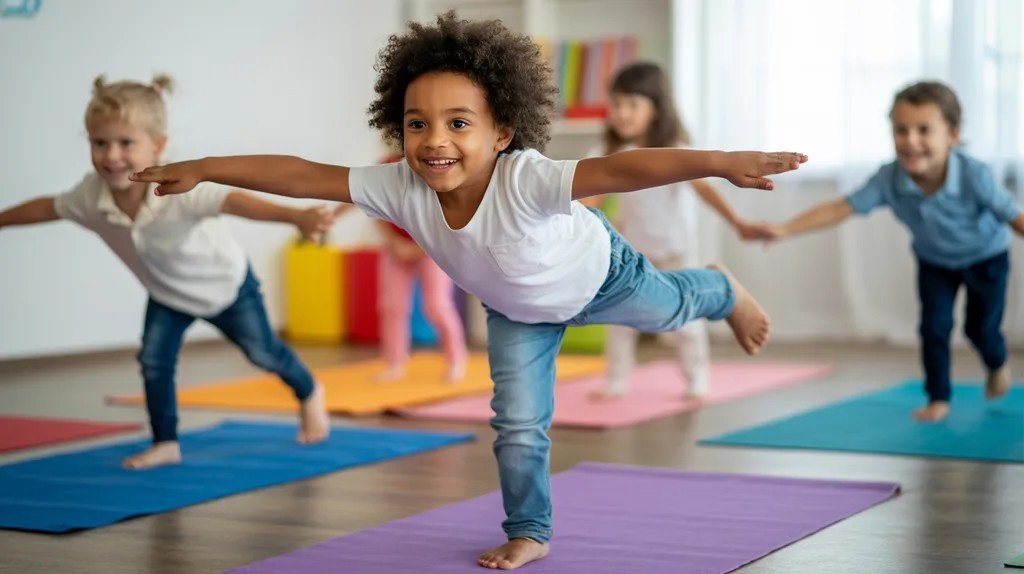
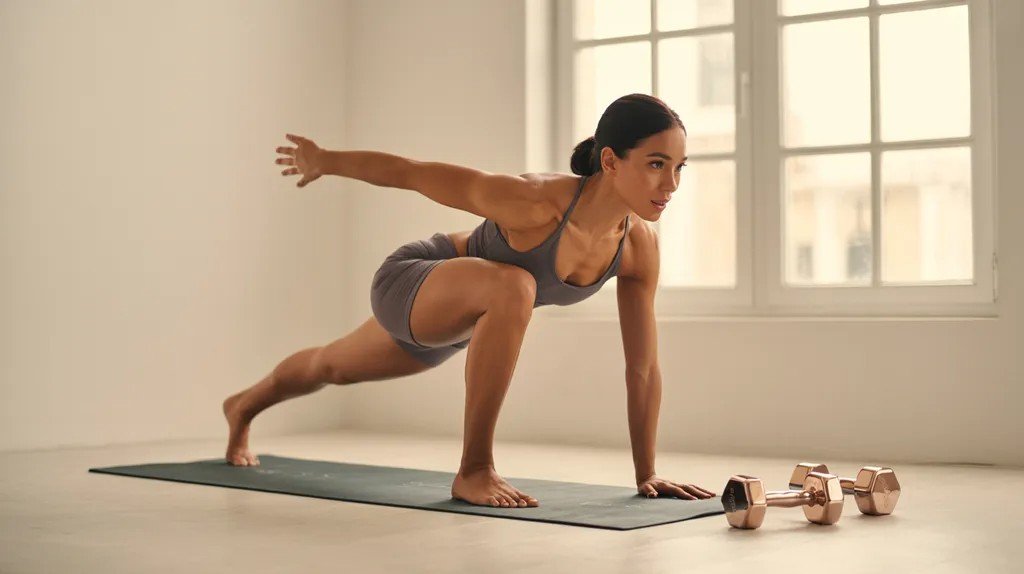
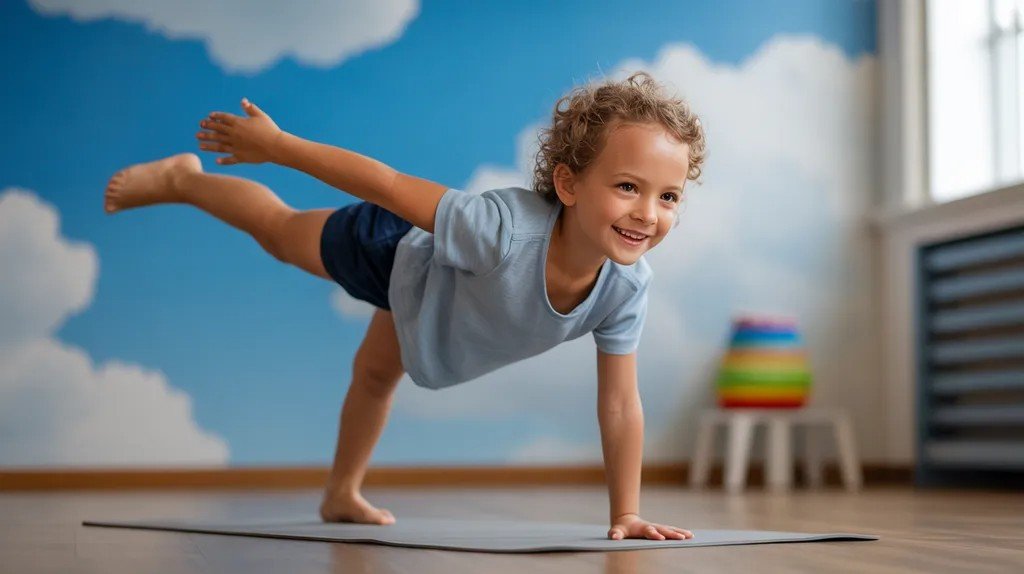
Airplane yoga pose is a simple balance pose made for children and beginners. Kids stand on one leg, lean their chest forward, and stretch both arms out to the side like wings.
That is why it carries the name airplane, since the body shape looks like a small plane in flight. The pose fits well into classroom breaks, PE sessions, and regular kids yoga classes.
It does not need any equipment or much space. Teachers often use it because it turns a basic balance drill into something playful.
Kids stop thinking about exercise and start thinking about flying somewhere new in their mind.
Benefits of Airplane Yoga Pose for Kids
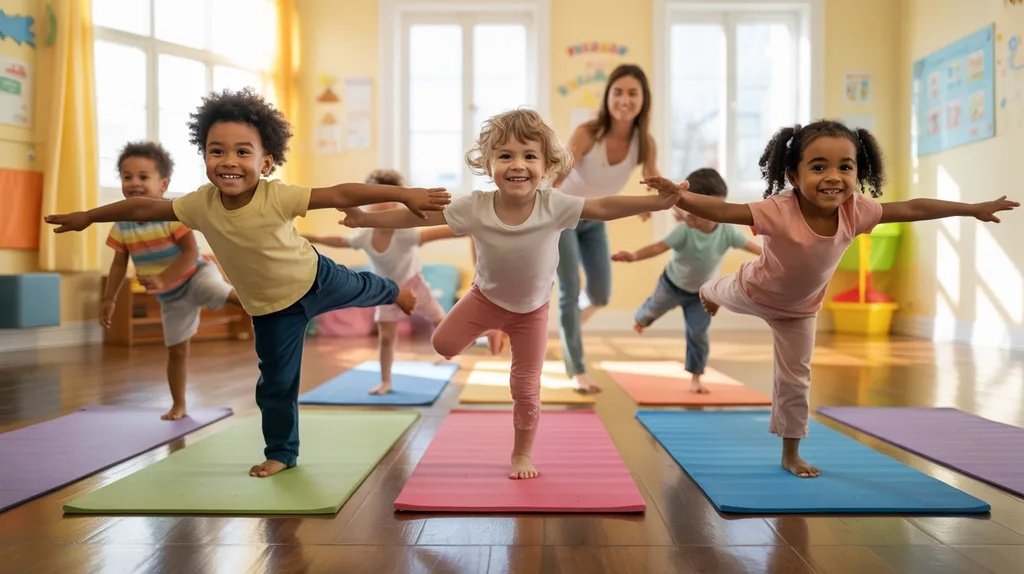
A quick look at what this pose builds in young bodies and minds.
1. Improves Balance and Body Control
Standing on one leg is harder than it looks for a young child. Airplane pose gives them a fun way to practice this skill without feeling like work.
Their core and ankle muscles work hard to keep them steady. Over time, kids get better at holding still on one foot.
This balance skill carries over into sports, playground games, and everyday movement, making them steadier on their feet.
2. Builds Strength in Legs and Core
While kids focus on pretending to fly, their legs and core are doing real work. The standing leg holds their full body weight, which builds strength in the thigh and calf.
The core tightens to keep the chest and arms steady. None of this feels like a workout to a child.
It feels like a game, which is exactly why it works so well for building strength early on.
3. Enhances Focus and Attention Span
Holding a pose still, even for a few seconds, asks a child to pay attention to their own body. This is a quiet kind of focus training.
Their mind has to stay with the task instead of wandering off.
Over repeated practice, this short burst of stillness can help with attention span in other settings too, like sitting still during a lesson or finishing a task.
4. Develops Coordination and Motor Skills
Airplane pose asks a child to manage their arms, legs, and balance all at the same time. This mix of movement supports motor skill development at a young age.
Their brain and body learn to work together instead of moving one part at a time.
Kids who practice poses like this often show smoother movement in other physical activities, since their coordination has had real practice.
5. Encourages Confidence and Self-Awareness
Wobbling and falling out of a pose is part of learning it. When a child manages to hold airplane pose, even briefly, it gives them a small sense of achievement.
This builds confidence in their own body. They start to trust what they can do physically.
Over time, this kind of body awareness helps children feel more comfortable trying new movements without fear of getting it wrong.
9 Fun Variations of Airplane Yoga Pose for Kids
Here are nine simple ways to keep this pose fresh and fun for kids.
1. Classic Airplane Pose
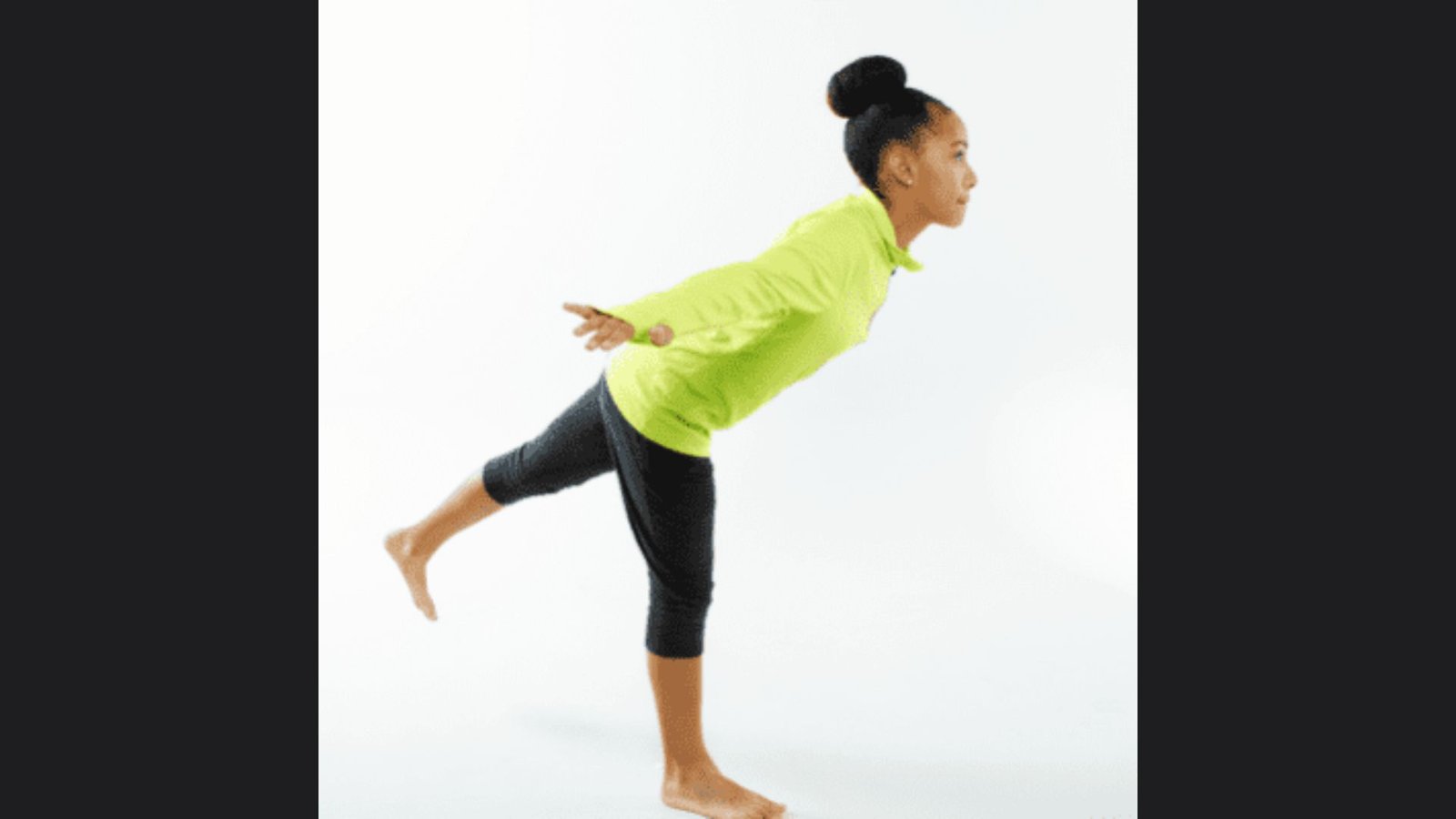
This is the standard version of the pose. The child stands tall, shifts their weight onto one leg, and slowly lifts the other leg straight back.
Both arms stretch out to the sides like wings. It works as a good starting point before trying any other version.
Most kids learn this version first, since it teaches the basic balance pattern the other variations build on.
2. Bird Flying Airplane
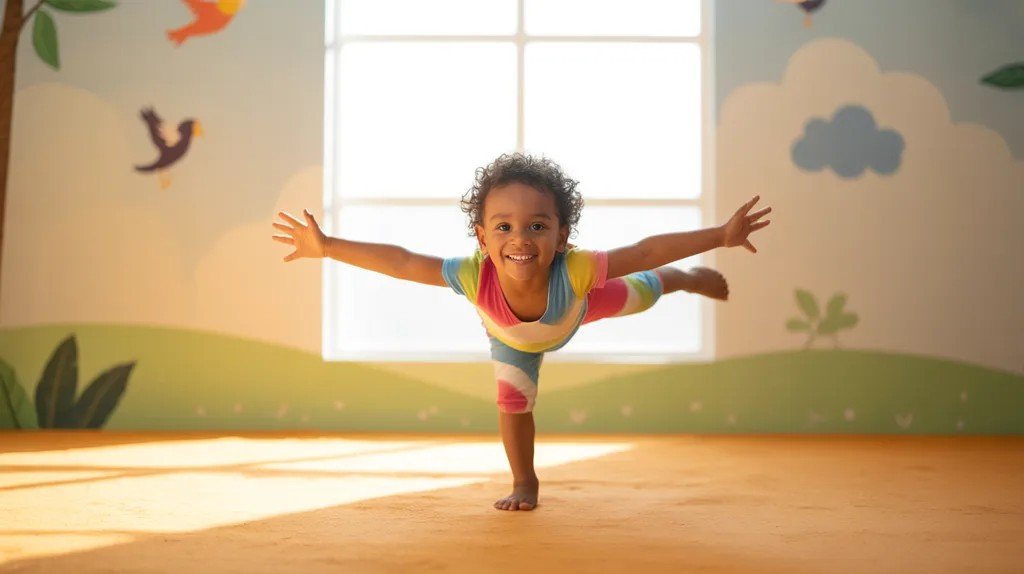
Add a little extra movement by having kids flap their arms gently like a bird, instead of holding them still.
You can also encourage soft bird sounds while they balance. This version turns the pose into a small performance.
It works well for younger kids who find it hard to stay completely still, since the flapping motion gives them something playful to focus on.
3. Story-Based Airplane Adventure
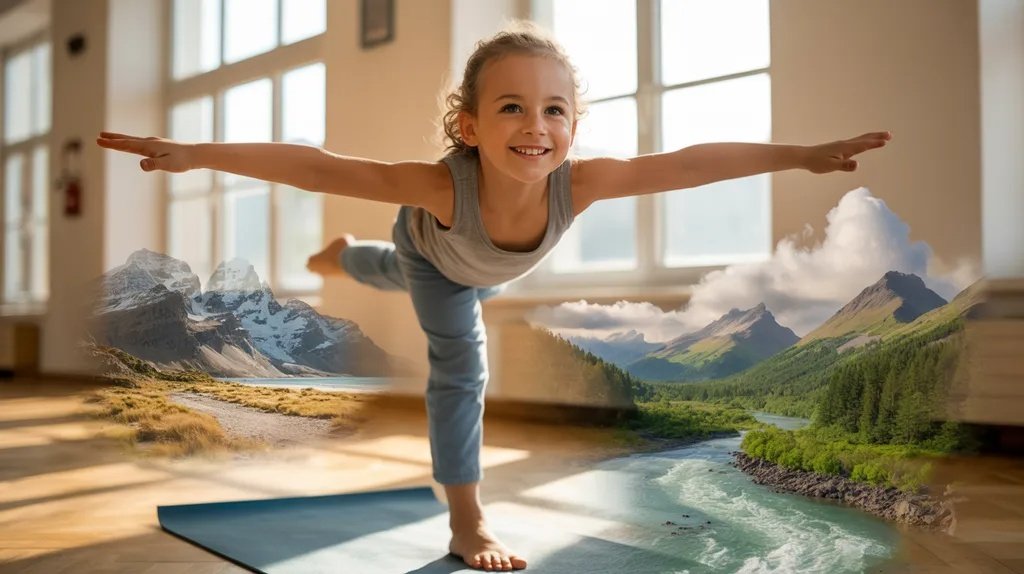
Turn the pose into a short story before kids try it. Ask them to pretend they are flying to a place they love, like the beach or the mountains.
As they hold the pose, ask what they see below them.
This version uses imagination to stretch out the hold time, since kids get caught up in the story instead of counting seconds in their head.
4. Slow Motion Airplane
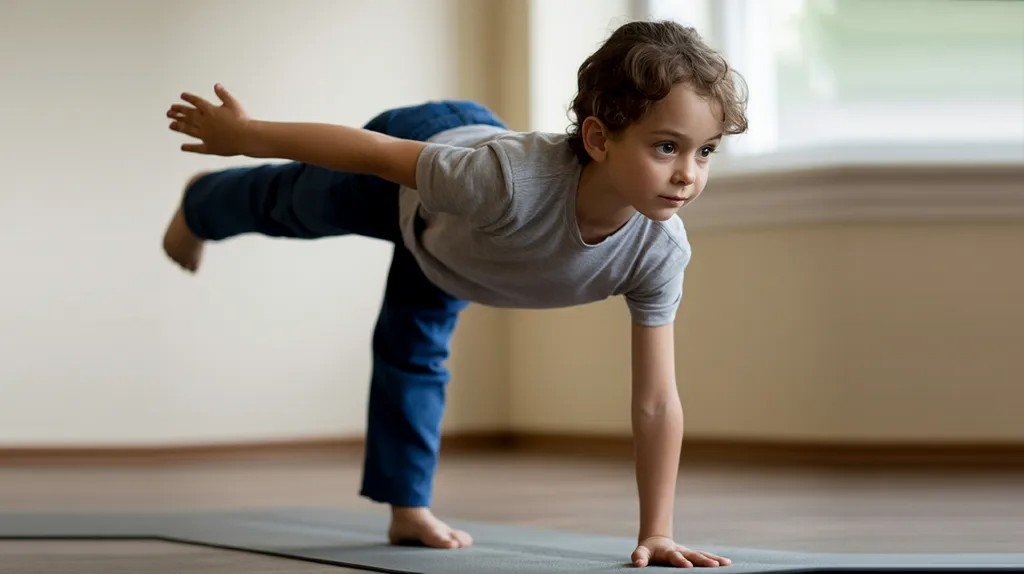
Have kids move into the pose as slowly as possible, almost like a video in slow motion. This version asks for more control than speed ever would.
It works well for older kids who already know the basic shape and want a new challenge.
Moving slowly also makes it easier to spot and fix small balance issues, since nothing happens fast enough to miss.
5. Partner Airplane Balance
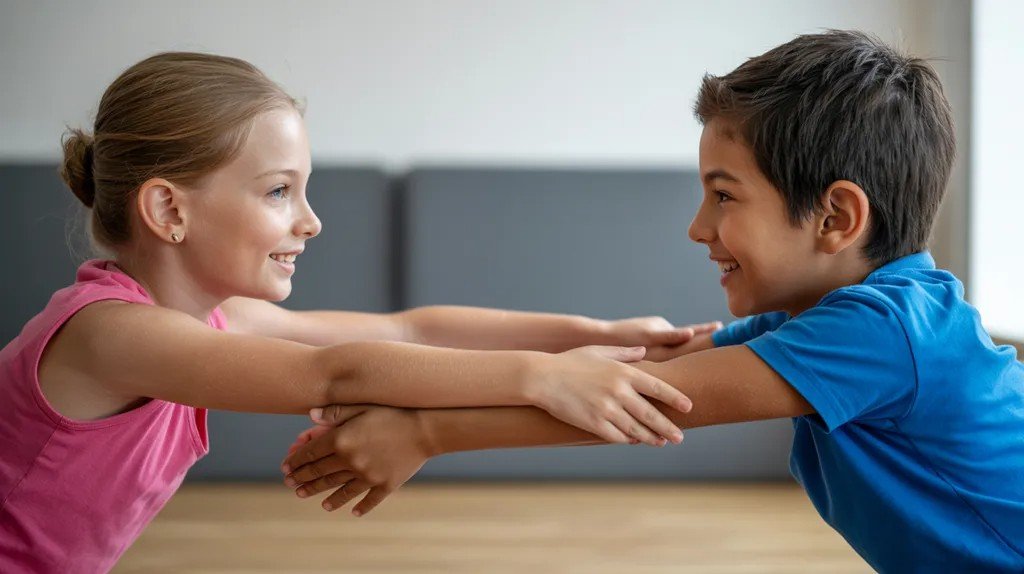
Pair up two kids facing each other, holding hands or just standing close, and have them lift into the pose together.
They balance off each other's steadiness, which adds a small social piece to the exercise. This version teaches teamwork along with balance.
It also tends to bring out a lot of laughter, since wobbling together feels less stressful than wobbling alone.
6. Wall-Supported Airplane Pose
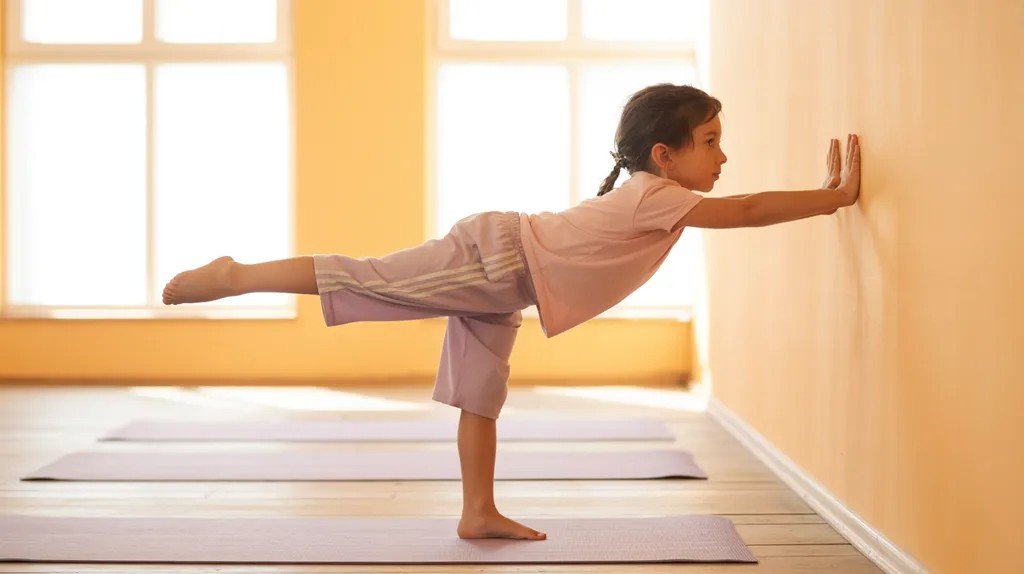
For kids who are just starting out, let them stand near a wall and rest one hand on it while they lift into the pose.
This gives extra support while they learn the shape and feel of the balance. Once they feel steadier, they can try the pose without the wall.
This version removes the fear of falling, which helps nervous beginners feel safe trying it.
7. Freeze Airplane Game
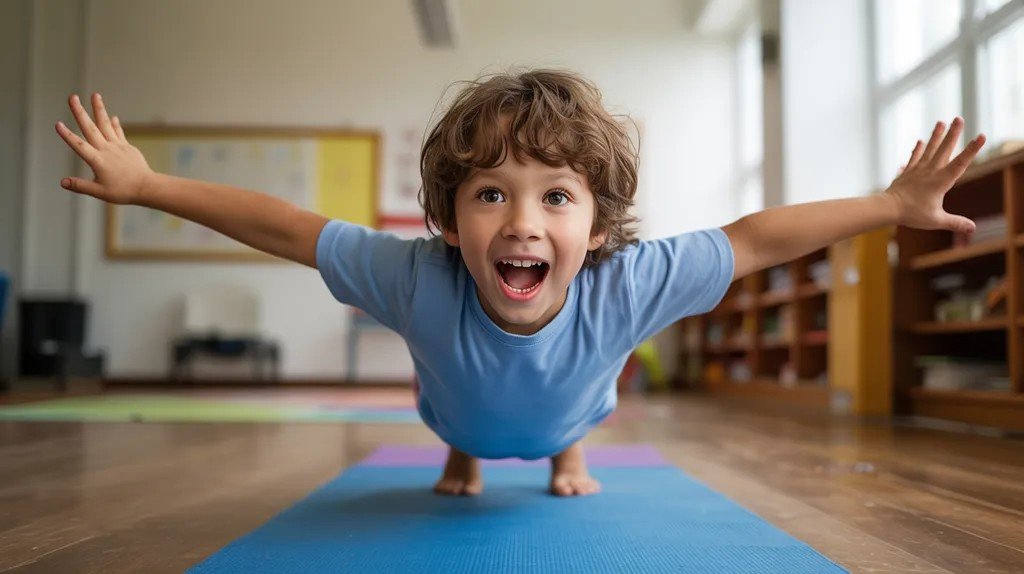
Turn the pose into a game by having kids move around the room, then calling out freeze.
When they hear the word, they have to drop into airplane pose right where they stand and hold it.
This adds an element of surprise and reaction time to the exercise. Kids enjoy the game format, and it keeps the activity feeling fresh during longer class sessions.
8. Classroom Circle Airplane Activity
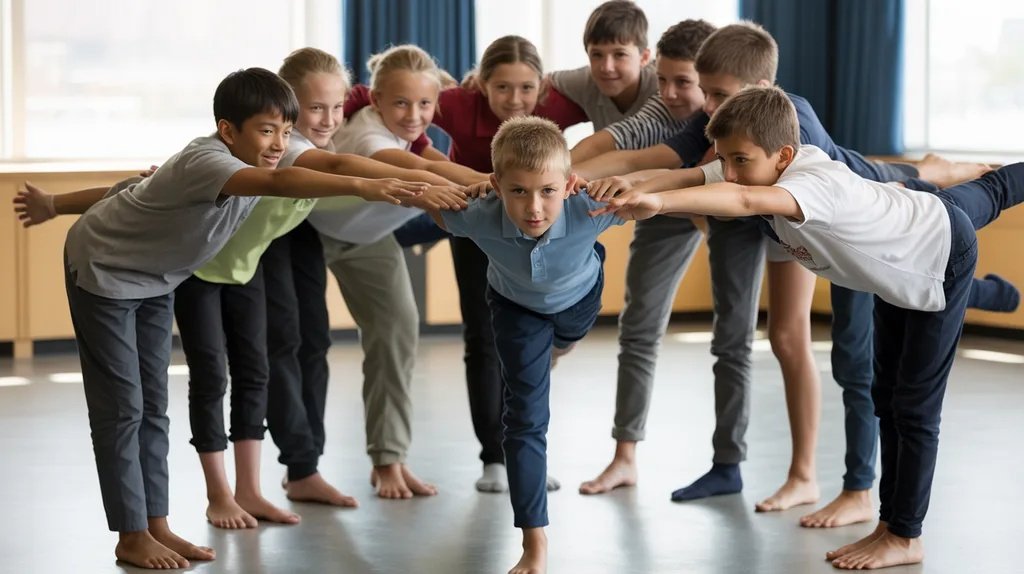
Gather a group of kids into a circle and have them all move into airplane pose at the same time.
Holding the pose together as a group adds a shared sense of effort. Kids often hold the pose longer when they see their classmates trying just as hard.
This version works well for classroom settings where the whole group needs a short, active break.
9. Eyes-Closed Challenge

For older kids who already feel steady in the pose, ask them to close their eyes once they find their balance.
Removing sight makes the body rely on other senses to stay upright, which is a real challenge.
This version should only come after a child can hold the pose well with their eyes open. It builds deep focus and tests true balance control.
Why Airplane Yoga Pose is Perfect for Kids Yoga
Airplane yoga pose work well because it mixes imagination with real movement.
Kids picture themselves flying instead of just balancing on one leg, which makes the pose easy to teach and easy to remember.
It supports both physical growth, like strength and balance, and mental growth, like focus and confidence.
Unlike structured exercise, this pose feels like play, so kids stay engaged without needing much convincing. It fits naturally into classroom breaks, short yoga sessions, or PE warm-ups, since it needs no equipment and very little space.
That combination of fun and function is exactly what makes it a strong fit for kids yoga.
Common Mistakes to Avoid
A short list of habits that make this pose harder than it needs to be.
- Locking knees tightly instead of keeping a small, soft bend for better balance and control
- Leaning too far forward, which throws off balance and strains the lower back muscles a lot
- Holding breath while balancing instead of breathing slowly and steadily through the whole pose
- Rushing into the full pose before the child has mastered basic standing balance and posture
- Comparing children's abilities instead of letting every child progress freely at their own pace
Conclusion
I still remember trying airplane yoga poses with seven year olds for the first time. Half of them wobbled, fell, and laughed within seconds.
That is the whole point. This pose is not about being perfect on the first try.
Try it with your own child this week. Watch how fast they turn it into their own game.
Tell me in the comments how it went, or share this with a teacher who needs new movement ideas.
Frequently Asked Questions
What age is best for airplane yoga pose?
It works well for kids ages four and up.
Do kids need any equipment for this pose?
No, just open floor space and bare feet.
How long should a child hold the pose?
Start with five to ten seconds, then build up slowly.
Can airplane pose help kids with school focus?
Yes, the stillness practice supports attention span over time.
Is this pose safe for kids with balance issues?
Yes, with wall support or a partner for extra stability.