Your core is more than just abs. It starts deep, with your pelvic floor. I have worked with people dealing with low back pain, weak posture, and even leaks after pregnancy, and the fix almost always starts here.
This guide covers seven simple Pilates pelvic floor exercises that build real core strength from the inside out.
You will learn how to engage your pelvic floor the right way, the mistakes to skip, and tips to get faster results.
I have tested these moves with real clients, so you know they work. Let's build a stronger core, one breath at a time.
How to Engage the Pelvic Floor Correctly
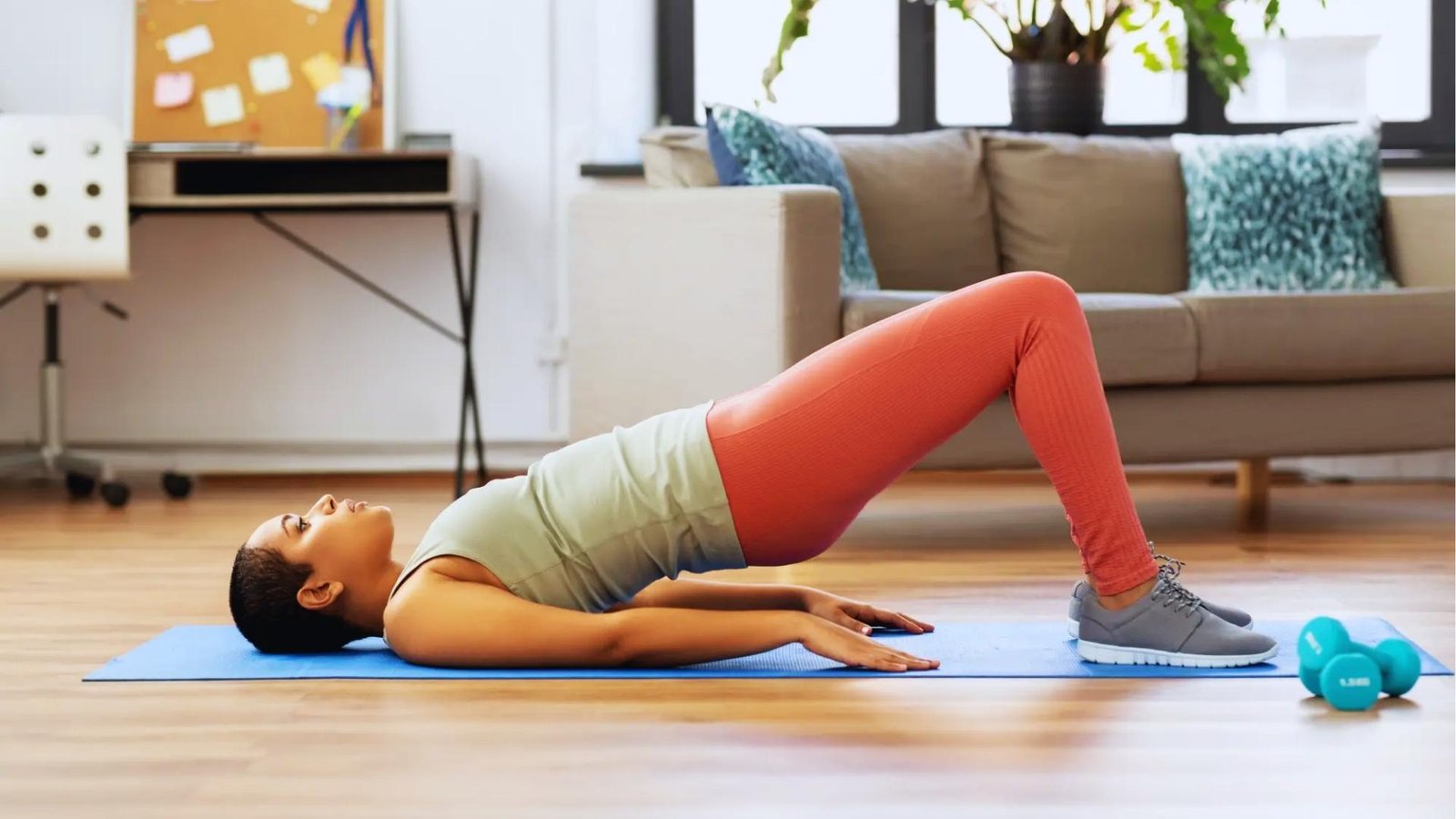
A quick look at the basics of pelvic floor engagement, so every move on this list actually works. Many people squeeze too hard when trying to find their pelvic floor.
This tightness tires the muscles fast and does not help. Good engagement feels gentle, not forced. Keep the lift soft, not maximal.
Breathe through every rep and never hold your breath. Move slowly and stay in control. Relax fully between each rep so your muscles get a real reset.
Think of it as a soft lift, like stopping the flow of urine for a second. Your breath should keep moving the whole time, since holding it only adds tension and works against you.
7 Pilates Pelvic Floor Exercises for Core Strength
Seven simple moves that build core strength and train your pelvic floor to work with your breath.
1. Diaphragmatic Breathing (Core Activation Base)
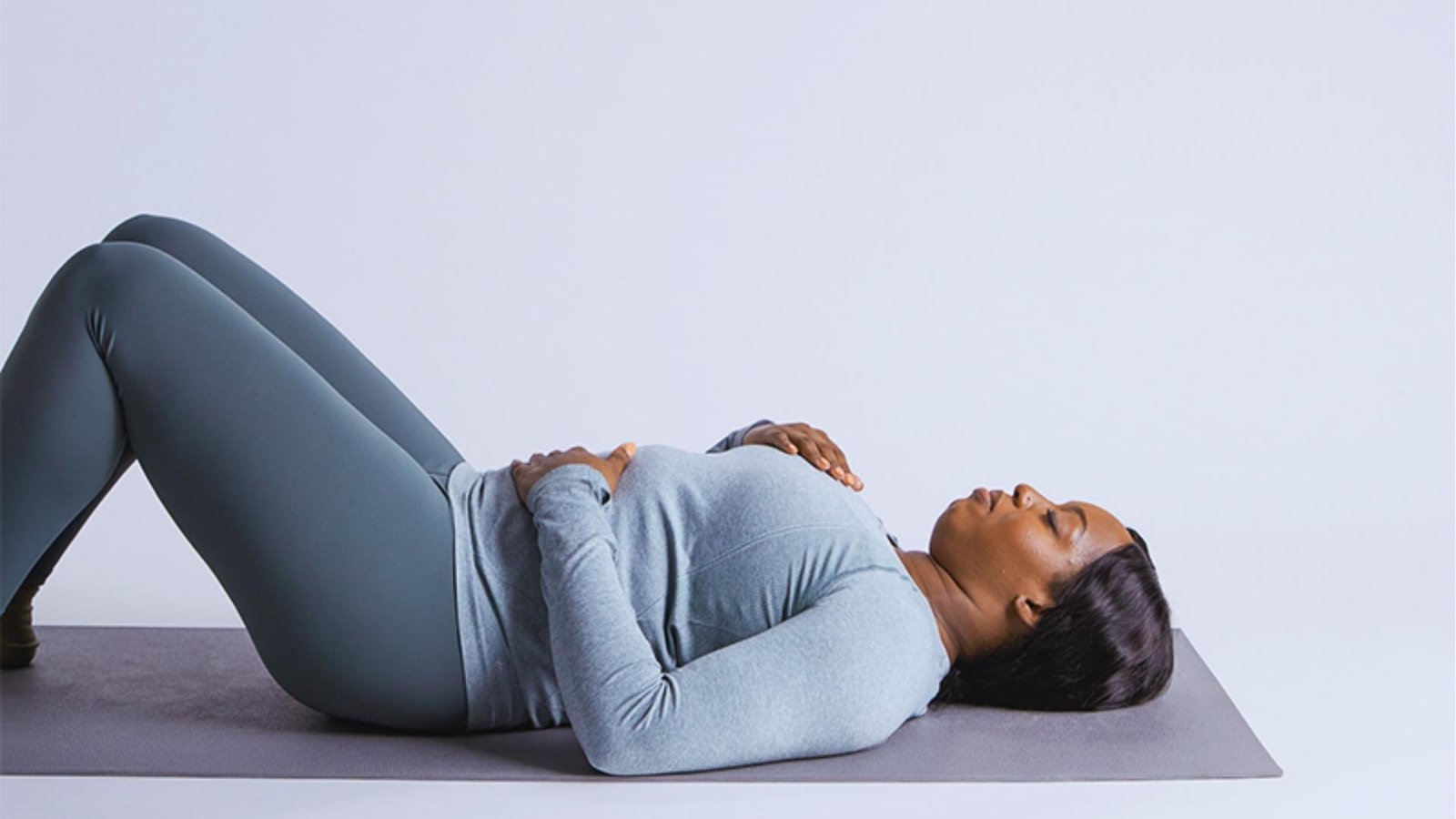
Lie down on your back with knees bent, and rest your hands on your ribs. Breathe in slowly and let your belly and ribs expand outward in every direction.
As you breathe out, gently lift your pelvic floor, like you are slowing a stream of water. This breath pattern is the base for every move on this list, so take your time with it.
2. Pelvic Tilts (Lower Core Control)
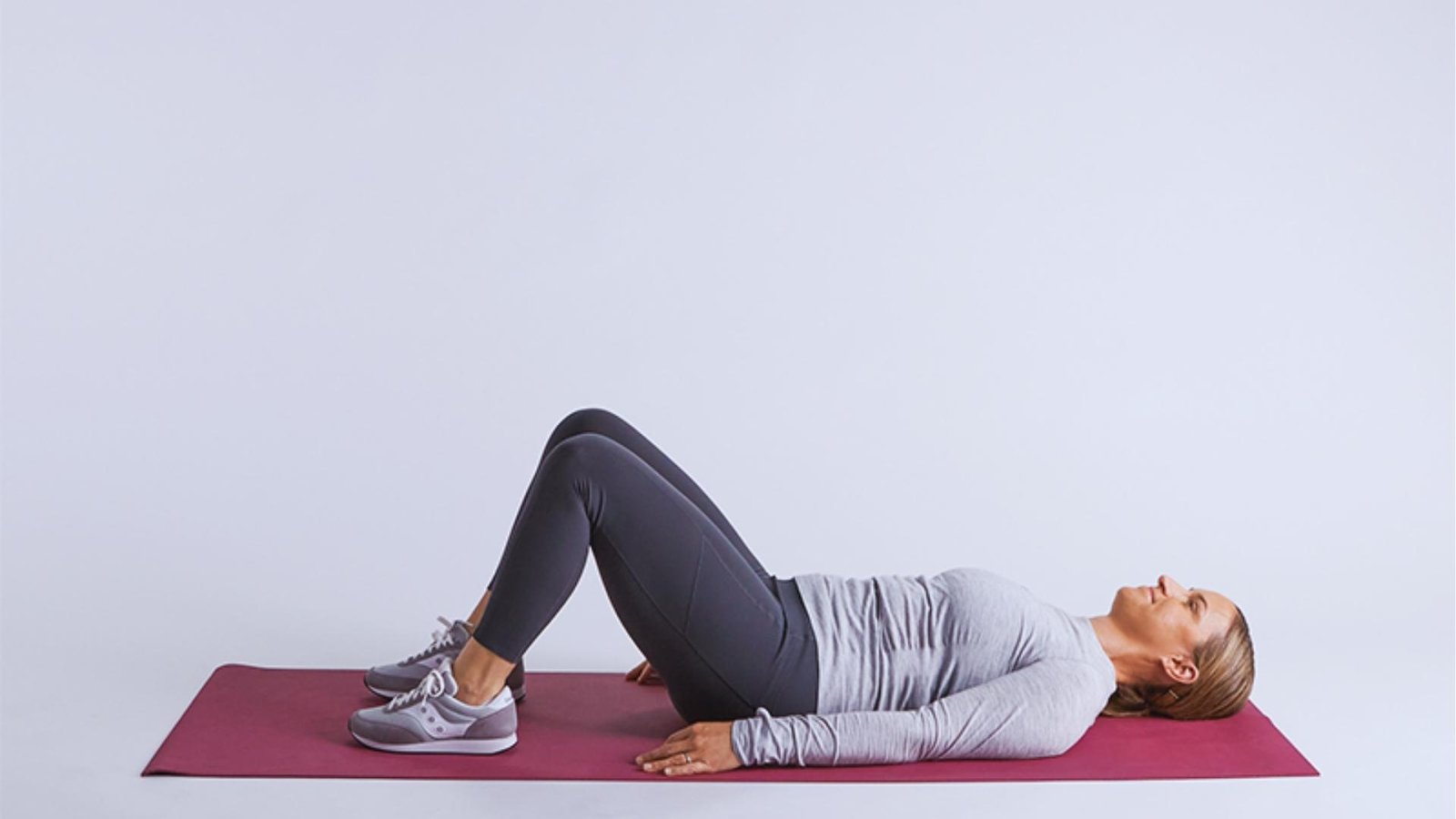
Lie on your back with your knees bent and feet flat, hip width apart. Flatten your lower back into the mat by gently tightening your lower abs, then let it release back to neutral.
Keep the movement slow and small, not forced or rushed. This teaches your core and pelvic floor to move together as one unit.
3. Shoulder Bridge (Glutes + Pelvic Lift)
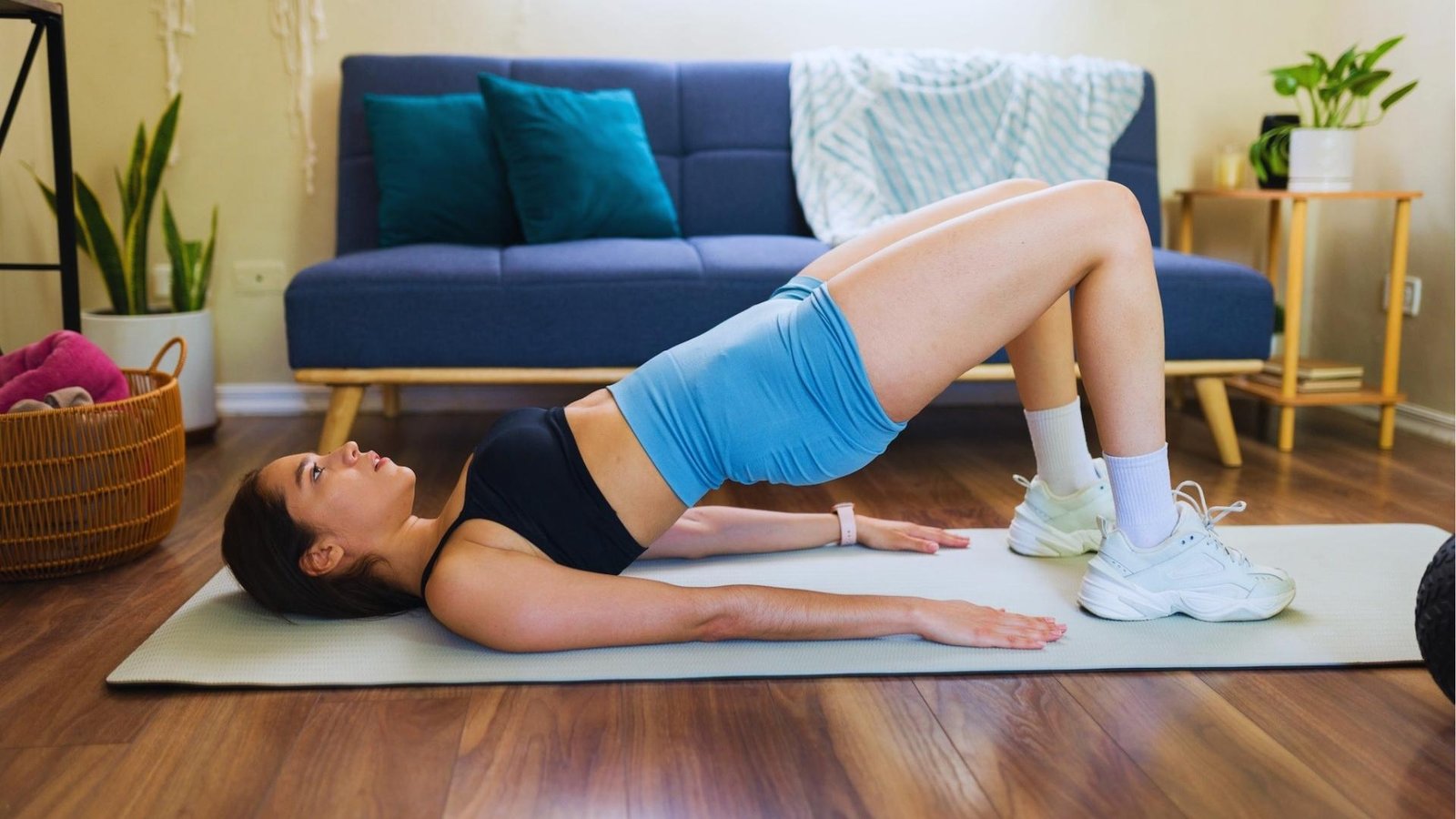
Lie on your back with knees bent and feet flat, then press through your feet to lift your hips off the mat, bone by bone. Pause at the top and hold the lift with steady control.
This move wakes up your glutes while it keeps your pelvic floor active under load. Lower back down just as slowly as you lifted, until your hips rest on the mat again.
4. Heel Slides (Core Stability Drill)
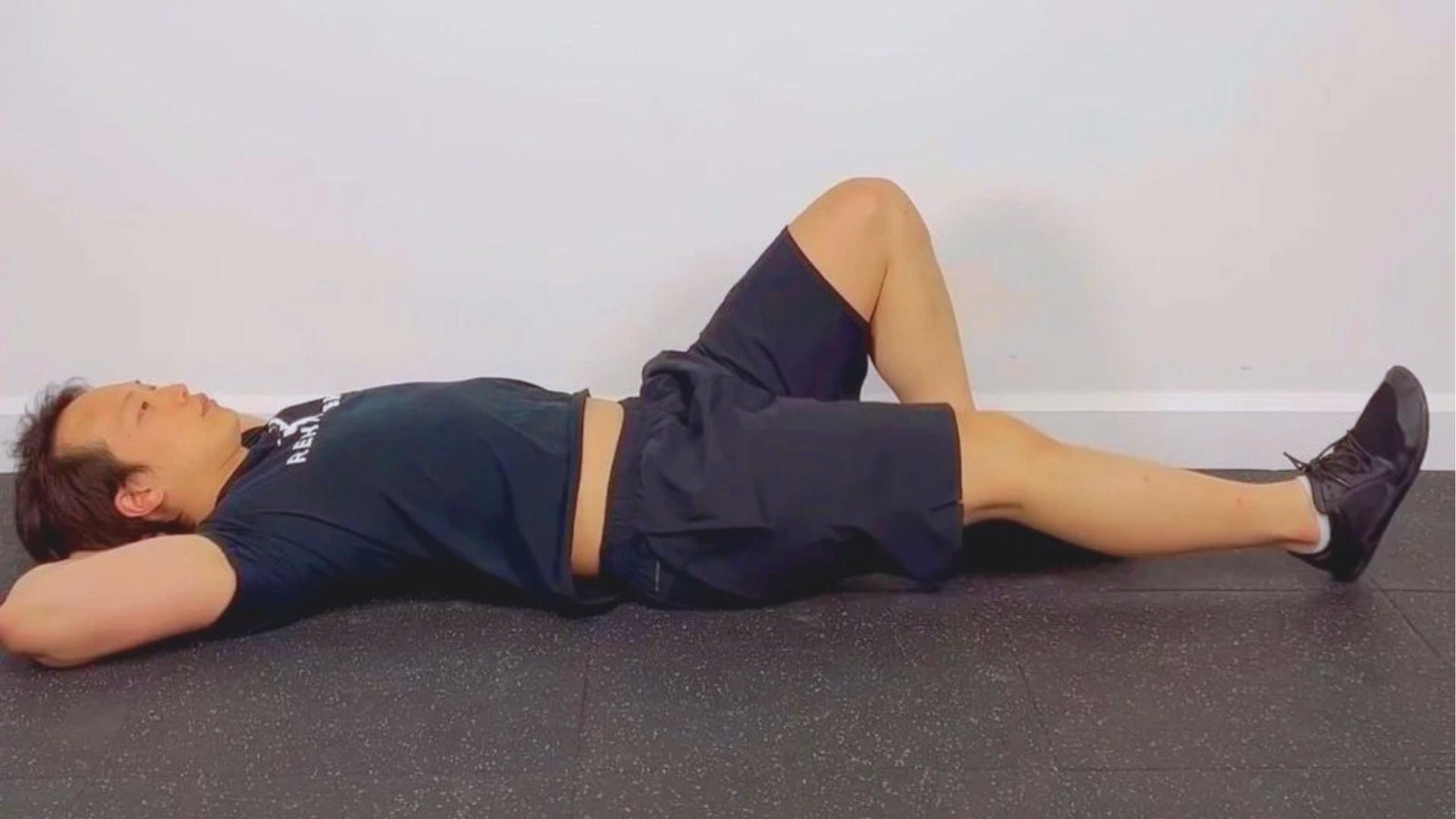
Lie on your back with both knees bent and feet flat on the floor. Slide one heel away from your body while your hips stay still and level.
Slide it back to the start, then switch to the other leg. This drill builds deep core control without putting any stress on your back.
5. Marching (Supine Core Activation)
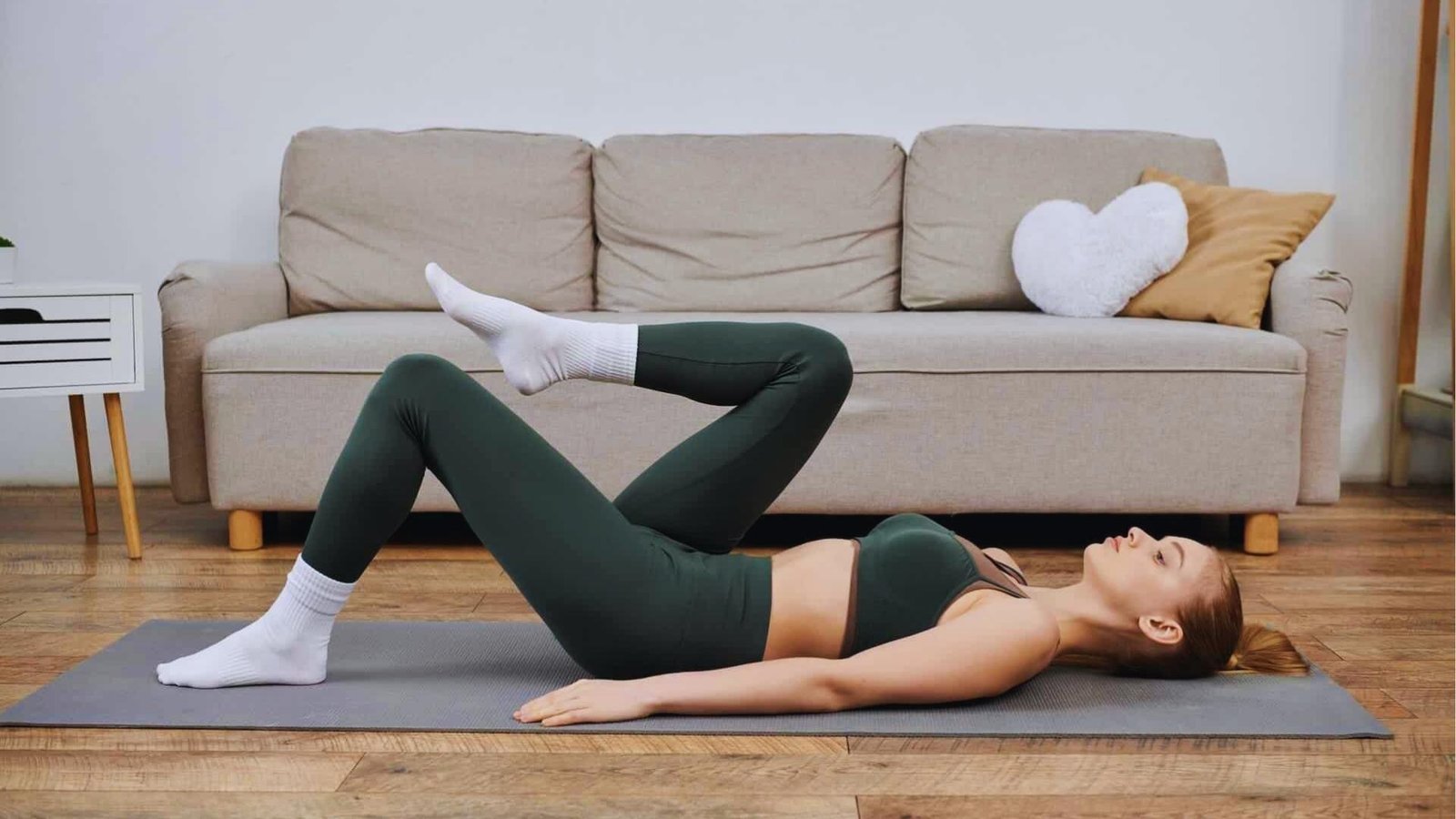
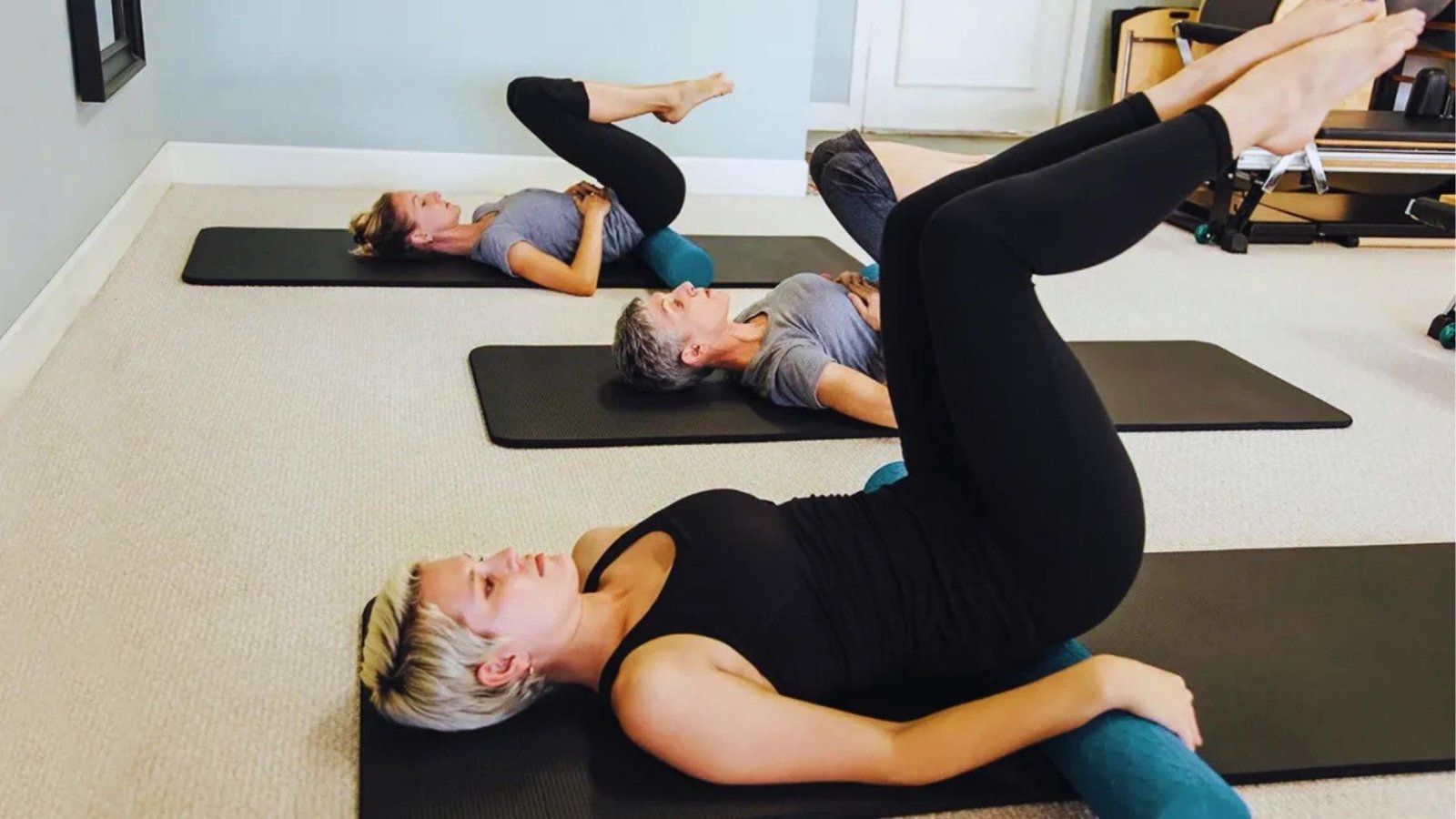
Start in a tabletop position on your back, with knees bent above your hips. Lift one foot toward the floor with control, then bring it back up to the tabletop.
Switch to the other foot and repeat the same slow motion. Marching trains control through small, steady movement while your pelvis stays level the whole time.
6. Bird Dog (Balance + Deep Core Strength)
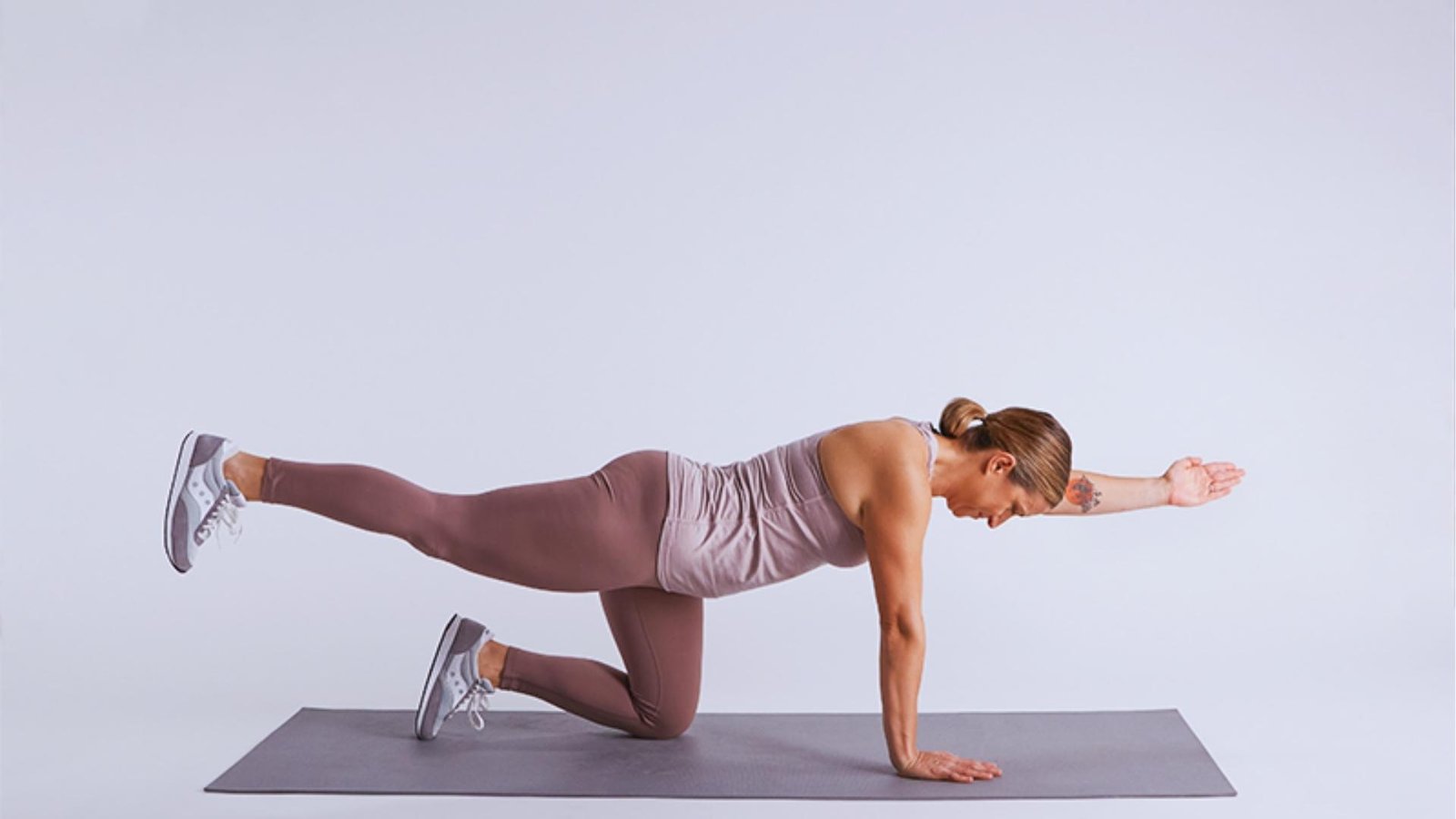
Get on your hands and knees, with hands under your shoulders and knees under your hips. Reach one arm forward and the opposite leg back at the same time, staying level through your hips.
Hold for a few seconds, then return to start and switch sides. This move builds balance and trains your deep core muscles to fire together.
7. Deep Squat (Functional Pelvic Strength)
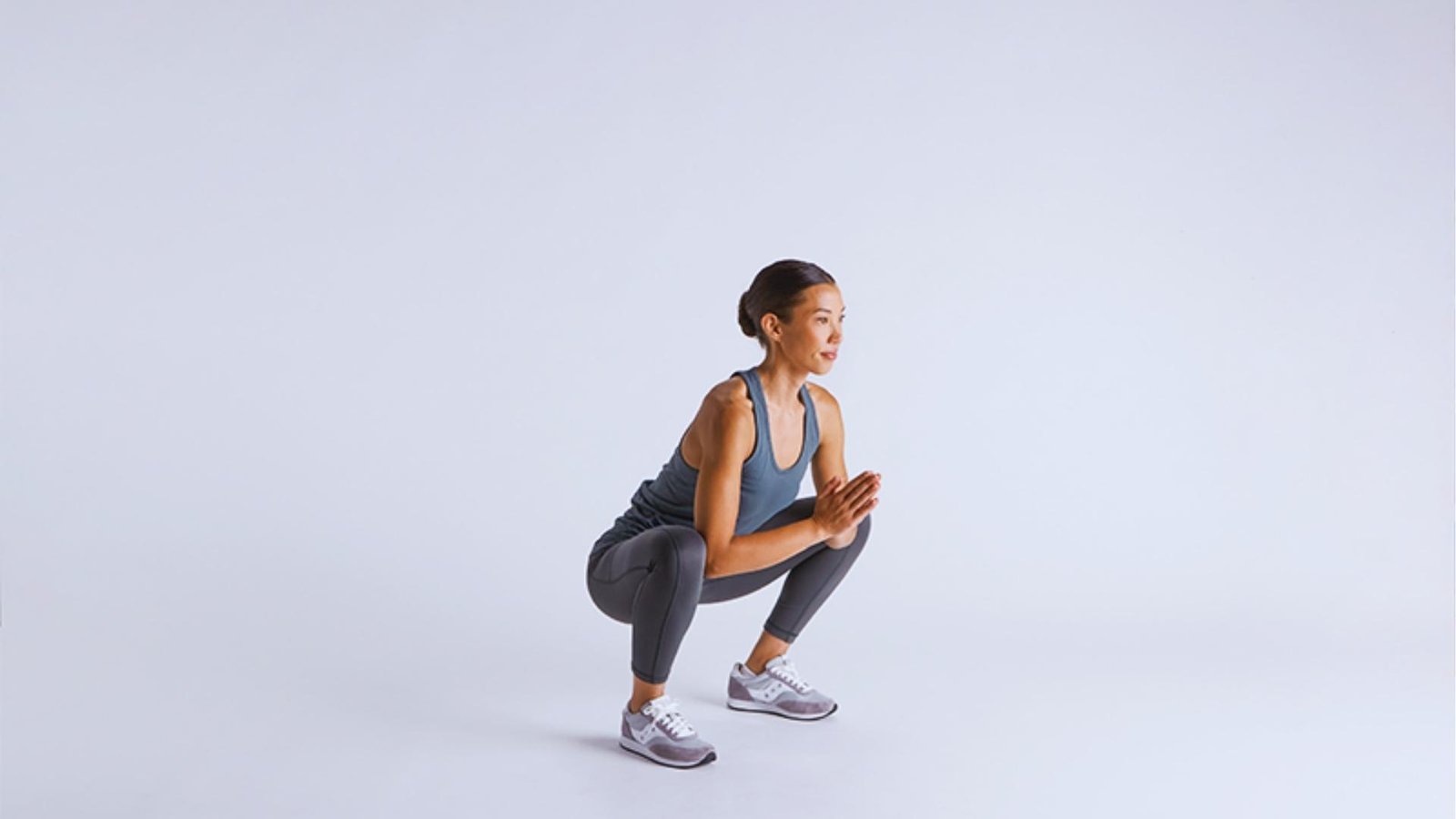
Stand with your feet a bit wider than your hips, toes turned out slightly. Lower into a full squat with slow control, keeping your chest lifted and heels on the floor.
Pause at the bottom for a breath, then push through your feet to stand back up. This move trains your pelvic floor to handle real load, the kind you use every day in normal life.
Common Mistakes to Avoid
Small errors slow your progress. Here are the most common mistakes people make with these moves.
Squeezing Too Hard
Many people grip the pelvic floor with full force instead of a gentle lift. This tires the muscles fast and builds tension instead of strength.
Over time, this habit can make the muscles feel tight and sore instead of strong.
Holding Your Breath
Holding your breath during a move blocks the pelvic floor from working the way it should. Always keep breathing steady, in through the nose and out through the mouth.
When breath and movement work together, the muscles respond much better.
Poor Posture or Misalignment
Letting your hips, back, or shoulders drift out of line cancels out the benefit of the move. Good alignment keeps the right muscles doing the work instead of the wrong ones taking over.
Even small posture slips can shift the load away from your core.
Rushing Through Movements
Moving too fast turns a careful exercise into a sloppy one. Slow, steady reps build far more strength than quick, rushed ones.
Taking your time also helps you notice when your form starts to break down.
Tips for Faster Progress
Small habits make a big difference. These tips help you see results faster and stay safe.
- Show up often and stay consistent, since steady practice beats short bursts of intense effort for real, lasting results.
- Pair your breath with every single movement, since breath control helps the pelvic floor activate the right way each time.
- Start with the simple moves first, then add harder ones once the basics feel steady and fully under your control.
- Relax fully between reps, so your muscles get a real chance to reset before the next repetition begins.
- Track small wins along the way, like better posture or less strain, to stay motivated through the slower weeks.
Conclusion
You now have seven solid moves to build a stronger core from the ground up. I started with just diaphragmatic breathing myself, and within weeks my back pain eased up.
That is the real value of Pilates pelvic floor exercises, small, steady work that adds up. Try one or two moves today and notice how your body feels.
Drop a comment and tell me which exercise worked best for you, or share this post with a friend who needs it too.
Frequently Asked Questions
How often should I do these pelvic floor exercises?
Aim for three to four sessions a week to give your muscles enough work without overdoing it. Consistency matters far more than doing them every single day without rest.
Can beginners start with all seven exercises right away?
Start with breathing and pelvic tilts first, since these build the base control you need. Add the other moves once those two feel easy, steady, and fully controlled.
Will these exercises help with bladder leaks?
Yes, many people notice fewer leaks once their pelvic floor and core start working together the right way. Strong, coordinated muscles give you better control during everyday movement and effort.
How long before I notice results?
Most people feel a difference in posture, control, and strength within four to six weeks of steady practice. Results depend on how often you practice and how well you focus on form.
Do I need any equipment for these exercises?
No equipment is needed to do any of these seven moves safely and effectively at home. A simple mat on the floor is enough for comfort during the floor based exercises.