Staying active as you get older can feel harder than it sounds. Tai chi exercises for seniors offer a gentle, low-impact way to move your body without strain or risk.
I've seen how much this practice helps older adults feel steadier, calmer, and more confident day by day.
You don't need fitness experience or special equipment. You just need a little space and a willingness to start.
In this guide, I'll walk you through what tai chi is and why it works for seniors, 7 simple exercises with clear steps, key benefits for your body and mind, and common mistakes to avoid so you stay safe throughout.
What Is Tai Chi for Seniors?
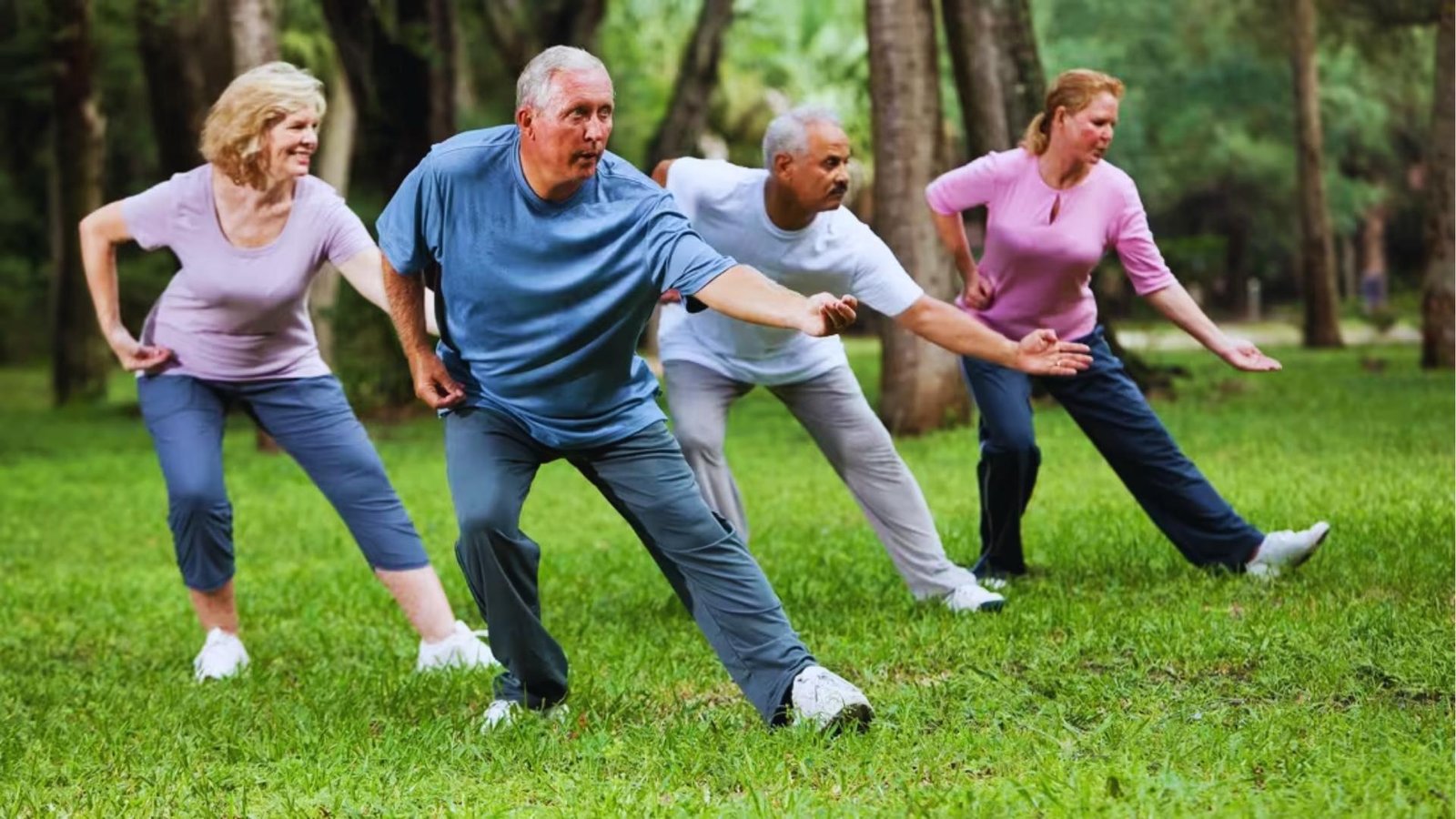
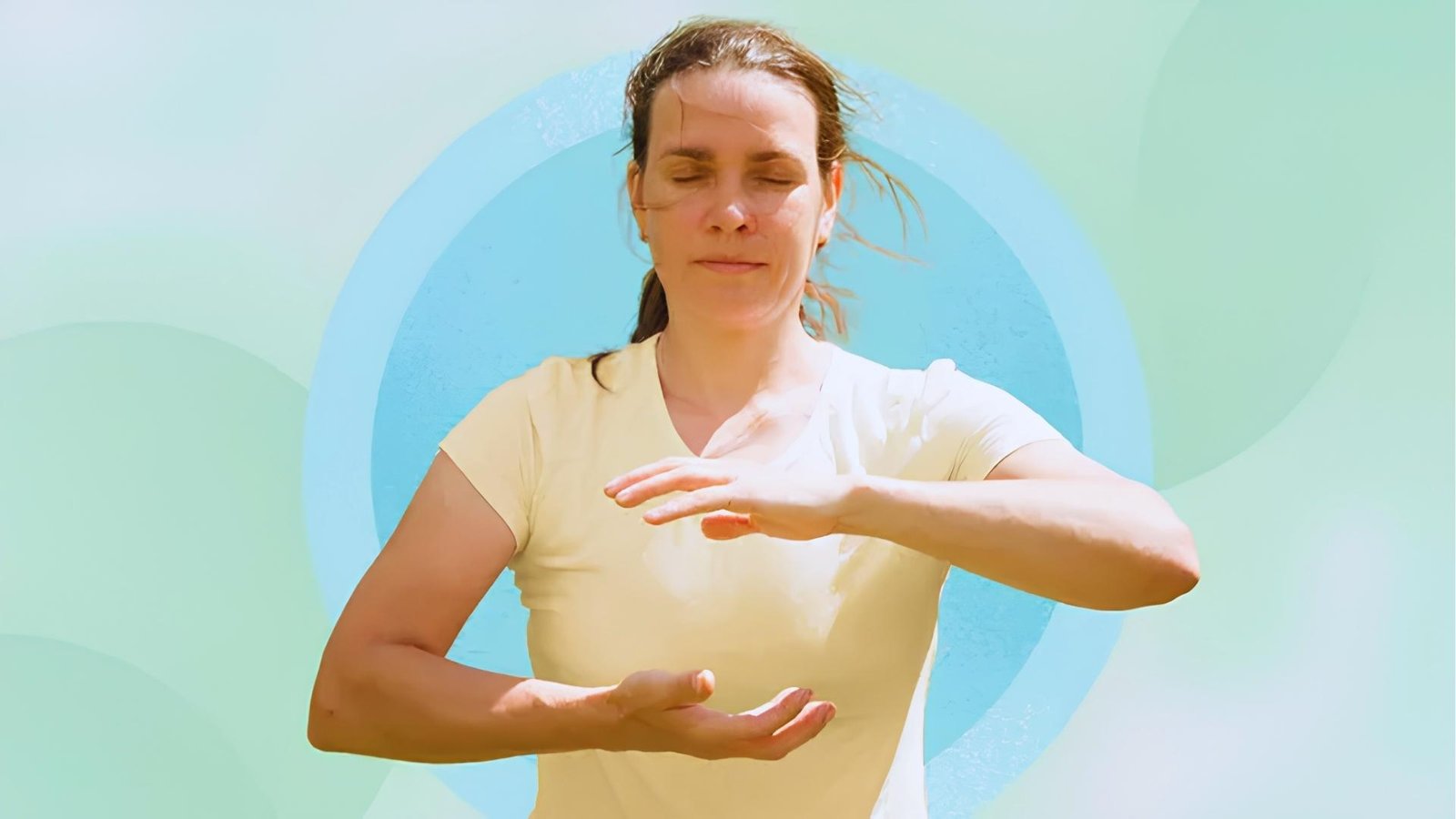
Tai chi is an ancient Chinese practice built on slow, flowing movements where every move connects with your breath.
It's often called "moving meditation" because it calms the mind while working the body. There's no rush, no heavy lifting, just calm steady motion your body can handle at any age.
It puts almost no pressure on your joints and doesn't require speed or strength, making it one of the safest options for older adults, including those with arthritis, stiffness, or past injuries.
Senior-friendly versions use shorter, simpler movements with a reduced range of motion.
Some can even be done seated, making tai chi exercises for seniors accessible for people with limited mobility.
7 Basic Tai Chi Exercises for Seniors
Seven gentle movements any senior can try at home, with no equipment needed.
1. Opening Posture
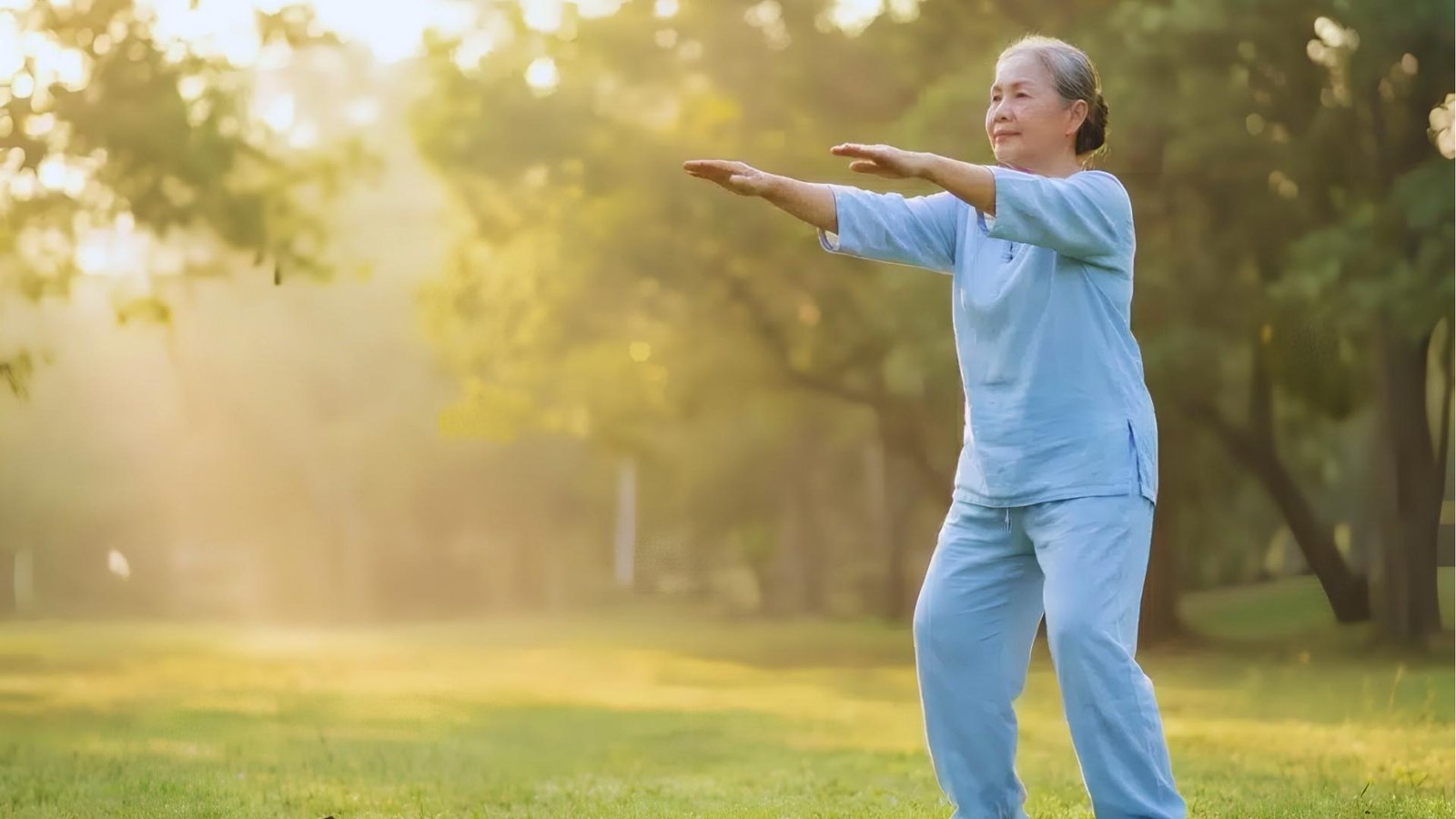
Benefits: Calms the mind, relaxes the shoulders, and prepares the body for movement.
How to do it:
- Stand with feet shoulder-width apart
- Let your arms hang loosely at your sides
- Breathe in slowly, then raise both arms gently to chest height
- Breathe out and lower them back down
- Repeat 4 to 6 times
This sets the tone for your whole session. Don't skip it.
2. Cloud Hands
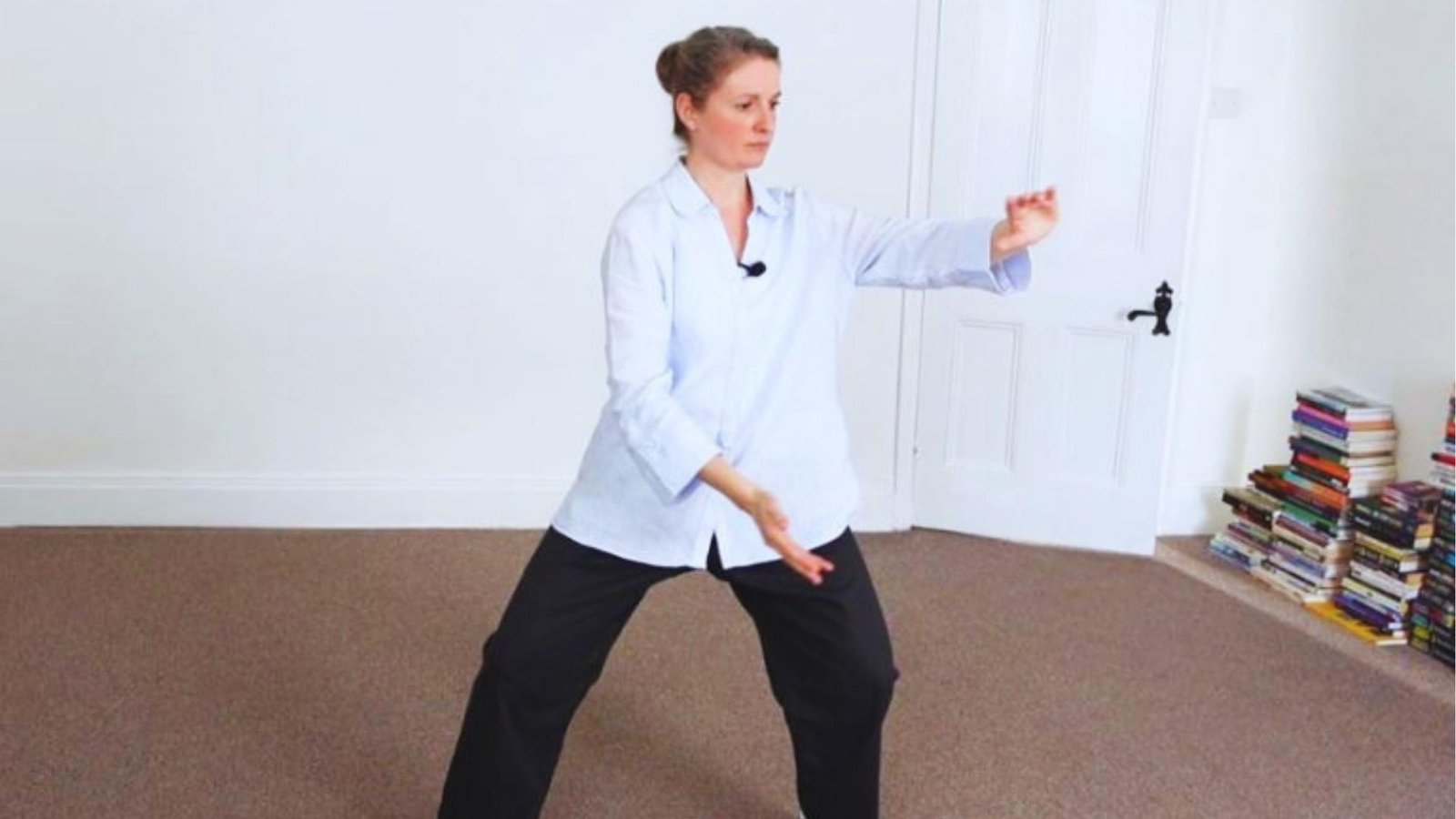
Benefits: Improves coordination, loosens the waist, and builds gentle core stability.
How to do it safely:
- Stand with feet a little wider than shoulder-width
- Shift your weight slowly to the left, moving your left hand up and right hand down
- Then shift right, switching hand positions
- Keep your movements smooth, like moving through water
- Breathe naturally throughout
Move slowly. There's no correct speed here, only comfort.
3. Parting the Wild Horse's Mane
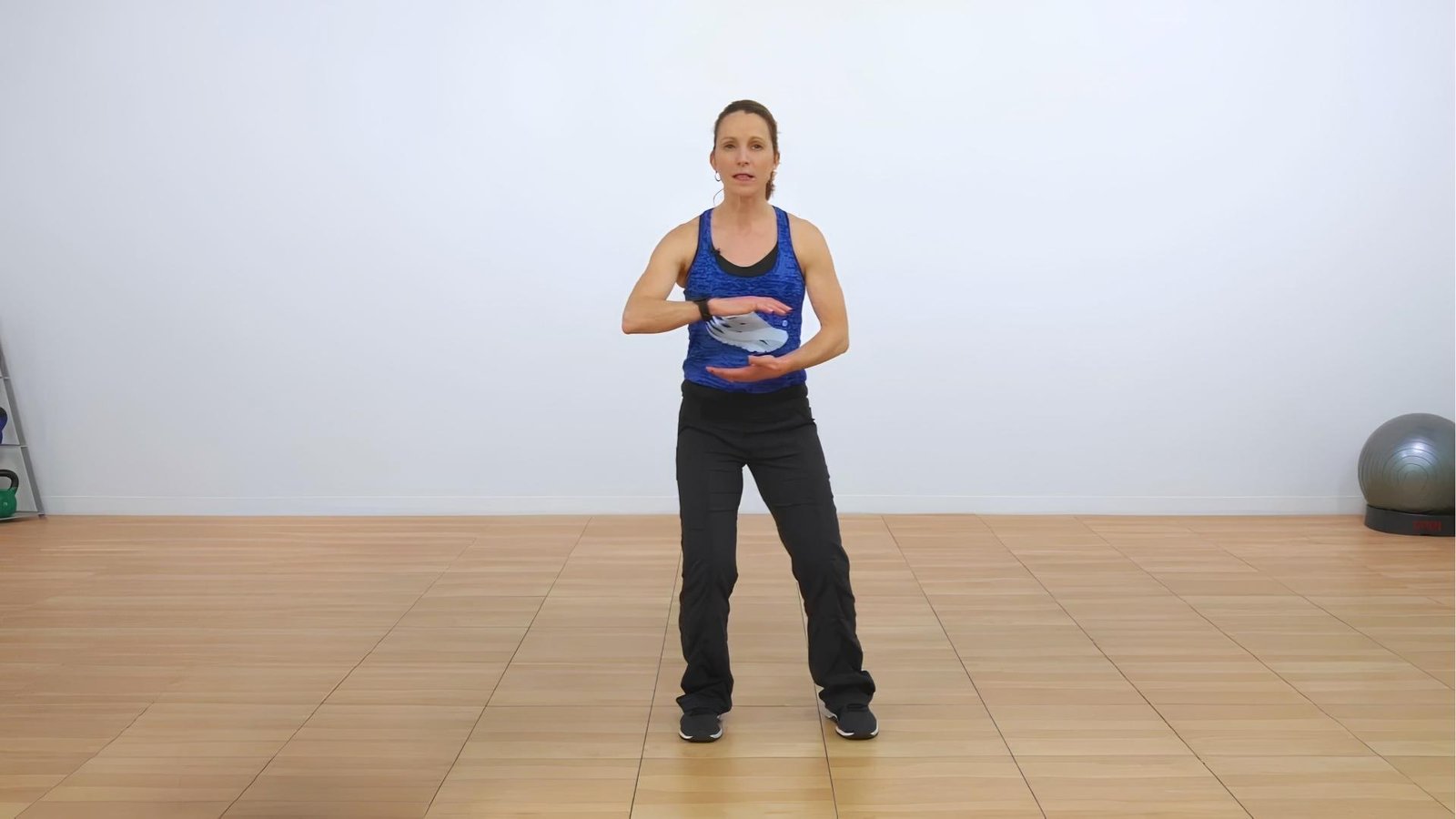
Benefits: Strengthens the legs, opens the chest, and improves side-to-side balance.
Movement guide:
- Start in a comfortable standing position
- Step forward with your left foot while extending your left arm forward and up
- Pull your right arm back and down at the same time
- Shift weight gently and repeat on the other side
- Keep your knees soft, never locked
Think of it as a slow, graceful step forward, nothing forced.
4. Brush Knee and Push
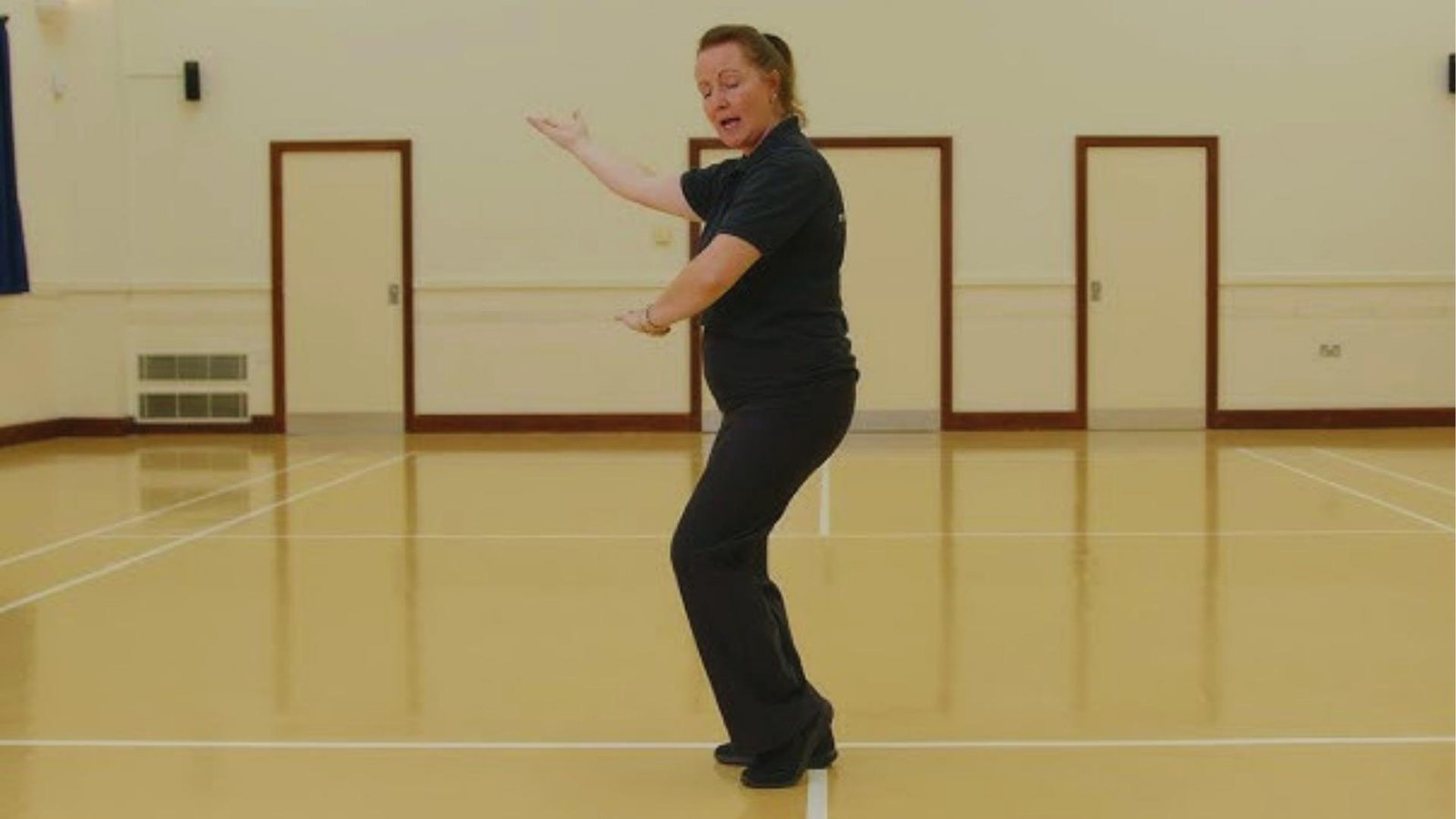
Benefits: Builds leg strength, improves posture, and trains your arms to move independently.
Step-by-step:
- Step forward with your left foot
- Sweep your left hand down across your left knee
- At the same time, push your right hand forward at chest level
- Shift weight forward slowly
- Return and repeat on the right side
Keep your back straight. Avoid leaning too far forward.
5. White Crane Spreads Its Wings
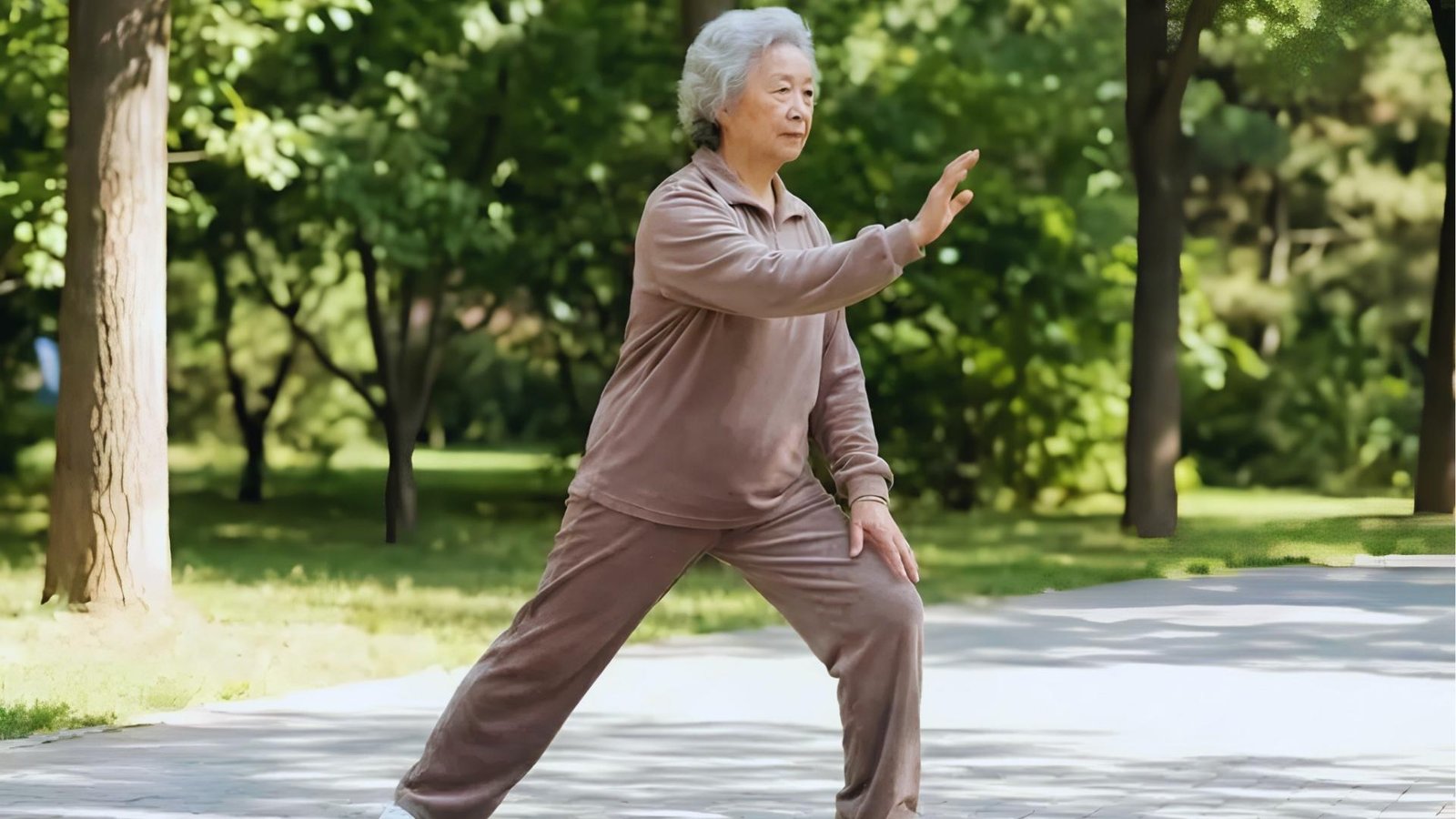
Benefits: Great for balance, focus, and building gentle stability through the hips.
Balance tips:
- Stand with one foot slightly forward
- Raise one arm up and out to the side while lowering the other
- Hold the position for 3 to 5 seconds
- Switch sides slowly
- Use a wall or chair for support if needed
Don't worry if you wobble at first. That's actually your balance improving.
6. Drawing the Bow
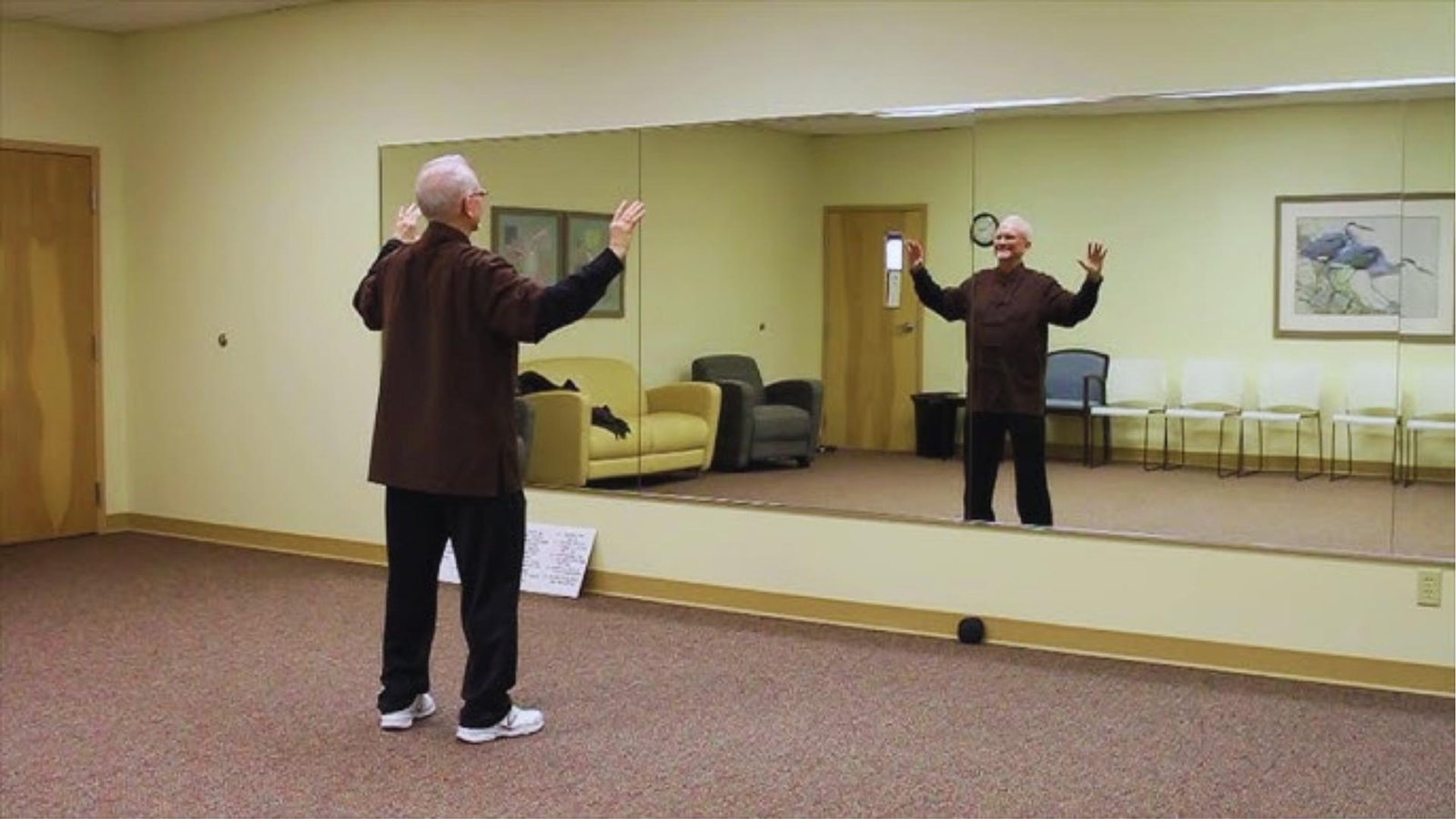
Benefits: Opens the chest, stretches the arms, and builds upper body awareness.
Proper technique:
- Stand with feet wide apart
- Extend both arms forward, palms facing out
- Pull one arm back slowly, like pulling a bowstring
- Hold briefly, then switch sides
- Keep shoulders relaxed throughout
Avoid pulling too hard. A gentle stretch is all you need.
7. Touch the Sky
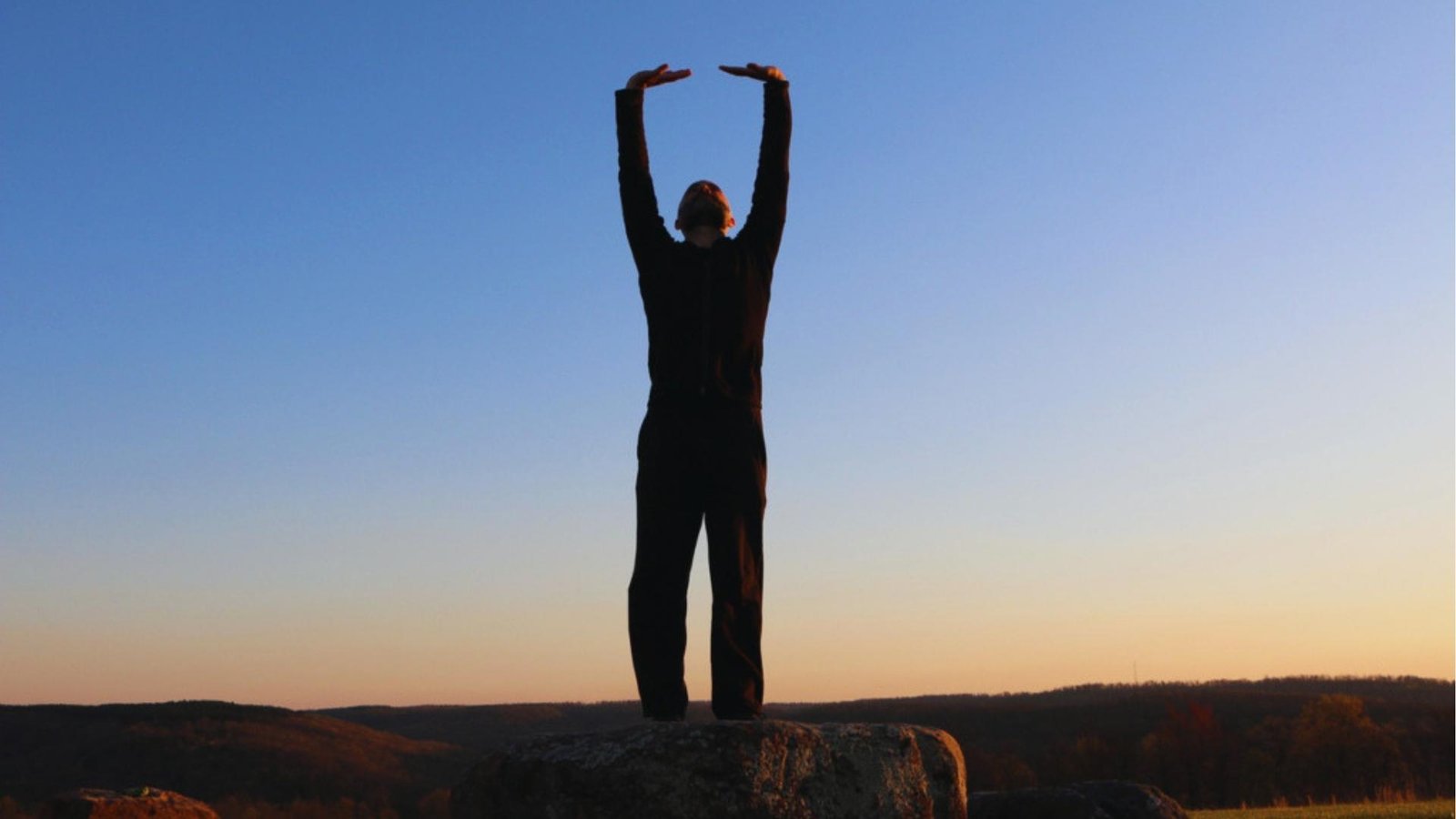
Benefits: Stretches the spine, opens the lungs, and pairs perfectly with deep breathing.
Breathing coordination:
- Stand tall with feet together
- Breathe in slowly while raising both arms above your head, palms facing up
- Breathe out as you lower your arms back down
- Move with your breath, not against it
- Repeat 5 to 8 times
This one is calming and refreshing. It's a great way to end a session.
Benefits of Tai Chi for Seniors
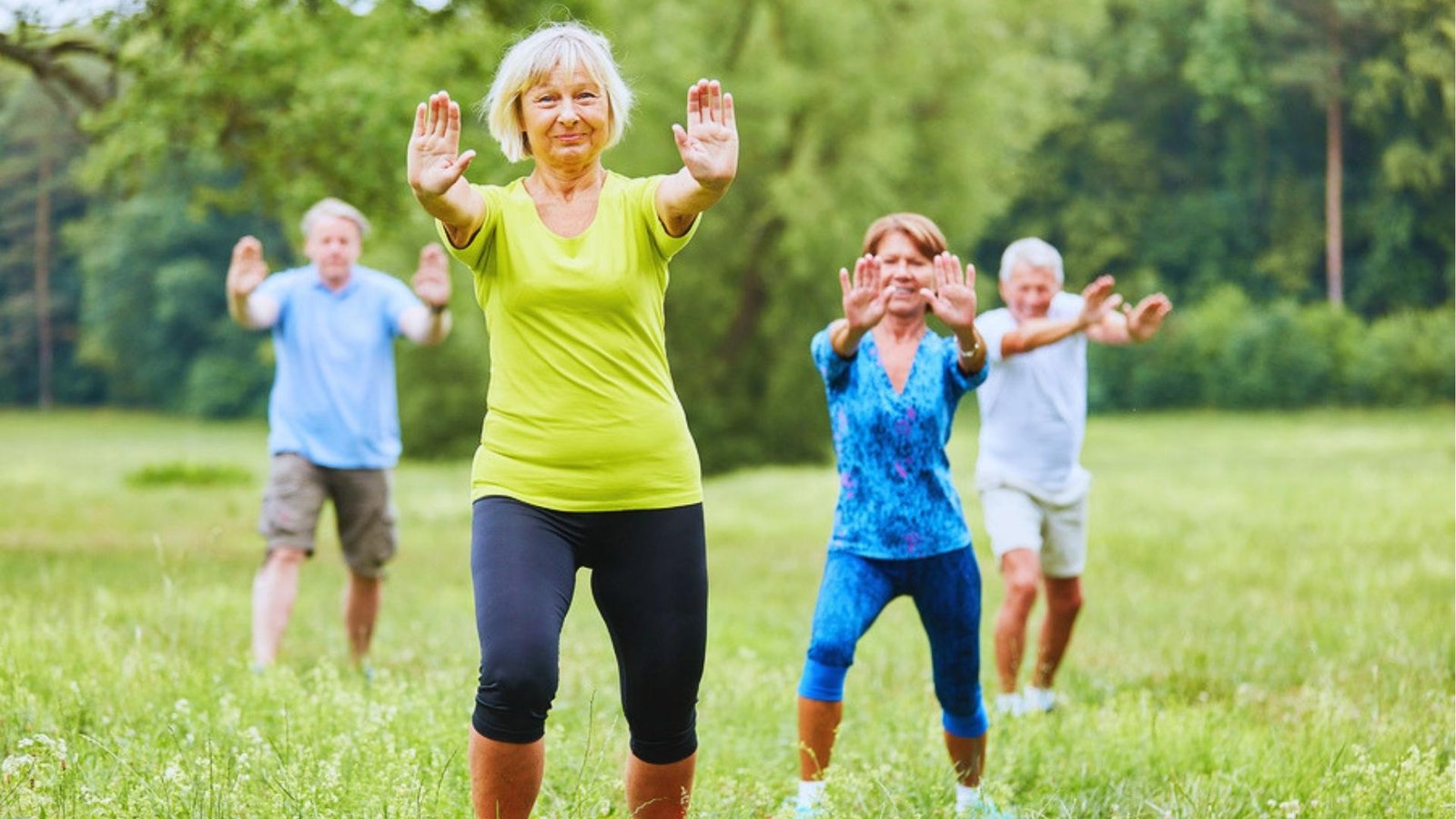
Why does this practice do more than just keep you moving it supports your whole wellbeing.
Physical Benefits
Regular tai chi helps your body in real, measurable ways:
- Balance and coordination improve with consistent practice
- Muscle strength and flexibility build up gradually
- Fall prevention is one of the most studied benefits seniors who practice tai chi fall less often
Mental and Emotional Benefits
Tai chi slows you down in the best way. It lowers stress hormones, reduces anxiety, and gives your mind something calm to focus on.
Many seniors report feeling more confident and clearer-headed after just a few weeks.
Overall Health Benefits
Beyond strength and calm, tai chi supports better sleep, improved posture, and greater independence in daily life.
These aren't small things. They add up to a better quality of life over time.
Common Mistakes to Avoid
Small errors can slow your progress. Here's what to watch out for.
Avoid Rushing Movements
Tai chi only works when it's slow. Moving too fast removes the balance challenge and increases the chance of strain. Slow down more than you think you need to.
Do Not Hold Your Breath
Many beginners accidentally hold their breath during moves. Keep breathing throughout every exercise. Breathe in on the opening movements, out on the closing ones.
Prevent Over-Bending the Knees
Your knees should always stay behind your toes when you step or shift weight. Bending too deep puts unnecessary pressure on the joints.
Listen to Your Body
Pain is a signal to stop. Mild effort is fine. Discomfort is not. If something hurts, ease back or skip that movement for the day.
Use Support When Needed
A sturdy chair or wall is not a sign of weakness, it's smart practice. Use support any time your balance feels off.
Tips for Safe Tai Chi Practice
Small habits that make your practice safer and more consistent.
- Start with just 10 minutes a day and build from there. Consistency matters more than how long you practice each session.
- Clear your space before starting. Remove rugs, loose cords, and anything you could trip over. Good lighting makes a real difference.
- Wear loose, comfortable clothes and flat non-slip shoes. Avoid thick soles as they can throw off your balance.
- Every move in this guide can be scaled back. Smaller steps, shorter holds, and seated versions are all perfectly fine options.
- The goal is safe movement, not perfect form. Modify anything that feels uncomfortable and listen to what your body tells you.
Conclusion
If you've made it this far, you're already one step closer to feeling better in your body. I truly believe tai chi is one of the kindest things a senior can do for themselves.
These tai chi exercises for seniors are simple, safe, and something you can actually stick with. Start with just one or two movements today. See how your body responds.
Small steps lead to real change over time. If this helped you, leave a comment below or share it with someone who could use it. You've got this.
Frequently Asked Questions
How often should seniors do tai chi?
Most experts suggest 3 to 5 times per week. Even short daily sessions of 10 to 15 minutes can bring noticeable improvements in balance and flexibility.
Can seniors with arthritis practice tai chi?
Yes, tai chi is one of the most arthritis-friendly exercises available. Its slow, gentle movements reduce joint stress while keeping the body mobile and active.
Is tai chi safe for seniors with balance problems?
Absolutely. Tai chi is often recommended specifically for balance issues. You can use a chair or wall for support until your stability improves with practice.
Do I need an instructor to start tai chi?
Not necessarily. Simple beginner routines like the ones in this guide can be done at home. However, a local class or video instructor can help you refine your form over time.
How long before seniors see results from tai chi?
Many people notice improvements in mood and steadiness within 2 to 4 weeks of regular practice. Physical benefits like strength and flexibility build gradually over a few months.