
Waking up tired every day is frustrating. If sleep apnea is breaking your sleep, you are not alone.
Myofunctional therapy exercises for sleep apnea strengthen the muscles in your mouth and throat. Weak muscles block your airway at night. That leads to snoring, low energy, and poor sleep quality.
This article covers seven exercises, a step-by-step guide, key benefits, and practical tips to help you breathe better at night.
I have researched this topic closely and reviewed trusted clinical sources to bring you clear, usable information.
You will find everything you need right here.Better sleep starts with small, consistent steps.
What Are Myofunctional Therapy Exercises for Sleep Apnea?

These are simple muscle movements that train your mouth and throat to stay open during sleep.
Myofunctional therapy exercises for sleep apnea target the tongue, lips, jaw, and throat muscles. When these muscles are weak, they collapse during sleep and block your airway. This causes snoring and interrupted breathing.
These exercises retrain and strengthen those muscles. Think of it as physical therapy for your mouth. They are non-invasive, easy to do at home, and backed by clinical research.
A study in Sleep Medicine found nearly a reduction in sleep apnea severity with consistent oropharyngeal exercise practice.
These exercises do not replace medical care but work well alongside it.
Step-by-Step Guide to Myofunctional Therapy Exercises for Sleep Apnea
Follow these four steps every time you practice to get the most out of each session.
Step 1: Get Into a Comfortable Position and Relax Your Facial Muscles
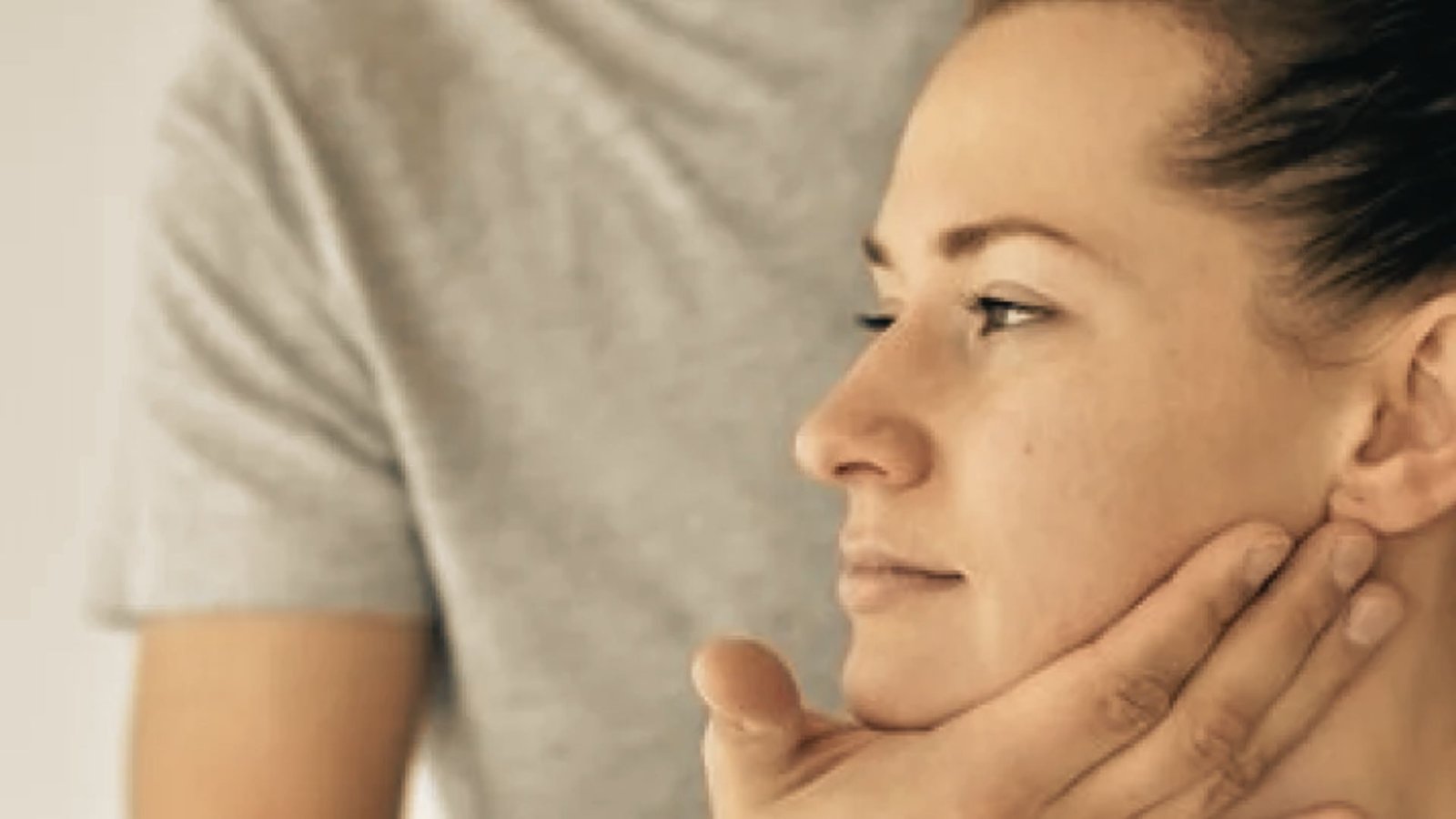
Sit upright in a chair with your back straight and feet flat on the floor. Drop your shoulders, relax your jaw, and take two slow breaths through your nose before starting.
Step 2: Practice Proper Tongue Placement on the Roof of Your Mouth

Rest the tip of your tongue gently against the roof of your mouth, just behind your upper front teeth. Hold this position for 30 seconds before moving on to your exercises.
Step 3: Perform the Recommended Myofunctional Therapy Exercises

Work through each exercise slowly and with full control, focusing on correct form over speed. Each movement targets specific muscles that help keep your airway open during sleep.
Step 4: Repeat Daily and Track Your Progress

Practice at the same time every day and write down your repetitions and how you feel afterward. Tracking your sessions helps you stay consistent and notice real improvement over time.
7 Myofunctional Therapy Exercises for Sleep Apnea
These seven exercises are simple to follow and can make a real difference over time.
1. Tongue-to-Roof Press Exercise

Press your full tongue flat against the roof of your mouth and hold for 5 seconds. Repeat 10 times to strengthen the tongue and stop it from falling back during sleep.
2. Tongue Slide Along the Palate

Place your tongue tip behind your upper teeth and slide it slowly backward toward your throat, then forward again. Repeat 10 times to build tongue muscle tone and coordination.
3. Tongue Click Exercise
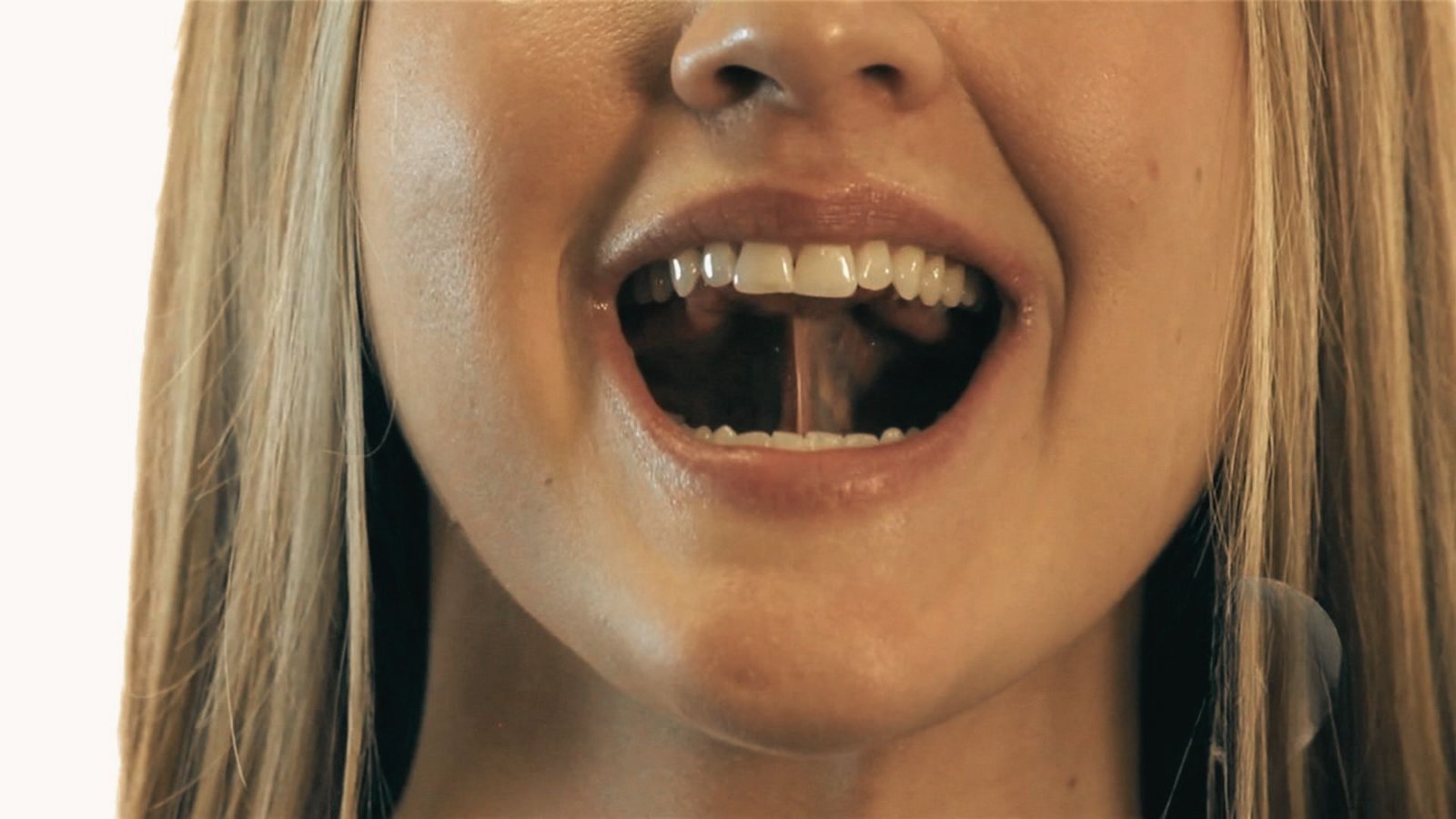
Press your tongue against the roof of your mouth and pull it down fast to make a clicking sound. Repeat 15 times to build tongue strength and improve muscle mobility.
4. Tongue Extension Toward the Nose
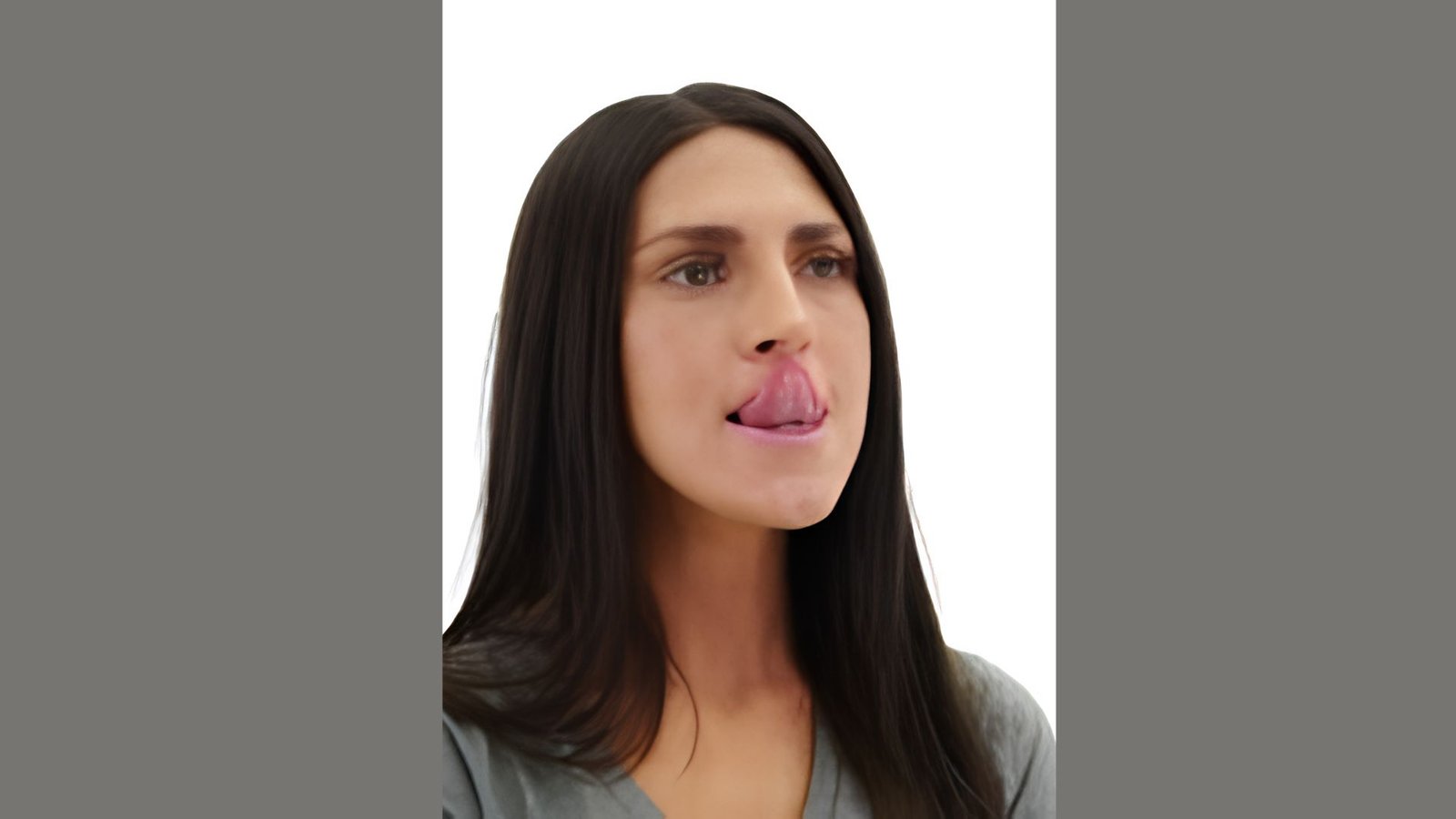
Stick your tongue out and point it upward toward your nose, hold for 3 seconds, then return. Repeat 10 times to stretch and strengthen the upper tongue and throat muscles.
5. Tongue Extension Toward the Chin

Stick your tongue out and point it downward toward your chin, hold for 3 seconds, then return. Repeat 10 times to target the base of the mouth and keep the airway clear.
6. Tongue Rolling Exercise

Curl the sides of your tongue upward into a tube shape, hold for 3 seconds, then flatten it. Repeat 10 times to improve tongue flexibility and overall airway muscle control.
7. Lip Seal and Lip Strengthening Exercise

Press your lips gently together for 5 seconds, then pucker them like a whistle and hold again. Repeat each movement 10 times to reduce mouth breathing and support nose breathing habits.
Benefits of Myofunctional Therapy Exercises for Sleep Apnea

These exercises offer more than better sleep. They support long-term muscle health in ways that affect your daily life.
May Help Reduce Snoring
Stronger tongue and throat muscles are less likely to collapse and vibrate during sleep. Many people notice less snoring after just a few weeks of consistent daily practice.
Supports Better Airflow During Sleep
Toned orofacial muscles hold the tongue and soft tissues in place instead of letting them fall back. This keeps the airway open and leads to deeper, less interrupted sleep.
Strengthens Tongue and Throat Muscles
Regular practice builds the full group of muscles surrounding your airway over time. This also supports clearer speech, easier swallowing, and better jaw alignment in daily life.
Complements Other Sleep Apnea Treatments
These exercises pair well with CPAP therapy, oral appliances, and surgical recovery plans. They do not replace medical treatment but can make your existing care plan work better.
How Long Does It Take to See Results?

Results vary, but most people begin to notice changes within 6 to 8 weeks of consistent daily practice.
Factors That Affect Progress
The severity of your sleep apnea, your age, and how often you practice all affect how fast you see results. Combining exercises with other treatments can also speed up improvement.
Why Consistency Matters
Muscles only grow stronger through repeated daily effort, not occasional sessions. Even 10 to 15 minutes each day builds real, lasting change over time.
Tips for Myofunctional Therapy Exercises for Sleep Apnea
Small daily habits can make your practice more effective and consistent.
- Practice at the same time every day to build a steady routine that sticks.
- Focus on slow, controlled movements rather than rushing through repetitions.
- Keep your lips closed and breathe through your nose during each exercise.
- Start with basic repetitions and gradually increase as your muscles get stronger.
- Combine your exercises with good sleep habits for faster, better results.
Conclusion
Myofunctional therapy exercises for sleep apnea are simple, but they work when you stay consistent.
I started looking into these exercises after dealing with restless nights myself, and the research genuinely surprised me. Small daily movements can lead to real changes in how you breathe during sleep.
Start with one or two exercises today. Build the habit slowly. Your muscles will get stronger with every session.
Found this helpful? Leave a comment below or share this post with someone who needs better sleep.
Frequently Asked Questions
Do Myofunctional Therapy Exercises for Sleep Apnea Really Work?
Yes, clinical research shows these exercises can reduce sleep apnea severity by strengthening weak airway muscles. Consistent daily practice delivers the best results.
How Often Should I Practice These Exercises?
Practice daily for at least 10 to 15 minutes. Skipping sessions regularly will slow your progress and reduce the benefits over time.
Can These Exercises Replace CPAP Therapy?
No, they should not replace CPAP without your doctor's approval. They work best as a helpful addition to your existing treatment plan.
Are These Exercises Safe for Adults and Children?
Yes, they are generally safe for all ages. A trained myofunctional therapist can adjust the routine based on individual needs and age.
Which Myofunctional Exercise Is Best for Snoring?
The tongue-to-roof press and lip seal exercise are most helpful for snoring. They target the muscles most likely to collapse and vibrate during sleep.