
Have you ever reacted to something small and wondered, why did that hit so hard? I have. Many of those reactions trace back to childhood wounds we never fully processed.
In this blog, I'll walk you through 7 inner child healing exercises for emotional freedom practical tools to help you understand your triggers, rebuild self-trust, and feel more at peace.
You'll also learn how self-compassion plays a key role in healing and why reparenting yourself matters more than you think.
I've worked with these practices personally, and they genuinely help. If you've been looking for a real, grounded place to start, this is it.
Understanding Inner Child Healing and Emotional Patterns

Before jumping into the exercises, it helps to understand why inner child work matters. Your inner child carries feelings and needs from your early years.
In adulthood, this shows up as fear of abandonment, people-pleasing, or low self-worth. These patterns run quietly in the background.
A trigger is rarely about the present moment. It connects to something older. If a parent was emotionally unavailable, that wiring stays.
Self-compassion means responding to your pain gently, without blame. Without it, healing stays surface-level. Reparenting takes this further.
It means giving yourself the safety and validation you never received. That is where real emotional freedom begins.
7 Inner Child Healing Exercises for Emotional Freedom
These seven exercises are simple, practical, and designed to help you reconnect with yourself at a deeper level.
1. Inner Child Visualization for Emotional Safety

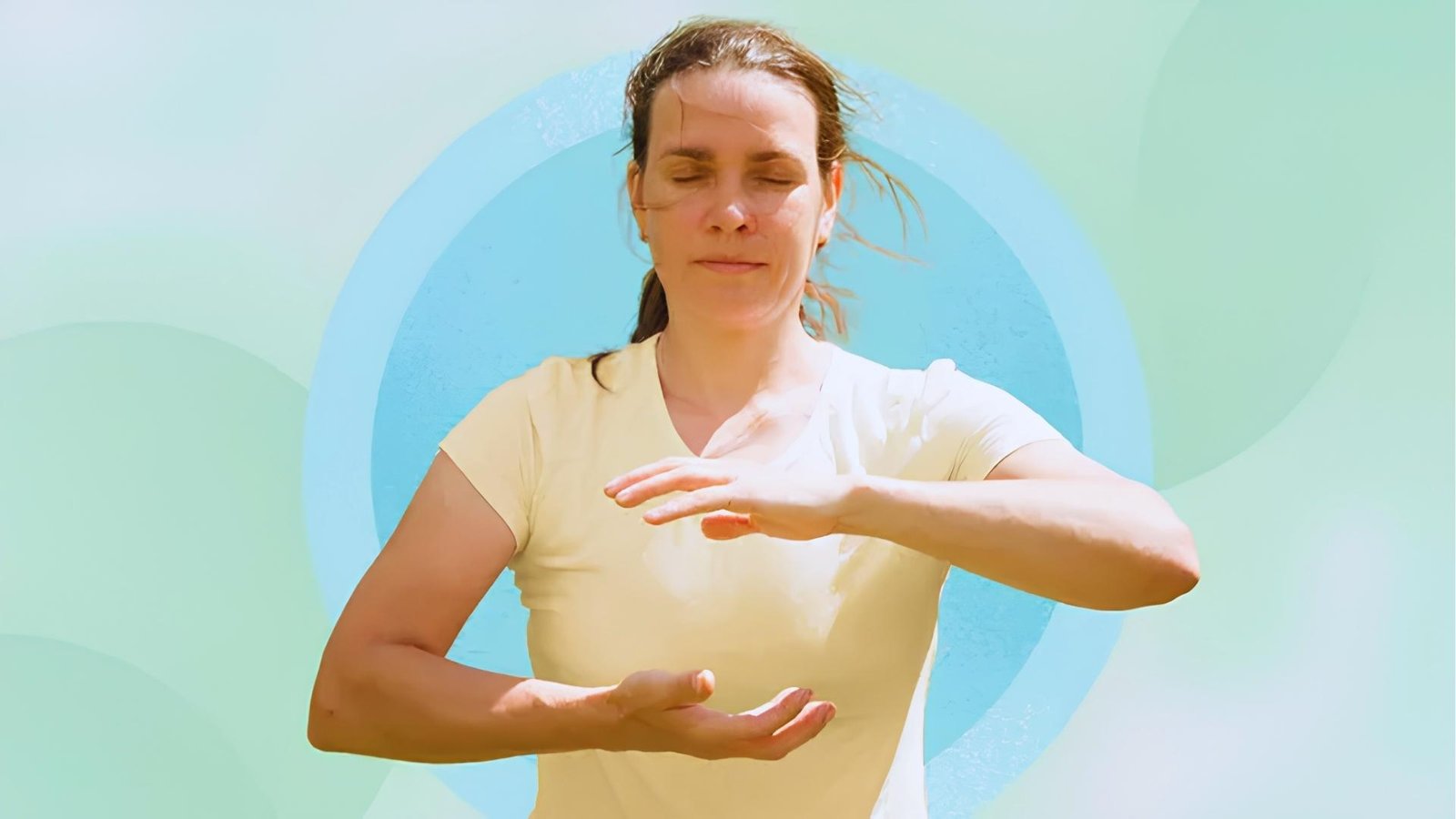
Close your eyes. Breathe slowly. Now imagine yourself as a young child, maybe five or six years old.
See where that child is sitting. What do they look like? What do they need? In your mind, sit beside them. Tell them they are safe. You are here now.
This practice helps your nervous system feel less alone. Even five minutes of this can shift how you feel.
2. Writing a Letter to Your Inner Child

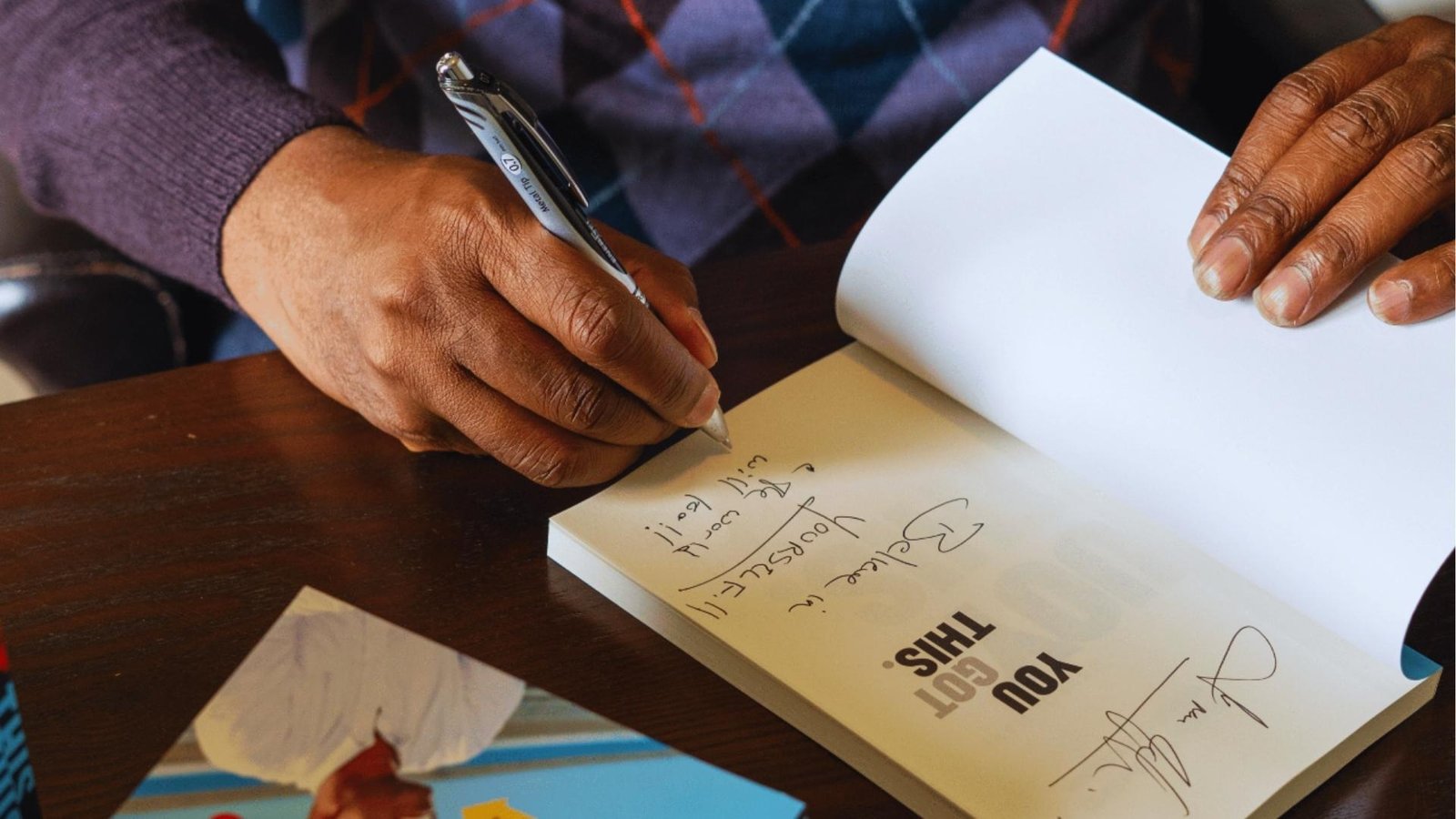
Take a notebook. Write a letter starting with:"Dear younger me…"
Tell that child what you wish someone had said to them. Acknowledge their pain. Remind them they were not wrong for feeling what they felt.
This exercise brings buried emotions to the surface in a gentle way. It also helps you see yourself with more kindness.
3. Self-Compassionate Touch for Grounding

Place one hand on your chest. Breathe in slowly. Feel the warmth of your own hand. This is not complicated. It is physical. And it works.
Touch sends a signal to the brain that you are safe. It reduces cortisol and activates the parasympathetic nervous system, the part that helps you calm down.
Do this whenever anxiety or old pain surfaces.
4. Rewriting Negative Self-Talk
Notice the voice that says, "You're too much" or "You always mess things up."
Ask yourself:whose voice is that really?
Then rewrite it. Swap "I always fail" for "I am learning and that takes time." Write the new version down. Say it out loud.
This is not about fake positivity. It is about accuracy. The old voice was learned. It can be changed.
5. Reparenting Through Positive Affirmations

Affirmations work best when they speak directly to what your inner child needs to hear.
Try these:
- "I am allowed to take up space."
- "My feelings are valid."
- "I am worthy of care."
Say them slowly. Let them land. At first they may feel awkward. That discomfort is the old belief resisting change. Keep going.
6. Reconnecting With Childlike Play
When did you last do something just for fun? No purpose. No outcome.
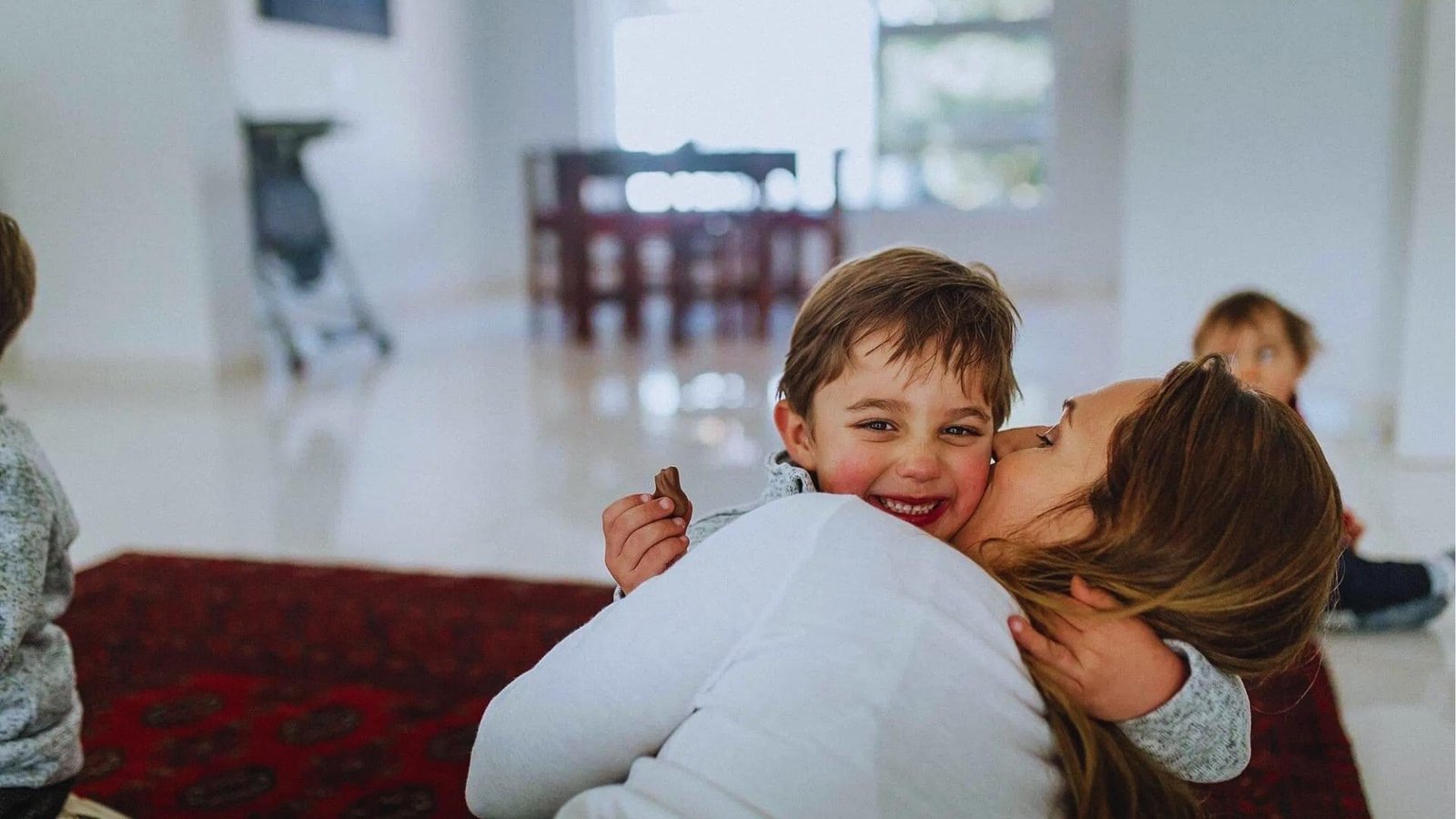
Play is not a reward. It is a need. Children regulate their emotions through play. Adults can too.
Draw, dance in your room, build something silly, or revisit a hobby you loved as a kid. Let yourself be bad at it. That is the point.
7. Creating a Safe Space for Inner Healing

Design a small physical or mental space where you go to check in with yourself.
It could be a quiet corner with a journal and a candle. Or a mental image of a calm place you return to in meditation.
Consistency matters here. The more you return to this space, the more your brain associates it with safety. That association becomes healing over time.
How Self-Compassion Supports Deep Inner Child Healing

Self-compassion is not a soft add-on. It is the core of what makes inner child work actually stick.
Why Self-Compassion Reduces Shame and Emotional Reactivity
Shame keeps wounds locked in place. It says, "You are the problem." Self-compassion says, "You had an experience, and it hurt."
That shift is powerful. When shame decreases, emotional reactivity decreases with it. You stop overreacting because you are no longer carrying the same weight.
How It Helps Rewire Negative Childhood Beliefs
Beliefs formed in childhood feel like facts. They are not.
Self-compassion creates space to question them. When you stop punishing yourself for struggling, new beliefs have room to grow, ones built on evidence from your adult life, not old fear.
Connection Between Self-Compassion and Emotional Regulation
Research supports this. People who practice self-compassion show lower levels of anxiety and depression. They recover from setbacks faster.
Self-compassion is not weakness. It is one of the most effective tools for emotional stability.
Building a Nurturing Inner Parent Voice Over Time
The inner parent voice is the one that responds to your pain with calm and care.
It does not develop overnight. But every time you choose kindness over self-criticism, you strengthen it. Over weeks and months, it becomes the louder voice.
Practical Tips for Consistent Inner Child Healing Practice
Healing is not about doing everything at once. Small, steady steps work far better than one intense effort.
- Start small. Five to ten minutes of daily journaling or visualization is enough. Short, consistent practice builds more momentum than long, occasional sessions.
- Let emotions move through. When feelings come up, allow them without judgment. Resisting emotion prolongs it. Letting it be, even briefly, helps it pass.
- Mix your methods. Combine visualization, journaling, and affirmations throughout the week. Each one works differently, and together they create deeper, lasting results.
- Be patient with the process. Some days feel like progress, others like setbacks. Both are normal. Measure healing over months, not moments.
- Know when to get support. These exercises are helpful tools, but if you feel overwhelmed or unable to function, a trauma-informed therapist can guide you safely.
Conclusion
Healing your inner child is one of the most honest things you can do for yourself. I know it can feel slow and sometimes uncomfortable. But every small step counts.
These inner child healing exercises for emotional freedom are not about fixing yourself. You are not broken. You are healing.
Try one exercise this week. See how it feels. Then come back for another.
If this resonated with you, share it with someone who might need it. Or drop a comment below. I would love to hear what is working for you.
Frequently Asked Questions
How long does inner child healing take?
Healing is different for everyone. With consistent practice, many people notice shifts in emotional patterns within a few weeks, though deeper healing can take months or years.
Can I do inner child healing without a therapist?
Yes, many exercises can be done on your own. However, if you carry significant trauma, working with a trauma-informed therapist alongside these practices is strongly recommended.
What if I feel nothing during the visualization exercise?
That is completely normal. Numbness or disconnection is often a protective response. Keep showing up gently and consistently, and feelings will gradually surface.
Is inner child healing backed by science?
Yes. Research on attachment theory, self-compassion, and neuroplasticity all support the principles behind inner child work, including how early experiences shape adult emotional responses.
How do I know if I have inner child wounds?
Common signs include chronic self-doubt, fear of rejection, difficulty trusting others, emotional outbursts over small things, and a strong inner critic. These often point to unresolved childhood experiences.