Your body holds more than you think. Stress, tension, and emotions can get stuck in your muscles and nervous system, often without you noticing.
Somatic yoga helps release this buildup through slow, mindful movement and breath, allowing your body and mind to settle.
In this article, you will learn what somatic yoga is, how it works, and the 9 key benefits it offers for your mind and body.
You will also find practical tips on how to start and who this practice is best suited for.
I have spent time studying and practicing mind-body movement, and this guide is built on real experience and trusted information. Let's get into it.
What Is Somatic Yoga?

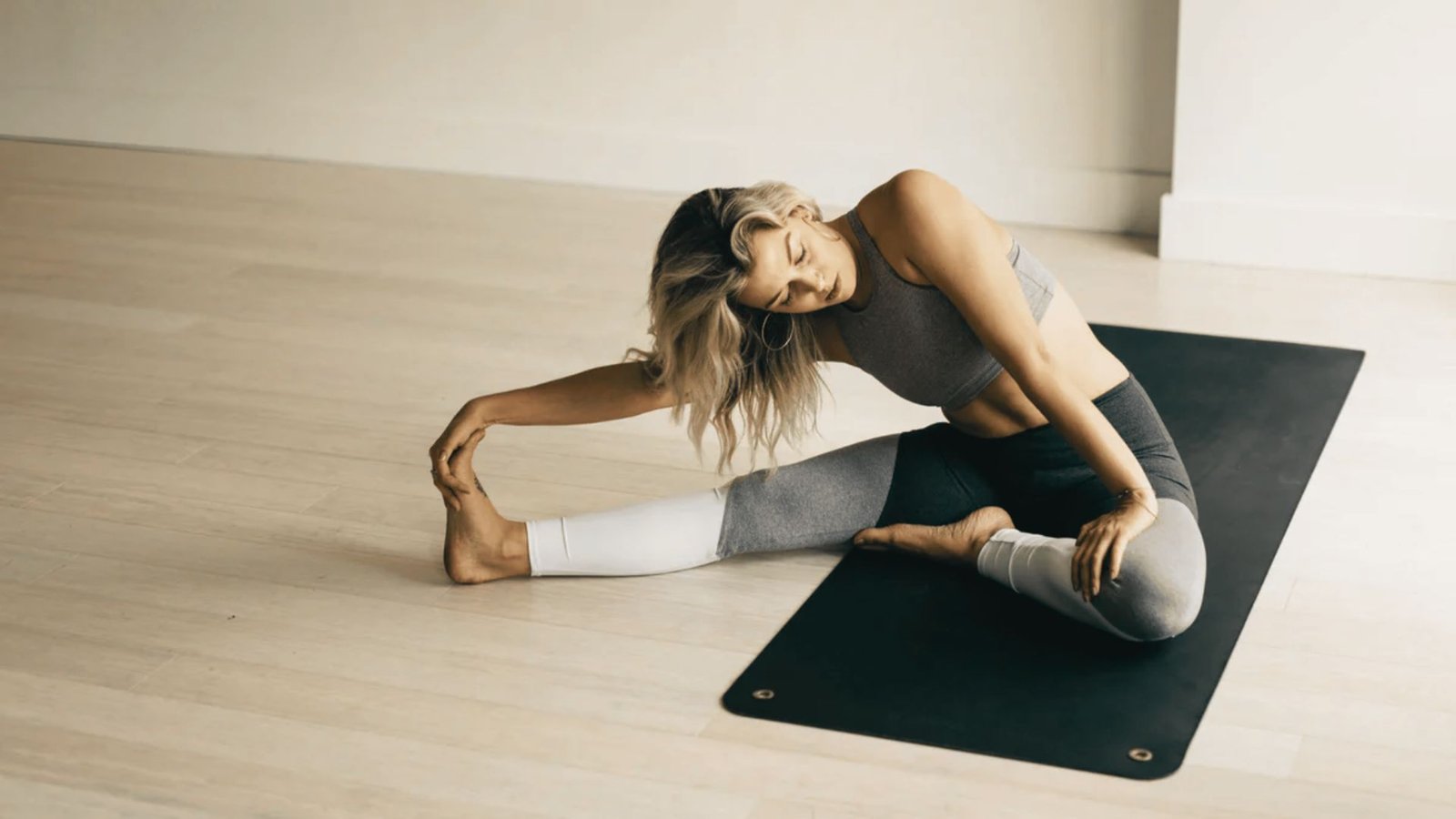
Somatic yoga is a slow, body-centered practice that focuses on how movement feels from the inside rather than how a pose looks.
It is not about achieving perfect alignment, it is about tuning in to your body. The word "somatic" comes from the Greek word "soma," meaning body, and this practice centers on internal body awareness.
You pay attention to sensation, tension, and breath as you move. It combines gentle yoga with somatic movement therapy, so you move slowly and with full attention.
Over time, this approach helps your nervous system reset and lets your body feel more at ease.
Want me to continue with the 9 benefits section next, keeping the same word limits and banned-word rules?
How Does Somatic Yoga Work?

Somatic yoga works by reconnecting your mind and body through slow, intentional movement.
The Connection Between Breath, Movement, and Mindfulness
Breath is paired with every movement, slowing the nervous system and grounding you in the present. Mindfulness is built into each pose, so you notice sensation instead of rushing through it.
How Somatic Yoga Supports Nervous System Regulation
Slow, repetitive movements send safety signals to your brain when stress keeps you on high alert. Over time, this trains your body to relax more easily, often within a single session.
The Role of Embodiment in Healing and Relaxation
Embodiment means staying present in your body instead of living mostly in your head. Somatic yoga brings you back into your body, where stress and tension can soften naturally.
9 Benefits of Somatic Yoga for Mind and Body
These nine benefits show why somatic yoga offers more than a workout.
1. Improves Body Awareness and Self-Connection

You start noticing tension before it becomes pain and emotions before they feel overwhelming. This awareness builds real self-connection over time.
2. Reduces Stress and Promotes Calmness
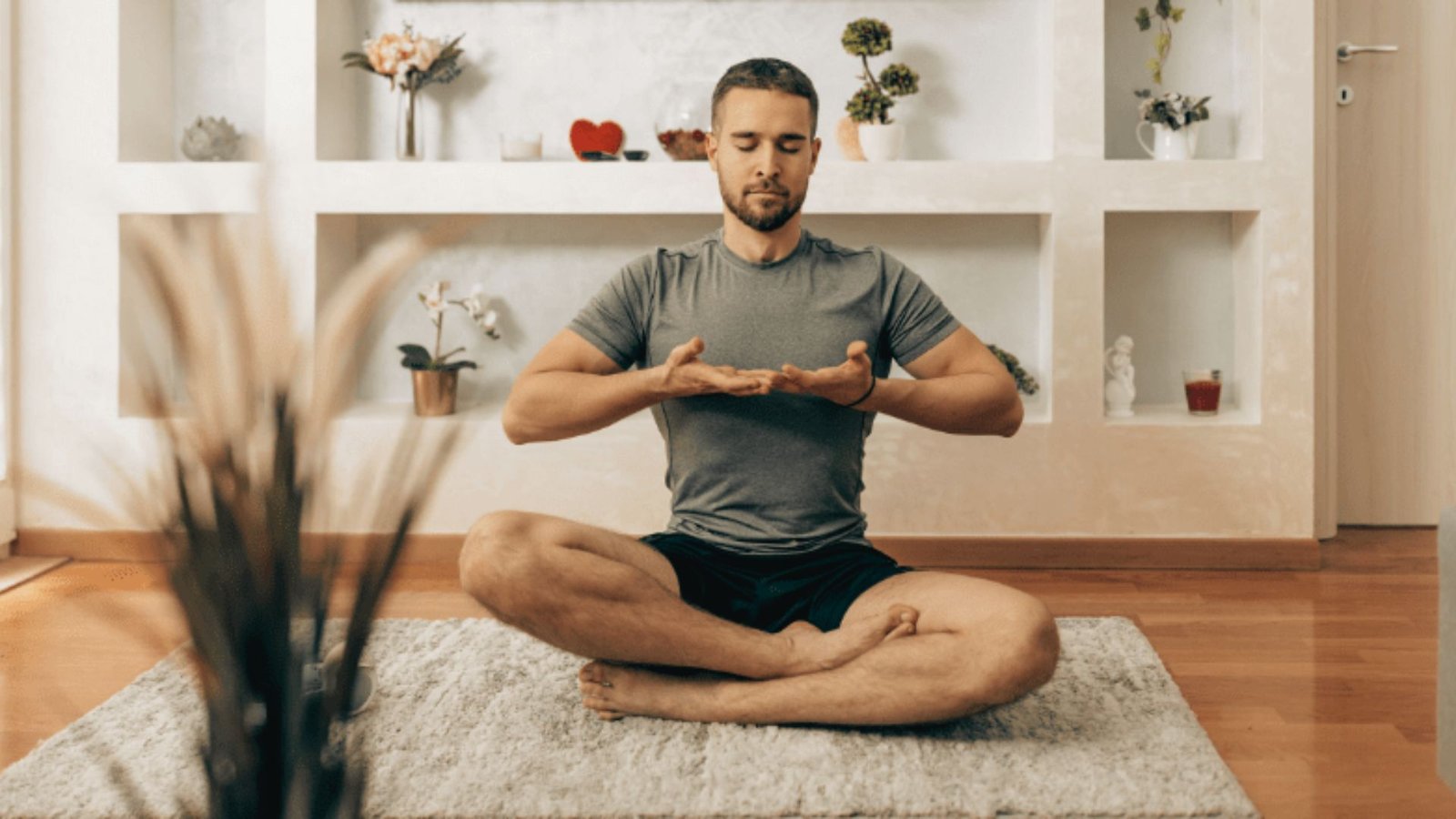
Slow movement and breath activate the parasympathetic nervous system, releasing stored stress from the body. Many practitioners feel calm that lasts for hours after practice.
3. Helps Manage Anxiety More Effectively
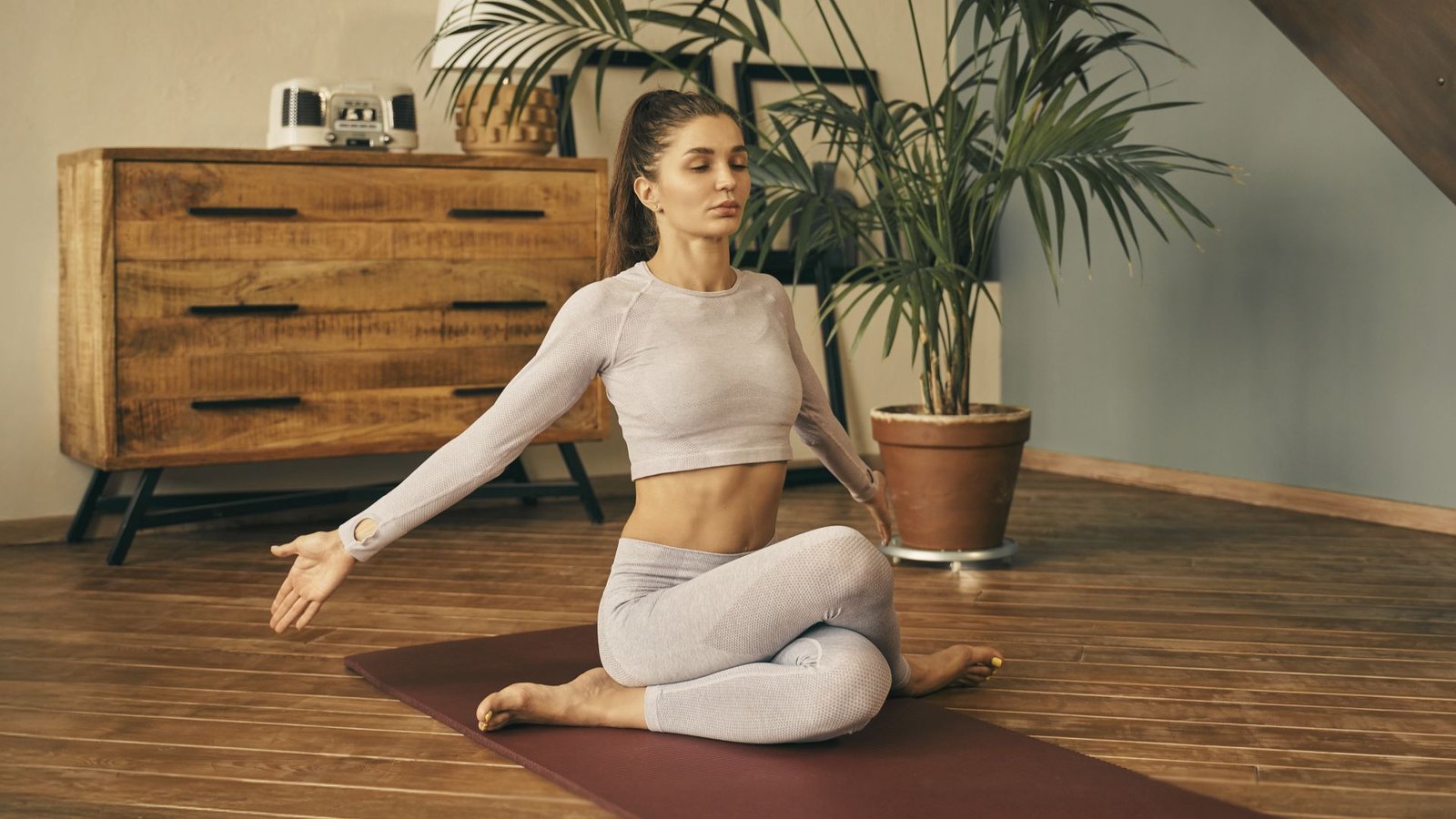
Anxiety often shows up as chest tightness, a racing heart, or shallow breathing. Deep breathing and slow movement teach your body it is safe, making anxiety easier to manage.
4. Supports Emotional Healing and Trauma Recovery
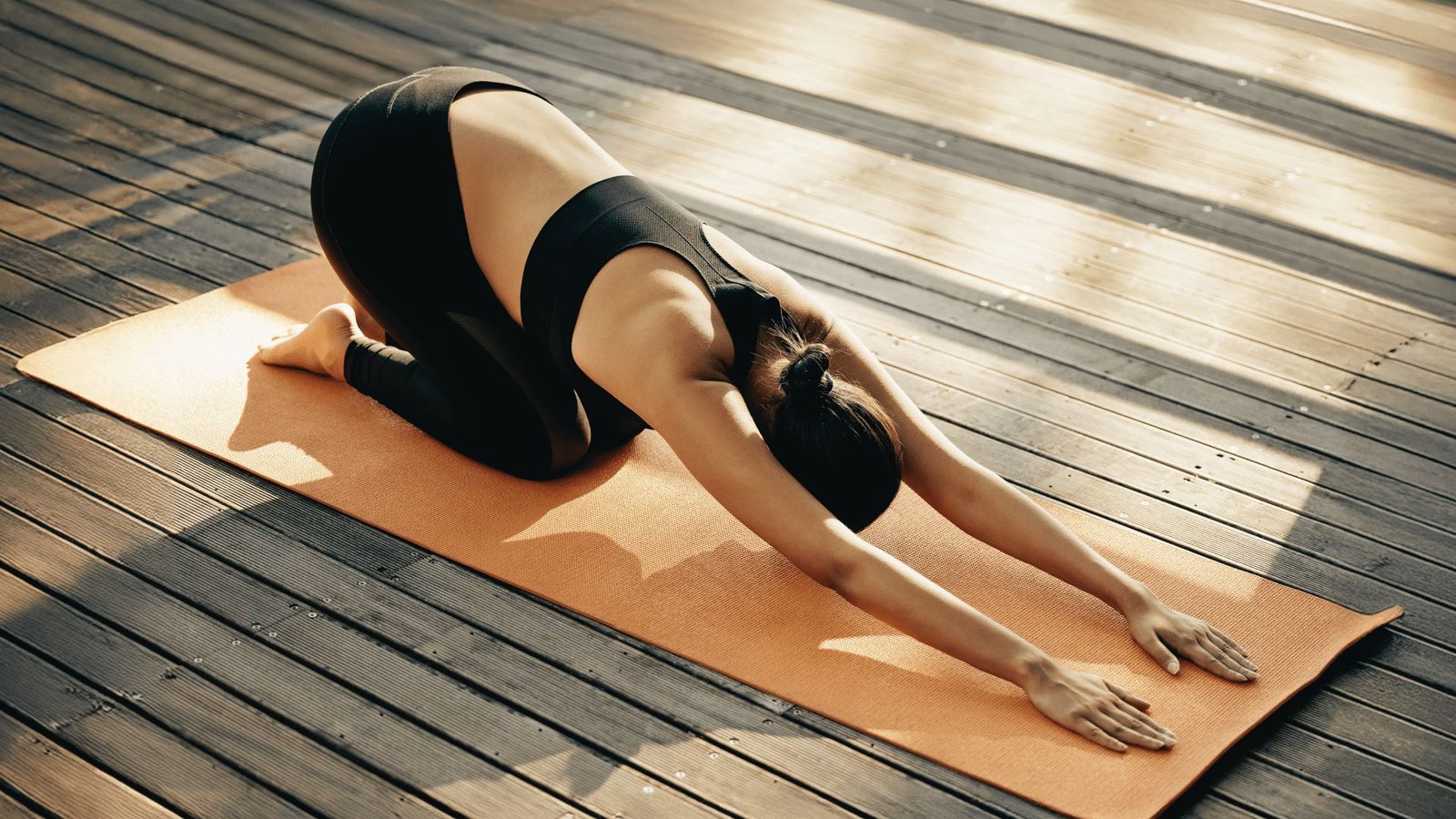
Research shows trauma is stored in the body, and somatic yoga offers a gentle way to release it. It works through movement and breath rather than asking you to relive painful memories.
5. Releases Chronic Muscle Tension

Tight shoulders, jaw, and lower back often hold habitual stress. Slow, mindful movement softens these muscles, bringing relief many people have not felt in years.
6. Improves Flexibility and Natural Mobility

Instead of stretching for performance, somatic yoga builds flexibility through awareness within a comfortable range. Because the movement is gentle, flexibility gains feel natural rather than forced.
7. Strengthens the Mind-Body Connection
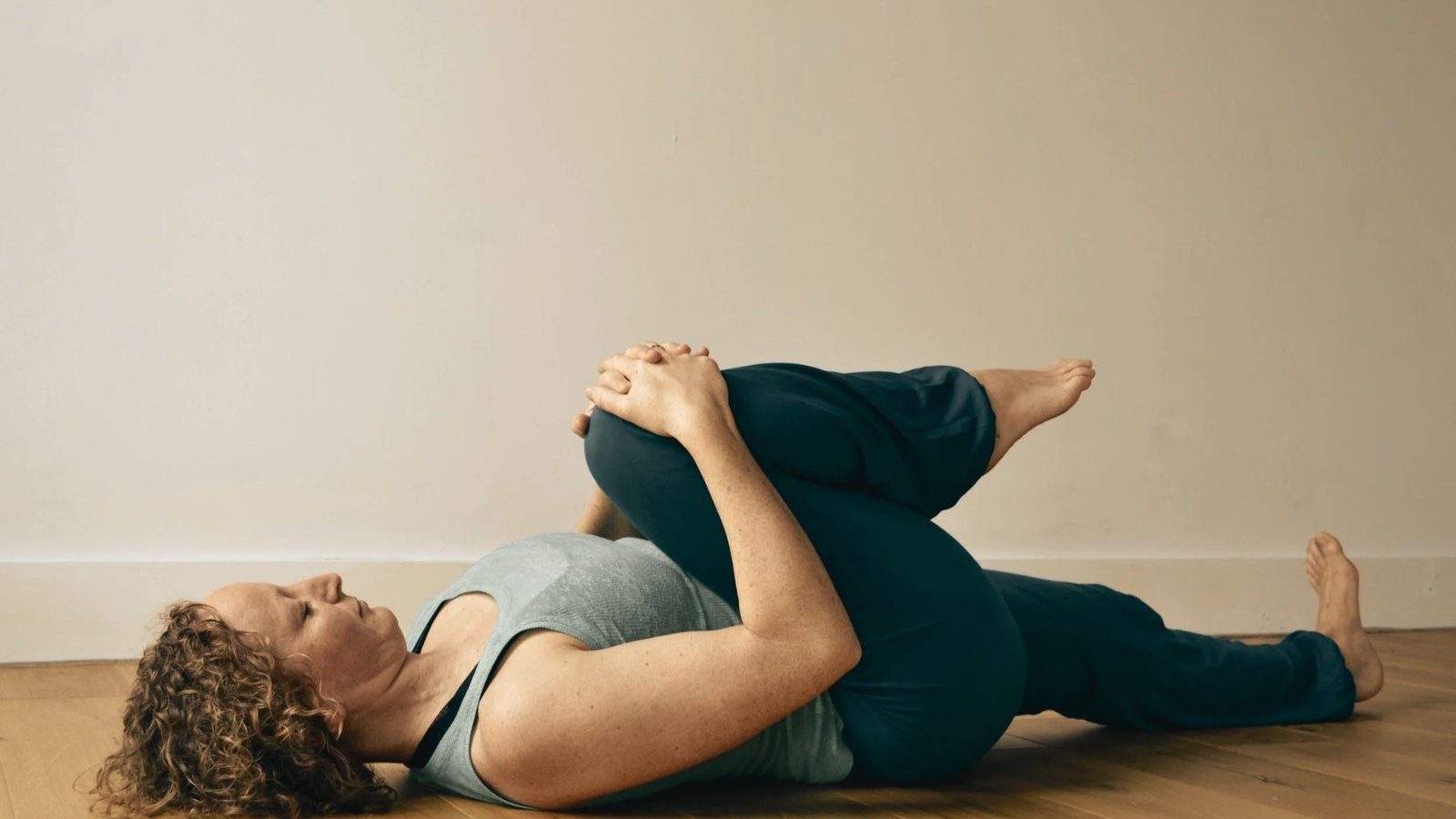
Regular practice helps you notice patterns, like tensing before a meeting or holding your breath under stress. This awareness gives you more control over how you feel physically and emotionally.
8. Improves Sleep Quality and Relaxation

A calmer nervous system supports better sleep, especially when practiced in the evening. Slow, grounding movements signal to your brain that it is safe to wind down.
9. Encourages Self-Compassion and Personal Growth
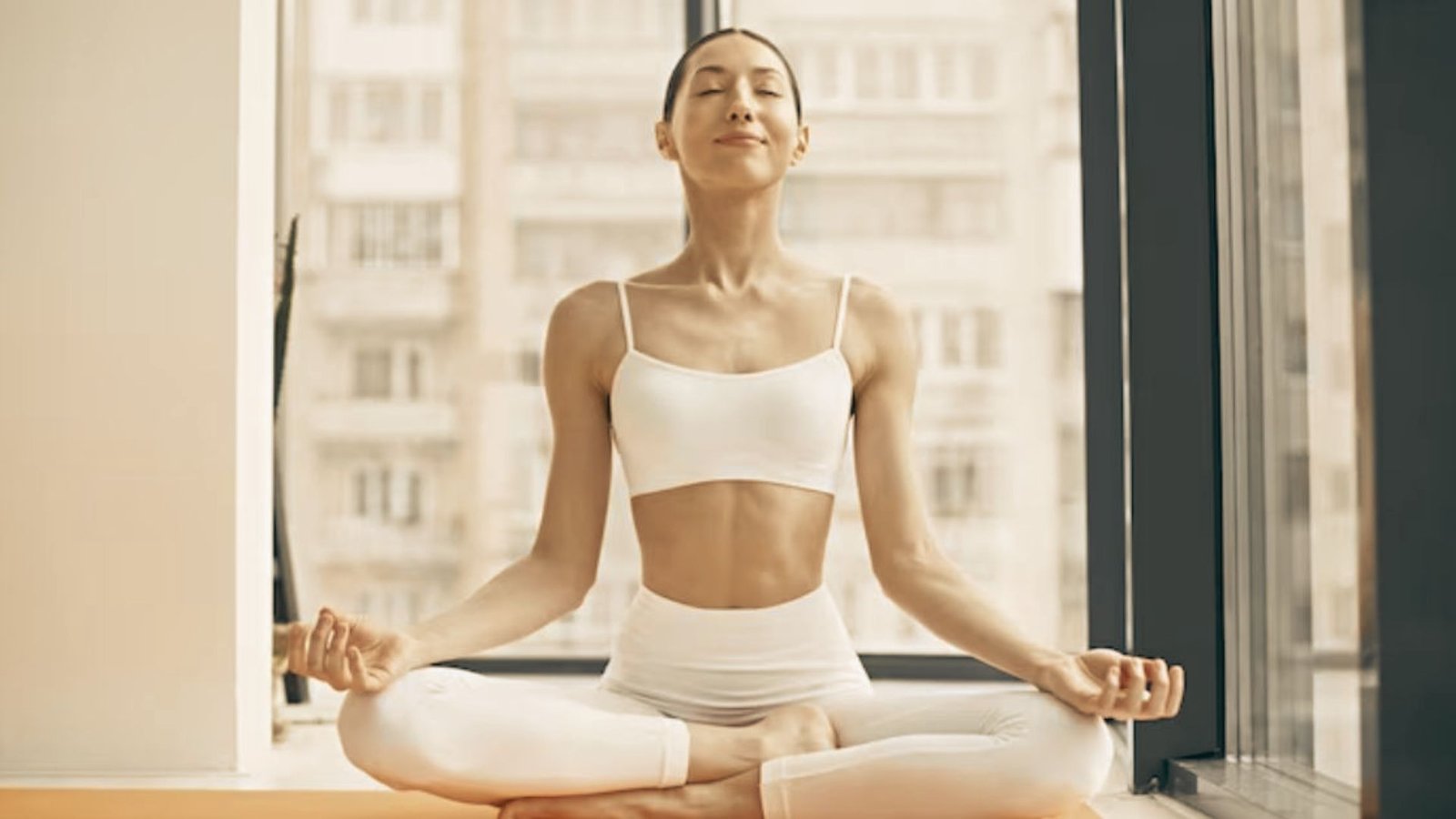
Somatic yoga meets you where you are, without competition or pushing through pain. This non-judgmental awareness builds self-compassion, and personal growth follows from that kindness.
What Are Somatic Yoga Benefits for Physical and Mental Health?
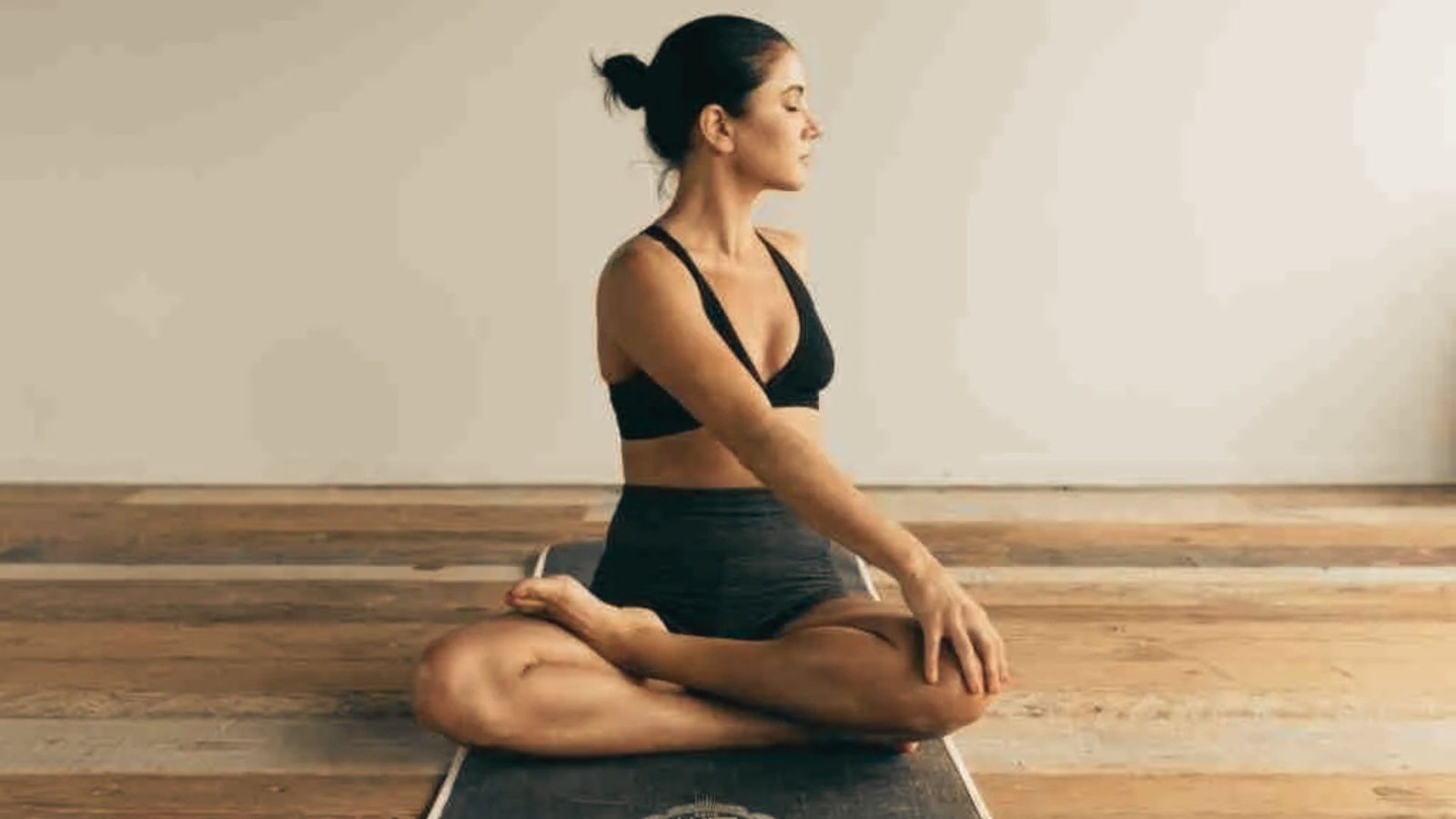
Somatic yoga supports both body and mind in ways that go deeper than most practices.
Benefits for Stress Relief and Relaxation
Breath and slow movement lower cortisol, the hormone responsible for stress, giving your nervous system a real break.
With regular practice, your baseline stress level drops in daily life, not just on the mat.
Benefits for Emotional Well-Being
Emotions that get pushed down live in the body as tension, fatigue, or pain instead of disappearing.
Somatic yoga creates space to feel and release them safely, improving emotional regulation.
Benefits for Mobility and Pain Management
Chronic pain is often linked to tension and restricted movement, which somatic yoga addresses directly.
Improving body awareness and releasing tension reduces pain and improves joint mobility and posture.
How to Start Practicing Somatic Yoga
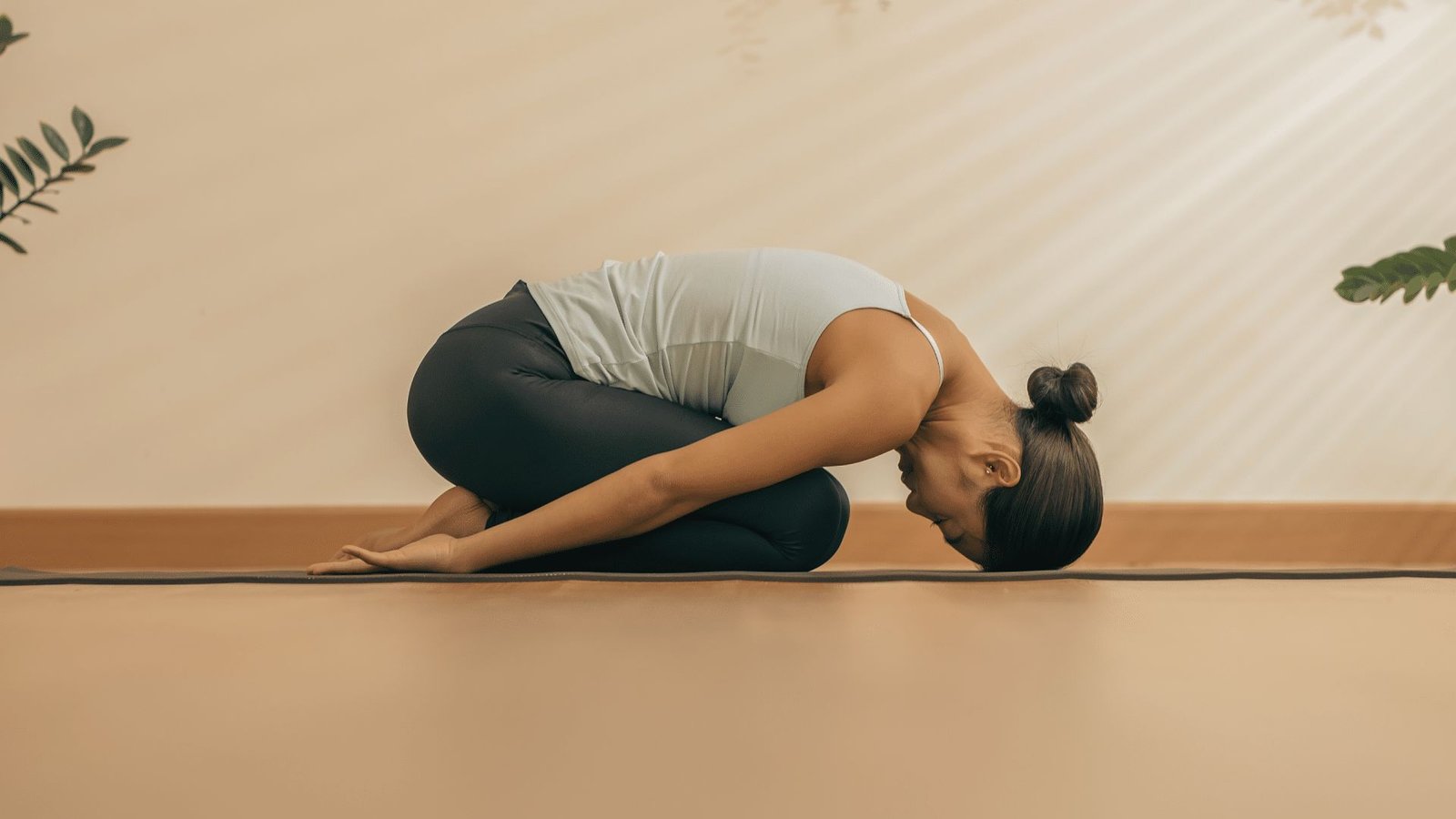
Starting somatic yoga is simple and requires no special equipment or experience.
Create a Comfortable Practice Space
Find a quiet, warm space free of distractions, using a yoga mat or soft surface. Your space should feel safe and inviting so your body can fully relax.
Focus on How Your Body Feels
Resist focusing on how you look and instead ask where you are holding tension. Let your body guide you rather than following strict instructions.
Move Slowly and Breathe Mindfully
The slower you move, the more you feel, so pair each movement with a full, conscious breath. Inhale to prepare and exhale to release, letting your breath set the pace.
Build a Consistent Routine
Even 15 minutes a day makes a real difference, and consistency matters more than duration. Morning sessions set a calm tone, while evening sessions help you wind down and sleep better.
Who Can Benefit From Somatic Yoga?
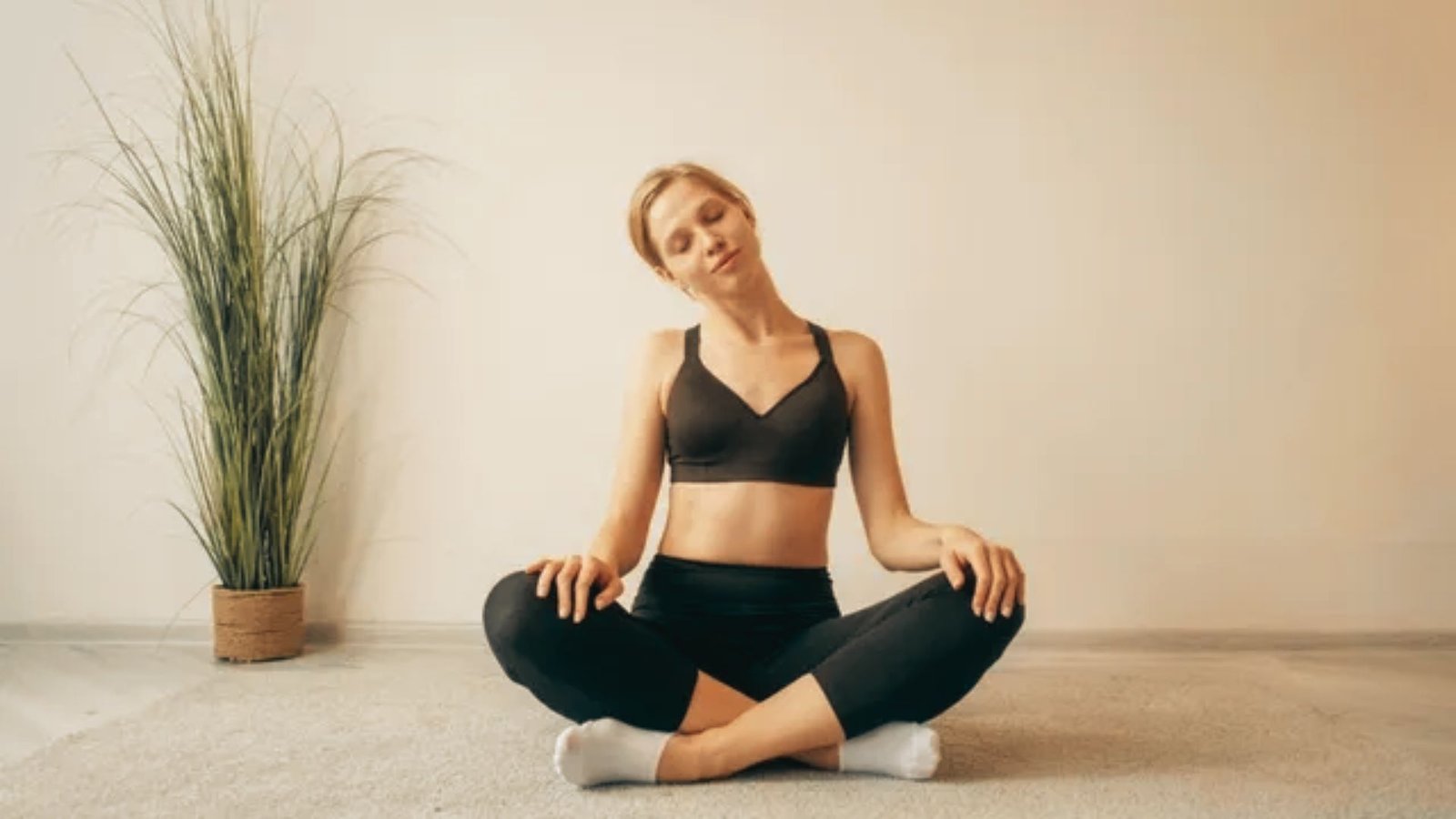
Somatic yoga is for anyone who wants to feel more at home in their body.
People Experiencing Stress or Anxiety
Somatic yoga retrains your nervous system to stay calmer by default, not just helping you cope in the moment. Over time, everyday situations may feel less overwhelming.
Individuals Living With Chronic Pain
Chronic pain often connects to how the nervous system responds to stress, and somatic yoga addresses this at the root. It is gentle enough that even those with physical limitations can take part.
Those Recovering From Emotional Overwhelm
Somatic yoga gives you a way back to yourself by creating safety and space inside your body. This support proves valuable during times of emotional recovery.
Yoga Practitioners Seeking a Deeper Mind-Body Connection
For those who already practice yoga, somatic yoga shifts the focus from posture to inner sensation and presence. Many experienced yogis say it changed how they understand their practice.
Tips to Get the Most Out of Somatic Yoga
Small changes in how you practice can lead to much bigger results over time.
- Come to your mat without expectations. Let each session be what it needs to be.
- Move at half the speed you think you need to. Slower movement brings deeper awareness.
- Breathe into areas of tension rather than trying to force them open.
- Keep a journal after practice. Write down what you noticed in your body.
- Do not skip rest poses. Stillness is part of the practice, not a break from it.
Conclusion
Somatic yoga has been one of the most grounding practices I have come across.
When I first tried it, I was surprised by how much tension I had been carrying without realizing it. Slowing down and breathing through gentle movements made a real difference.
If you are feeling stressed, disconnected, or stuck in your body, this practice is worth trying. Start small, stay consistent, and be kind to yourself.
Try one somatic yoga session this week and notice how your body responds, then share your experience in the comments below.
Frequently Asked Questions
What is somatic yoga?
A slow, mindful movement practice that builds body awareness and releases tension through gentle yoga and somatic therapy.
What is somatic yoga benefits for stress and anxiety?
It calms the nervous system through slow movement and breath, lowering stress hormones over time.
Is somatic yoga suitable for beginners?
Yes, it requires no prior experience and can be practiced at your own pace.
Can somatic yoga help with trauma recovery?
Yes, it helps release stored tension safely through breath and movement, without revisiting painful memories.
How often should you practice somatic yoga?
Three to five sessions a week, even just 15 to 20 minutes, brings the best results.