
Digestive issues are frustrating. Bloating, slow digestion, and gut discomfort can affect your whole day. I've been there, and I know how exhausting it feels when nothing seems to help.
This article covers 7 vagus nerve exercises for digestion that can genuinely support your gut health.
You'll learn what the vagus nerve does, why it matters, and how simple daily habits make a real difference.
I've researched and applied these methods personally, and with consistent effort, they work.
We'll cover how the vagus nerve affects digestion, seven practical exercises you can start today, and tips to get the best results.
What is the Vagus Nerve?
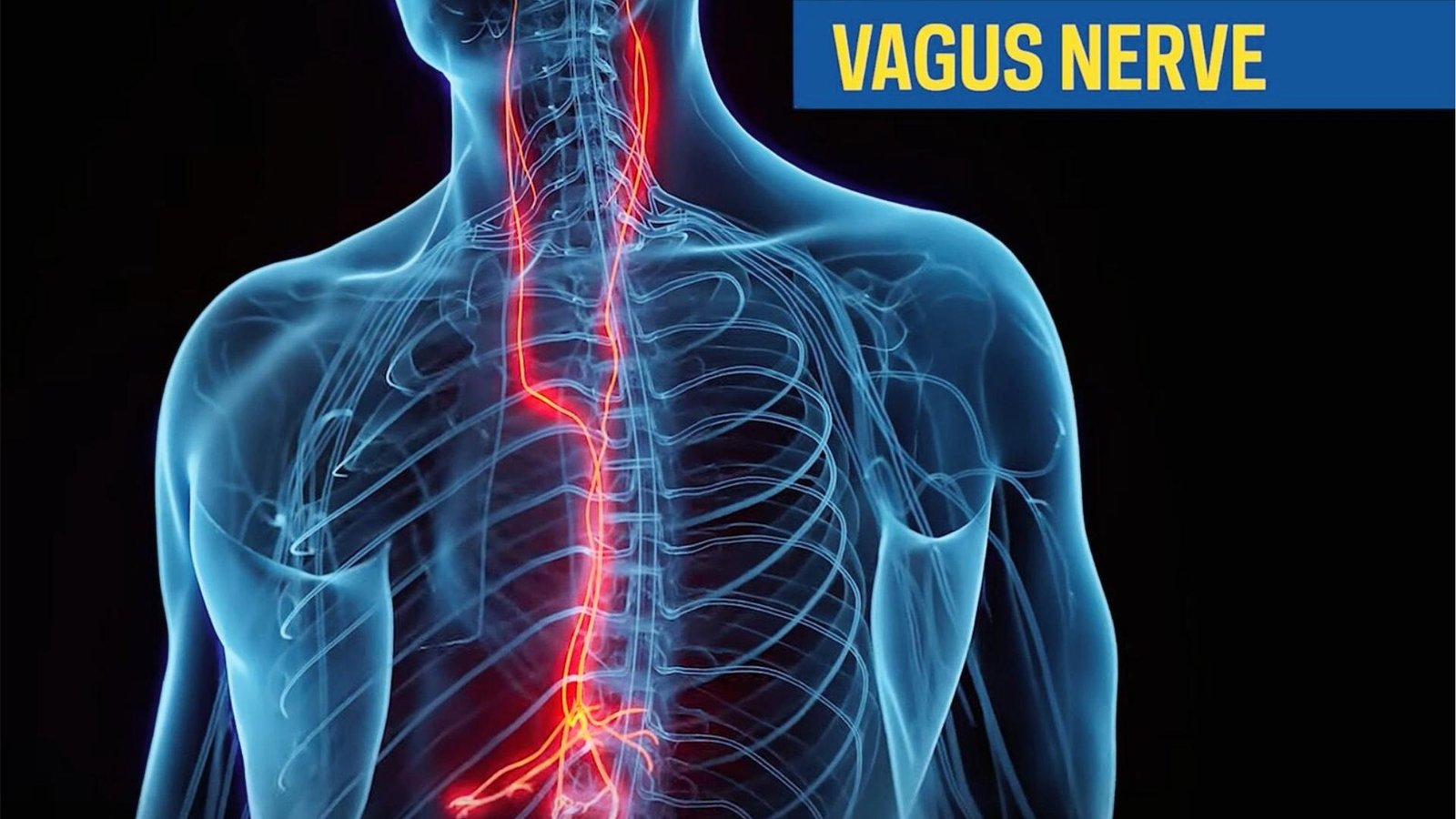
The vagus nerve is one of the longest nerves in your body, running from your brain all the way down to your gut. It controls automatic body functions like heart rate, breathing, and digestion.
Your brain and gut are always communicating, and the vagus nerve carries most of those messages. When your body feels calm, it signals the gut to work properly.
When you're stressed, those signals get disrupted. A healthy vagus nerve means better digestion, less bloating, and fewer gut issues.
A weak or underactive vagus nerve slows everything down, which is exactly why stress so often leads to stomach problems.
How the Vagus Nerve Affects Digestion

Your vagus nerve plays a direct role in how well your gut functions every single day.
Role in the "Rest and Digest" Response
Your body has two main modes: fight-or-flight and rest-and-digest. The vagus nerve activates the rest-and-digest mode.
This is when your stomach produces digestive enzymes, your intestines move food along, and your body absorbs nutrients properly.
Without this response, digestion slows down.
Impact on IBS, Bloating, and Gut Discomfort
Studies show that people with IBS often have lower vagal tone. That means their vagus nerve isn't as active.
This leads to irregular gut movement, more bloating, and increased sensitivity to pain. Improving vagal tone can reduce these symptoms significantly.
Link Between Stress, Anxiety, and Poor Digestion
Stress puts your body in fight-or-flight mode. In this state, digestion is not a priority. Blood moves away from your gut.
Stomach acid and enzymes decrease. Over time, this leads to chronic digestive problems. Managing stress directly supports gut health.
7 Vagus Nerve Exercises for Digestion to Improve Gut Health
These seven simple practices can strengthen your vagal tone and support better digestion starting today.
1. Diaphragmatic (Deep Belly) Breathing
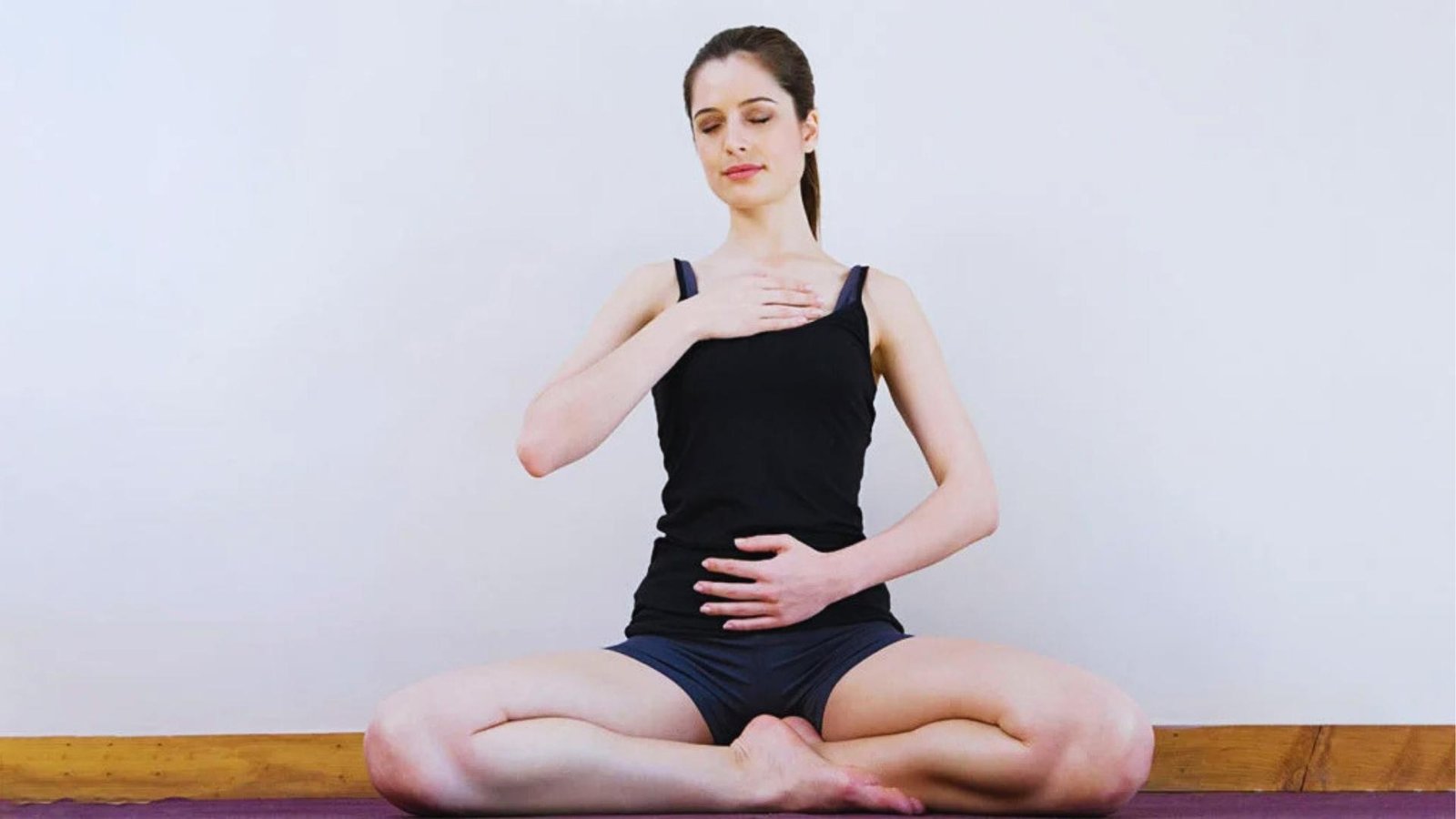
How to practice: Place one hand on your belly. Breathe in slowly through your nose for 4 counts. Let your belly rise, not your chest. Breathe out for 6 counts. Repeat for 5 minutes.
Best time to do it: Before meals or during stressful moments. This activates the parasympathetic nervous system and prepares your gut for digestion.
2. Cold Water Stimulation

Face splashing or cold shower technique: Splash cold water on your face for 30 seconds. Or end your shower with 30 to 60 seconds of cold water on your neck and face.
How it activates the parasympathetic response: Cold water triggers the dive reflex, which directly stimulates the vagus nerve. This slows the heart rate and activates the rest-and-digest response quickly.
3. Humming, Singing, and Gargling

Vocal cord stimulation method: Hum a simple tune for 2 to 5 minutes. Gargle with water for 30 seconds after meals. Sing in the shower or while cooking.
Easy daily habits for gut relaxation: The vagus nerve runs near your vocal cords. Vibration from humming or gargling stimulates it directly.
This sends calming signals to your gut and reduces tension.
4. Gentle Exercise (Tai Chi or Light Movement)

Slow movement for gut activation: Slow, mindful movement like Tai Chi or a gentle walk after meals promotes gut motility. Even 10 minutes makes a difference.
Why mild activity supports digestion: Intense exercise can stress the body. Gentle movement does the opposite.
It activates the vagus nerve and helps food move through your digestive tract more smoothly.
5. Mindful Eating Practice

Eating slowly and without distraction: Put your phone down during meals. Sit at a table. Eat slowly. Take your time with every bite.
Chewing and sensory awareness for better digestion: Chew each bite 20 to 30 times. Notice the taste, texture, and smell of your food.
This sends strong signals through the vagus nerve to prepare stomach acid and enzymes. Digestion starts in the mouth. Don't rush it.
6. Meditation and Breath Awareness

Short guided calm-down technique: Sit quietly for 5 to 10 minutes. Focus only on your breath. When your mind wanders, gently bring it back.
Apps like Insight Timer can help if you're just starting out.
Stress reduction for improved gut function: Meditation lowers cortisol levels. High cortisol is directly linked to gut inflammation and poor digestion.
Even short daily sessions build vagal tone over time.
7. Belly Laughing and Positive Emotion Stimulation

How laughter reduces stress hormones: Genuine laughter lowers cortisol and adrenaline. It also releases endorphins, which relax the gut muscles.
Watch something funny. Spend time with people who make you laugh.
Emotional impact on digestion and gut health: Positive emotions send calming signals through the vagus nerve. A happier mood means a calmer gut.
This is one of the most underrated tools for digestive health.
Benefits of Vagus Nerve Exercises for Digestion

Regular practice of these exercises brings real, measurable changes to your gut and overall health.
Improved Gut Motility and Nutrient Absorption
A stronger vagus nerve keeps food moving through your digestive tract at the right pace.
This means less constipation, less bloating, and better absorption of vitamins and minerals from your food.
Reduced Stress and Inflammation in the Gut
Chronic stress causes gut inflammation. Vagus nerve exercises lower stress hormones and reduce that inflammation.
Over time, this can ease symptoms of IBS, acid reflux, and other gut issues.
Better Gut-Brain Communication
These exercises strengthen the signal between your brain and gut. When that line of communication is clear, your body regulates hunger, digestion, and even mood more effectively.
Tips to Maximize Results
Small, smart habits make these exercises far more effective over time.
- You don't need all seven exercises daily. Pick two or three that feel natural and stick with them. Consistency builds vagal tone, not intensity.
- Pair deep breathing with mindful eating for stronger results. Small combinations like these make your routine far more effective.
- Add humming or gargling to your morning routine. It takes under five minutes and gives your vagus nerve a gentle daily workout.
- Sleep well, eat whole foods, and limit alcohol. These basic habits support vagal tone and help your exercises work better.
- Spend time in nature regularly. Even short walks outdoors lower stress hormones and naturally support vagus nerve health.
Conclusion
These seven exercises strengthen your vagus nerve, reduce gut inflammation, and improve digestion naturally.
Honestly, I started with just deep breathing before meals and the change surprised me. Your gut responds faster than you think when you give it the right signals.
Start small. Stay consistent. Your digestive health is worth the effort. Try one exercise today and see how your body responds.
Drop a comment below sharing which tip helped you most, and share this post with someone who might be dealing with gut issues right now.
Frequently Asked Questions
How long does it take for vagus nerve exercises to improve digestion?
Most people notice small changes within one to two weeks of daily practice. Significant improvement in gut symptoms usually takes four to six weeks of consistency.
Can I do these exercises if I have IBS?
Yes. These exercises are gentle and safe for most people with IBS. Deep breathing and mindful eating are especially helpful for reducing IBS-related bloating and discomfort.
How many times a day should I do vagus nerve exercises?
Once a day is enough to start. Even five to ten minutes of deep breathing or humming daily can build vagal tone over time.
Do I need any equipment for these exercises?
No equipment is needed. All seven exercises use your body, breath, and daily habits. They can be done anywhere at any time.
Can stress really cause digestive problems?
Yes. Stress activates the fight-or-flight response, which shuts down digestion. High cortisol levels reduce stomach acid and slow gut movement, leading to bloating, constipation, and discomfort.