My first attempt at a simple standing pose left my legs shaking within seconds. I felt unsteady, a little embarrassed, and ready to quit.
But I kept showing up, and slowly, things changed.
This guide breaks down hatha yoga poses step by step, so you do not have to guess where to start.
I will cover what these poses mean, how to do each one safely, and the real benefits you can expect with steady practice.
You will also learn small tips that helped me build trust in my own body. Patience matters more than perfection here.
By the end, you will know exactly how to begin your hatha yoga practice with confidence.
What Are Hatha Yoga Poses?
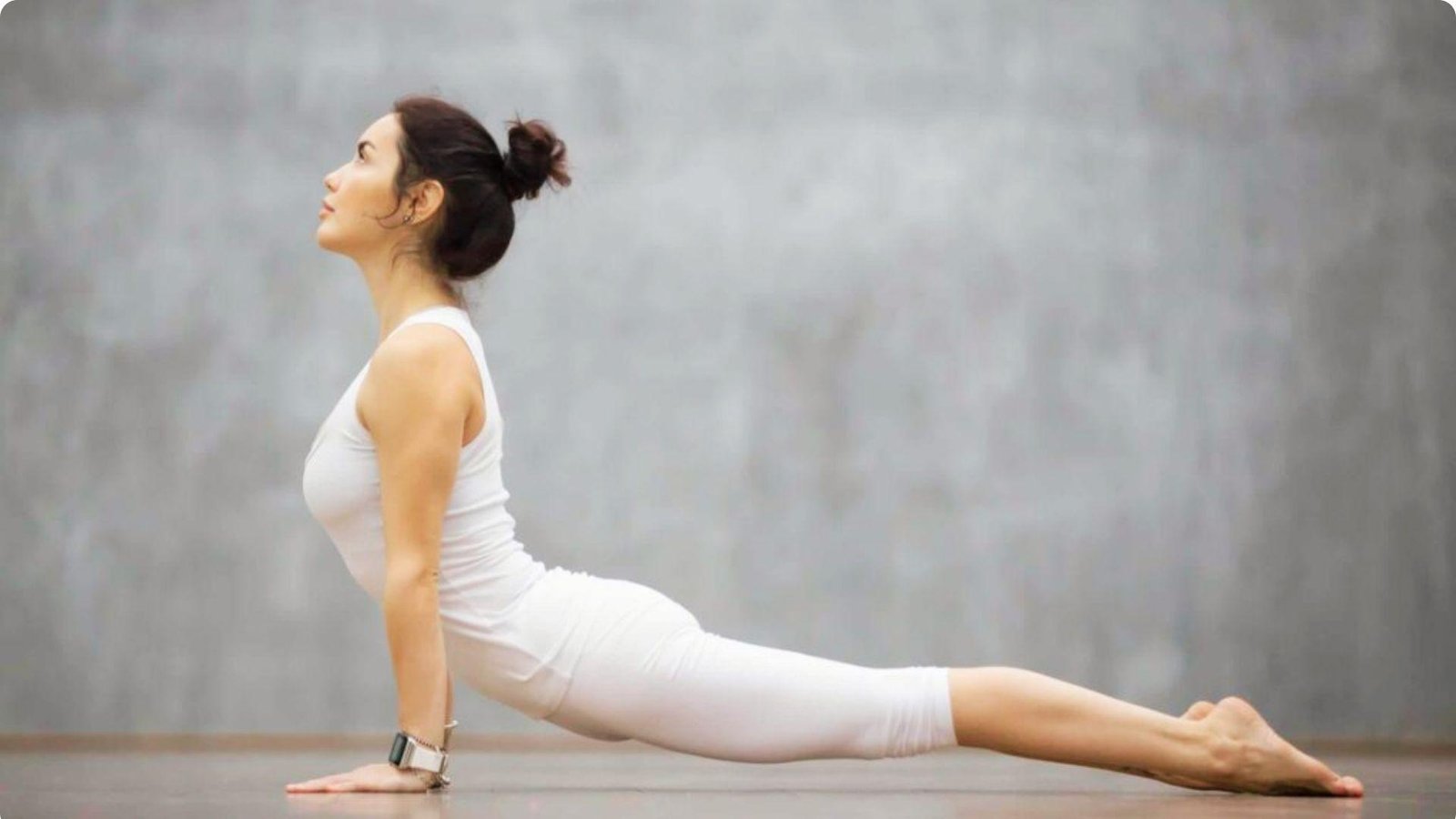
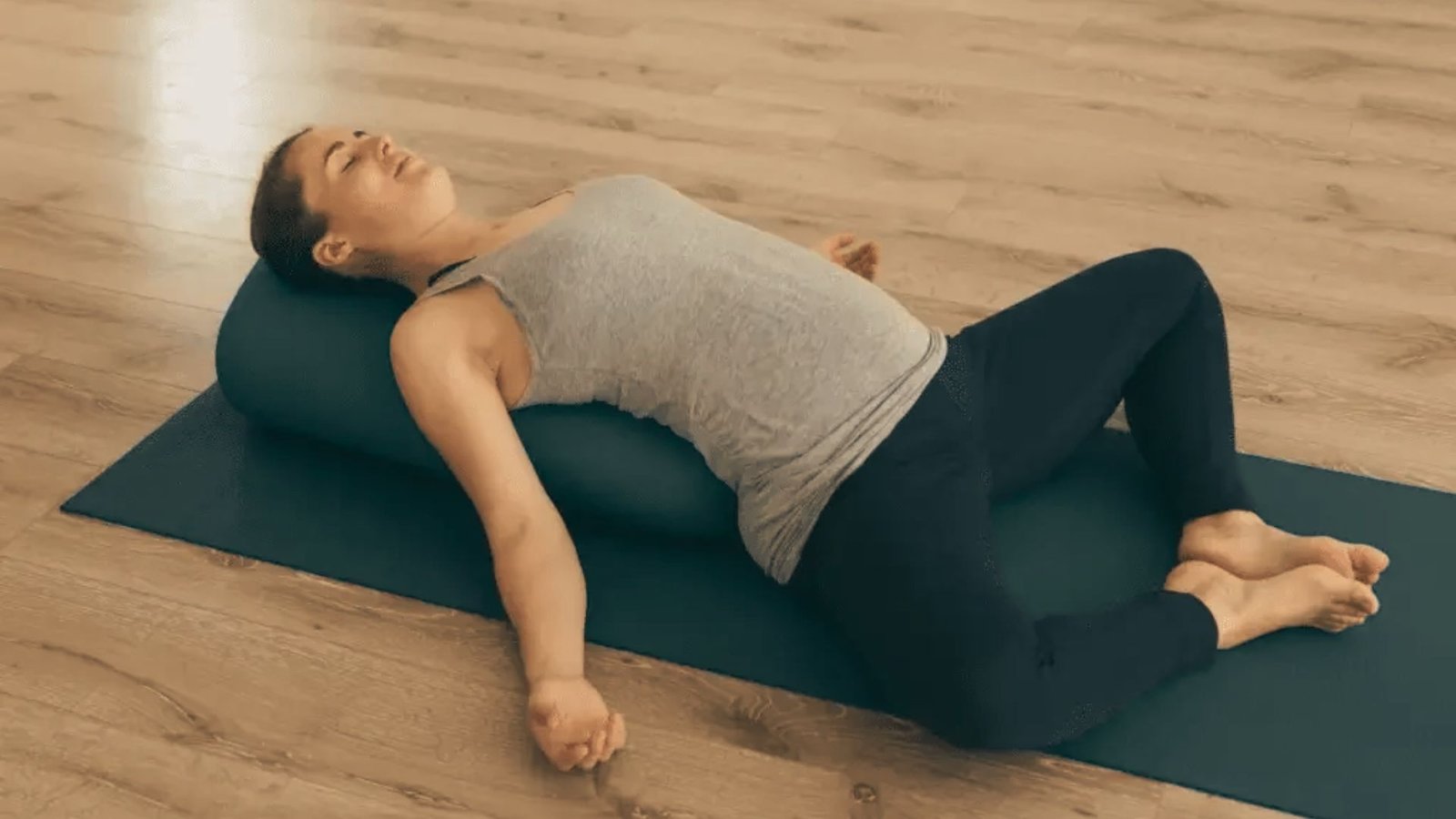
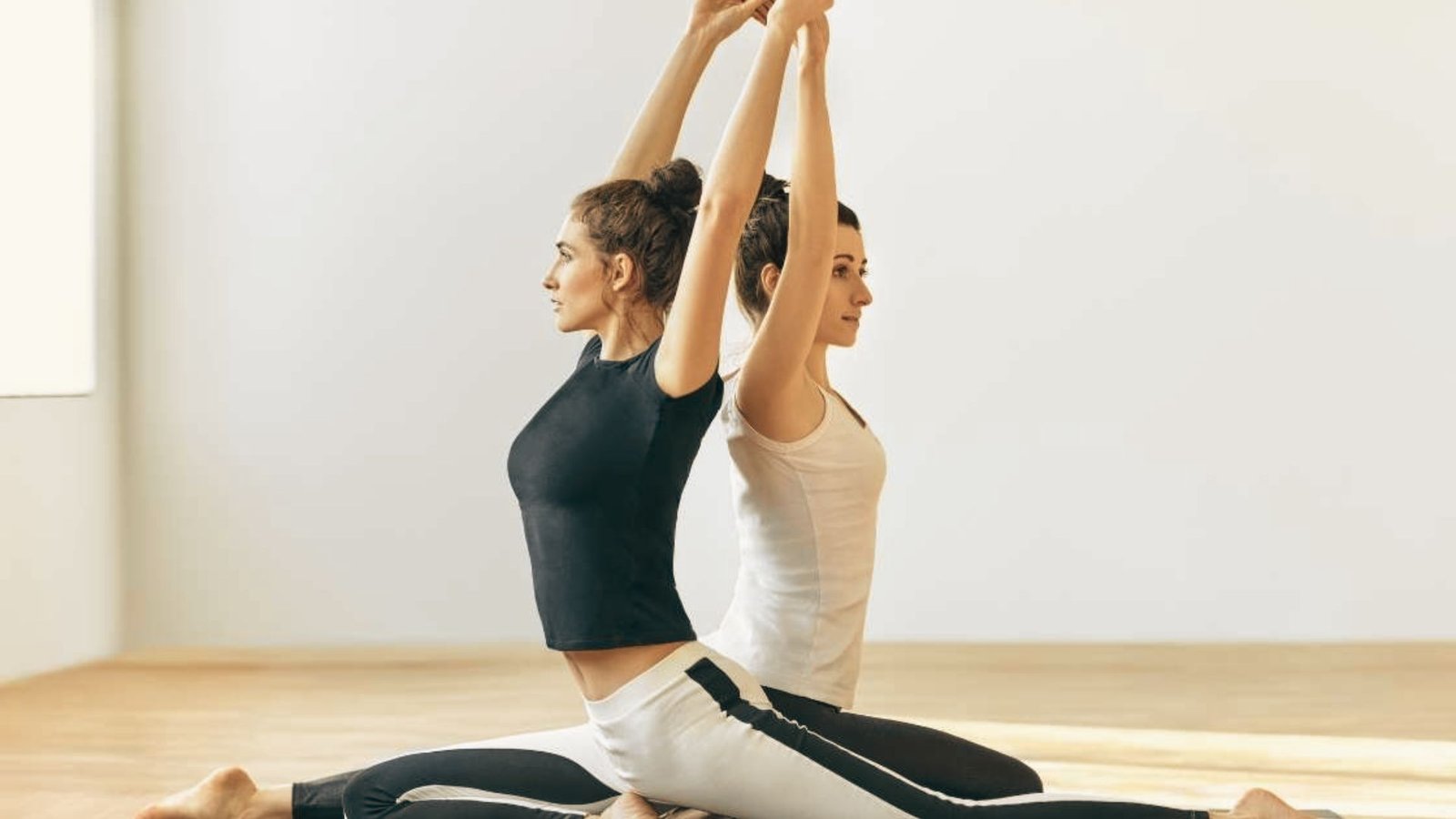
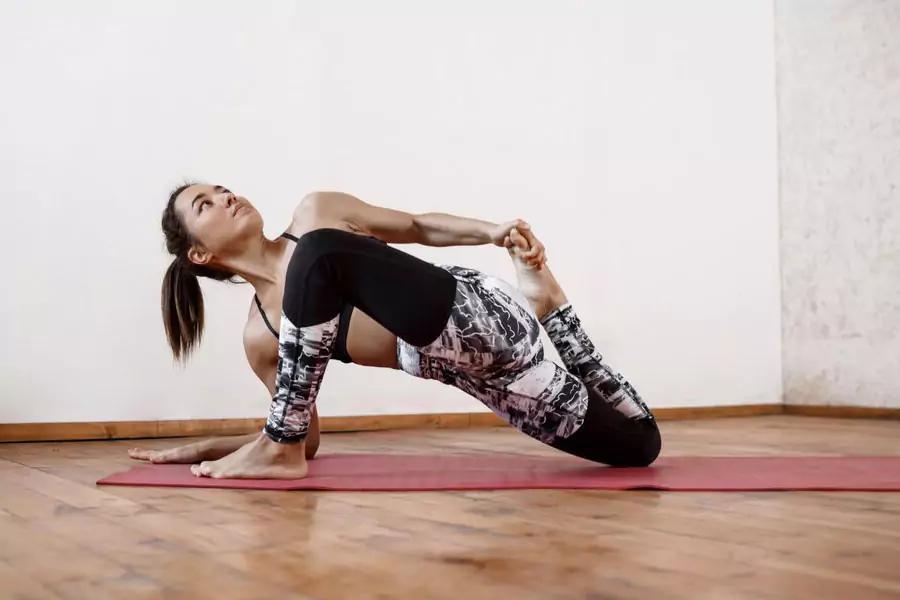
Hatha yoga poses are physical postures you hold while breathing slowly and staying present.
The word hatha means force or effort, and that effort comes from holding each pose with steady control.
Unlike fast-paced workouts, these poses ask you to slow down and pay attention to your body. You hold, you breathe, and you stay aware of how each muscle feels.
Hatha yoga poses form the foundation of most yoga styles practiced today. They work on your strength, flexibility, and balance at the same time.
You do not need any special skill to begin. You just need to show up and breathe.
List of Hatha Yoga Poses with Step-by-Step Instructions
Here are 13 simple hatha yoga poses you can practice today.
1. Mountain Pose (Tadasana)
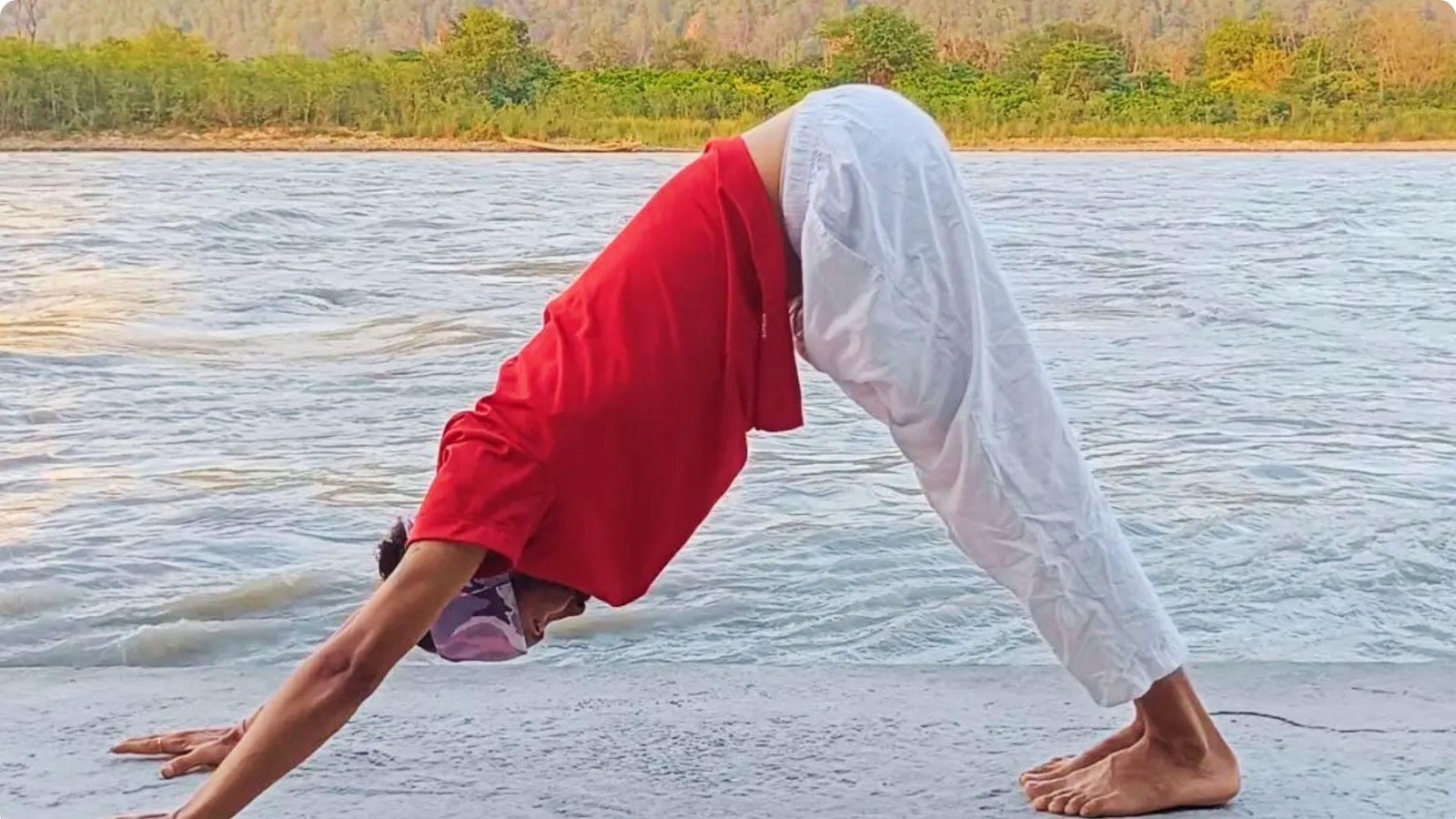
Mountain Pose looks simple, but it teaches you how to stand with full awareness. Plant your feet firmly on the ground and let your weight spread evenly.
Engage your legs and lift your chest without tensing your shoulders. Keep your spine straight and your gaze forward. Breathe slowly and stay steady.
This pose helps you build posture and body awareness, and it is often the starting point for many other hatha yoga poses.
2. Standing Forward Bend (Padahastasana)
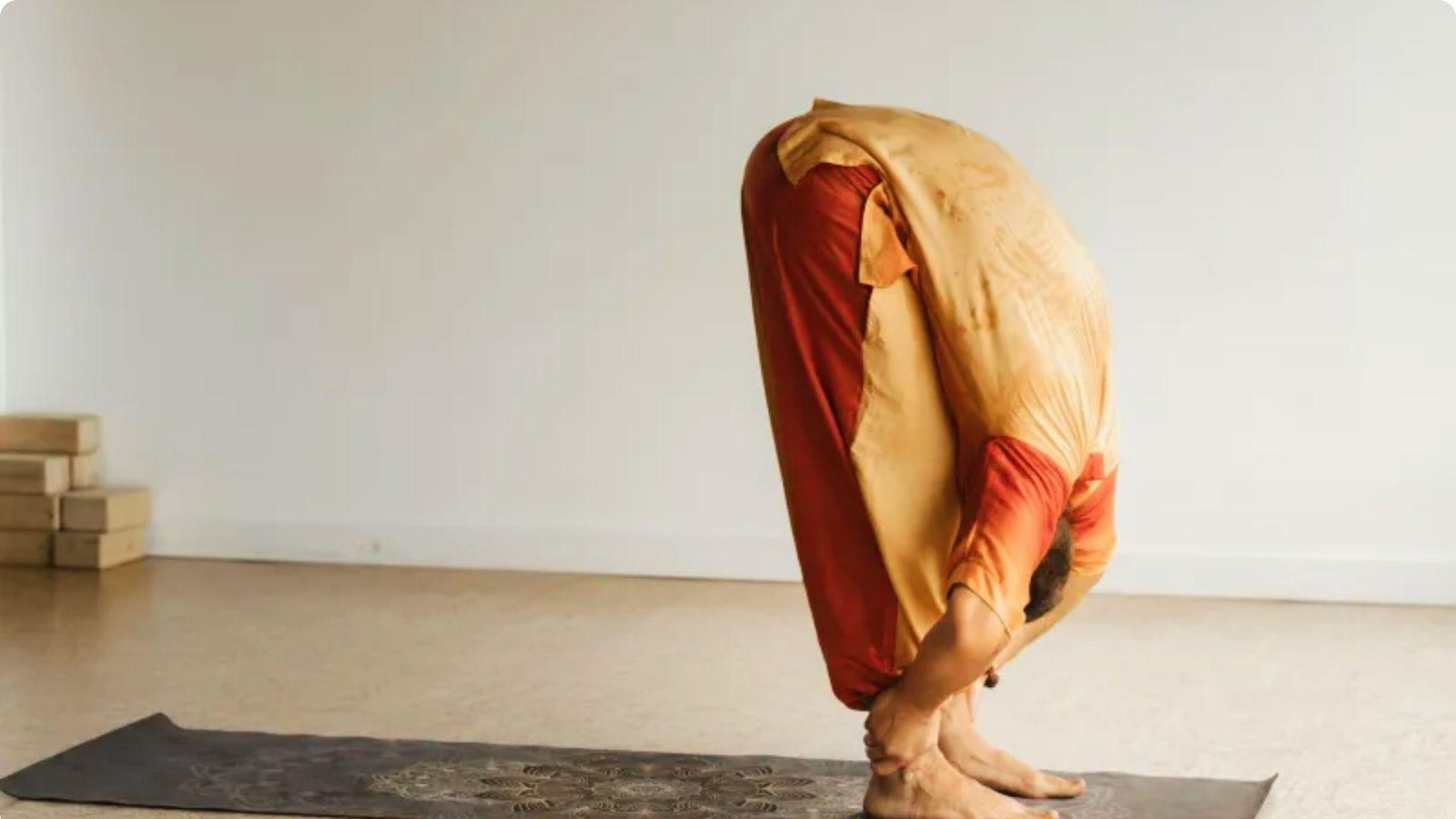
This pose stretches your back and legs in a gentle way. Stand straight, then exhale as you fold forward from your hips.
Let your hands reach toward the floor or your shins, whatever feels comfortable today. Keep your knees slightly bent if your hamstrings feel tight.
Do not force the stretch. Move slowly and let gravity do the work. Over time, you will notice more ease in this fold.
3. Downward Facing Dog (Adho Mukha Svanasana)
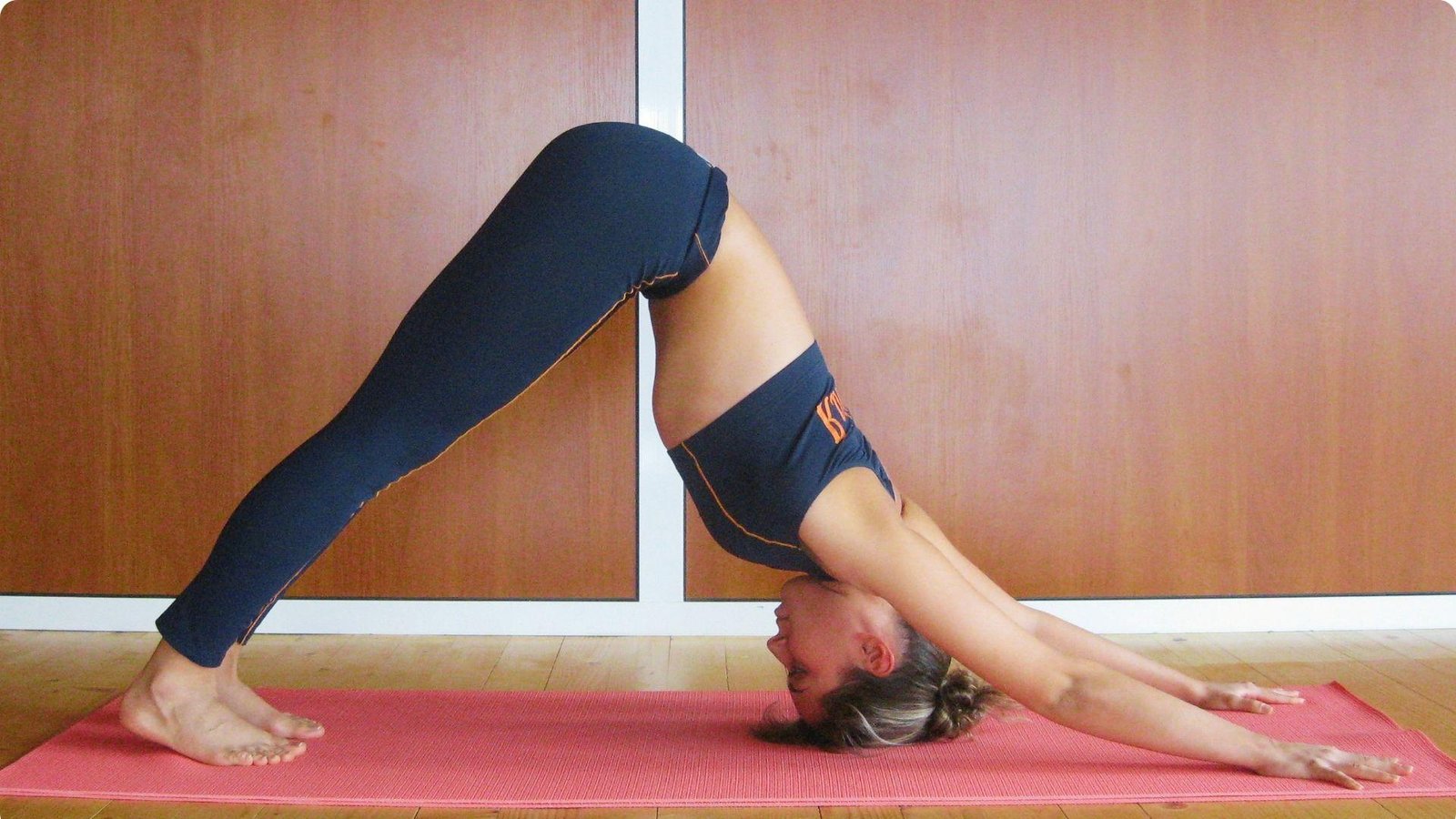
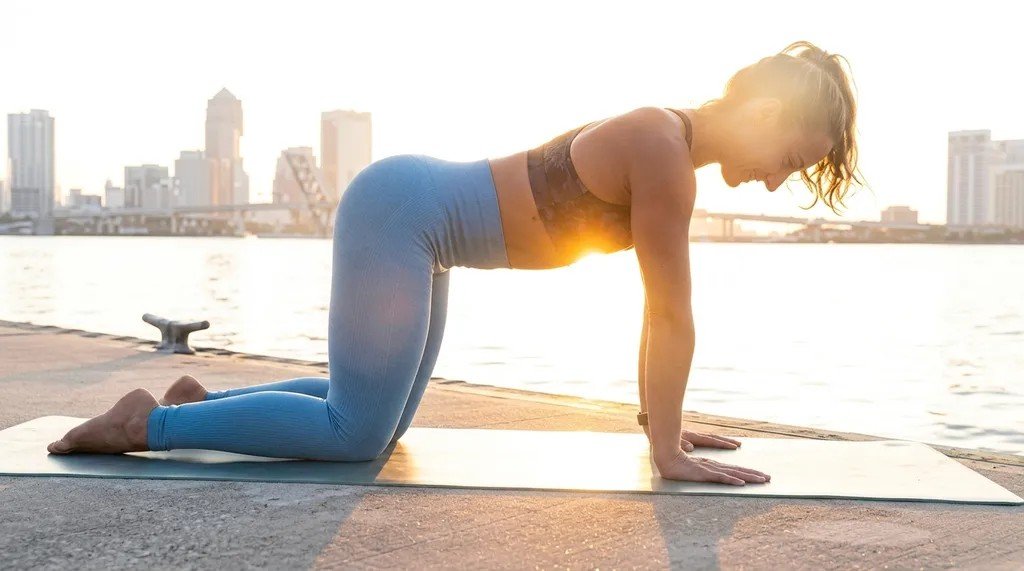
Start on your hands and knees, then lift your hips up to form an inverted V shape. Press your palms and heels firmly into the mat.
Keep your spine long and your core active. Your head can relax between your arms.
This pose stretches your hamstrings, shoulders, and back all at once. It also builds strength in your arms and legs with regular practice.
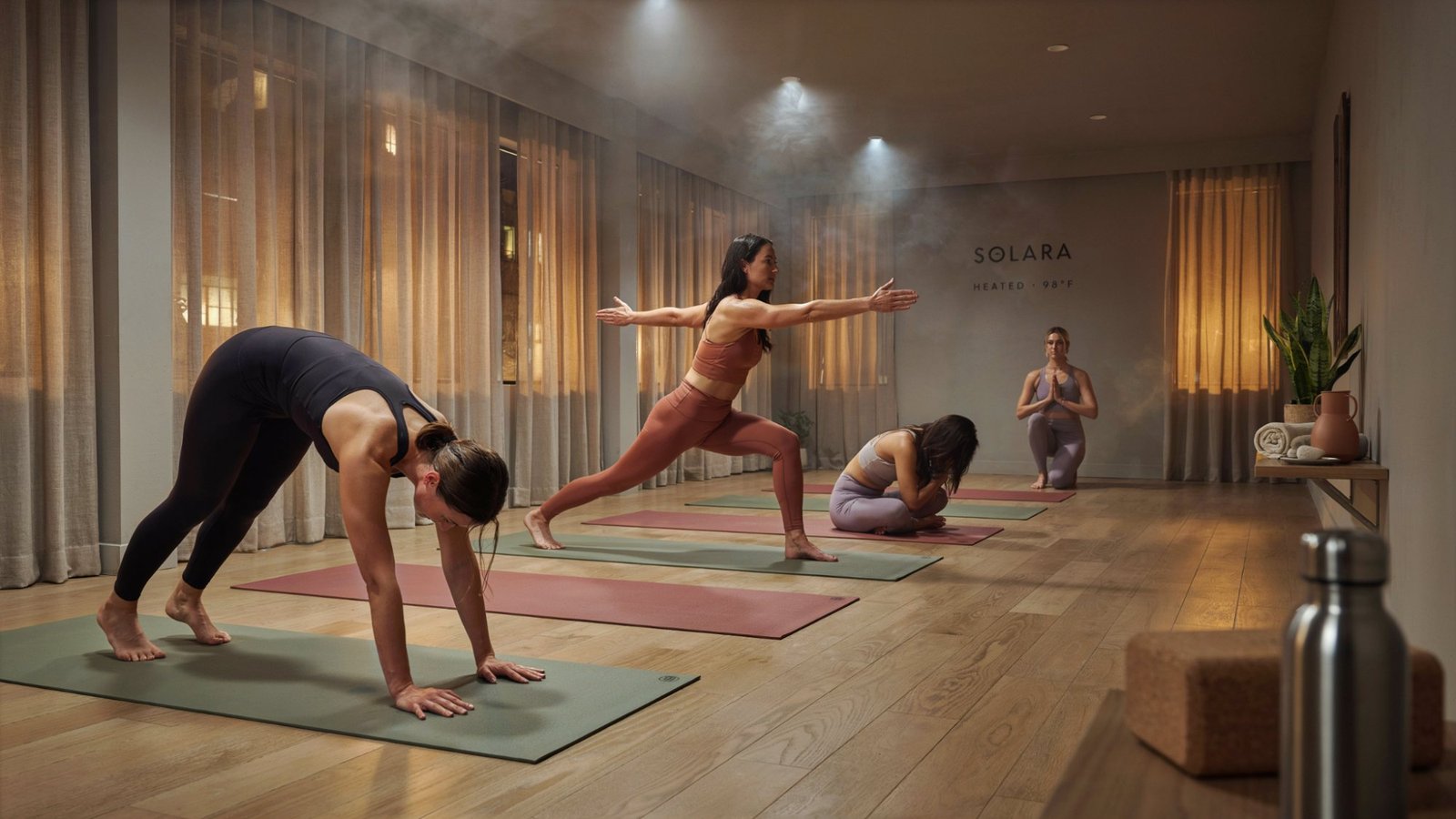
4. Warrior II (Virabhadrasana II)
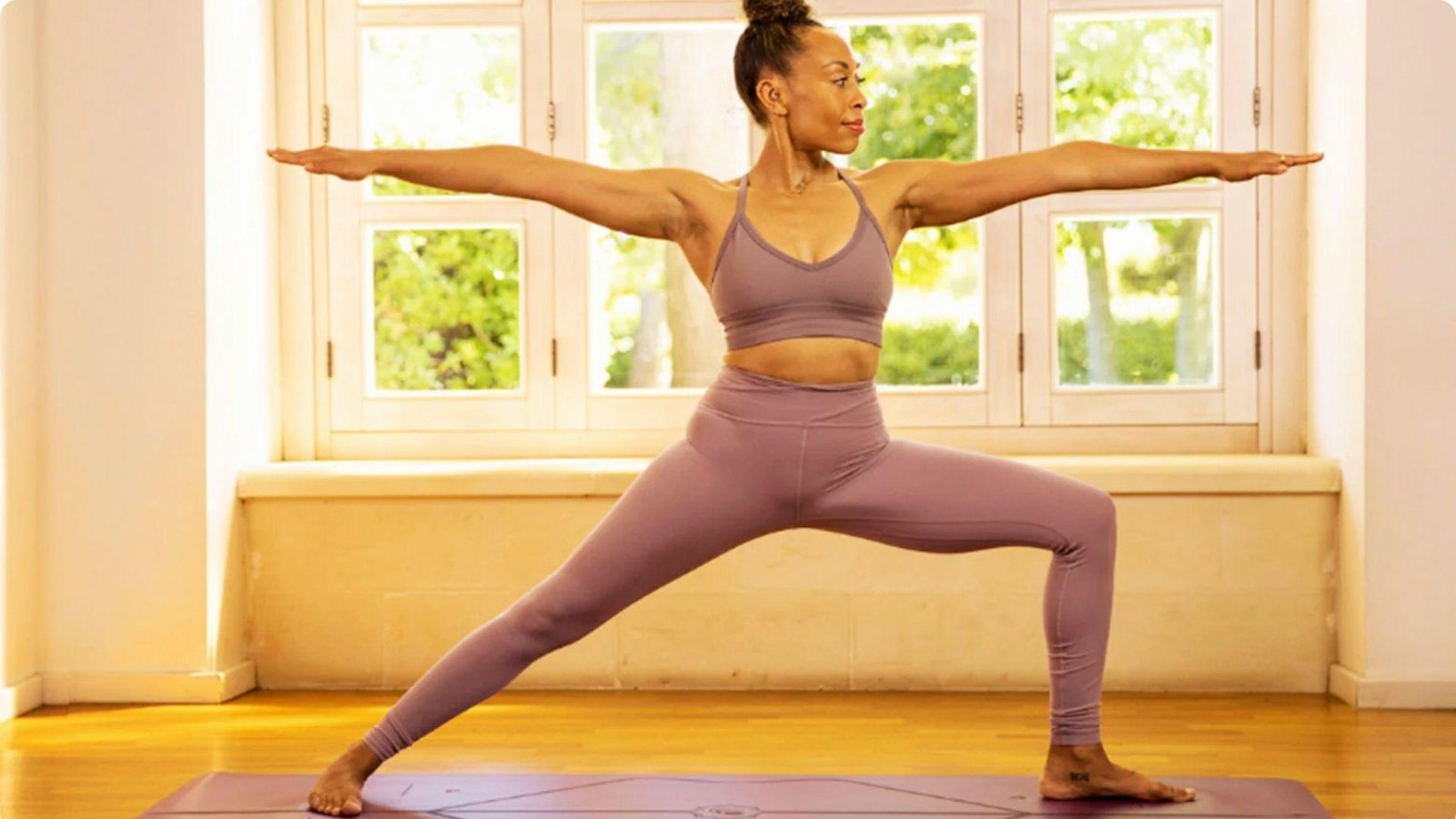
Step your feet wide apart and bend your front knee until it lines up over your ankle. Stretch your arms out parallel to the floor, palms facing down.
Keep your gaze steady over your front hand. This pose builds strength in your legs and opens your hips.
It also teaches you to stay calm and focused, even when your muscles start to shake a little.
5. Triangle Pose (Trikonasana)
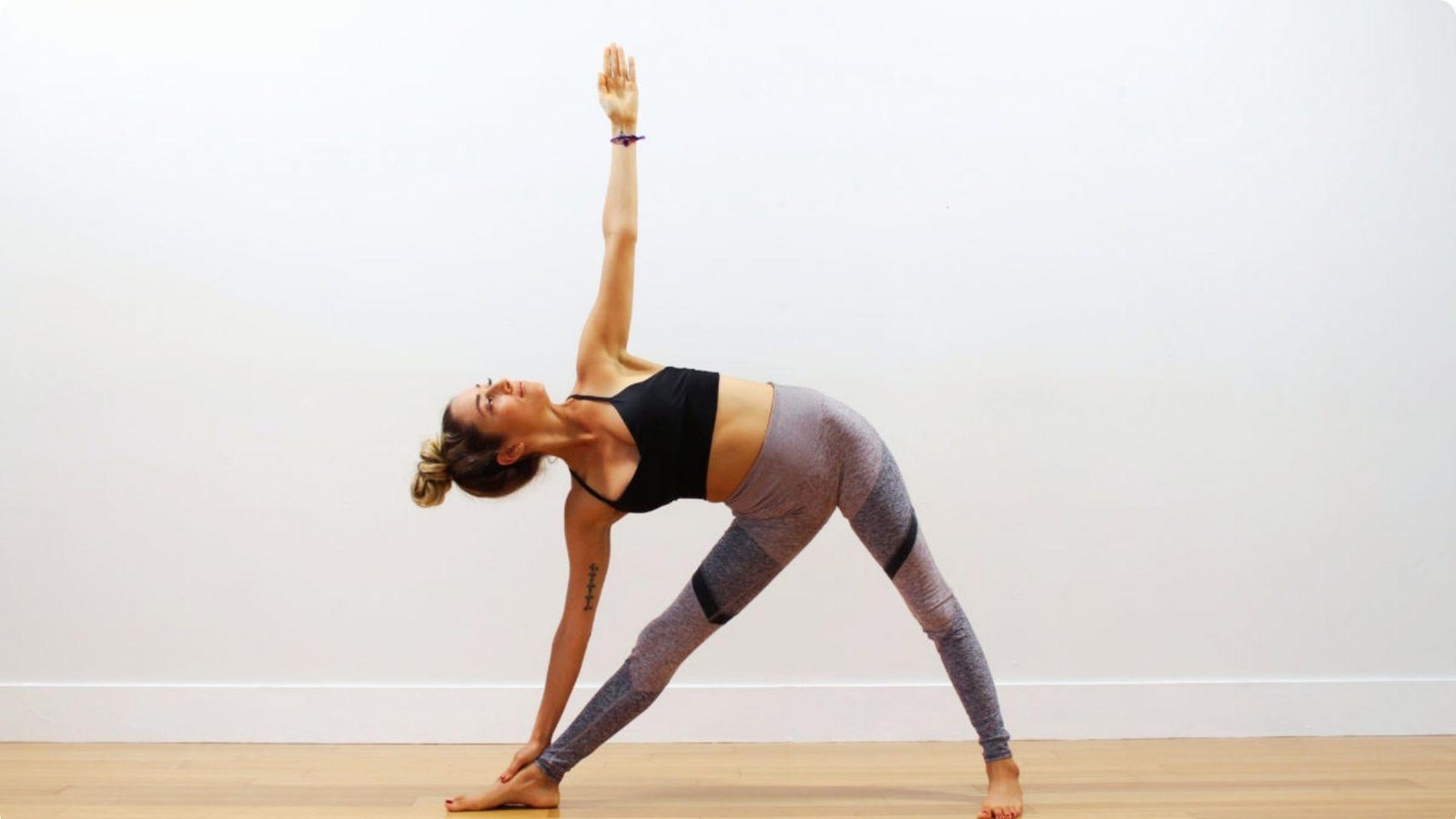
Spread your legs wide and turn one foot outward. Reach forward with your front arm, then lower your hand to your shin or the floor.
Extend your other arm straight up toward the ceiling. Keep both legs active and your chest open.
This pose stretches your hamstrings and side body while building balance. Breathe steady and avoid locking your front knee too hard.
6. Cobra Pose (Bhujangasana)
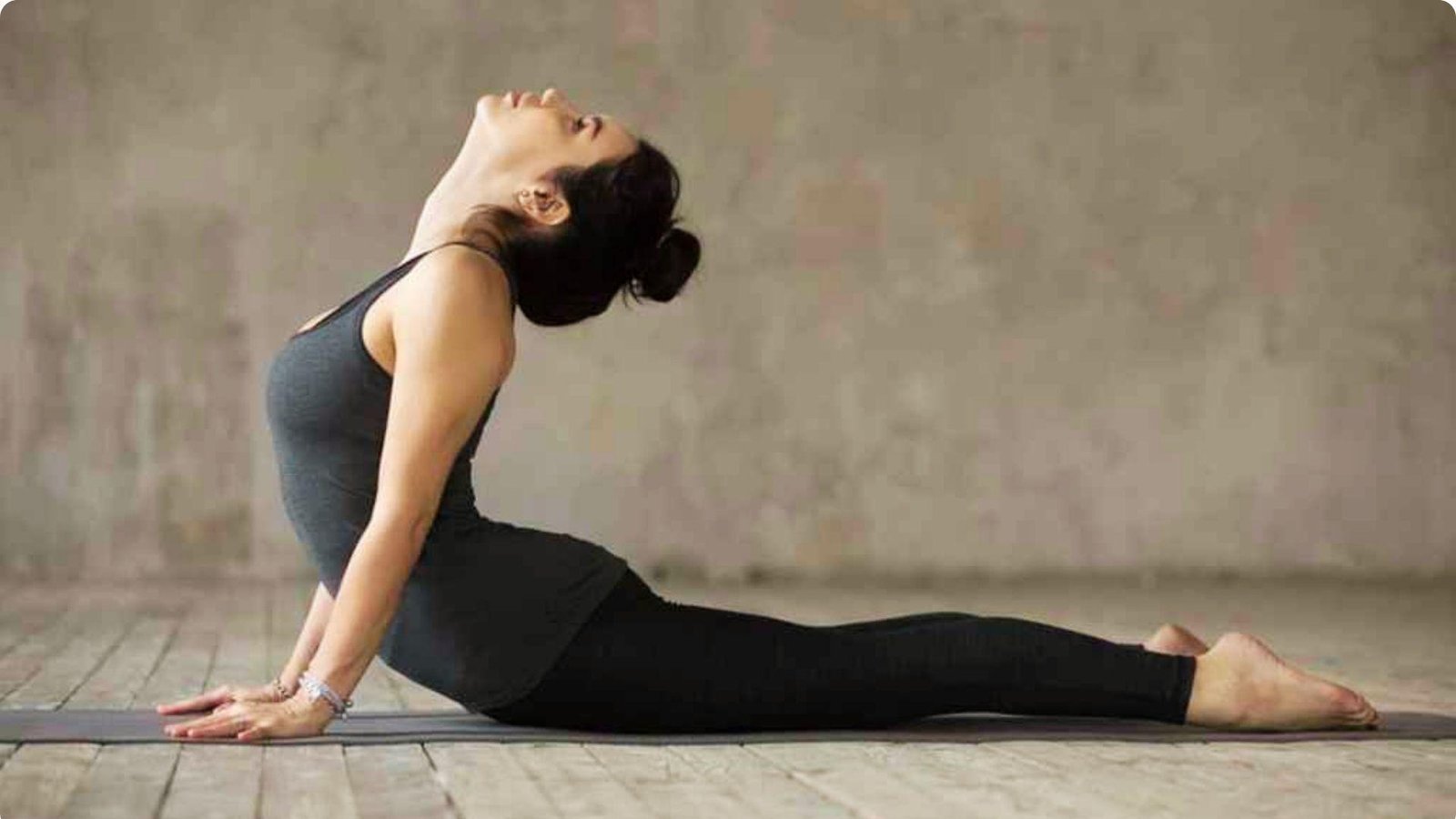
Lie on your stomach with your palms placed under your shoulders. Slowly lift your chest off the mat while keeping your elbows slightly bent.
Press the tops of your feet into the floor for support. Keep your shoulders relaxed and away from your ears.
This pose strengthens your back muscles and opens your chest. Go only as high as feels comfortable for your spine.
7. Locust Pose (Shalabhasana)
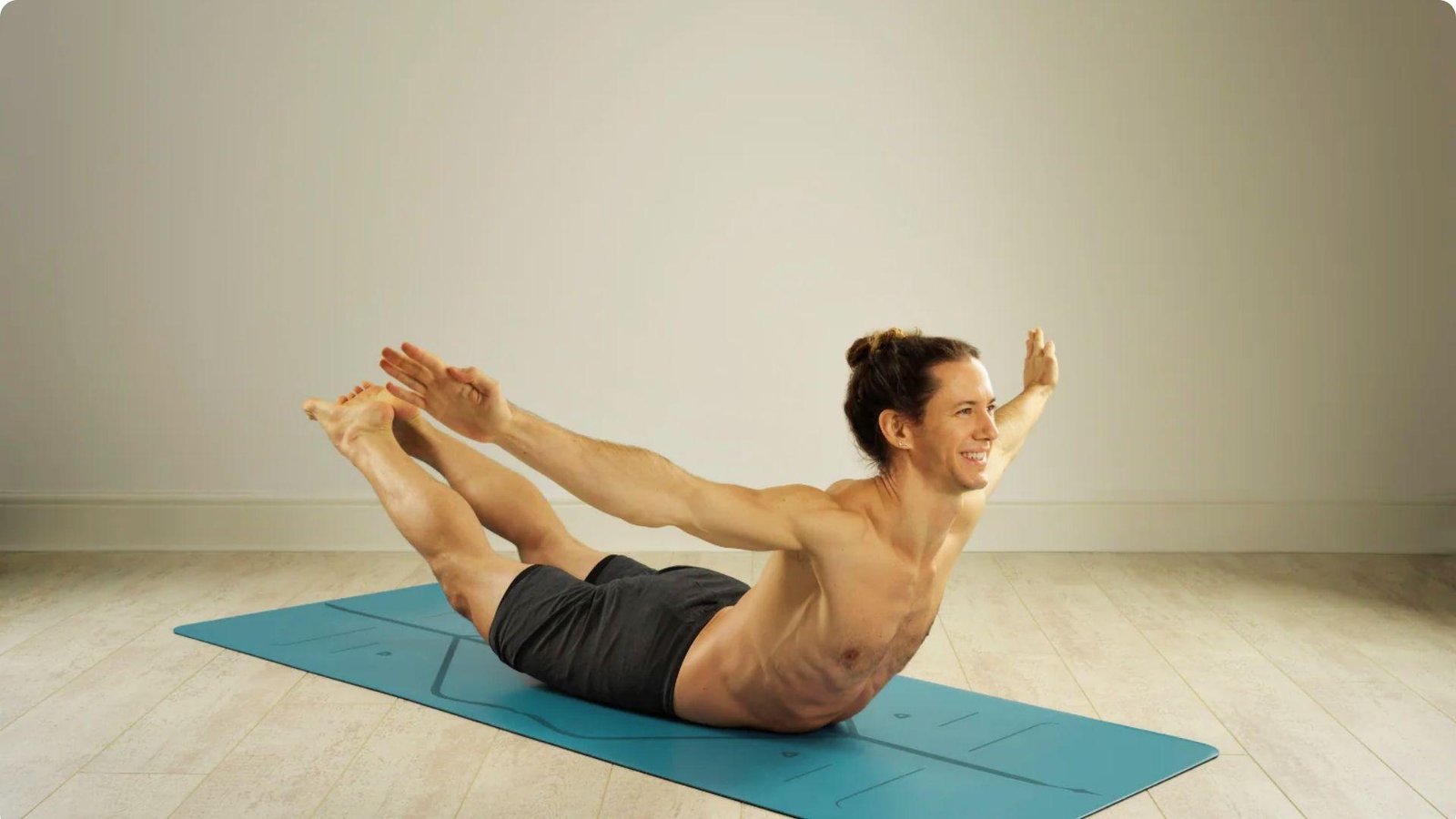
Lie face down with your arms by your sides. Lift your chest and legs slightly off the mat at the same time.
Engage your lower back and glute muscles to hold the lift. Keep your neck neutral and your gaze down.
This pose builds strength in your back body and improves posture. Hold for a few breaths, then rest before you try again.
8. Bow Pose (Dhanurasana)
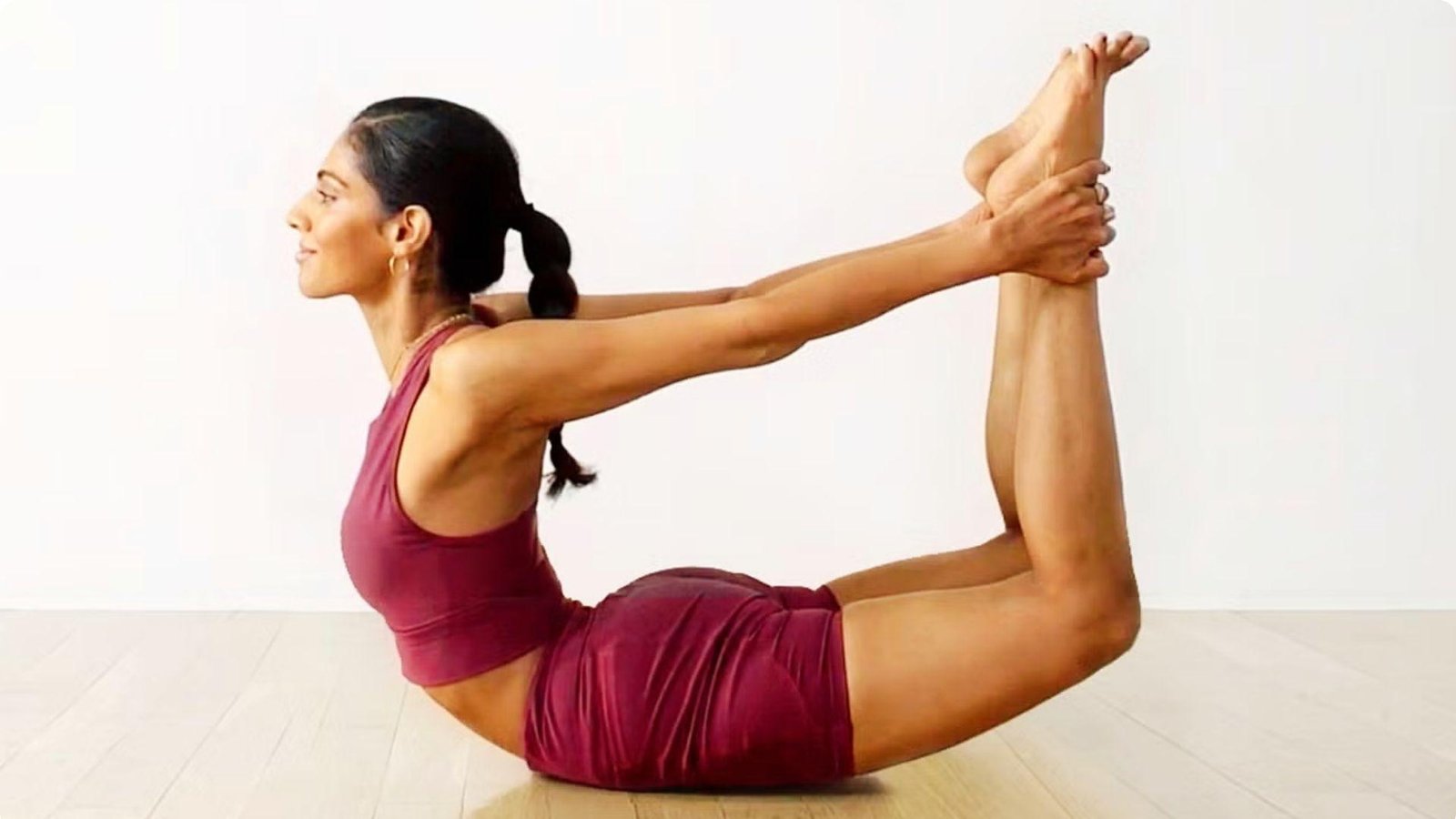
Lie on your stomach, then bend your knees and reach back to hold your ankles. Lift your chest and thighs off the mat at the same time.
Balance your weight on your belly and breathe steady. This pose opens your chest and shoulders while stretching your front body.
It can feel intense at first, so move into it slowly and listen to your body.
9. Tree Pose (Vrikshasana)
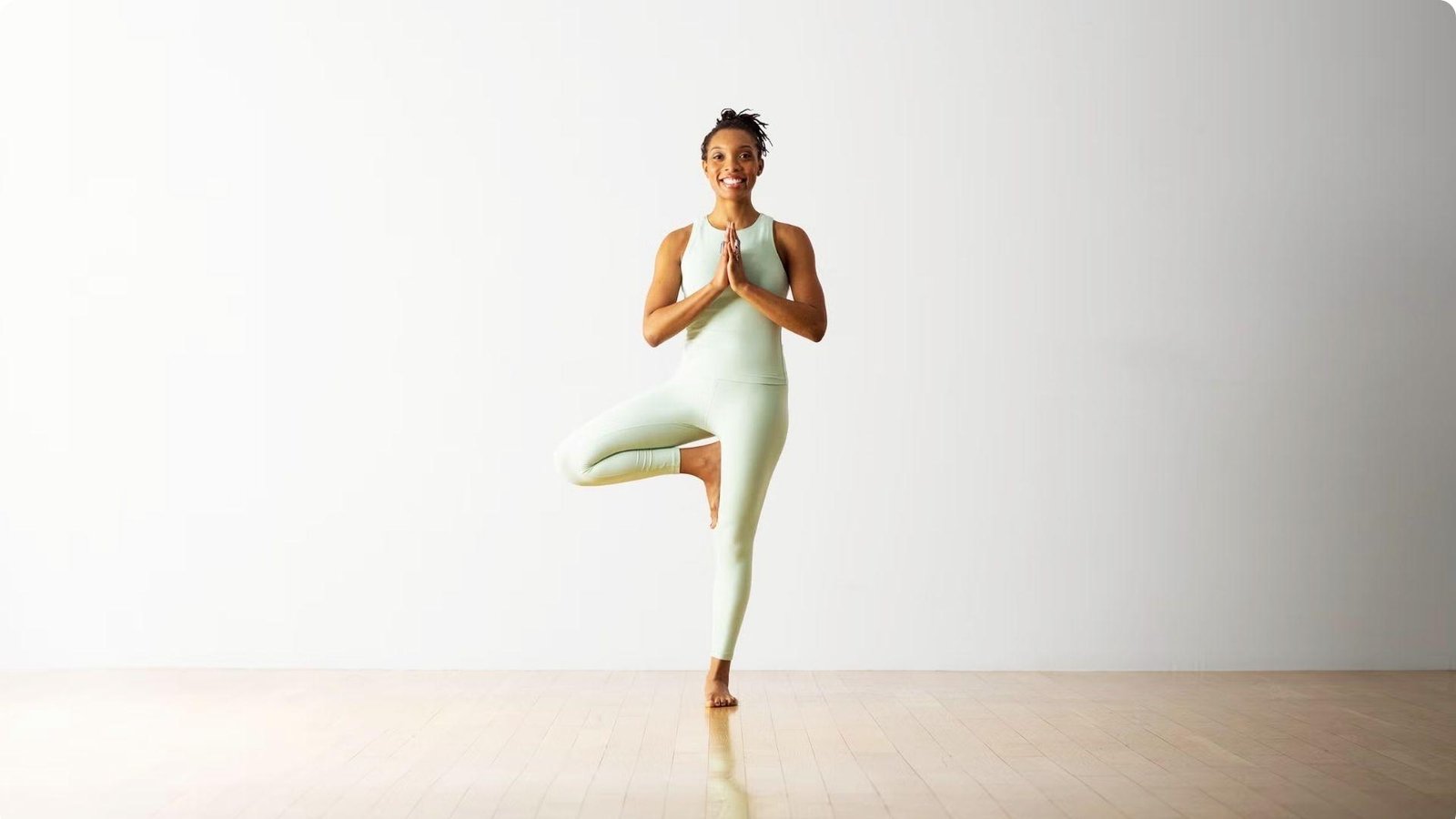
Stand on one leg and place your other foot on your inner thigh or calf, never on your knee. Bring your hands together in front of your chest.
Focus your eyes on a fixed point to help you stay steady.
This pose builds balance and calms your mind at the same time. If you wobble, that is normal. Just keep breathing and try again.
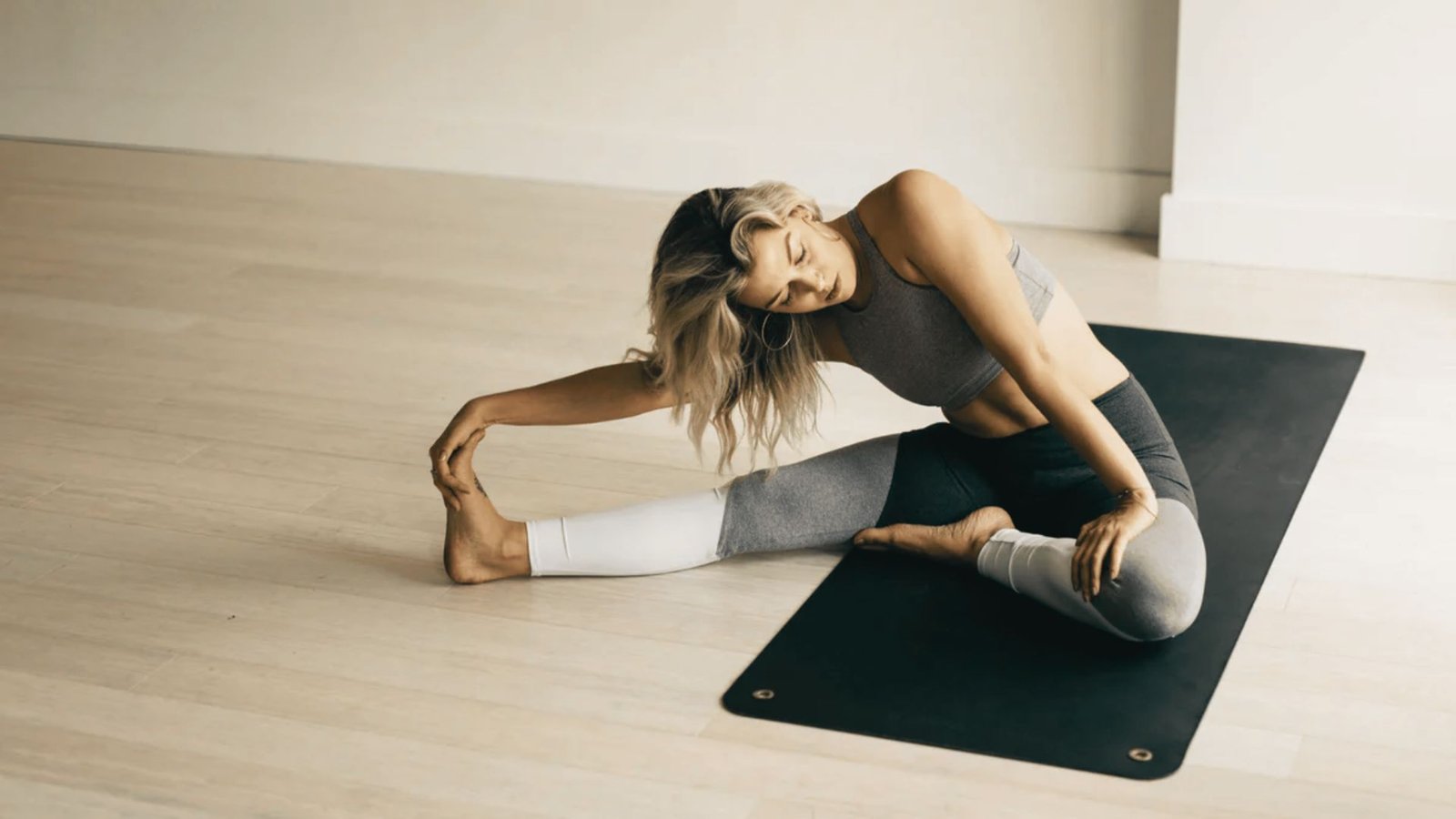
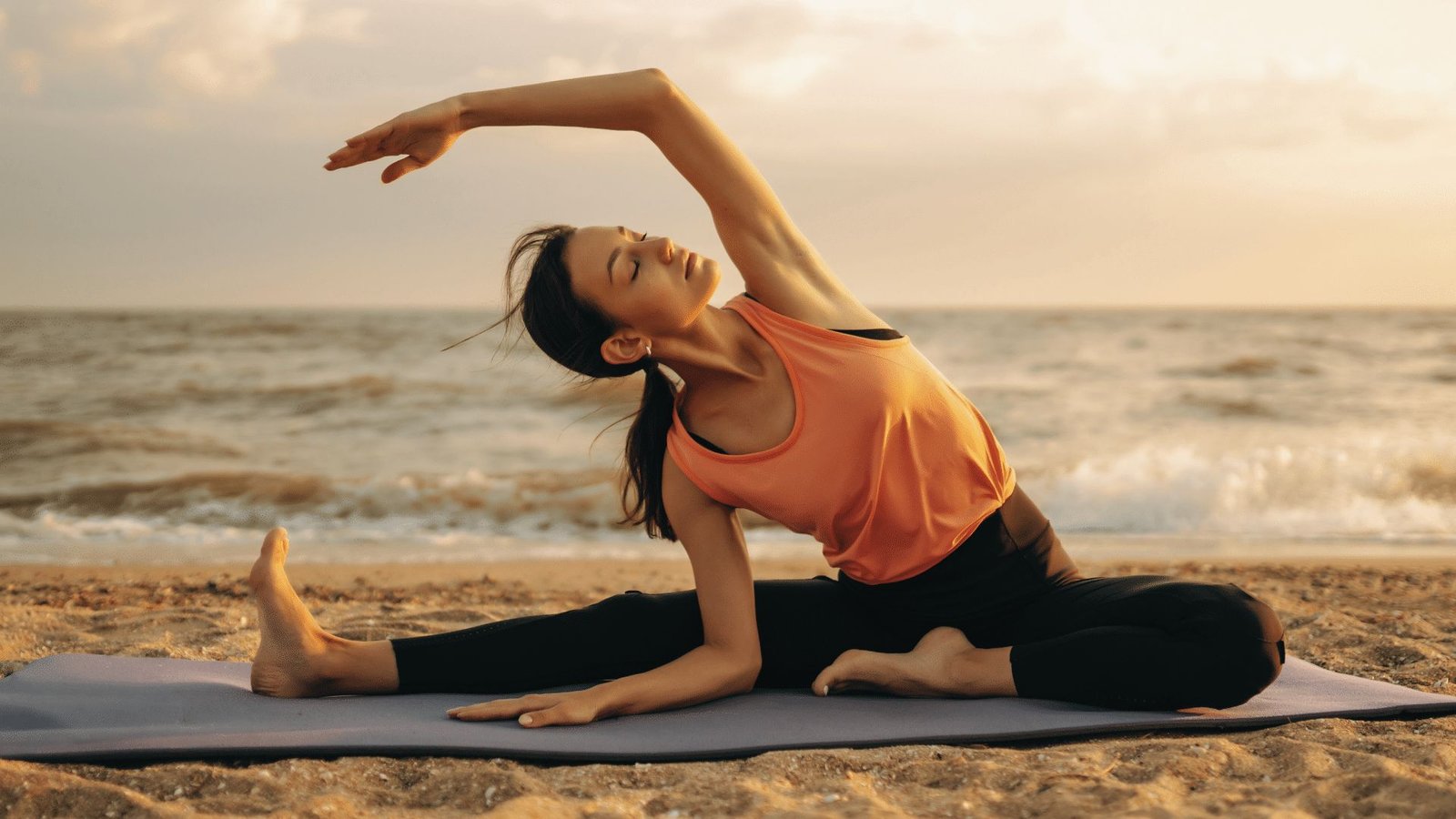
10. Seated Forward Bend (Paschimottanasana)
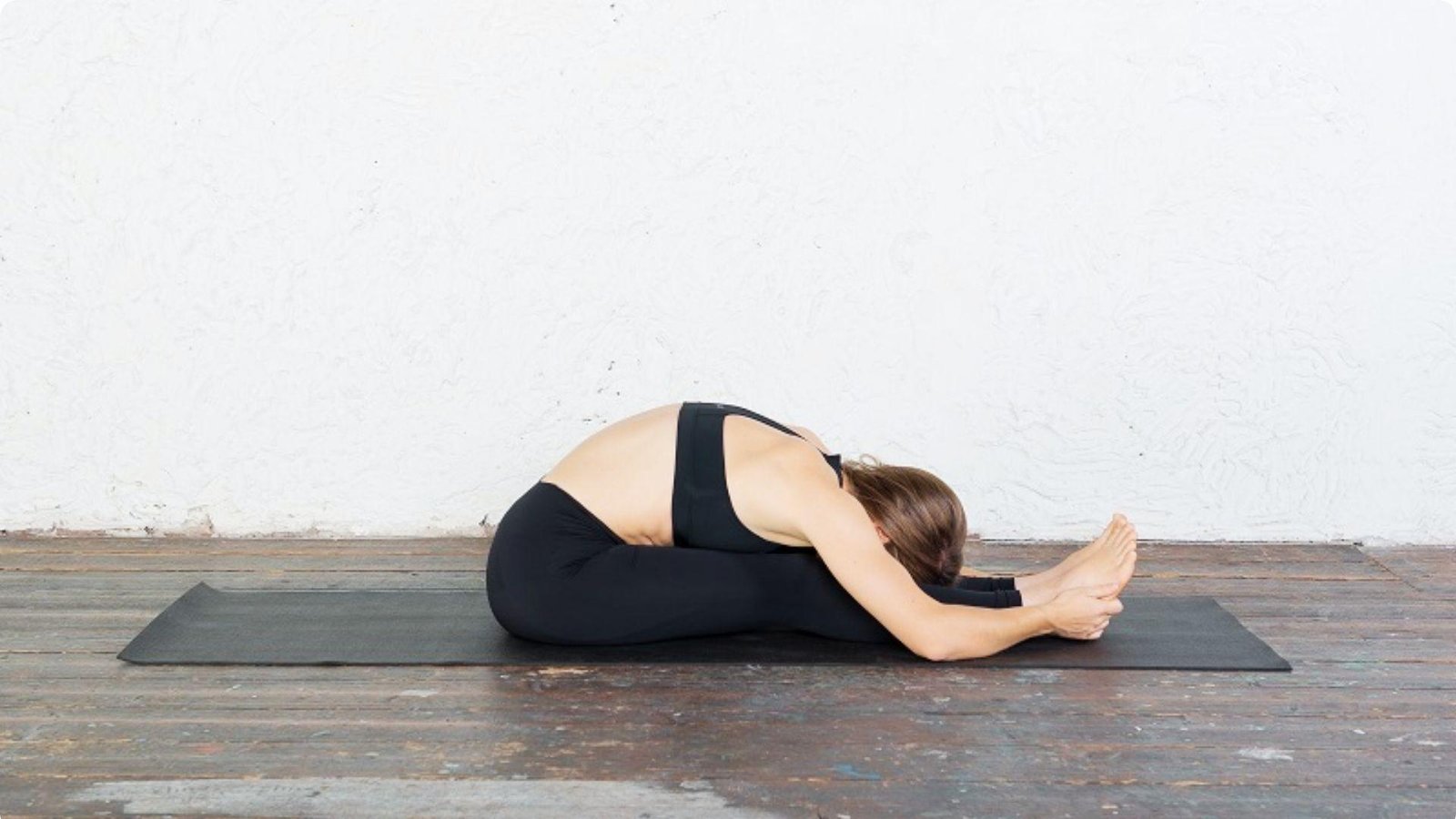
Sit with your legs straight out in front of you. Inhale and lengthen your spine upward. Exhale and fold forward from your hips, reaching toward your feet.
Keep your back as straight as you can without forcing the stretch.
This pose calms your nervous system and stretches your hamstrings and lower back. Move slowly and stop if you feel any sharp pain.
11. Half Spinal Twist (Ardha Matsyendrasana)
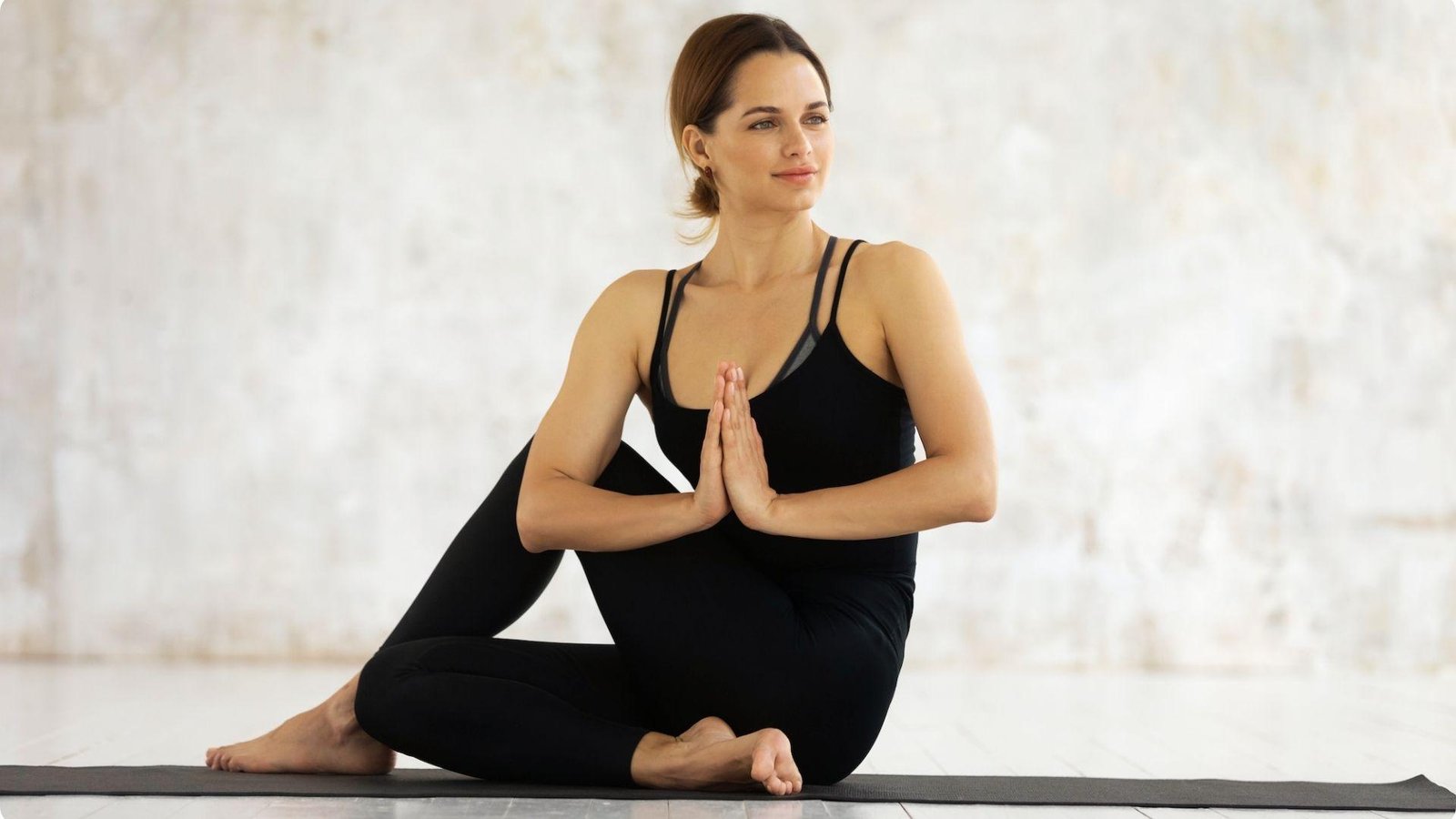
Sit with your legs extended in front of you, then cross one leg over the other. Twist your torso gently toward your bent knee, using your arm for support.
Keep your spine tall instead of slouching. This pose helps your spine stay flexible and aids digestion.
Switch sides after a few breaths so both sides of your body get equal attention.
12. Bridge Pose (Setu Bandhasana)
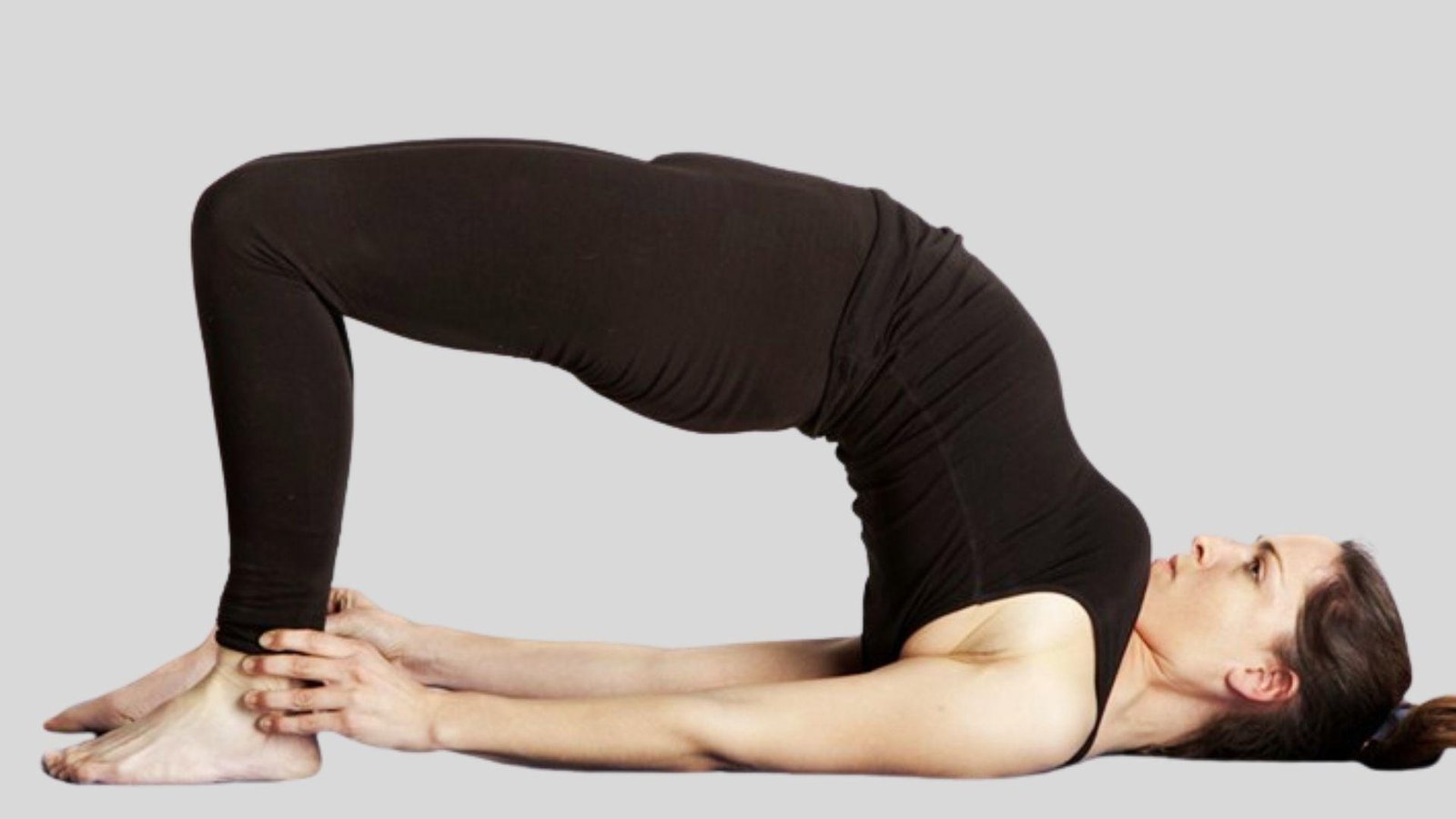
Lie on your back with your knees bent and feet flat on the floor. Press your feet down and lift your hips upward.
Keep your shoulders grounded and your neck relaxed. This pose strengthens your glutes and lower back while opening your chest.
It is a gentle way to build strength without putting too much stress on your spine.
13. Crow Pose Prep (Kakasana Beginner Entry)
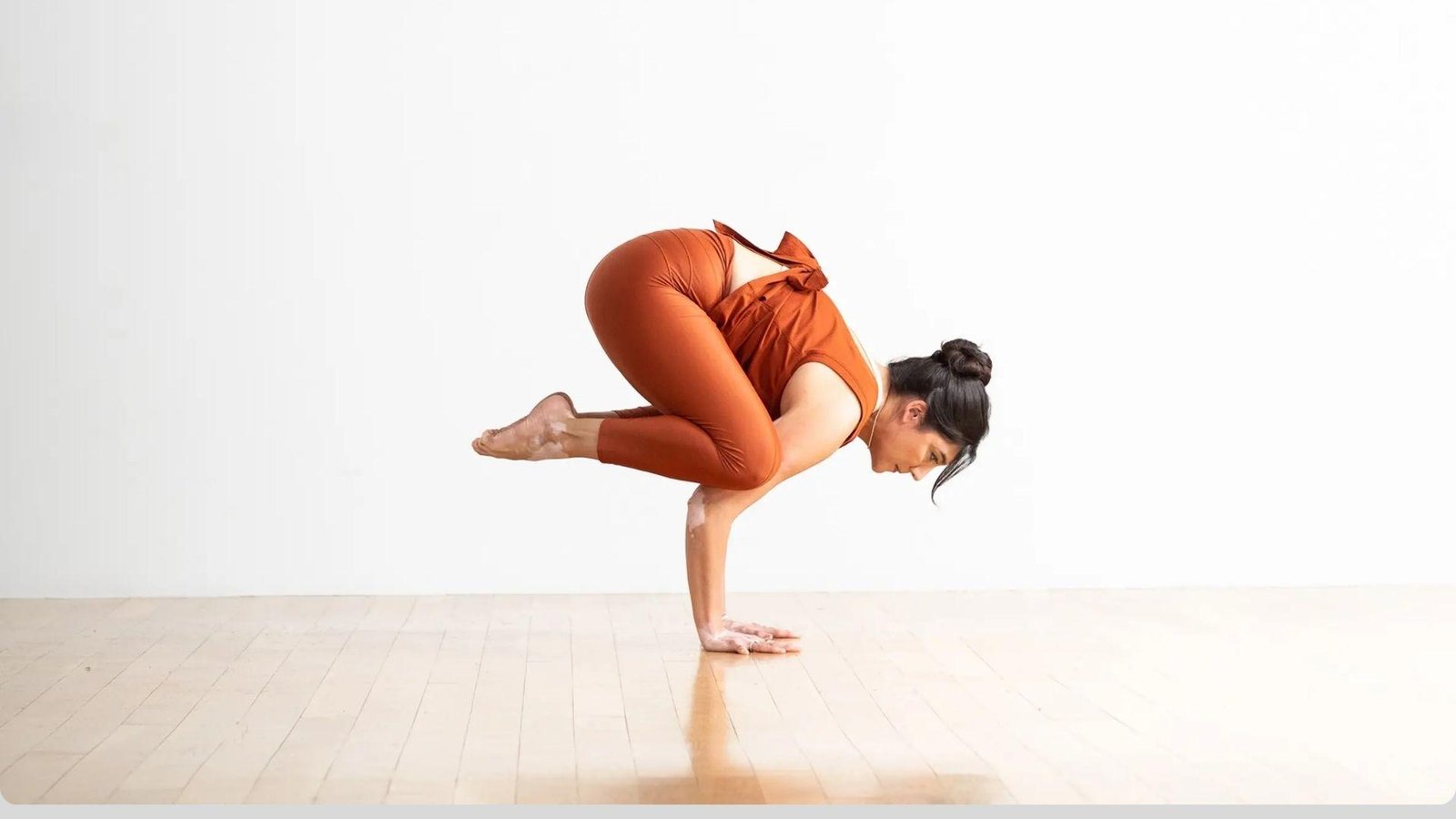
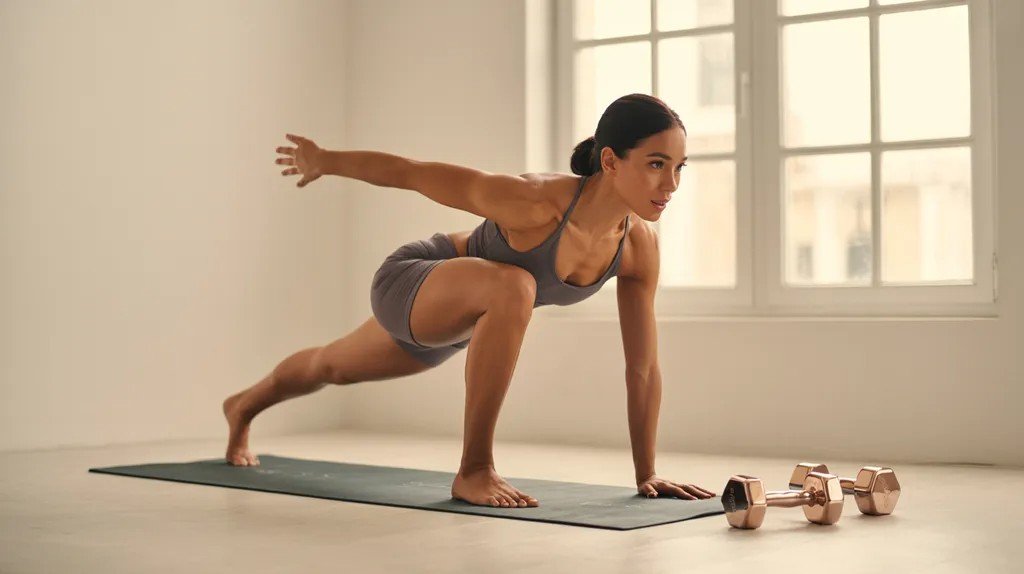
Start in a low squat with your hands placed flat on the floor. Rest your knees on the back of your upper arms.
Lean your weight forward slowly until you feel light on your hands. You do not need to lift off the ground right away.
This pose builds arm strength and balance, and it is a fun first step toward a full crow pose.
How to Practice Hatha Yoga Poses Safely
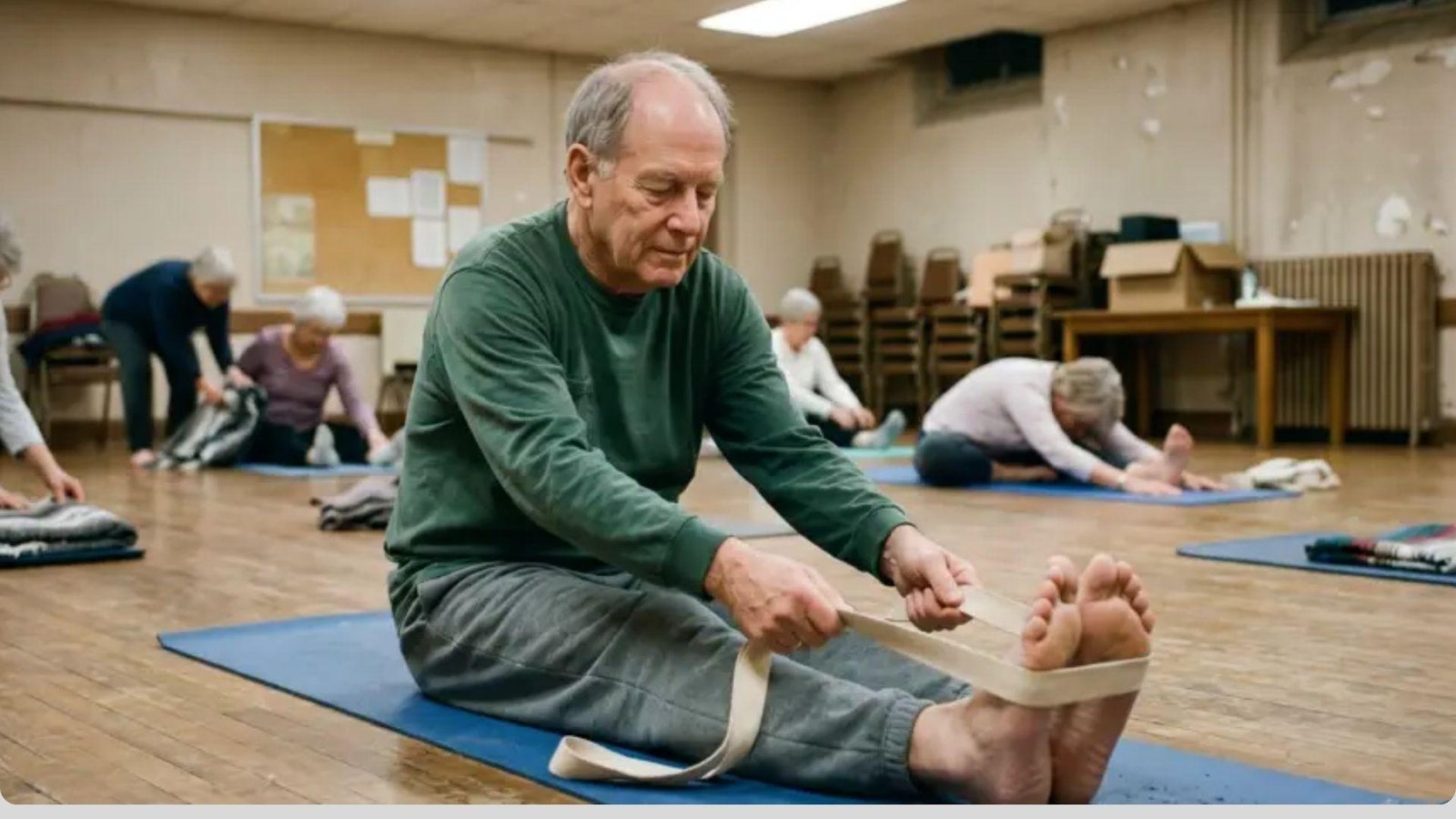
Safety matters as much as form when you practice hatha yoga poses.
Move slowly without rushing: Rushing through poses raises your risk of strain. Take your time and let your body settle into each shape.
Focus on breath in every pose:Your breath guides your movement and keeps you calm. Inhale and exhale slowly through your nose in every pose.
Avoid pain or strain: Pain is a signal to stop, not push harder. Ease out of any pose that feels sharp or uncomfortable.
Use props for support if needed: Blocks, straps, and blankets can make poses more accessible. Using props does not mean you are doing it wrong.
Hold poses for 3–5 breaths:Holding a pose for a few breaths builds strength and focus. Count your breaths instead of the clock to stay present.
Benefits of Hatha Yoga Poses
Regular hatha yoga poses practice supporting your body and mind in simple, lasting ways.
Here are 5 benefits of hatha yoga poses:
- Improves flexibility and strength: Slow stretches loosen tight muscles over time.
- Builds balance and posture: Standing poses train your body to stay steady and aligned.
- Reduces stress and tension: Slow breathing calms your nervous system during practice.
- Improves breathing control: Holding poses teaches you to breathe steady under effort.
- Supports full-body awareness:You learn how your body moves and feels in each pose.
Conclusion
Looking back, I am glad I stuck with hatha yoga poses even when my balance was shaky and my patience was thin.
Every pose taught me something new about my body and my mind. You do not need to be flexible or strong to start.
You just need to show up and breathe. Try one pose from this list today and notice how your body feels afterward.
Drop a comment below and let me know which hatha yoga pose you tried first.
Frequently Asked Questions
What are the best hatha yoga poses for beginners?
Mountain Pose, Tree Pose, and Cobra Pose are gentle starting points for beginners.
How long should I hold each hatha yoga pose?
Most poses work well when held for three to five slow breaths.
Can I practice hatha yoga poses every day?
Yes, daily practice is safe as long as you listen to your body.
Do I need any equipment to start hatha yoga poses?
No, a simple mat is enough, though props can help with comfort.
Is hatha yoga good for stress relief?
Yes, the slow pace and steady breathing help calm your nervous system.