Yoga is not just about stretching on a mat. The branches of yoga go much deeper than poses and breathing.
I remember feeling lost when I first heard terms like Jnana yoga or Bhakti yoga. It felt confusing, like everyone else already knew the answer.
This guide breaks down each path in plain words, so you don't have to guess. I will walk you through what each branch means, why it exists, and how it can fit your life.
By the end, you will know the six main branches of yoga and how they differ from the four branch system.
I have practiced yoga for years, and this comes from real experience, not guesswork.
Let's get into it right now.
What Are the Branches of Yoga?
When people think of yoga, they often think only of physical postures. But yoga is much bigger than that.
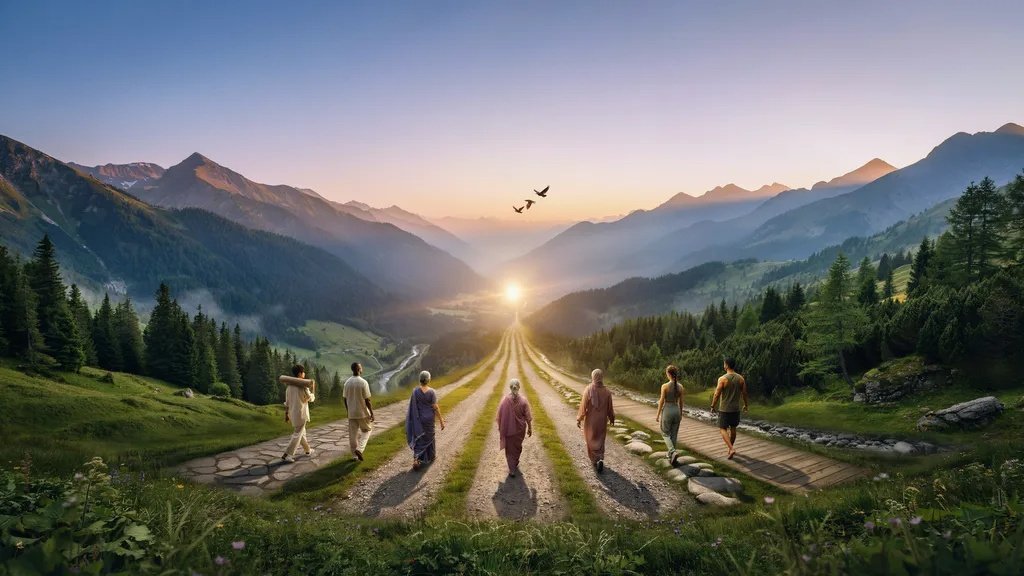
The branches of yoga are different paths that lead to the same goal, a calm mind and a balanced life.
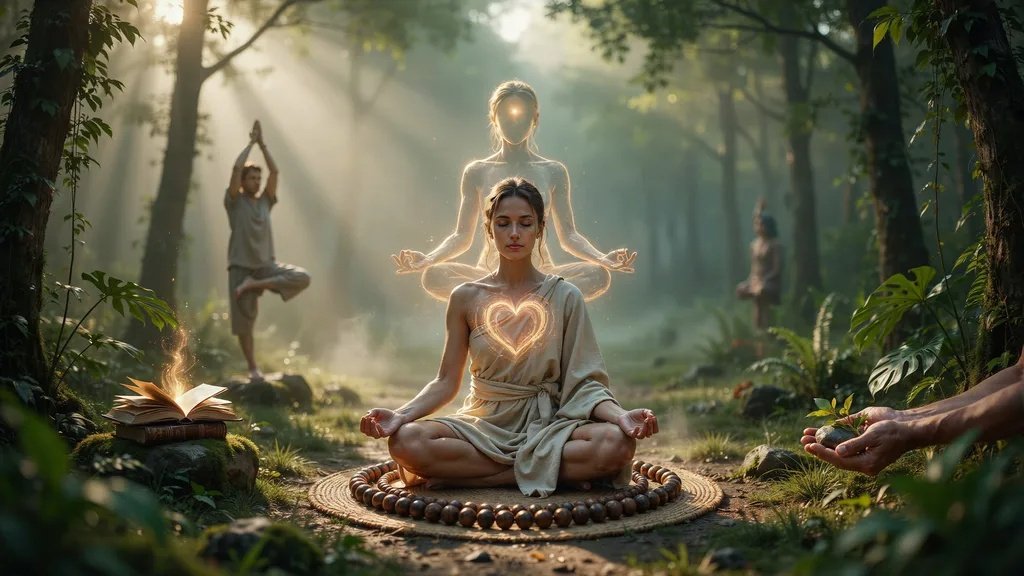
Each branch works with a different part of who you are. Some focus on the body. Some focus on the heart.
Some focus on the mind. Think of them as different roads heading to the same place. You can walk one road, or mix a few together. There is no single right way to do this.
The Purpose of the Different Branches of Yoga
Each branch of yoga serves a purpose. The goal is not to collect poses or memorize chants. The real goal is growth, inner peace, and self awareness.
Some branches help you control your thoughts. Some help you build devotion and love. Some help you act in the world without selfish motives.
I think of the branches like tools in a toolbox. You don't use a hammer for every job. You pick the tool that fits the task in front of you.
The same goes for yoga. You choose the branch that matches what you need at that point in your life.
The Six Main Branches of Yoga
Yoga has six classic branches. Each one comes from old teachings, and each one offers a different way to grow.
I will break down each branch below, in plain words, with no confusing terms. Here is what each path means and who it might suit.
1. Jnana Yoga
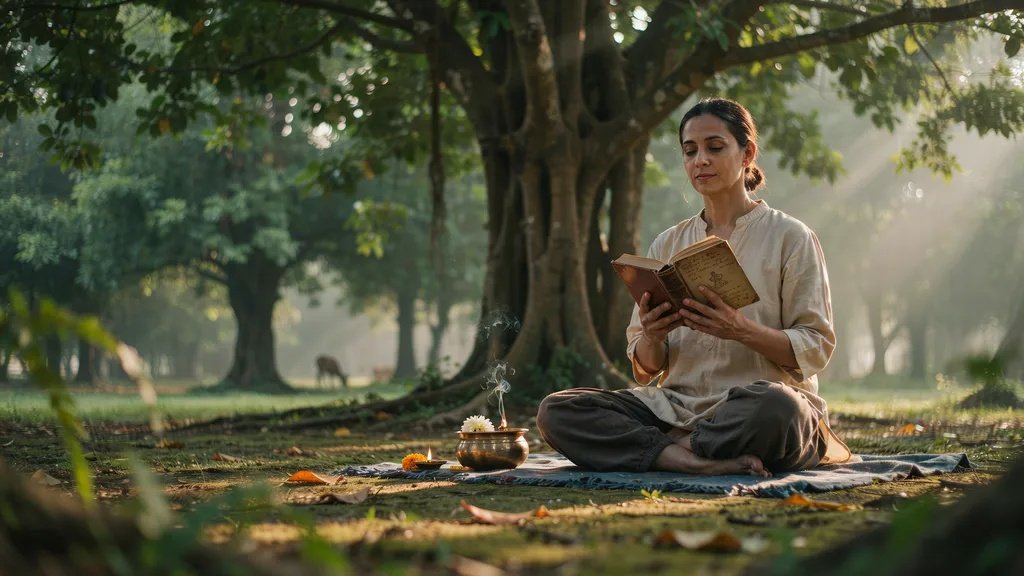
Jnana yoga is the path of knowledge. It asks you to question your own thoughts and look closely at your mind.
This path uses study, reflection, and self questioning. It suits people who like to think things through.
You won't find much movement here. Instead, you sit with your thoughts and ask who you really are. It can feel hard at first. But over time, it builds clear thinking and calm awareness.
2. Bhakti Yoga
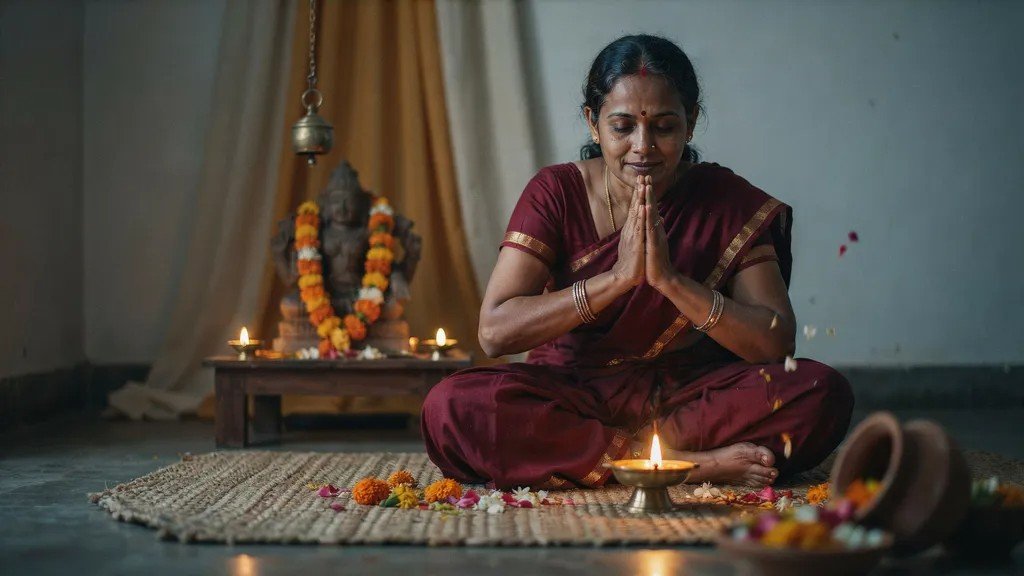
Bhakti yoga is the path of love and devotion. It uses chanting, prayer, and surrender to connect with something bigger than yourself.
This path fits people who feel deeply and want to express that feeling. You don't need to belong to one religion to practice it.
The core idea is simple. Open your heart, and let love guide your actions.
3. Karma Yoga

Karma yoga is the path of action without selfish reward. You do your work, but you let go of the outcome. This path suits people who already stay busy and want more meaning in daily tasks.
Cooking a meal, helping a neighbor, or finishing a work project can all become karma yoga. The trick is doing it with a calm mind and no attachment to praise.
4. Raja Yoga
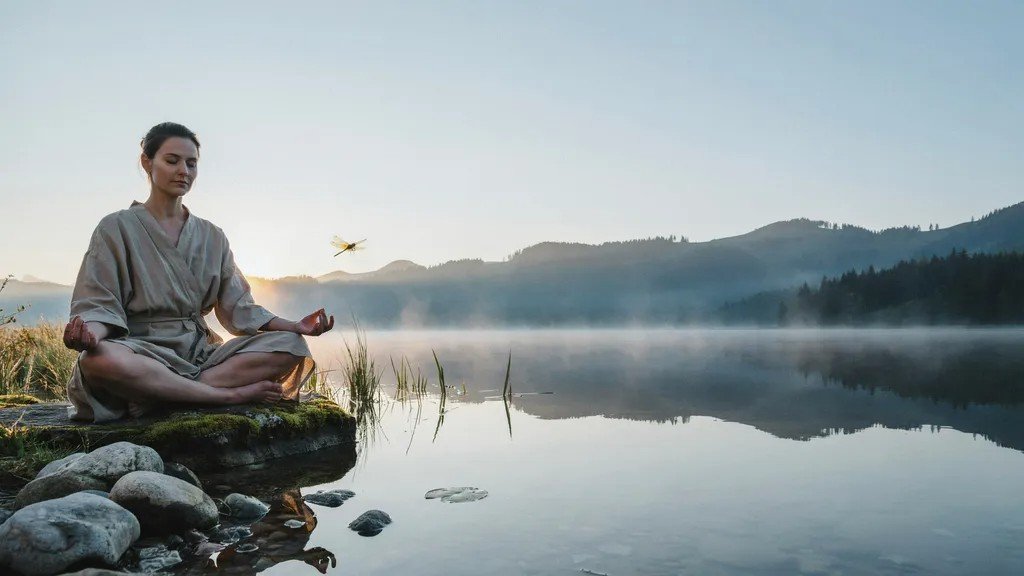
Raja yoga is the path of the mind. It focuses on meditation, focus, and control of your thoughts. This path often follows eight steps, known as the eight limbs of yoga.
It suits people who want a clear plan to calm their mind. You build the practice slowly, step by step, until deep meditation feels natural.
5. Hatha Yoga
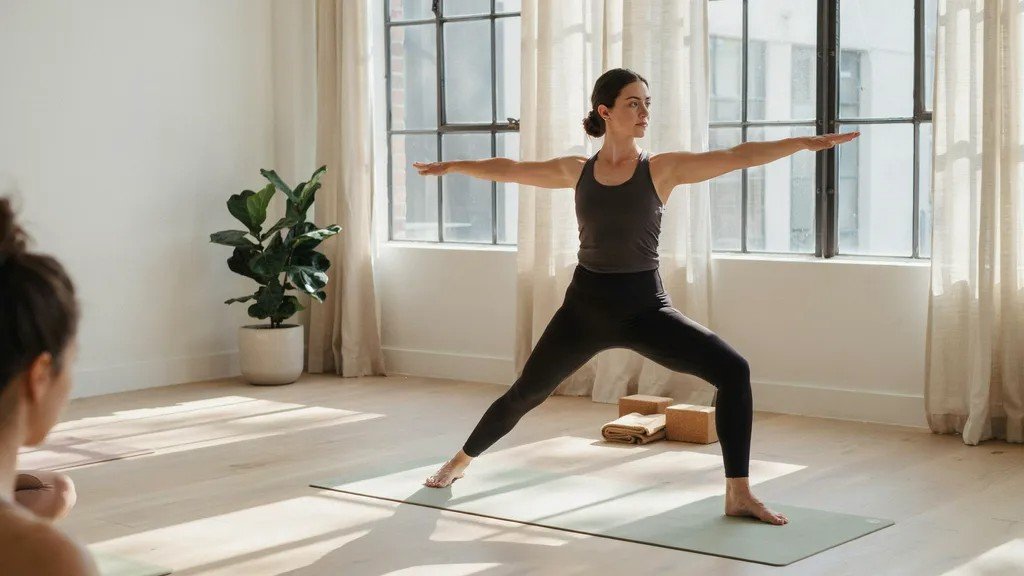
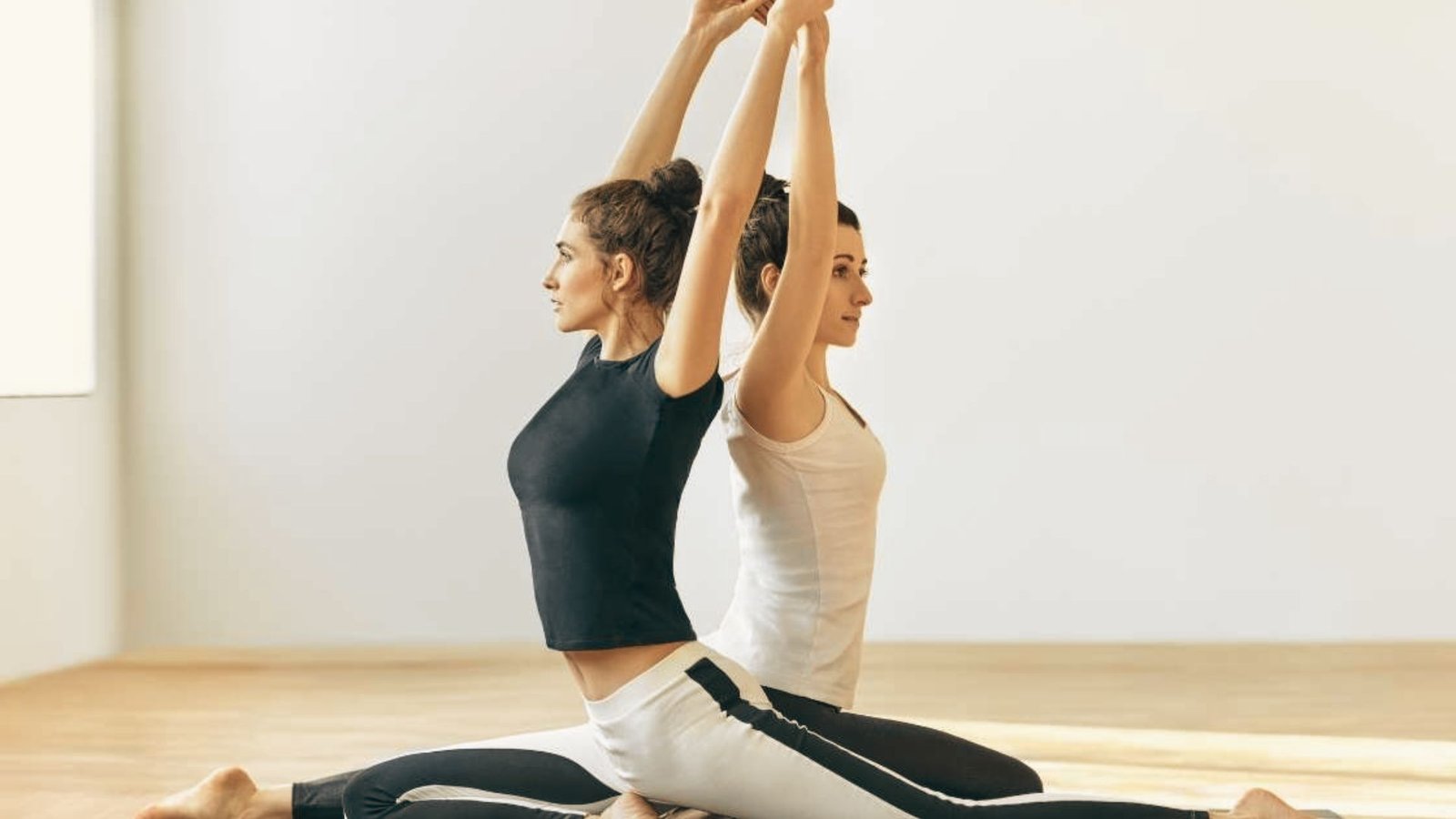
Hatha yoga is the branch most people already know. It uses postures, breathing, and body control to prepare you for meditation.
This path fits people who want to start with the body first. You stretch, breathe, and build strength. Over time, this physical work also calms your mind. It is often the easiest entry point for beginners.
6. Japa Yoga

Japa yoga is the path of mantra repetition. You repeat a word or sound, often using a string of beads called a mala.
This path suits people who find comfort in routine and rhythm. Repeating a mantra keeps your mind from wandering. It can feel slow at first, but it builds deep focus over time.
Six Branches vs Four Branches of Yoga
Some teachers group yoga into four branches instead of six. This older system combines a few paths together. Here is how the two systems compare.
| Four Branch System | Six Branch System | Focus |
| Jnana Yoga | Jnana Yoga | Wisdom and self study |
| Bhakti Yoga | Bhakti Yoga | Devotion and surrender |
| Karma Yoga | Karma Yoga | Selfless action |
| Raja Yoga | Raja Yoga | Meditation and focus |
| (not separate) | Hatha Yoga | Body and breath work |
| (not separate) | Japa Yoga | Mantra repetition |
The four branch system folds Hatha and Japa into Raja yoga. The six branch system splits them out, since each one has its own clear focus.
How the Branches of Yoga Differ
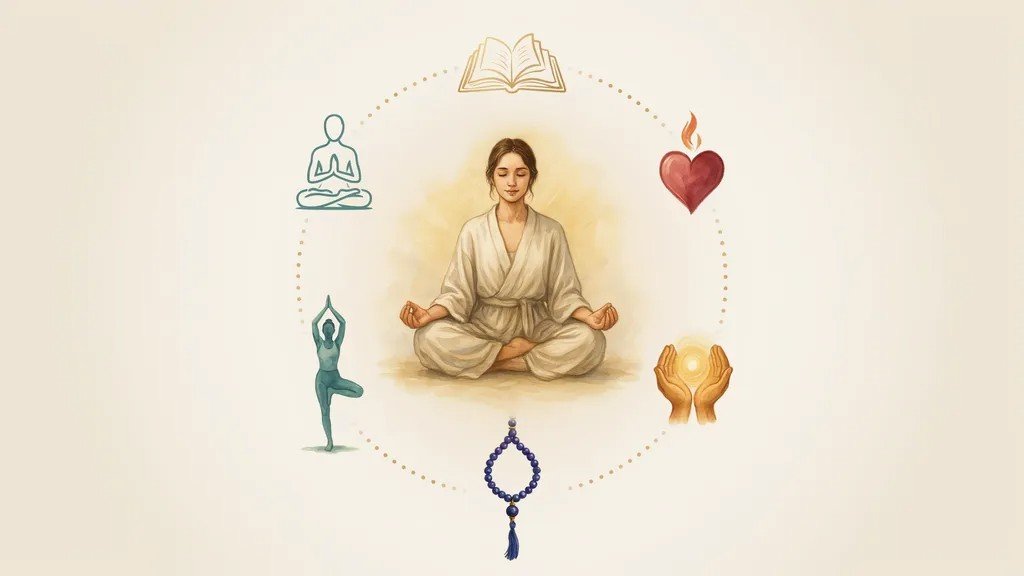
Each branch of yoga works in a different way. Jnana yoga uses the mind. You think, question, and study. Bhakti yoga uses the heart. You feel, chant, and surrender.
Karma yoga uses action. You work, but without attachment.
Raja yoga uses focus. You sit, breathe, and train your attention. Hatha yoga uses the body. You move, stretch, and build strength. Japa yoga uses sound. You repeat a mantra until your mind settles.
None of these branches work against each other. You can mix Hatha with Bhakti, or Raja with Karma. The branches are not separate boxes. They are different doors into the same room.
How to Choose the Right Branch of Yoga
Picking a branch comes down to knowing yourself. Ask what pulls you in. If you love to think and question, try Jnana yoga.
If you feel deeply and connect through emotion, try Bhakti yoga. If you stay busy and want more meaning in your work, try Karma yoga.
If you want a calm, focused mind, try Raja yoga. If you want to start with your body, try Hatha yoga. If repetition and rhythm calm you, try Japa yoga.
You don't have to pick just one. I mix Hatha with a bit of Japa most mornings, and it works for me. Start small, and adjust as you learn more about what you need.
Benefits of a Balanced Yoga Practice:
- Better focus and a calmer mind
- Stronger body and more flexibility
- Less stress in daily life
- A deeper sense of purpose
- Better sleep and more energy
- A stronger connection to your emotions
Conclusion
The branches of yoga are not separate rules to follow. They are different ways to grow, and you can mix them as you like.
I started with Hatha yoga for my body, then slowly added Japa and Bhakti as I learned what I needed.
You don't have to master all six branches right away. Pick one that matches how you feel today, and build from there.
Yoga is not about doing it perfectly. It is about showing up, again and again, in a way that fits your life.
I hope this guide made the branches feel less confusing and more like real, usable paths. Take your time, there is no rush.
Which branch feels right for you to try first?
Frequently Asked Questions
What is the easiest branch of yoga for beginners?
Hatha yoga is usually the easiest place to start. It focuses on the body, so you build a base before moving into other branches.
Can I practice more than one branch of yoga at the same time?
Yes, you can mix branches as you like. Many people blend Hatha with Bhakti or Raja for a fuller practice.
Do I need to follow a religion to practice Bhakti yoga?
No, Bhakti yoga is open to anyone. It is about devotion and love, not tied to one specific faith.
How long does it take to feel the benefits of yoga?
Some people feel calmer after one session. Deeper benefits, like better focus and less stress, usually build over a few weeks.
Is Karma yoga only about doing chores?
No, Karma yoga is about your mindset during any action. It can apply to work, chores, or even helping a friend.