Have you ever woken up gasping for air, with no idea why? That moment of fear is more common than you think. Sleep apnea is not just loud snoring. It is your body fighting for oxygen, night after night, while you sleep.
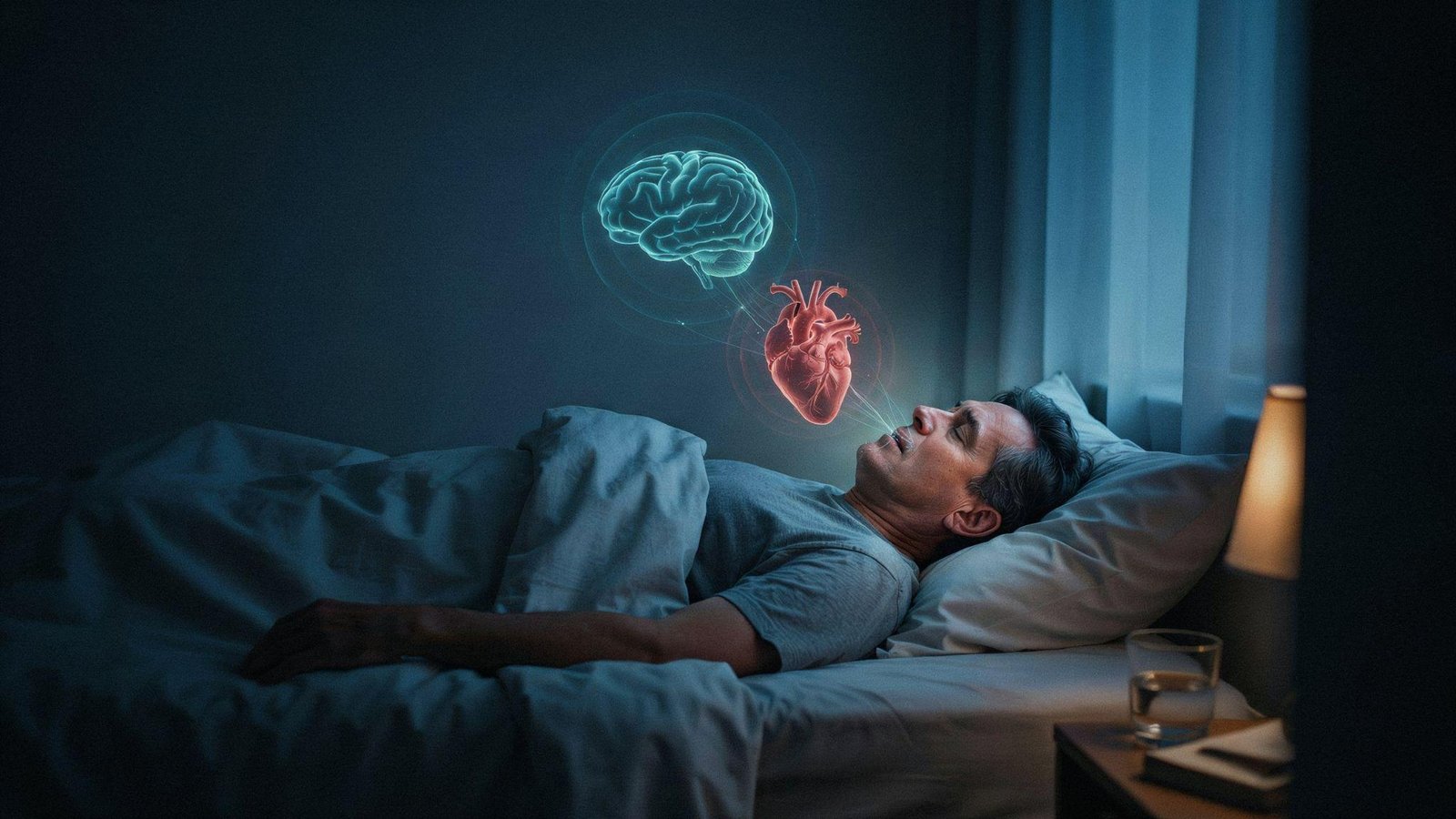
Each pause in breathing puts stress on your heart and brain. Over time, this can lead to serious health problems. So here is the real question: does untreated sleep apnea actually shorten your life?
The answer is yes, and the risks are higher than most people realize. Let's break down why this happens and what you can do about it.
What Is Untreated Sleep Apnea?
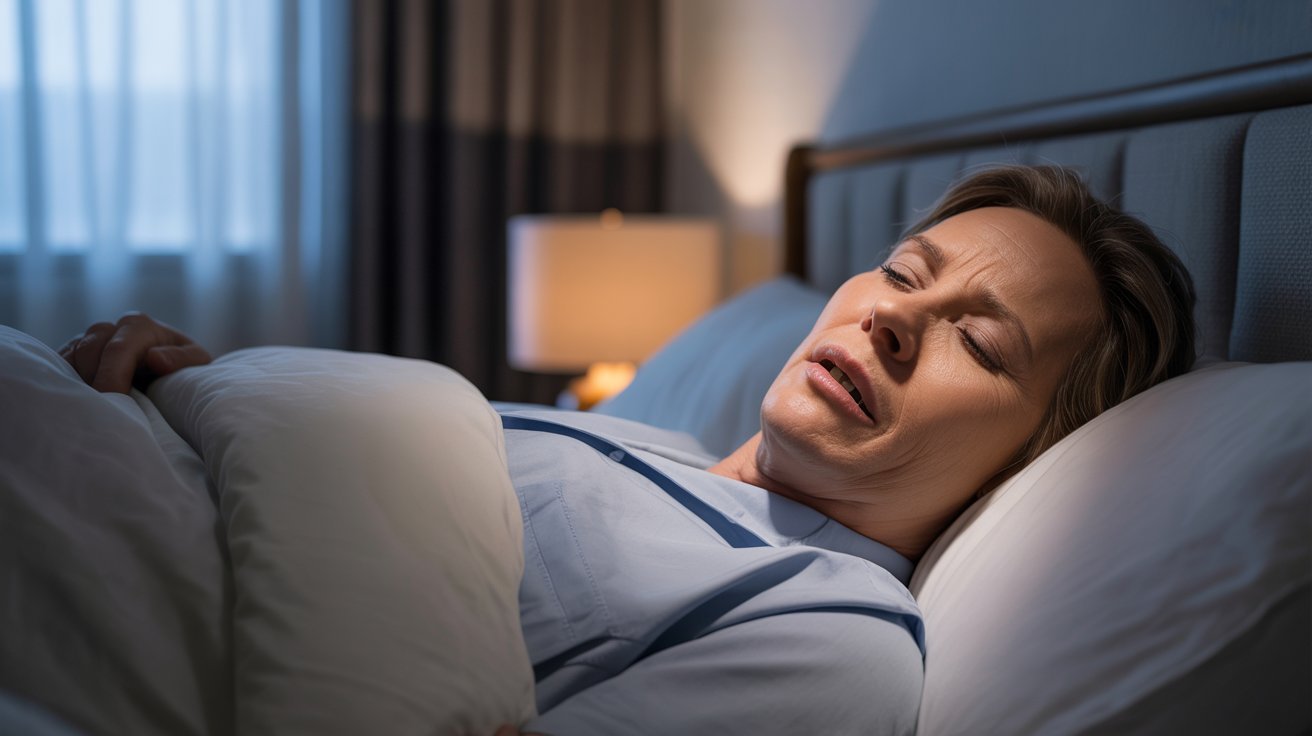
Obstructive sleep apnea, or OSA, happens when your throat muscles relax too much during sleep and block your airway. This causes your breathing to stop and start repeatedly throughout the night.
Each pause can last several seconds. Your oxygen levels drop, and your brain briefly wakes you up to restart breathing, often without you knowing it happened.
Many people never get diagnosed. They blame tiredness on stress or age, not realizing their sleep is the real problem.
Does Untreated Sleep Apnea Reduce Life Expectancy?
Research gives a clear answer. Untreated sleep apnea, especially severe cases, raises the risk of dying early.
Severity matters. Mild cases carry a small risk. Moderate cases raise it a little. Severe, untreated apnea is where the danger climbs, often tied to heart problems and stroke.
Two long-term studies confirm this. The Wisconsin Sleep Cohort followed over 1,500 people for up to 18 years and linked untreated sleep apnea to higher blood pressure, stroke, and earlier death. The Busselton Health Study found a similar pattern.
The worse the condition, the higher the risk.
How Untreated Sleep Apnea Can Lead to Death
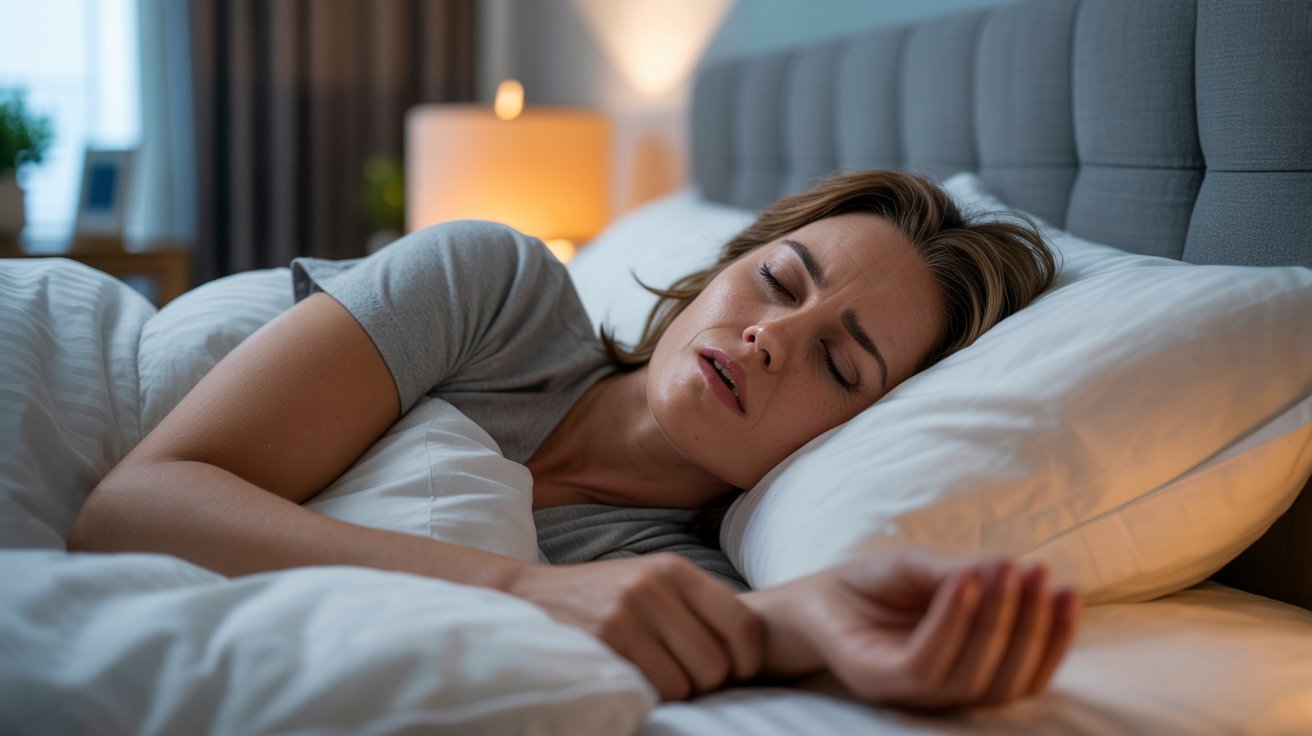
Untreated sleep apnea does more than disturb sleep. It puts constant strain on your heart, brain, and body, raising the risk of serious illness and early death.
Oxygen Deprivation and Strain on the Body
Each pause in breathing drops your oxygen levels and forces your body into stress mode. Your heart rate spikes, blood vessels tighten, and blood pressure rises suddenly.
This happens repeatedly each night, putting constant pressure on your heart, lungs, and brain.
Cardiovascular Complications as the Leading Cause of Death
Untreated sleep apnea is linked to high blood pressure, irregular heartbeat, coronary artery disease, stroke, and heart failure.
These conditions build up slowly, often without obvious symptoms, until they become life-threatening.
Sudden Cardiac Events and Stroke Risk
People with severe sleep apnea face a higher risk of dangerous heart rhythms and sudden cardiac death.
Blocked oxygen flow can also damage blood vessels, raising the chance of a stroke during sleep.
Chronic Inflammation and Systemic Damage
Repeated drops in oxygen followed by quick recovery act like a small injury each time, triggering inflammation throughout the body.
Over the years, this damages blood vessels and organs, quietly raising your risk of serious disease.
Major Health Risks of Untreated Sleep Apnea
Untreated sleep apnea does not just affect your sleep. It quietly damages your heart, brain, and metabolism, raising your risk for several serious conditions.
- High blood pressure (hypertension): Repeated drops in oxygen force your blood pressure to spike night after night. Over time, this turns into chronic high blood pressure, even during the day.
- Heart disease and heart failure: The constant strain on your heart can lead to irregular heartbeat, coronary artery disease, and heart failure. Your heart simply works harder than it should, for years.
- Stroke and brain damage: Sleep apnea causes inflammation that can damage blood vessels, and a stroke often happens when a clot blocks blood flow to the brain. The risk grows higher with each untreated year.
- Type 2 diabetes and metabolic dysfunction: Low oxygen and broken sleep alter your hormones and how your body responds to insulin. This raises your risk of developing type 2 diabetes over time.
- Cognitive decline and memory problems: Repeated drops in brain oxygen can shrink areas like the hippocampus, which is key for memory. This raises the risk of memory loss and conditions like dementia later in life.
Short-Term Effects That Signal Danger

These early signs are easy to ignore, but they are your body's way of warning you. Pay attention before they turn into bigger problems.
Excessive Daytime Sleepiness
Broken sleep at night leaves you exhausted during the day, no matter how many hours you spend in bed.
You may catch yourself nodding off during meetings or quiet conversations. This happens because your body never reaches deep, restorative sleep.
Poor Concentration and Fatigue
Your brain does not get the rest it needs to recharge properly each night. Simple tasks start to feel harder, and your focus slips more than usual.
Even small chores can leave you mentally drained by midday.
Mood Swings and Irritability
Constant sleep disruption wears down your patience over time. Small annoyances start to feel bigger than they really are.
You may notice yourself snapping at people more easily than before.
Morning Headaches and Dry Mouth
Low oxygen levels overnight often leave you waking up with a dull headache. A dry, sore throat is also common after a night of broken breathing.
These signs get brushed off easily, but they add up.
Reduced Performance and Accident Risk
Poor sleep slows your reaction time and clouds your judgment during the day. This raises the risk of mistakes at work and missed deadlines. It also makes accidents while driving more likely.
I'll check on the biological aging link since that's a more specific/recent research area.
Long-Term Effects That Impact Life Expectancy
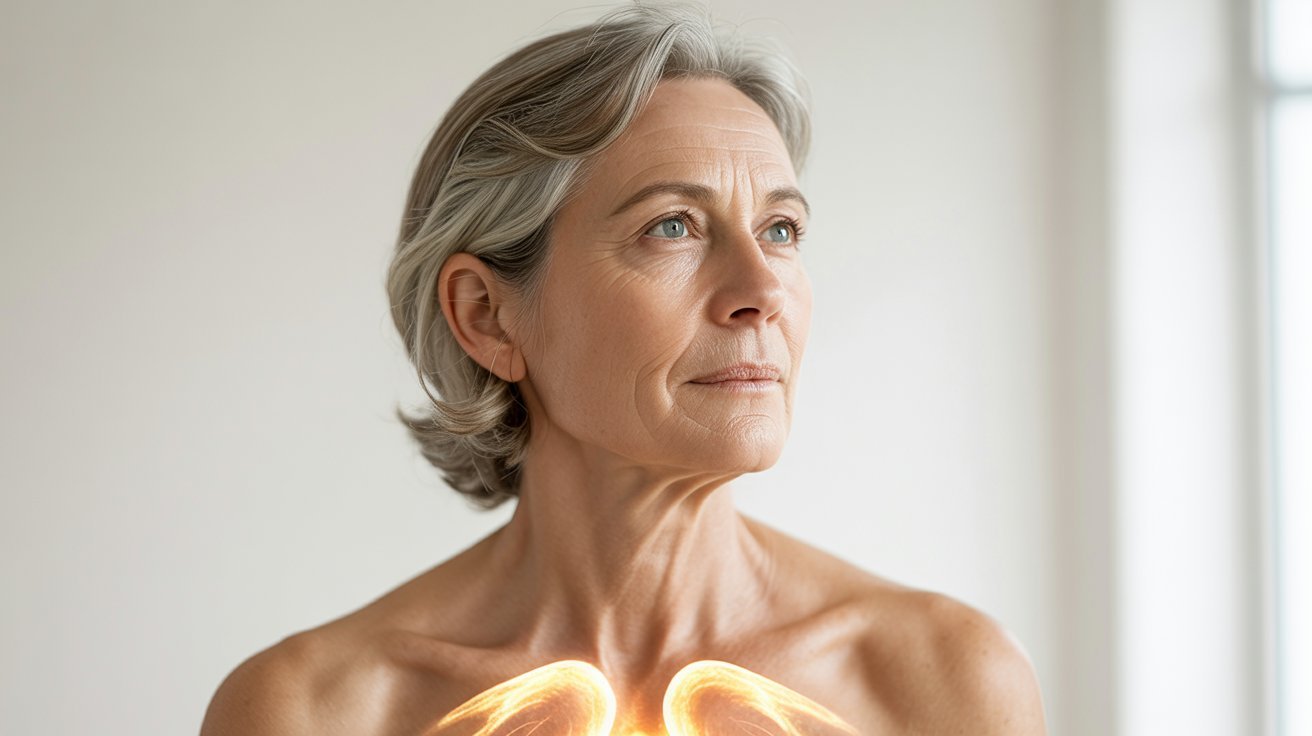
Short-term symptoms are just the start. Over years, untreated sleep apnea can quietly reshape your body and shorten your life.
Chronic Cardiovascular Stress
Years of nightly oxygen drops keep your heart and blood vessels under constant pressure. This steady strain raises the risk of high blood pressure, heart disease, and stroke over time.
Brain Function Decline and Reduced Gray Matter
Repeated low oxygen levels can affect areas of the brain tied to memory and thinking. Studies show sleep apnea can shrink brain regions like the hippocampus, which is key for memory.
Increased Risk of Chronic Diseases Over Time
Years of inflammation and stress on the body raise your risk of diabetes, heart failure, and other long-term conditions. These risks build up slowly, often without clear warning signs.
Possible Link To Accelerated Biological Aging
Research shows that sleep apnea may speed up aging at a cellular level, damaging DNA and shortening telomeres, which protect your cells over time.
Studies suggest this aging process may slow down with proper treatment.
Severe vs Mild Sleep Apnea: How Risk Levels Differ

Not all sleep apnea carries the same level of risk. The severity of your condition plays a big role in how much it affects your health and lifespan.
Mild Sleep Apnea – Minimal Impact on Mortality in Many Cases
Research on mild sleep apnea has not shown a significant rise in all-cause mortality in most studies. Still, it should not be ignored, since it can worsen over time without proper care.
Moderate Sleep Apnea – Mixed but Increasing Risk
Some studies show no major rise in mortality at moderate levels, while others suggest the risk starts to climb at this stage. This makes moderate cases worth watching closely with a doctor.
Severe Sleep Apnea – Highest Risk of Early Death and Complications
Severe, untreated sleep apnea carries a significantly higher risk of early death, even after accounting for age, weight, and other factors. This is the stage where treatment becomes most urgent.
Can Untreated Sleep Apnea Be Fatal?
Sleep apnea rarely causes death on its own and suddenly. Instead, it leads to fatal outcomes through other conditions it creates over time, like heart attacks, stroke, and accidents caused by poor focus.
This makes the danger progressive, not immediate. The damage builds slowly, often unnoticed, until a serious health event occurs.
Severity matters too. People with severe sleep apnea, or other health issues like diabetes or obesity, face a much higher overall risk.
Tips to Reduce Risk While Seeking Treatment
Small daily changes can ease symptoms while you wait for proper treatment. They won't replace medical care, but they can help your body cope better.
- Keep a steady sleep schedule and a cool, dark room. Good sleep habits make it easier for your body to rest properly each night.
- Skip alcohol and sedatives close to bedtime. Both relax your throat muscles too much, making breathing pauses worse.
- Work toward a healthy weight through regular movement. Extra weight, especially around the neck, can add pressure on your airway.
- Try sleeping on your side instead of your back. This simple shift can help keep your airway more open through the night.
- Stay consistent with these habits even after starting treatment. They work best alongside proper medical care, not as a replacement for it.
Conclusion
Untreated sleep apnea is not something to brush aside. It quietly strains your heart, brain, and body, and over time, it can shorten your life.
The good news is that this risk is not fixed. Treatment works, and even small changes can ease the pressure on your body right away.
If you snore loudly, wake up gasping, or feel tired no matter how much you sleep, take it seriously. Talk to a doctor and ask about a sleep study. Your future health may depend on the steps you take today.
Frequently Asked Questions
Can untreated sleep apnea shorten your life?
Yes, especially in severe cases. Long-term studies link untreated sleep apnea to a higher risk of early death, mainly through heart problems and stroke.
How many years can untreated sleep apnea take off your life?
There is no exact number that applies to everyone. The impact depends on severity, age, and other health conditions, but severe untreated cases carry a notably higher risk of early death.
Is mild sleep apnea dangerous?
Mild cases carry a smaller risk compared to moderate or severe sleep apnea. Still, it should be monitored, since it can worsen over time without proper care.
What is the most common cause of death linked to sleep apnea?
Heart-related problems are the leading cause, including heart attacks, heart failure, and stroke. These build up gradually from years of strain on the cardiovascular system.
Can treatment reverse the risks of untreated sleep apnea?
Yes, treatment can lower many of these risks significantly. Using CPAP or other recommended therapy helps protect your heart, brain, and overall health over time.