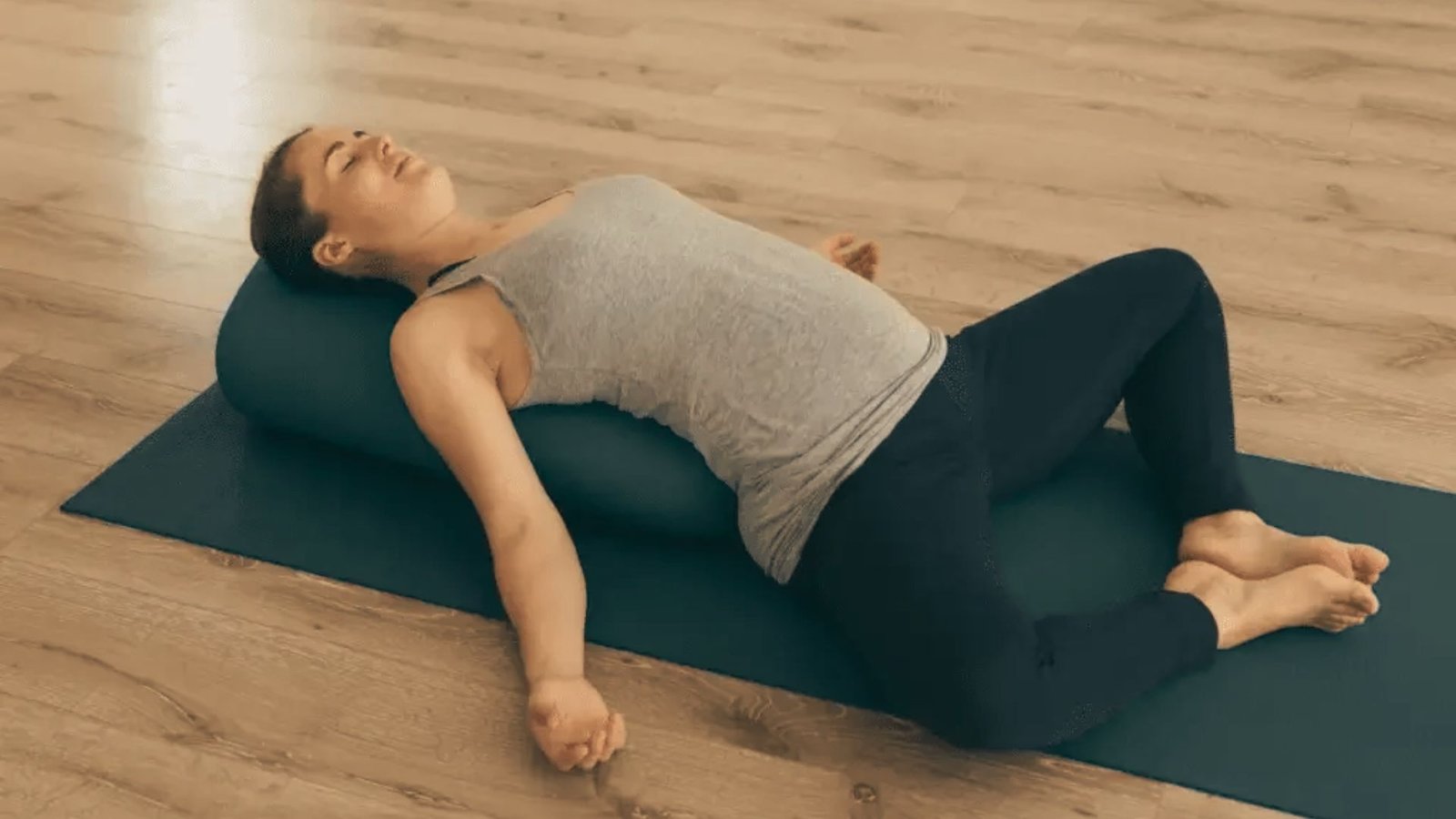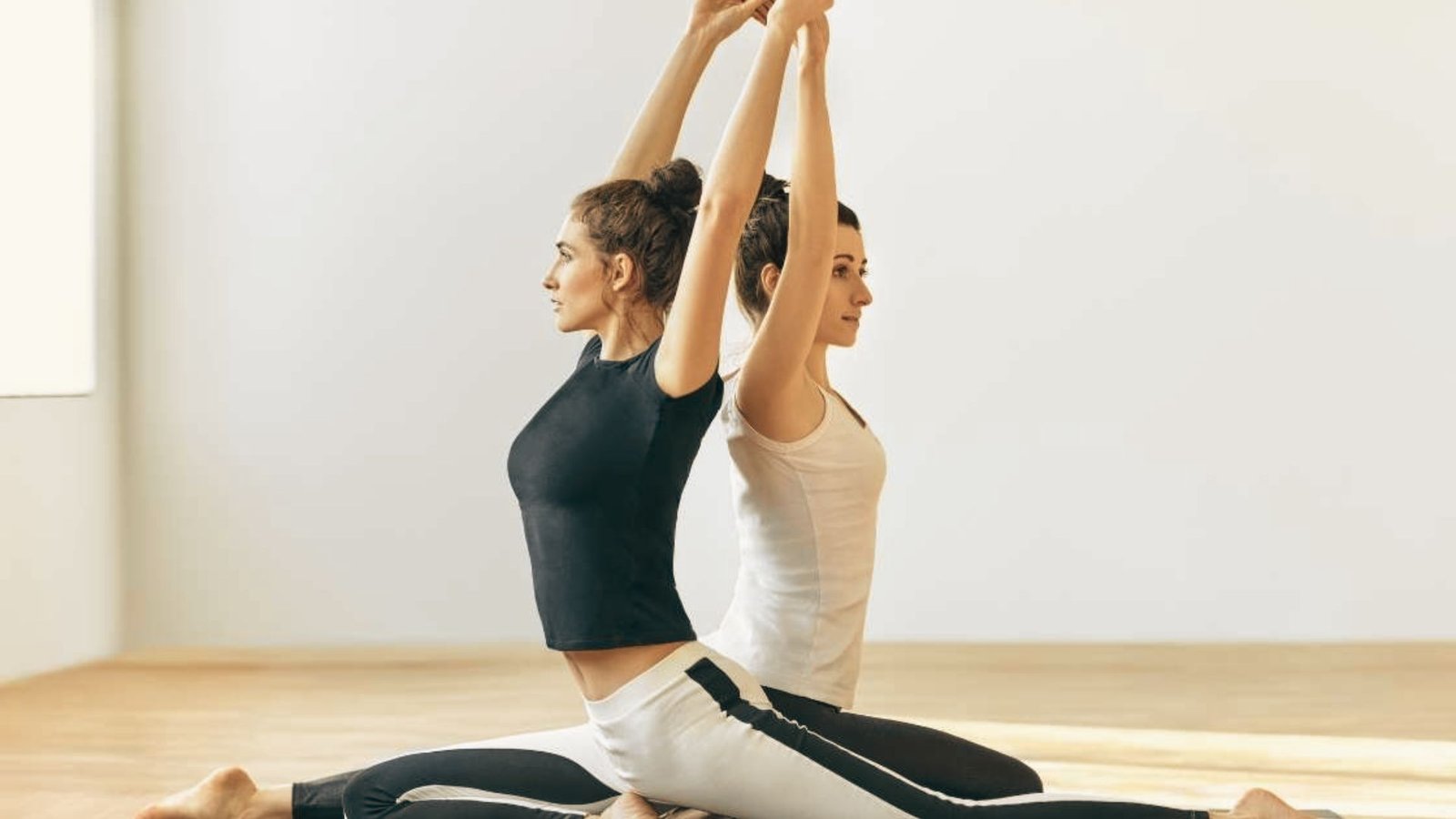
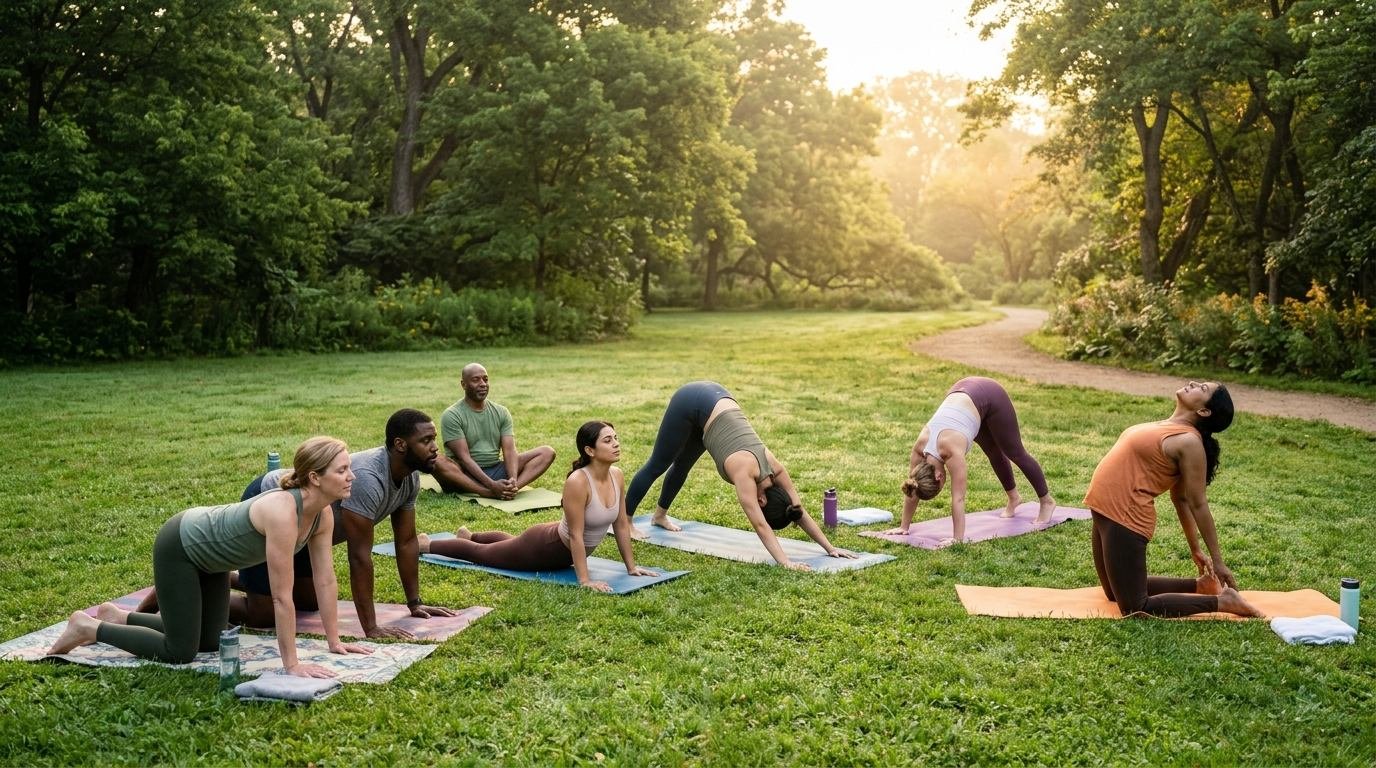
Yoga does not have to be serious or stiff. Sometimes, the best way to get on the mat is by moving like an animal.
In this article, I will walk you through everything you need to know about animal yoga poses, from what they are to how to do them safely.
You will find options for kids, toddlers, adults, and even classroom settings. I have been exploring yoga for years, and animal poses are some of my favorites for making movement feel natural and fun.
This guide covers what these poses are, their key benefits, how to do them correctly, and printable resources and routines to get you started.
What Are Animal Yoga Poses?
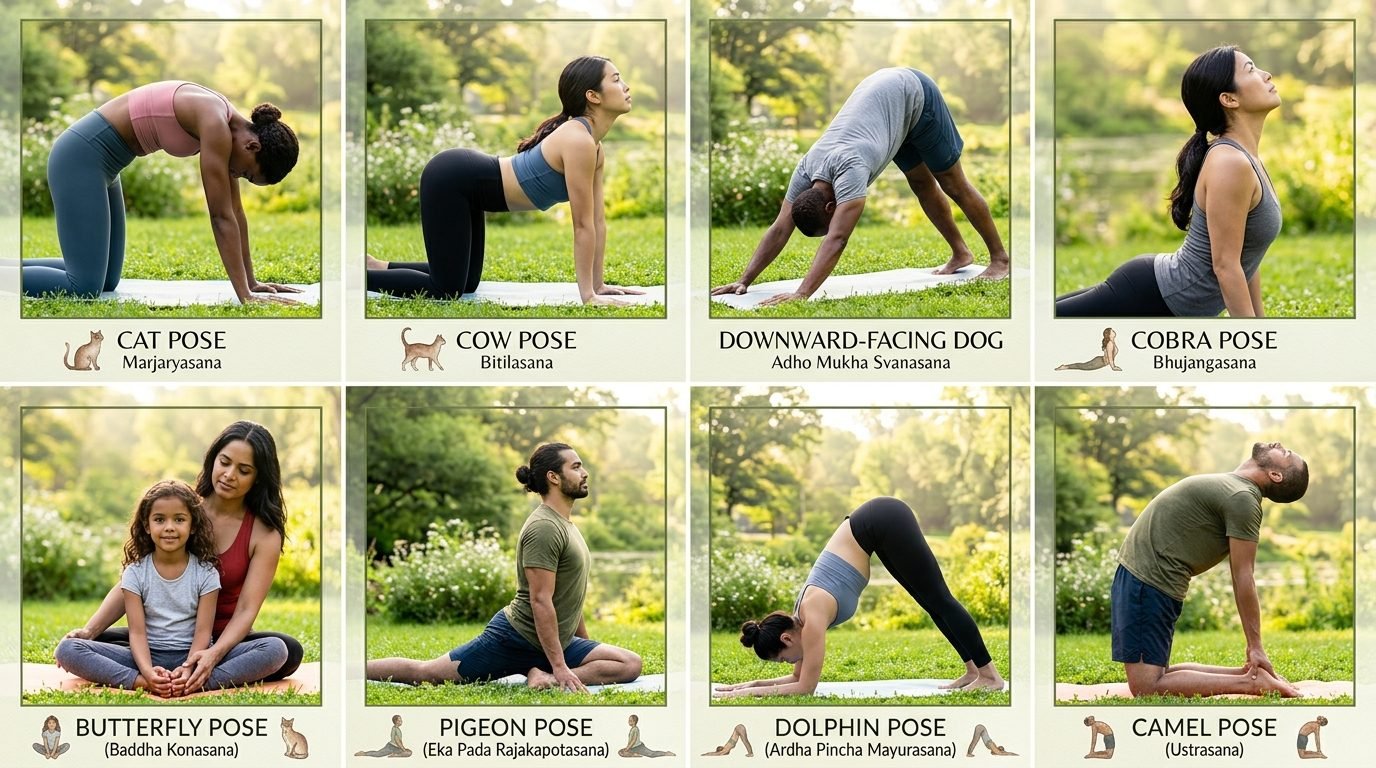
Animal yoga poses are postures influenced by the movements and shapes of animals. They borrow names and forms from creatures like cats, dogs, cobras, butterflies, and more.
Each pose mimics something natural, which makes it easier for your body to understand the movement.
These poses are part of traditional yoga but have grown popular in modern practice, especially for children.
When you move like a cat stretching its back or a dog pushing its hips up, your body naturally falls into alignment. The movement feels less like exercise and more like play.
Animal yoga poses work for all ages and skill levels. You do not need to be flexible or experienced to try them.
They are gentle, grounding, and often done close to the floor. Many of these poses build strength, open tight muscles, and calm the mind at the same time.
That is what makes them so effective for both beginners and long-time practitioners.
Benefits of Animal Yoga Poses
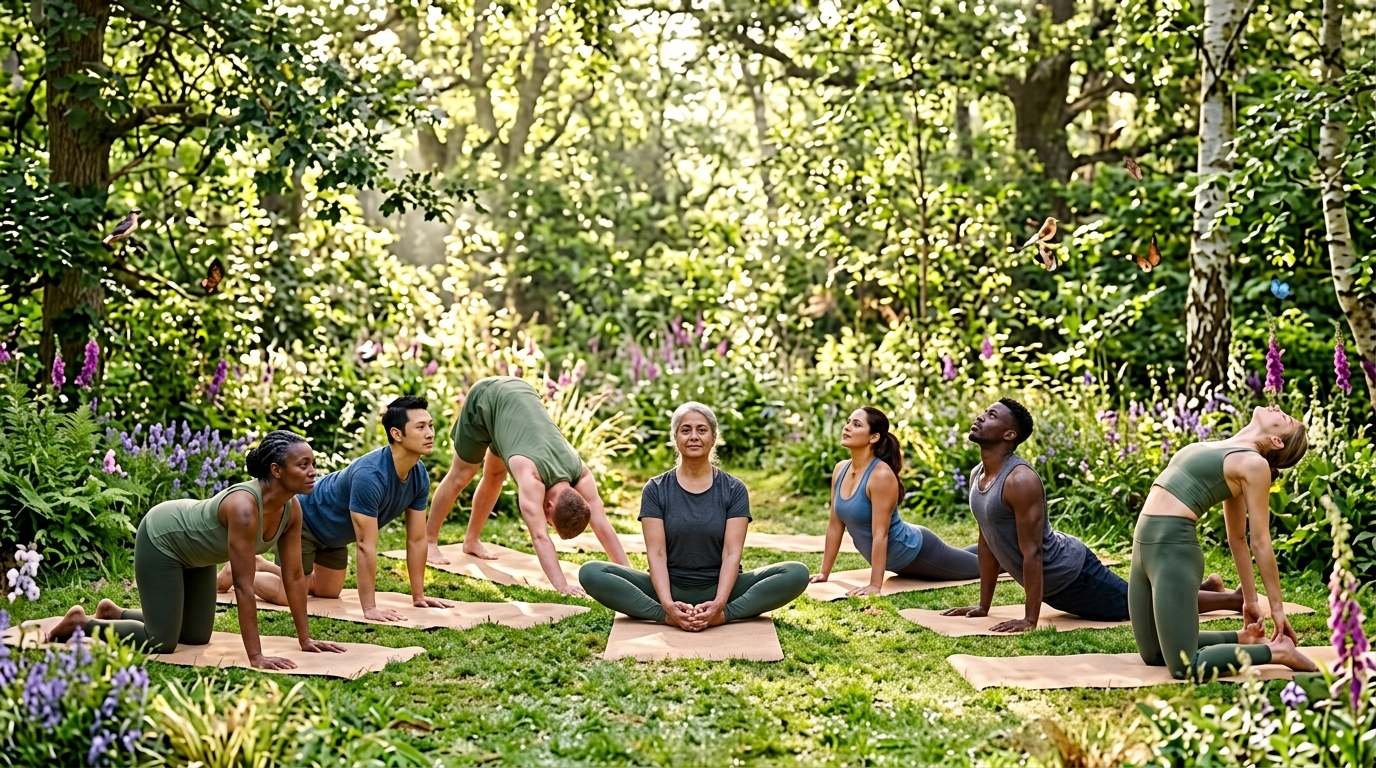
Animal yoga poses offer real physical and mental benefits that go beyond just stretching.
Improve Flexibility and Mobility
Moving through animal-influenced postures gently stretches the muscles and opens up the joints. Over time, this helps your body move more freely in everyday life.
Build Strength and Balance
Many animal poses require you to hold your own body weight. This builds core strength, arm strength, and improves your sense of balance without any equipment.
Reduce Stress and Increase Mindfulness
Slow, intentional movement combined with steady breathing sends a signal to your nervous system to calm down. Animal yoga poses naturally slow you down and bring your attention to the present moment.
Support Physical Development in Children
For kids, animal yoga supports coordination, body awareness, and motor skills. It helps them learn how to control their movements in a way that feels playful rather than forced.
Make Yoga More Engaging and Fun
The animal theme gives yoga a creative angle. It makes practice more enjoyable, especially for those who find traditional yoga too rigid or intimidating.
Easy Animal Yoga Poses for Beginners
These beginner-friendly poses are a great starting point for anyone new to yoga.
Cat-Cow Pose
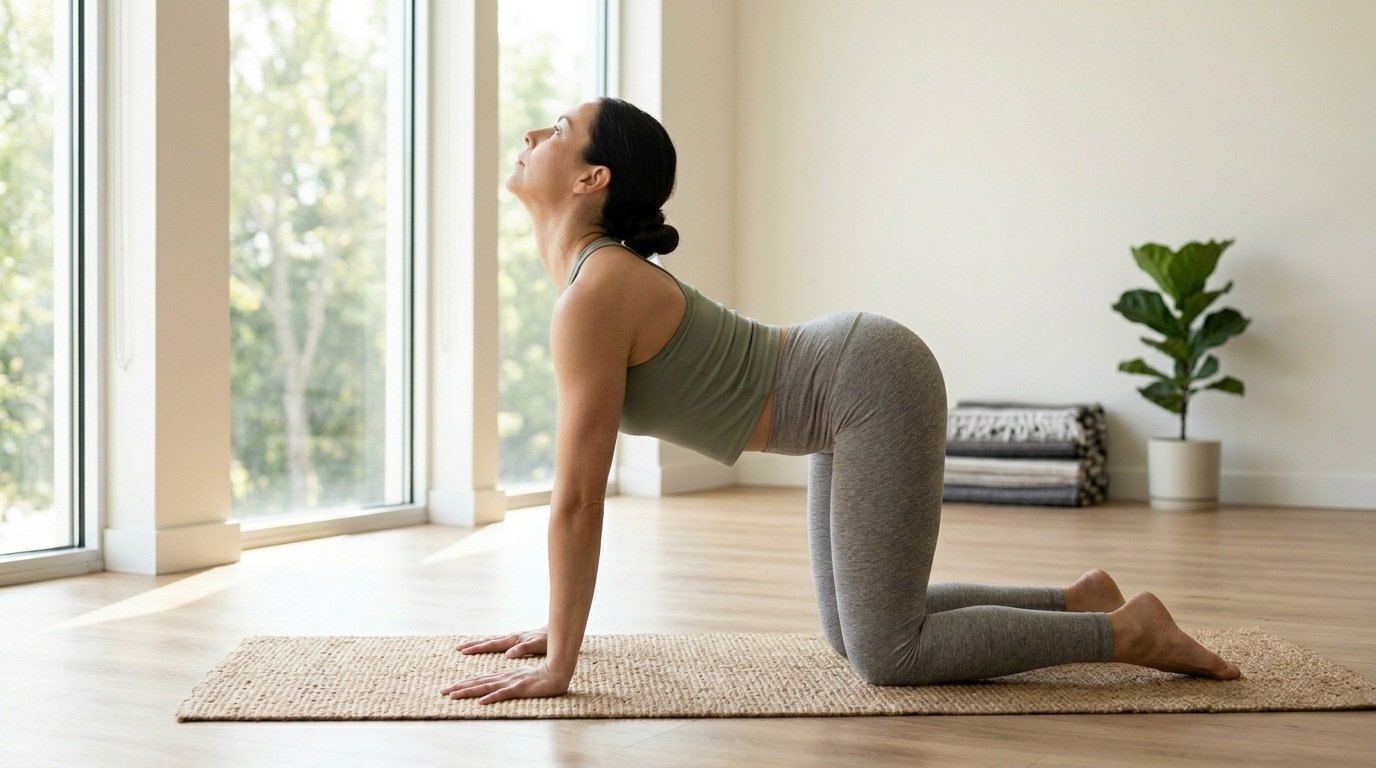
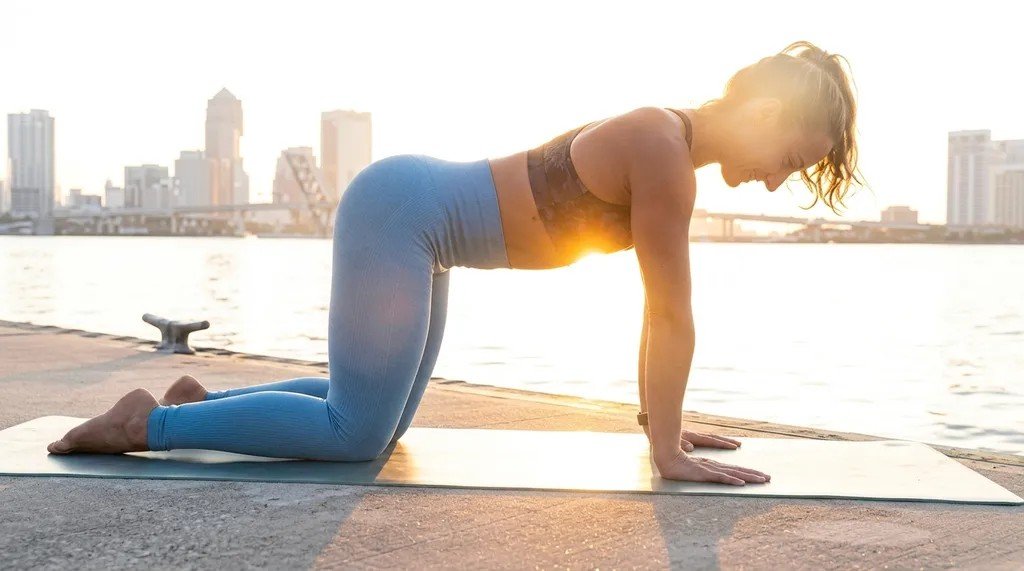
How to do it:Start on your hands and knees with your wrists under your shoulders and knees under your hips. On an inhale, drop your belly, lift your chest and tailbone. That is a cow.
On an exhale, round your spine toward the ceiling and tuck your chin. That is Cat. Move slowly between the two.
Benefits: This pose warms up the spine, releases tension in the back, and syncs breath with movement.
Downward-Facing Dog Pose
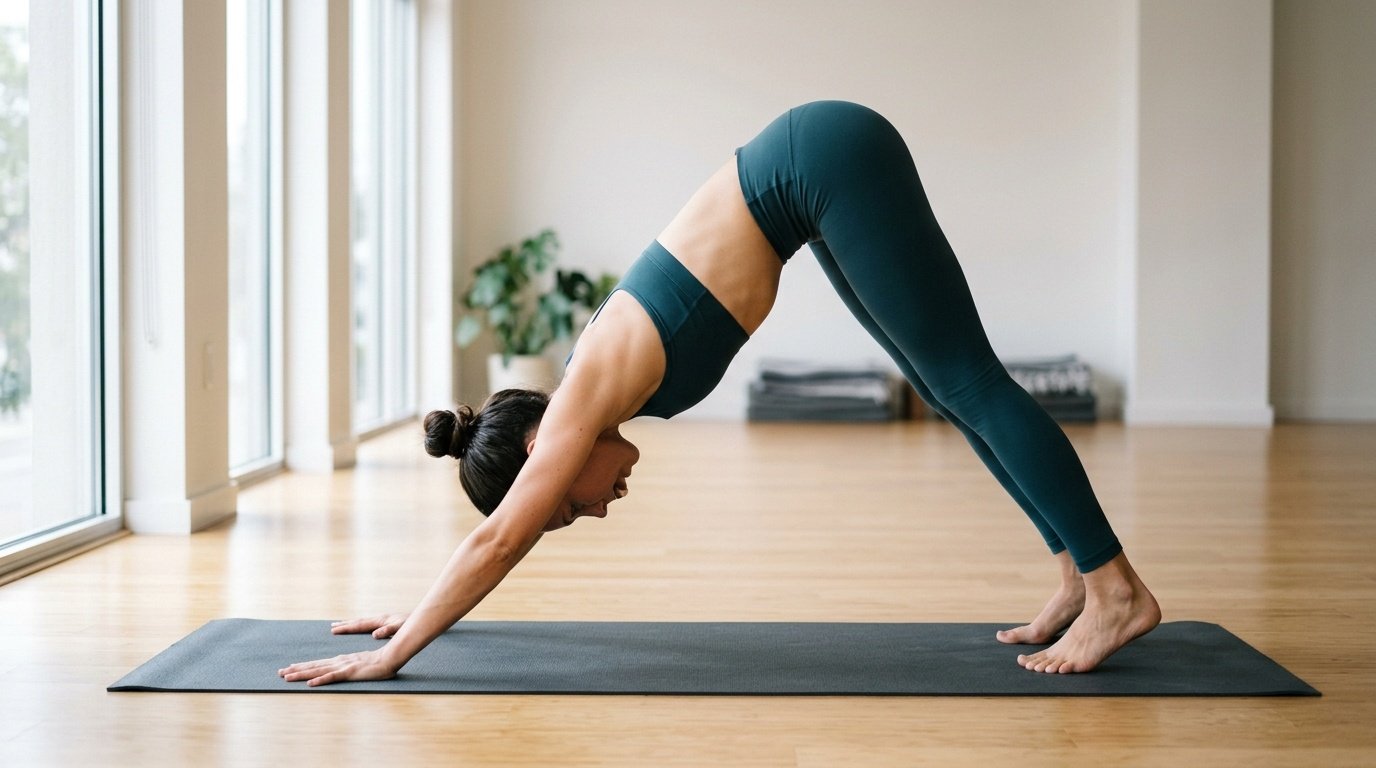
How to do it: From all fours, tuck your toes and lift your hips up and back. Press your palms flat into the mat and straighten your arms.
Keep a slight bend in your knees if your hamstrings feel tight. Hold for five breaths.
Benefits: It stretches the hamstrings, calves, and shoulders while building arm and core strength.
Cobra Pose
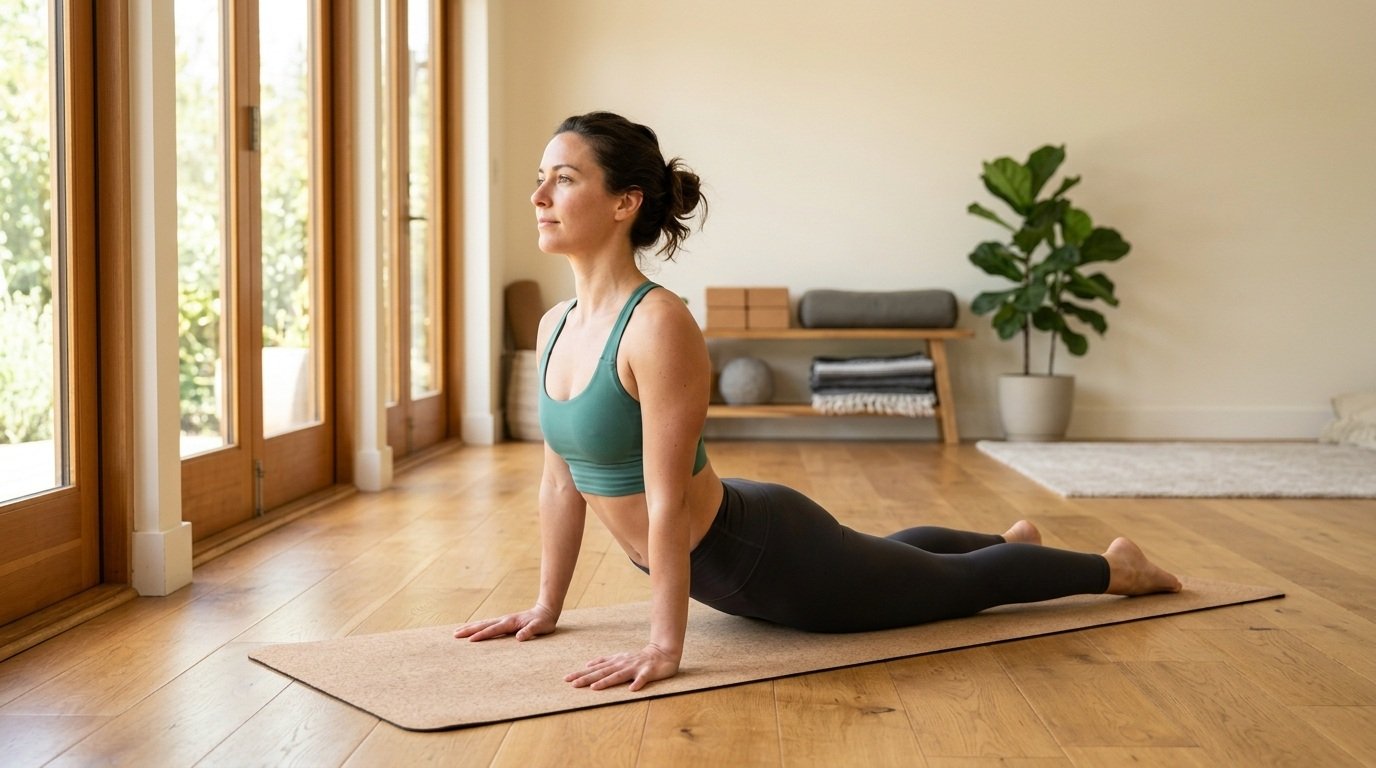
How to do it: Lie on your stomach with your palms flat on the mat near your ribs. On an inhale, press into your hands and lift your chest off the floor.
Keep your elbows slightly bent and your shoulders away from your ears.
Benefits: Cobra opens the chest, strengthens the lower back, and improves posture.
Butterfly Pose
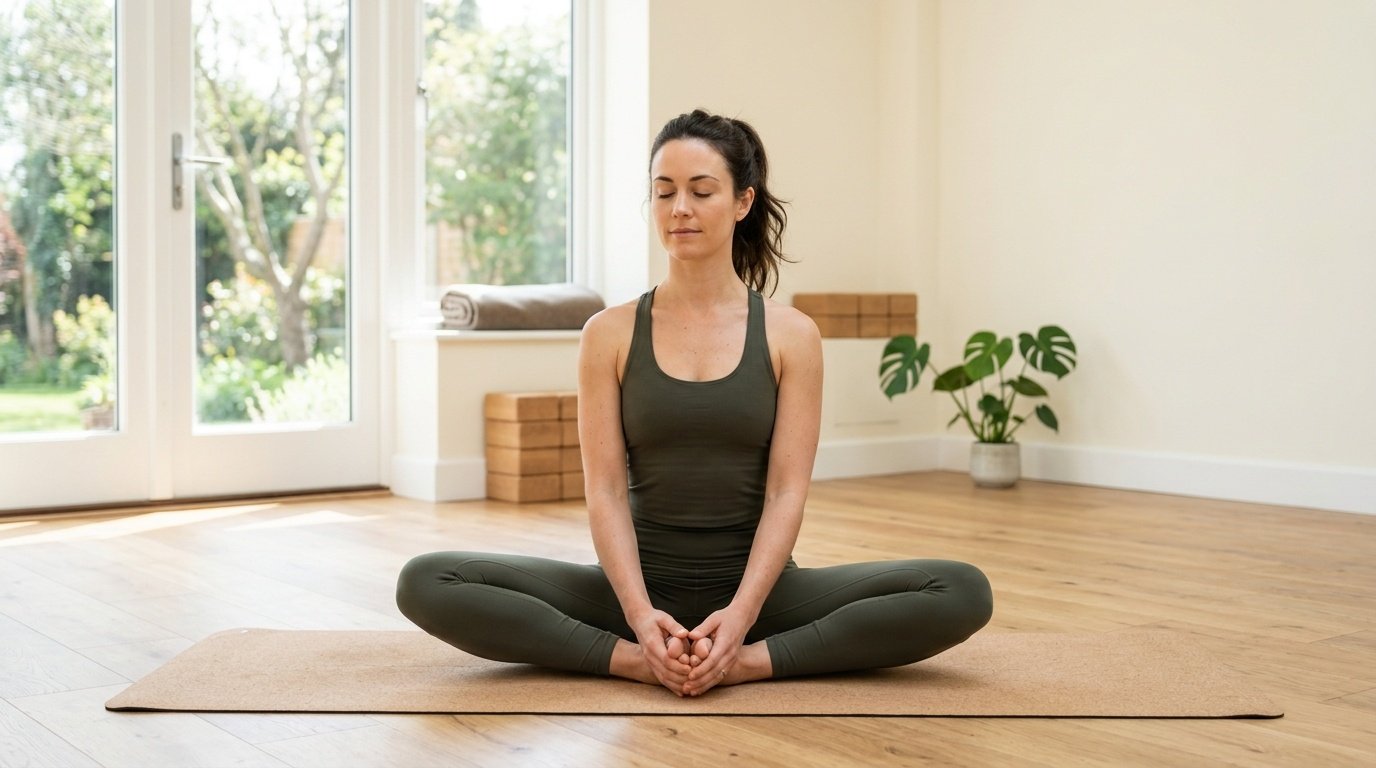
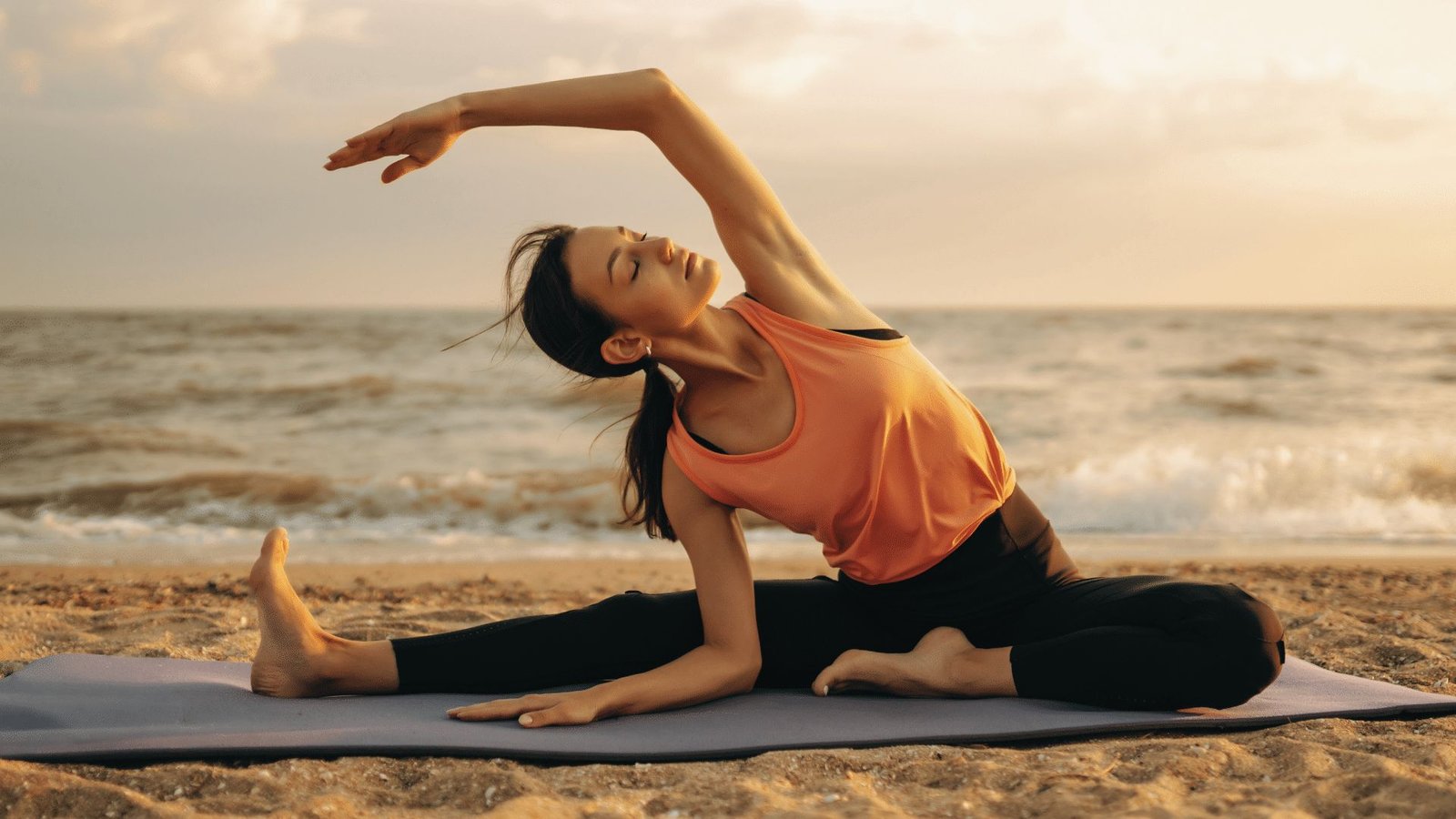
How to do it:Sit on the floor and bring the soles of your feet together. Let your knees fall out to the sides.
Hold your feet with both hands and gently press your knees toward the floor. Stay here and breathe.
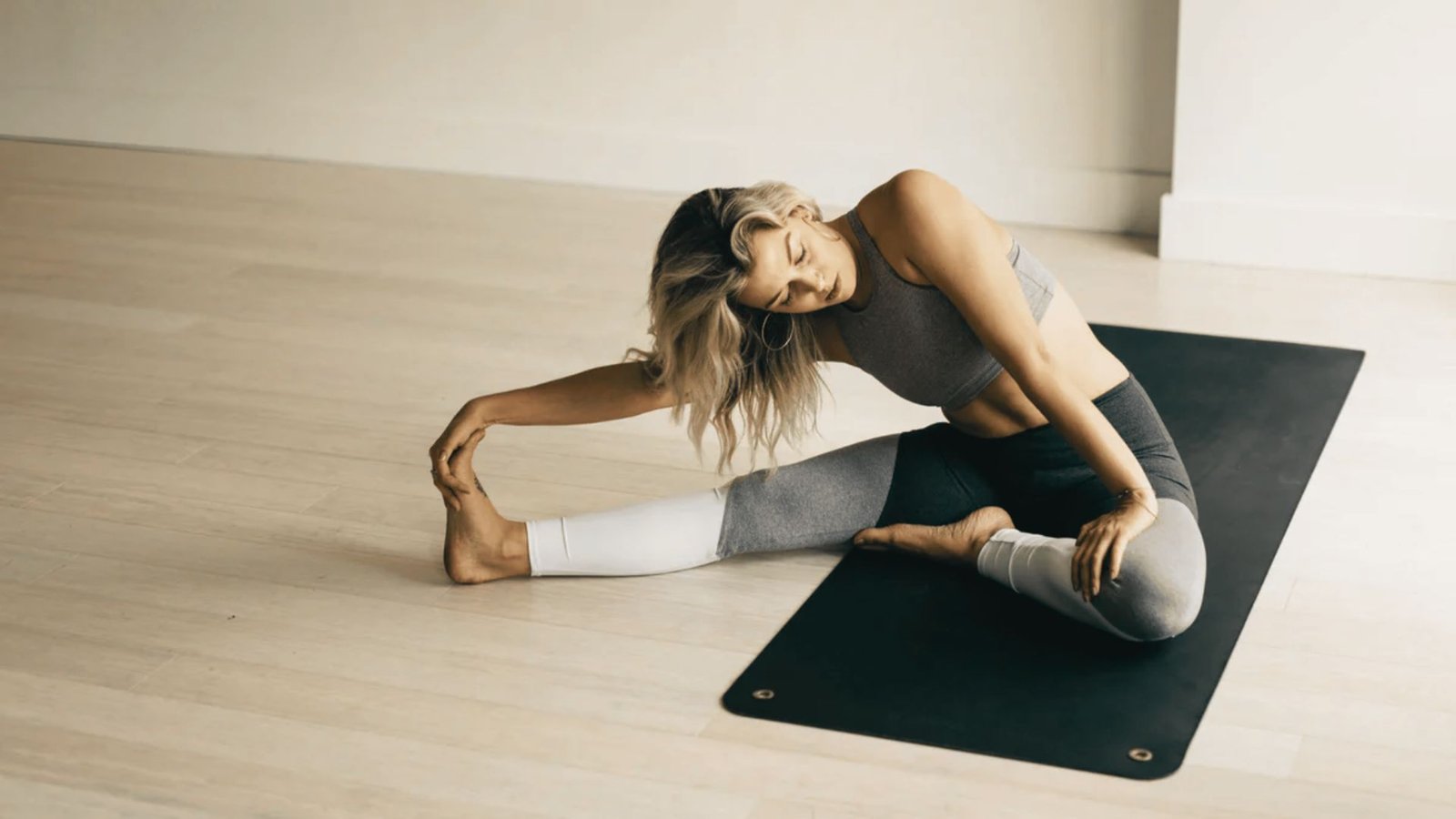
Benefits:This pose stretches the inner thighs and hips, which are often tight from sitting all day.
Fish Pose
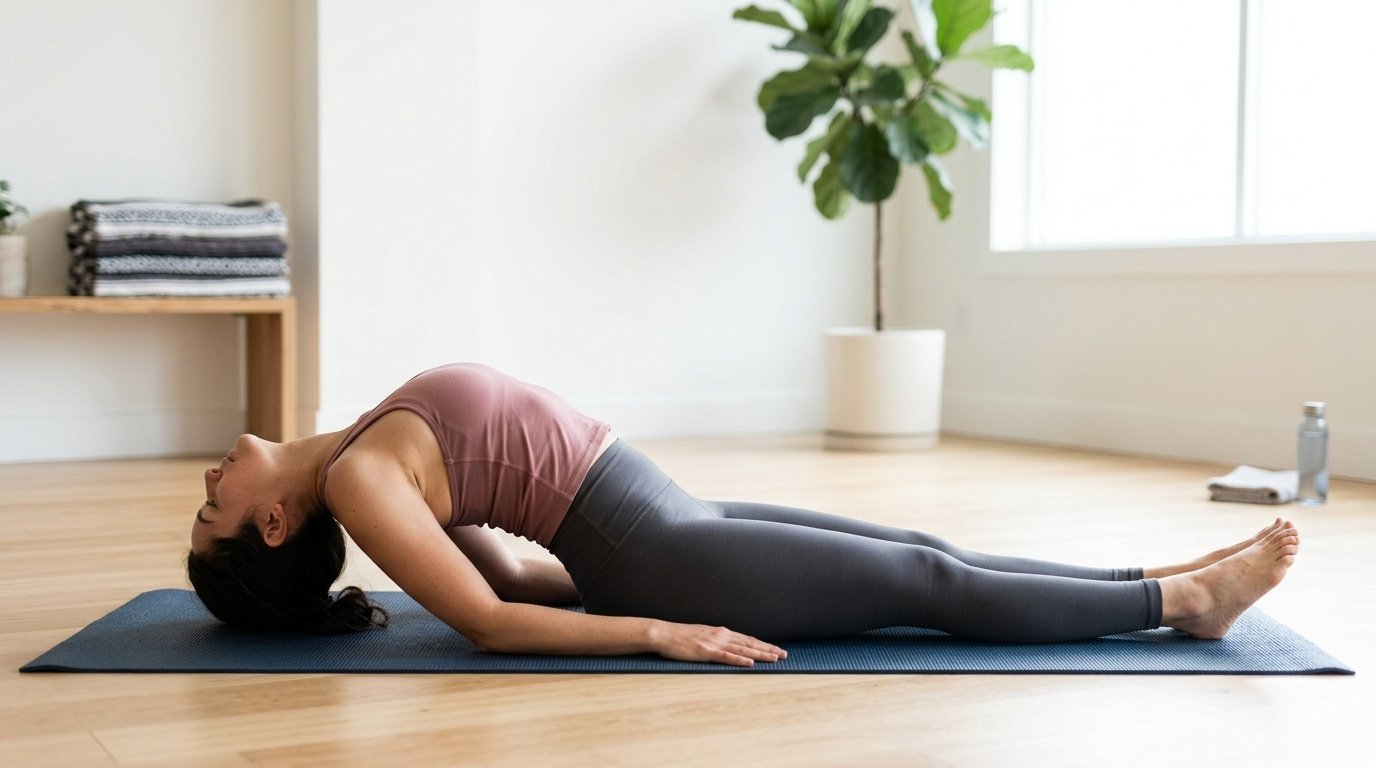
How to do it:Lie on your back with your legs straight. Slide your hands under your hips. Press into your elbows and forearms to lift your chest. Tilt your head back gently so the crown of your head rests on the floor.
Benefits: Fish pose opens the throat, chest, and front of the body. It is great for counteracting rounded shoulders.
Lion Pose
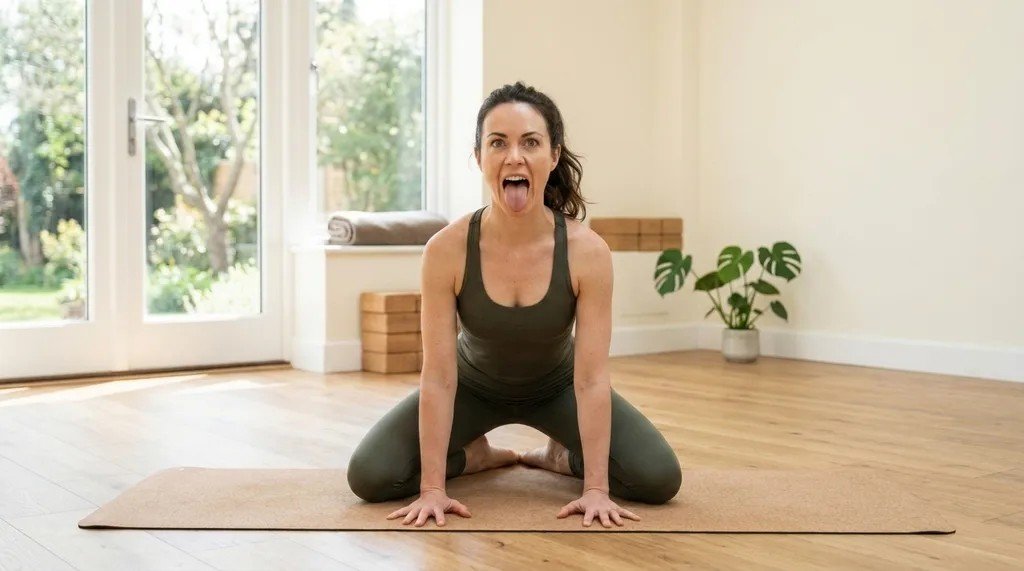
How to do it:Sit back on your heels. Place your hands on your knees with fingers spread wide. Take a deep inhale, then exhale with a big open mouth, stick your tongue out, and look up. This is the lion's roar.
Benefits:Lion Pose releases tension in the face and jaw, areas where many people hold stress. It also feels surprisingly good after a long day.
Elephant-Influenced Stretch
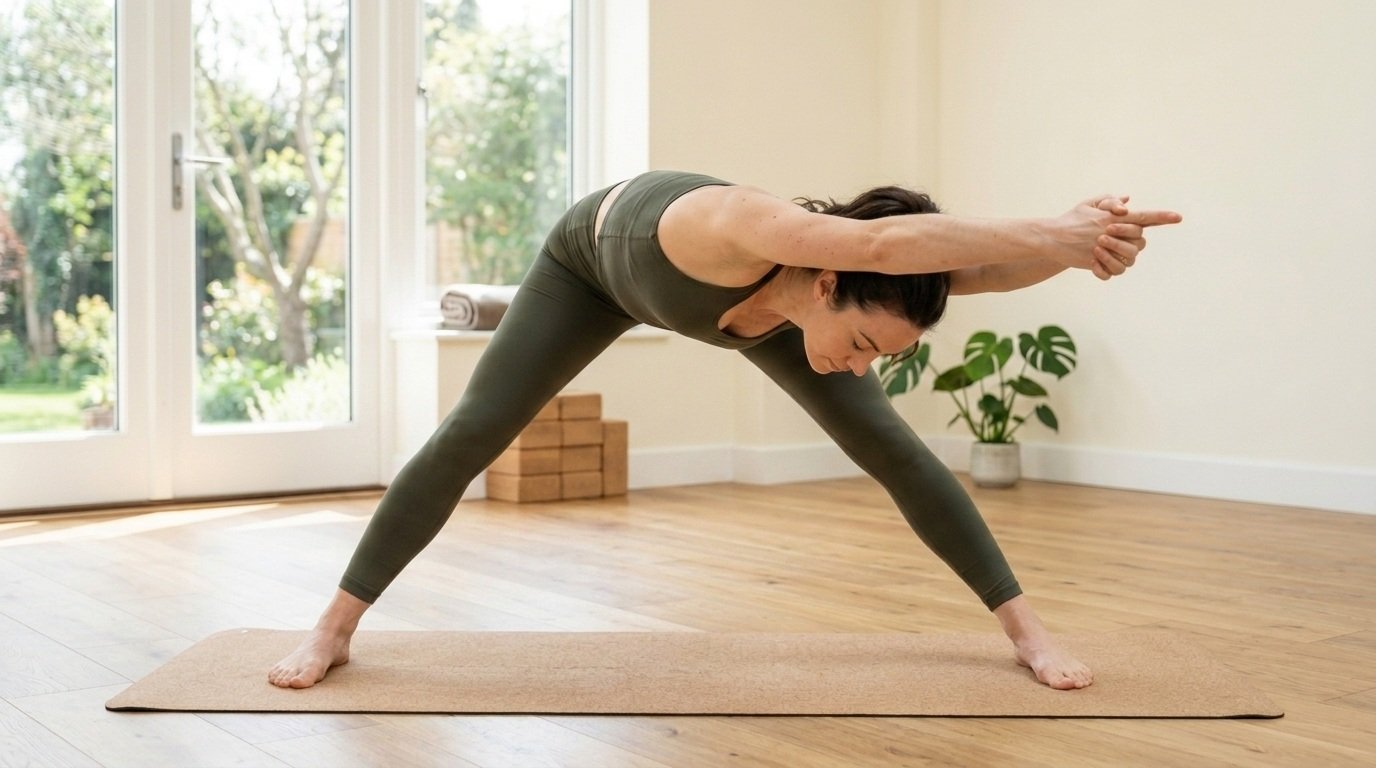
Benefits: This gentle movement loosens the lower back and hips while adding a playful quality to practice.
Giraffe Reach Pose
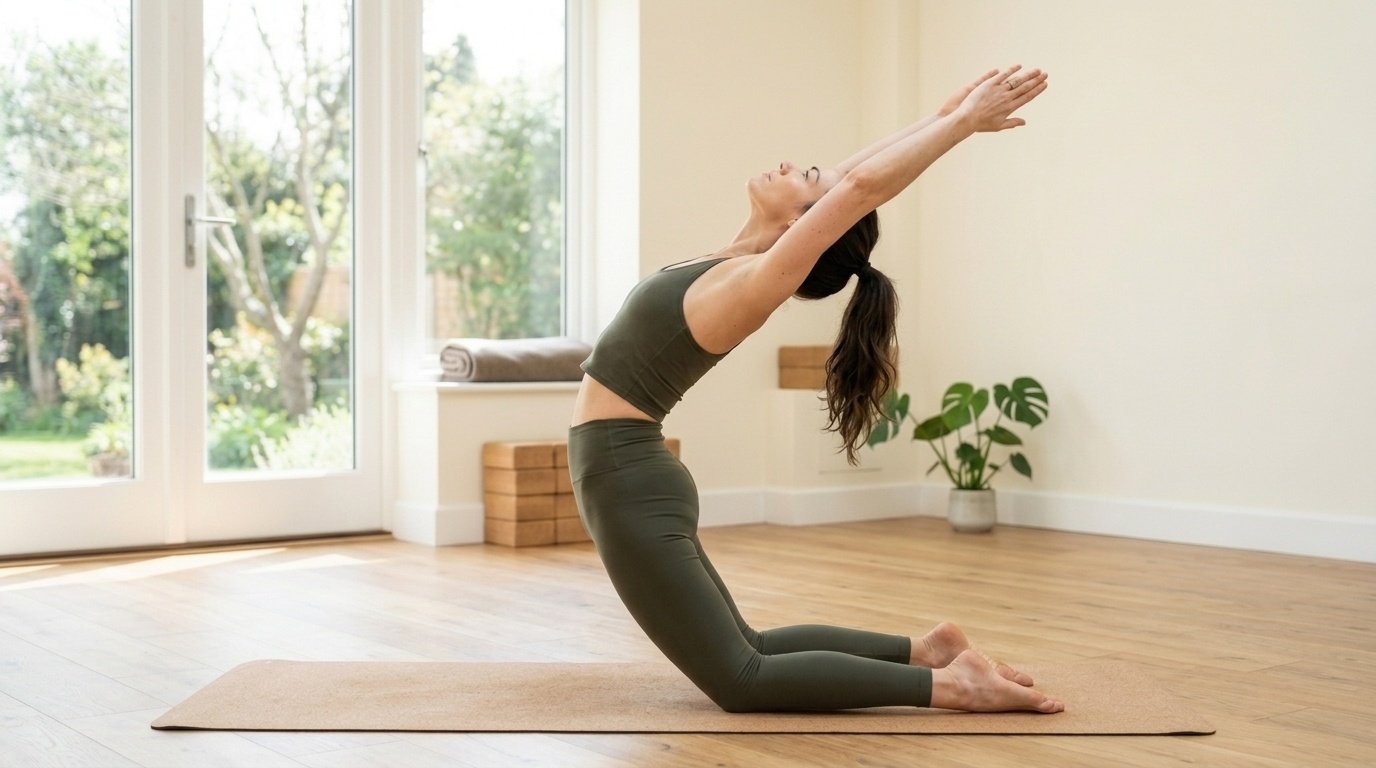
How to do it:Stand tall with feet hip-width apart. Interlace your fingers and reach your arms straight up over your head. Stretch as tall as you can through your whole body from feet to fingertips.
Benefits:This pose lengthens the spine, opens the side body, and improves posture.
Horse-Influenced Stretch
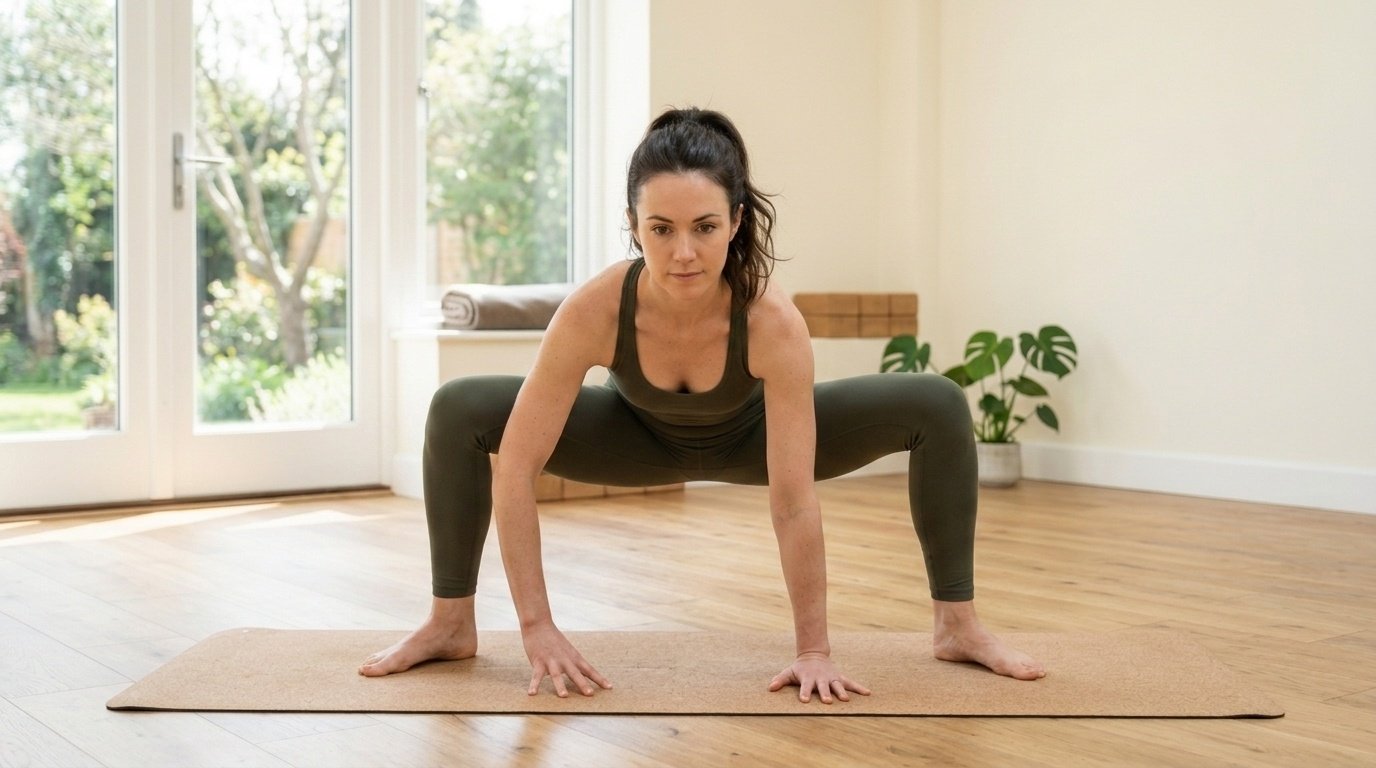
How to do it: Stand with feet wide apart and toes pointing out. Bend your knees and sink your hips low into a wide squat. Place your hands on your thighs and hold the position steady.
Benefits: This strengthens the inner thighs and hips while improving lower body endurance.
Tips for Getting the Most Out of Animal Yoga Poses
Small adjustments in how you practice can make a big difference in your results and enjoyment.
- Start slow and simple. Pick two or three poses to begin with. You do not need to learn everything at once to see real benefits.
- Use animal sounds and stories with kids. Children stay engaged longer when each pose has a name, a sound, or a short story attached to it.
- Focus on your breath, not perfection. The pose does not have to look exact. As long as you are breathing steadily, you are doing it right.
- Practice consistently over practicing long. Ten minutes three times a week will get you further than one long session done occasionally.
- Make it a family activity. Doing animal yoga together keeps everyone motivated and turns a solo habit into shared time well spent.
Conclusion
Animal yoga poses are one of those things that seem simple at first but end up giving you a lot more than expected.
I started with basic Cat-Cow stretches and kept coming back because it felt good and easy to stick with.
If you are just getting started, pick two or three poses and try them today. You do not need a perfect setup or a lot of time.
Have you tried any of these poses with your kids or on your own? I would love to hear what worked for you.
Drop a comment below and share this post with someone who could use a little movement in their day.
Frequently Asked Questions
What are the easiest animal yoga poses for beginners?
Cat-Cow, Butterfly, and Cobra are great starting points. They are low to the ground, gentle on the joints, and easy to follow without prior experience.
Can toddlers do animal yoga poses safely?
Yes, toddlers can try simple poses like Cat stretch and Butterfly with adult supervision. Keep sessions short and playful, and never force a position.
How often should kids practice animal yoga?
Even two to three times a week makes a difference. Short daily sessions of five to ten minutes are also effective and easy to fit into a routine.
Are animal yoga poses good for stress relief in adults?
Yes. Poses like Fish, Butterfly, and Child's Pose activate the body's calming response. When combined with slow breathing, they are effective tools for managing everyday stress.
Where can I find printable animal yoga poses for kids?
Many educational and yoga websites offer free printable cards. You can also create your own using simple illustrations and basic pose instructions for a more personal touch.