Yoga is becoming a popular part of men's fitness routines, and for good reason.
It does more than improve flexibility. Regular yoga practice can build strength, support better posture, improve mobility, reduce stress, and help the body recover after exercise.
It can also make everyday movements feel easier and help you stay active as you get older. You do not need to be highly flexible or experienced to start.
A few sessions each week can bring steady benefits over time.
In this guide, you will learn 15 benefits of yoga for men and see how this simple practice can support both your physical and mental health.
Why Are More Men Adding Yoga to Their Fitness Routine?
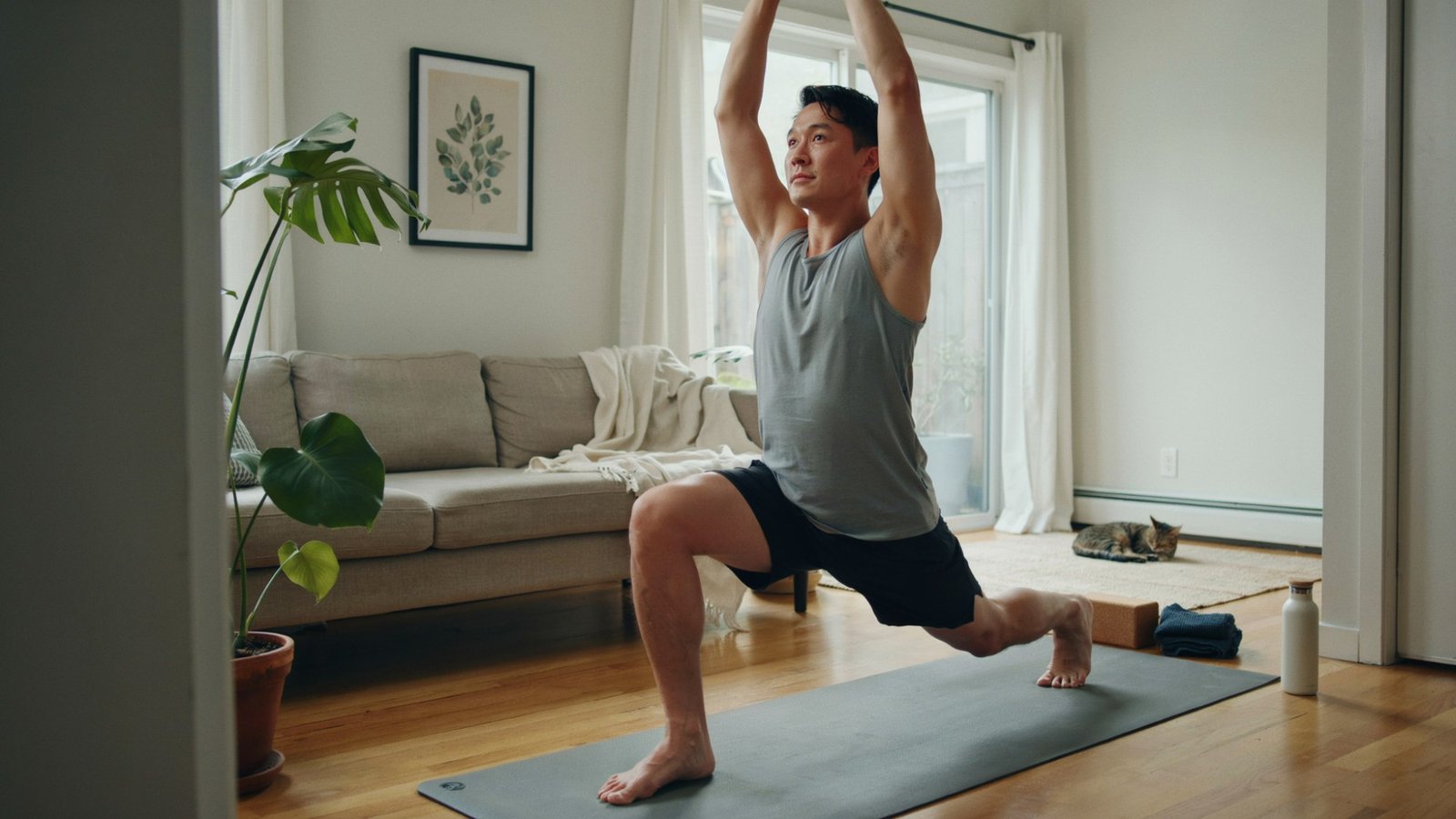
For years, many men saw yoga as only a stretching activity. That view has changed.
More athletes, office workers, and fitness coaches now include yoga in their weekly routine.
Yoga trains strength, flexibility, balance, breathing, and focus at the same time. It can help ease muscle tightness from sitting for long hours and support recovery after hard workouts.
Studies have also linked regular yoga practice with lower stress and better sleep.
Since it works for beginners and experienced exercisers alike, more men are giving yoga a place in their fitness plans.
15 Benefits of Yoga for Men for Strength, Flexibility and Health

Yoga is more than a way to stretch and relax.
Regular practice can help your body stay strong, flexible, balanced, and active for many years.
Read on to see 15 ways yoga can support your health now and help you move better as you get older.
1. Yoga Builds Full Body Strength
Many yoga poses ask you to hold your body weight in different positions.
Planks, chair pose, and warrior poses work the arms, legs, core, and back at the same time. Unlike some exercises that target only one muscle group, yoga builds strength across the whole body.
Holding poses also improves muscle endurance. Men who practice yoga often notice better control during daily activities and workouts.
Stronger muscles can help you lift with better form and may lower the risk of getting hurt.
2. Yoga Improves Flexibility and Makes Daily Movement Easier
Tight muscles can make simple movements feel uncomfortable.
Yoga stretches the hips, hamstrings, shoulders, and back through controlled movements. Better flexibility can make bending, reaching, and twisting feel easier.
Many men who spend hours sitting at a desk or driving experience stiffness in these areas. Regular yoga practice can gradually increase range of motion and reduce that tight feeling.
Better flexibility also supports exercise performance because muscles and joints can move more freely during activities.
3. Yoga Helps Men Move Better and Reduces Stiffness
Mobility means how well your joints and muscles move together.
Poor mobility can affect posture, exercise form, and comfort during daily tasks. Yoga uses flowing movements and stretches that encourage the body to move through different positions.
This can help reduce stiffness that often develops from long periods of sitting or repetitive activities. Improved mobility can make walking, climbing stairs, lifting objects, and exercising feel smoother.
Many men also notice that their bodies feel less tight after consistent practice.
4. Yoga Improves Posture and Helps You Stand Taller
Long hours spent at desks, looking at phones, or driving can lead to rounded shoulders and poor posture.
Yoga strengthens the core, upper back, and muscles around the spine that help keep the body aligned. It also stretches areas that become tight from sitting for long periods.
Better posture can reduce strain on the neck and lower back. Standing and sitting with proper alignment may also improve breathing and make everyday movement feel more comfortable and less tiring.
5. Yoga Supports Better Balance and Body Control
Balance becomes more important with age, but it matters at every stage of life.
Yoga poses such as tree pose and warrior III ask the body to stay stable while muscles work together. These movements train coordination and body awareness.
Better balance can support sports performance and make everyday tasks easier. It may also lower the risk of falls and minor injuries.
Men who practice yoga often become more aware of how their bodies move and react during different activities.
6. Yoga Helps Lower Stress and Calm the Mind
Stress affects both physical and mental health.
Yoga combines movement with slow and controlled breathing, which can help calm the nervous system. Research has shown that yoga may lower stress hormones and support relaxation.
Many men find that even a short yoga session leaves them feeling more focused and mentally refreshed. Lower stress levels can also support heart health, improve sleep quality, and make it easier to handle daily demands without feeling mentally exhausted.
7. Yoga Can Help Men Sleep Better at Night
Good sleep is important for recovery, energy, and overall health.
Stress, screen time, and busy schedules can make it difficult to get quality rest. Yoga encourages relaxation by slowing breathing and easing physical tension.
Gentle poses before bed may help the body prepare for sleep. Men who practice yoga regularly often report falling asleep more easily and waking up feeling more refreshed.
Better sleep can also improve mood, support muscle recovery, and help maintain healthy energy levels.
8. Yoga Helps Ease Back and Neck Pain
Back and neck discomfort are common among men who sit for long hours or perform repetitive tasks.
Yoga can help by strengthening muscles that support the spine and stretching tight areas around the hips, shoulders, and back. Improved posture and mobility may reduce strain on painful areas.
Gentle yoga movements can also increase blood flow to muscles and support recovery. Many people notice less stiffness and better comfort in daily activities after practicing yoga consistently.
9. Yoga Supports Heart Health and Blood Flow
Heart health depends on many factors, including stress levels, physical activity, and blood pressure.
Yoga may support the cardiovascular system by encouraging movement and relaxation at the same time. Regular practice has been linked with lower stress and improvements in blood pressure in some studies.
Deep breathing exercises may also support healthy circulation. Yoga is not a replacement for other forms of exercise, but it can be a useful addition to a balanced fitness routine that supports long term health.
10. Yoga Improves Focus and Mental Clarity
Yoga asks you to pay attention to your breathing, body position, and movement.
This practice of staying present can improve concentration and mental awareness. Many men deal with mental fatigue caused by long work hours and constant distractions.
Taking time for yoga can provide a break and help clear the mind. Better focus may improve productivity, decision making, and performance during exercise.
Regular practice can also help you feel calmer and more mentally prepared for daily challenges.
11. Yoga Helps the Body Recover After Workouts
Hard workouts place stress on muscles and joints.
Yoga uses gentle stretches and controlled breathing that can help reduce muscle tightness and improve blood flow. Many athletes use yoga on recovery days because it helps the body relax and move better.
Less stiffness after exercise can make it easier to return to training. Regular yoga practice may also help reduce soreness and support better movement patterns, which are important for long term fitness and injury prevention.
12. Yoga Can Reduce the Risk of Sports Injuries
Many sports injuries happen because of tight muscles, poor balance, or limited mobility.
Yoga works on all these areas at once. It strengthens small supporting muscles that are often missed during regular workouts and improves joint movement.
Better body awareness also helps men move with more control during exercise and sports activities.
While no activity can fully prevent injuries, adding yoga to a fitness routine may help lower the chances of strains, muscle pulls, and movement related issues.
13. Yoga Supports Healthy Breathing and Better Stamina
Breathing exercises are a key part of yoga practice.
They teach the body to take slower and deeper breaths instead of short and shallow ones. Better breathing can help the body use oxygen more efficiently during physical activity.
Many men notice that they feel calmer and less tired during exercise after practicing breathing techniques regularly. Improved breathing habits may also support heart and lung health and make activities such as walking, running, and cycling feel easier over time.
14. Yoga Helps Men Stay Active as They Get Older
As men age, it is common to lose flexibility, balance, and muscle strength.
Yoga helps work on all three areas together. Regular practice keeps joints moving, strengthens muscles, and supports better posture. These benefits can make daily activities easier and help maintain independence later in life.
Many older adults practice yoga because it can be adapted to different fitness levels and does not place heavy stress on the body. Staying active through yoga may support better mobility and overall health for many years.
15. Yoga Supports Better Overall Health and Well Being
Good health depends on more than strength and fitness.
Sleep, stress levels, movement, and mental focus also play major roles. Yoga brings these areas together in one practice.
It supports physical health through movement and flexibility while also helping the mind relax through breathing and focus exercises.
Over time, these combined effects can help men feel more energetic and better prepared for daily demands. Even a few sessions each week can contribute to healthier habits and improved quality of life.
What Simple Tips Make Yoga Easier to Stick With?
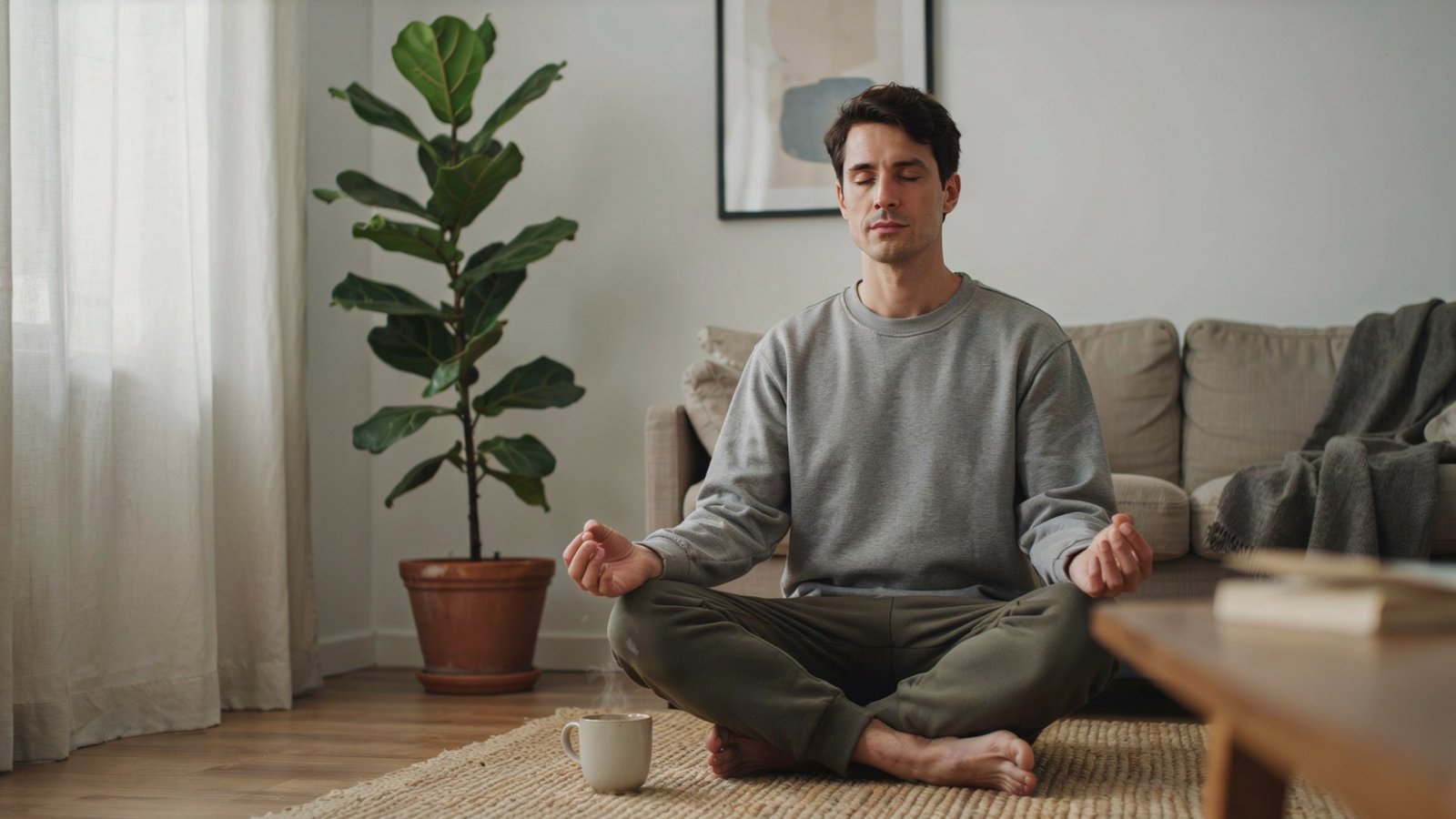
Set small and realistic goals in the beginning.
Choose a regular time for practice so it becomes part of your daily schedule. Focus on how your body feels instead of trying advanced poses too quickly.
Using a yoga mat in a quiet space can help create a comfortable routine. Joining a class or practicing with a friend may also keep motivation high.
Over time, the positive changes in movement, energy, and stress levels often make people want to continue practicing.
Conclusion
Yoga is not about touching your toes or doing hard poses.
It is about helping your body move well and feel strong for years to come. Even a few minutes of practice each week can make a real difference in your strength, flexibility, and overall health.
The best time to start is now and the best pace is your own.
Have you tried yoga before? Share this article or leave a comment and tell us about your experience.
Frequently Asked Questions
Is yoga good for men?
Yes. Yoga can help men build strength, improve flexibility, lower stress, and support better overall health.
Can yoga build muscle in men?
Yoga uses body weight exercises that work many muscle groups. Regular practice can improve strength and muscle endurance.
How often should men do yoga?
Most beginners can start with two or three sessions each week. Even short sessions can provide health benefits over time.
Is yoga better before or after a workout?
Both options can work well. Yoga before exercise can improve mobility, while yoga after exercise may help reduce muscle tightness.
Can yoga help men lose weight?
Yoga can support weight management by keeping the body active and lowering stress. It works best when combined with healthy eating and regular exercise.