
Have you ever felt tired, stressed, or just a little off, even when nothing seems wrong? You're not alone. Most adults feel this way at some point, and the answer often comes down to one thing: wellness.
Wellness activities are simple actions that support your mind and body. They matter because they help you feel more balanced, focused, and ready to handle daily life.
Self-care plays a big part in this too. When you take care of yourself, your overall health improves, both physically and mentally.
The good news? You don't need big changes. Small daily habits, like stretching, journaling, or taking a short walk, can make a real difference over time. Ready to feel better? Let's get started.
Why Wellness Activities Are Important for Adults
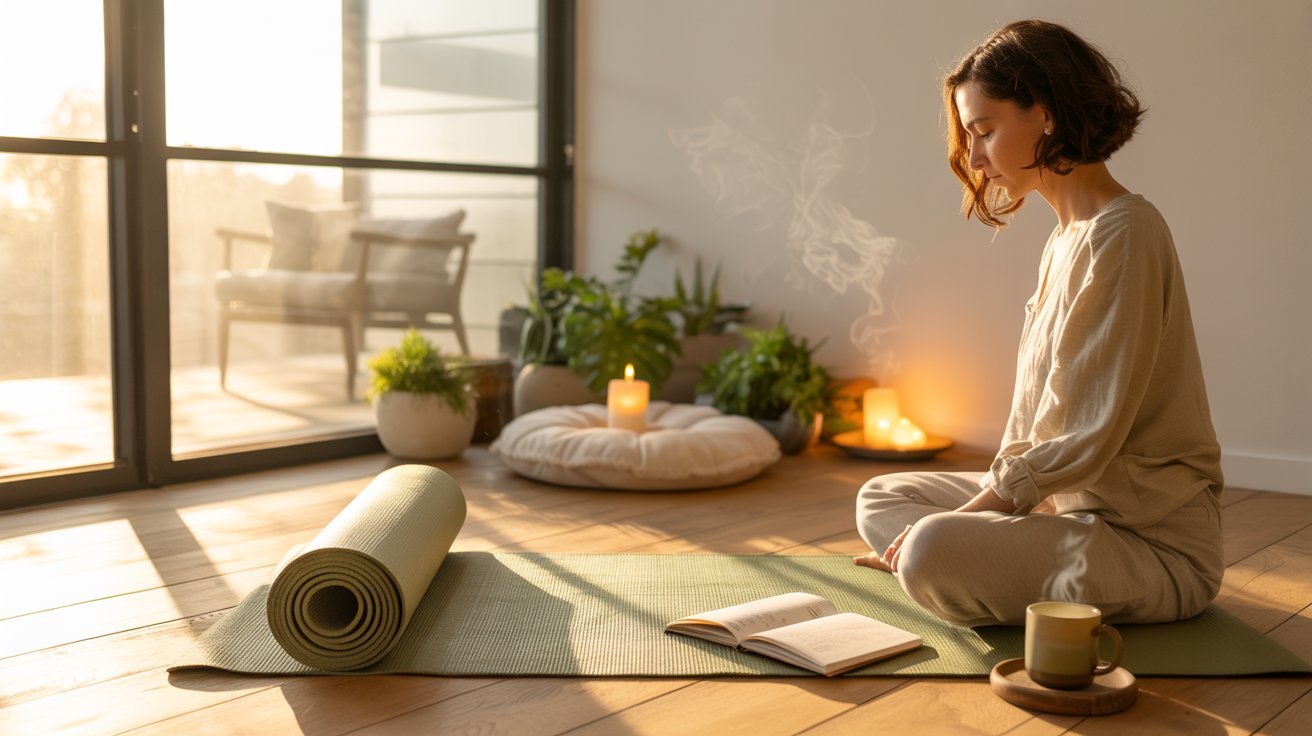
Wellness activities offer real benefits for adults. Physically, they boost energy, improve sleep, and support a stronger immune system.
Mentally and emotionally, they help ease anxiety, lift your mood, and build a more positive mindset. They also play a big role in lowering stress, since simple actions like deep breathing or light movement calm your nervous system almost instantly.
Over time, these habits shape a healthier daily routine, one where you feel more in control, more energized, and better prepared to handle whatever the day brings.
List of 37 Wellness Activities for Adults
Wellness doesn't need to be complicated. These 37 simple activities cover your body, mind, and emotions, so you can pick what fits your life and start feeling better today.
1. Take a Daily Walk Outdoors

Walking outside clears your head and gets your body moving. Fresh air and sunlight boost your mood and energy.
Even a short 15 minute walk can lower stress and help you think more clearly for the rest of the day.
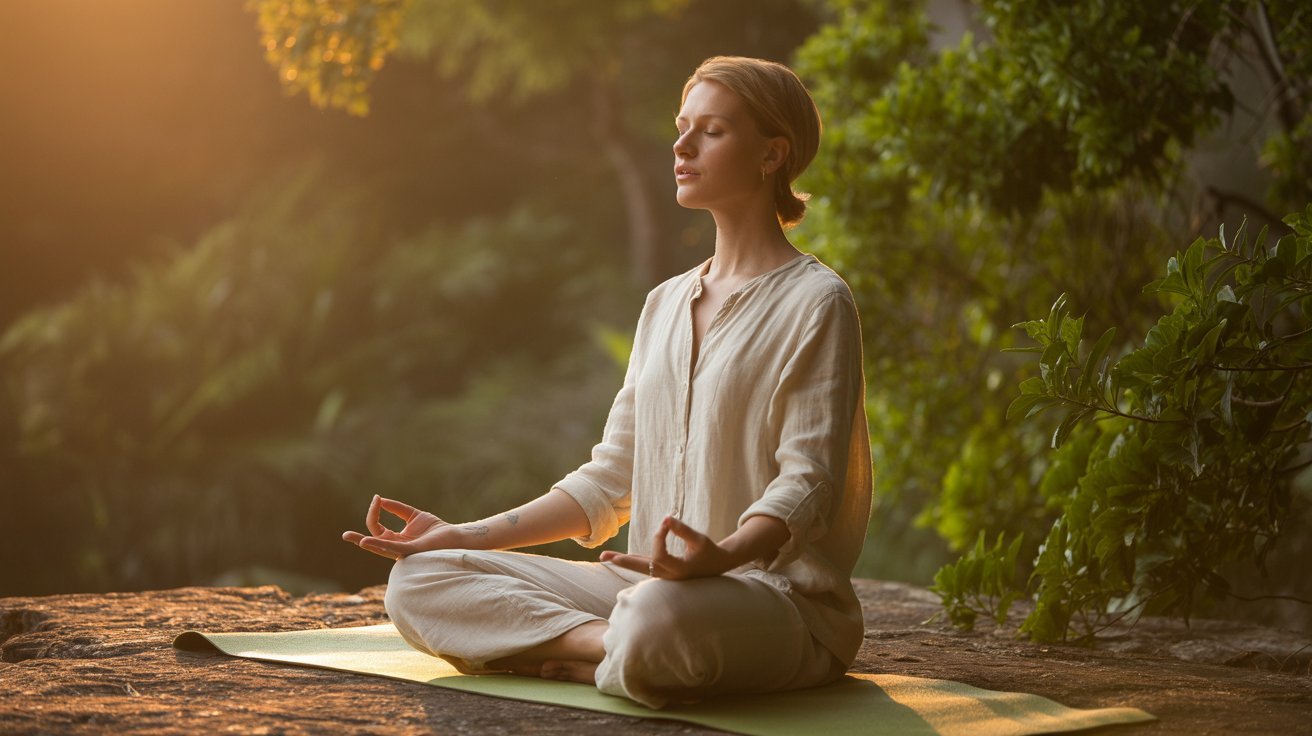
2. Practice Mindfulness Meditation
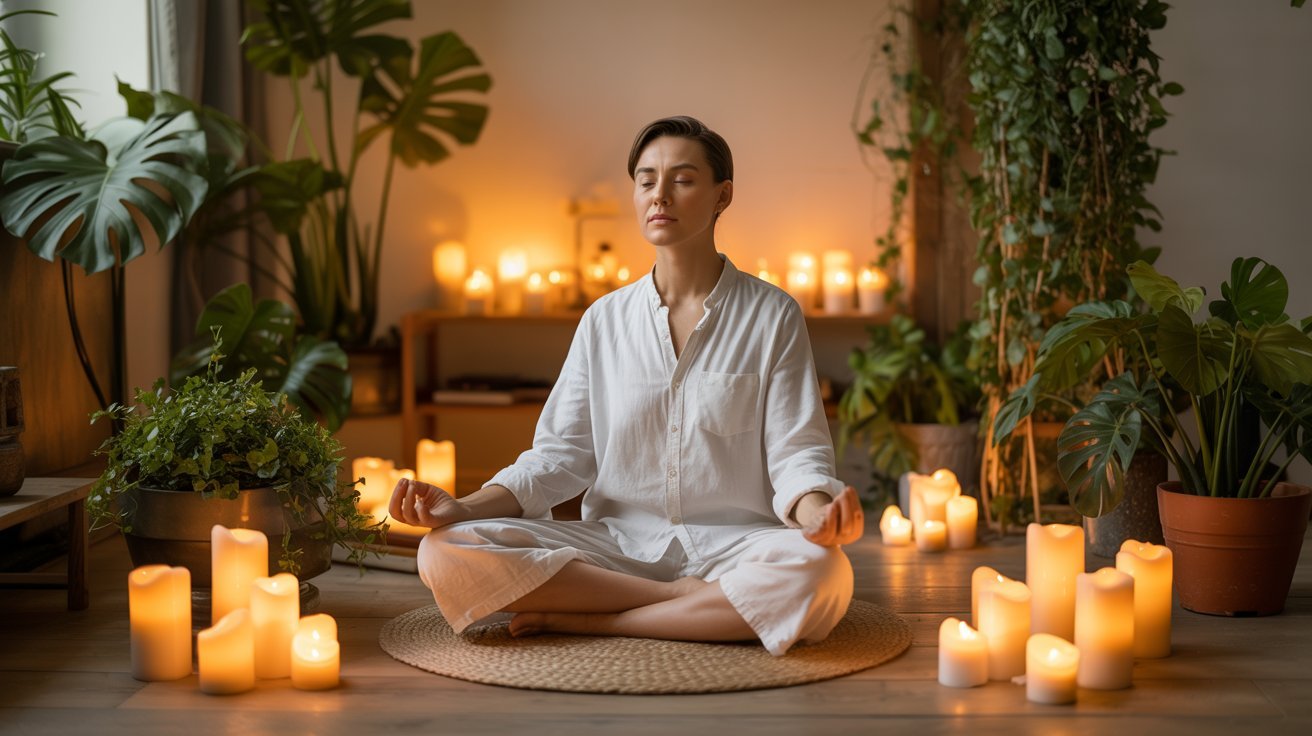
Mindfulness meditation teaches you to focus on the present moment.
Just five to ten minutes a day can calm racing thoughts, reduce anxiety, and help you respond to stress with more patience instead of reacting right away.
3. Keep a Gratitude Journal

Writing down three things you're grateful for each day shifts your focus toward the positive.
Over time, this simple habit can improve your mood, lower stress, and help you notice more good moments in daily life.
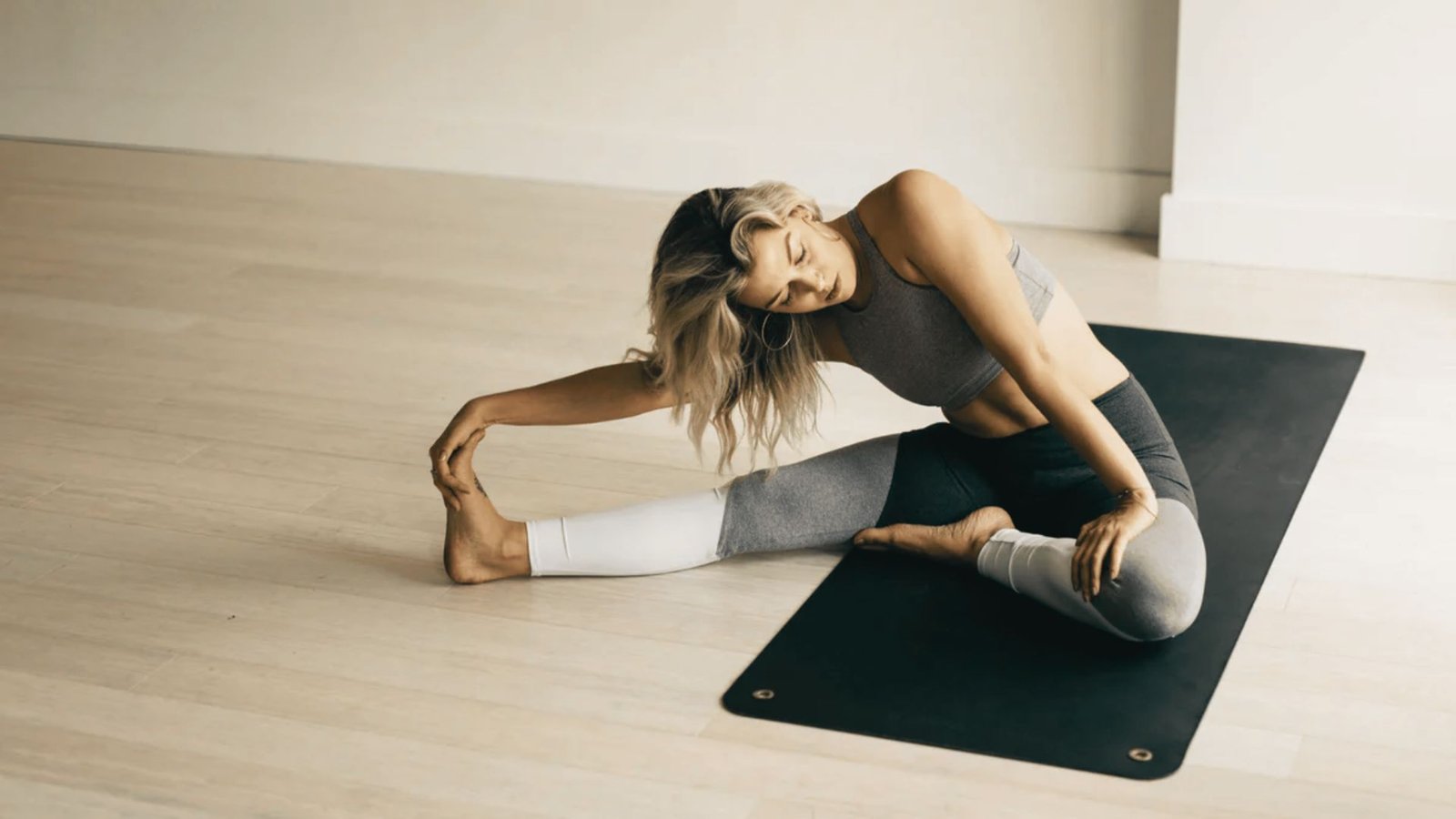
4. Stretch for 10 Minutes Each Morning
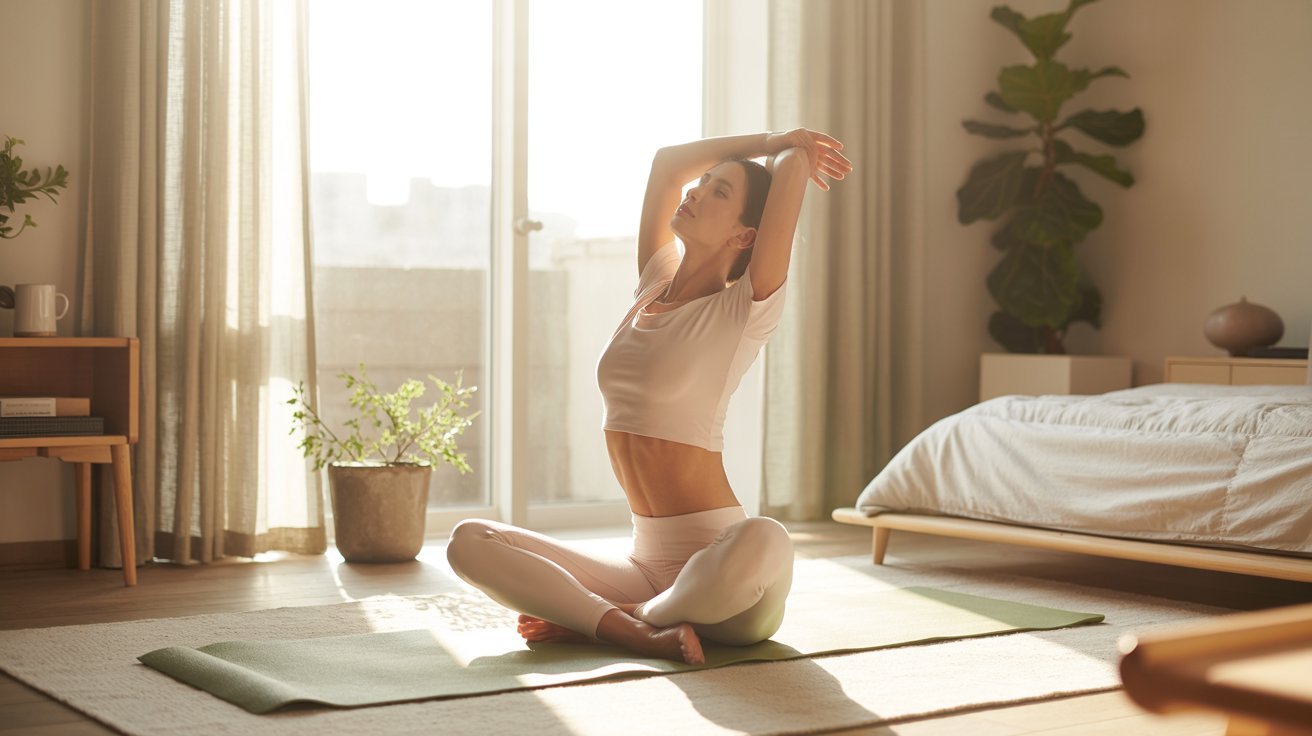
A short morning stretch wakes up your muscles and joints. It improves blood flow, reduces stiffness, and sets a calm tone for your day.
You don't need equipment, just a few minutes and some open floor space.
5. Drink More Water Throughout the Day

Staying hydrated supports your energy, digestion, and focus. Many adults forget to drink enough water during busy days.
Keep a bottle nearby and sip regularly. Your body and brain both work better when you're hydrated.
6. Read a Book for Personal Growth

Reading helps you learn, relax, and grow at the same time. Whether fiction or nonfiction, even 20 minutes a day can lower stress, sharpen your focus, and give your mind a break from screens.
7. Spend Time in Nature
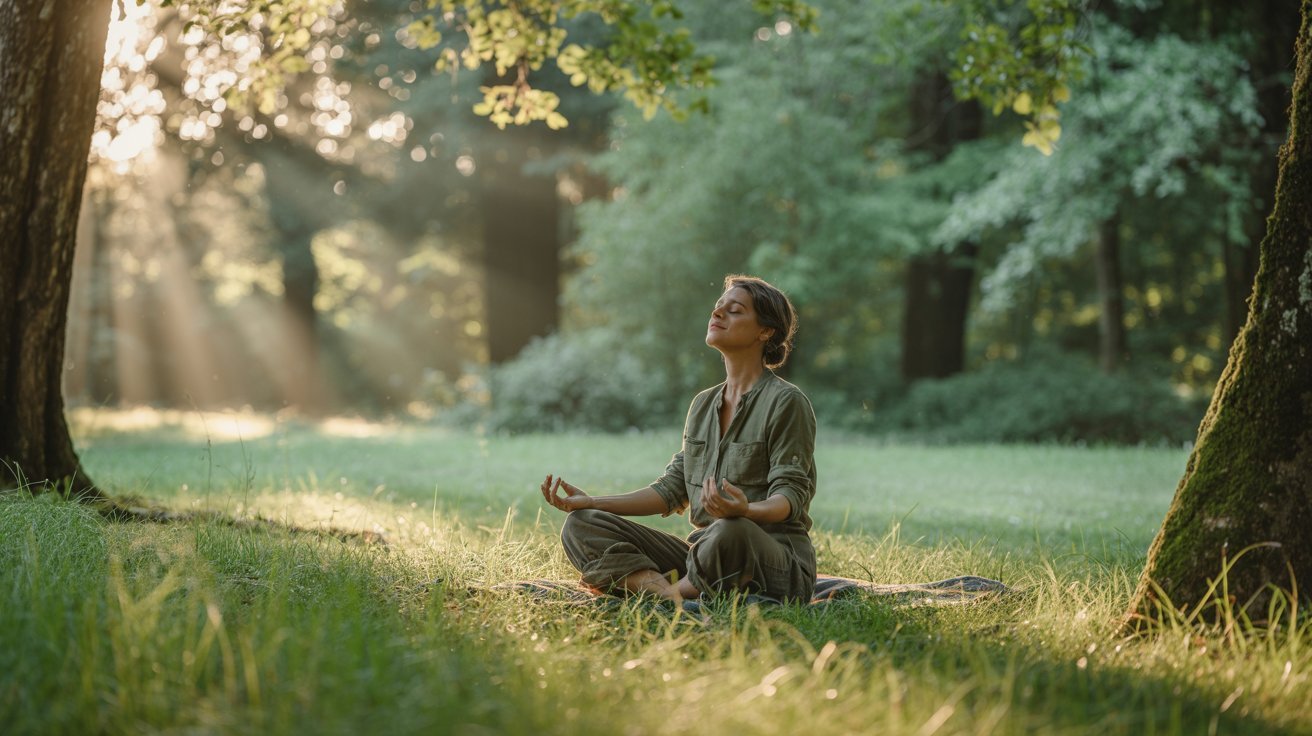
Being outdoors, even for a short while, can ease tension and lift your spirits. Parks, trails, or your own backyard all count.
Nature has a calming effect that helps you reset both mentally and physically.
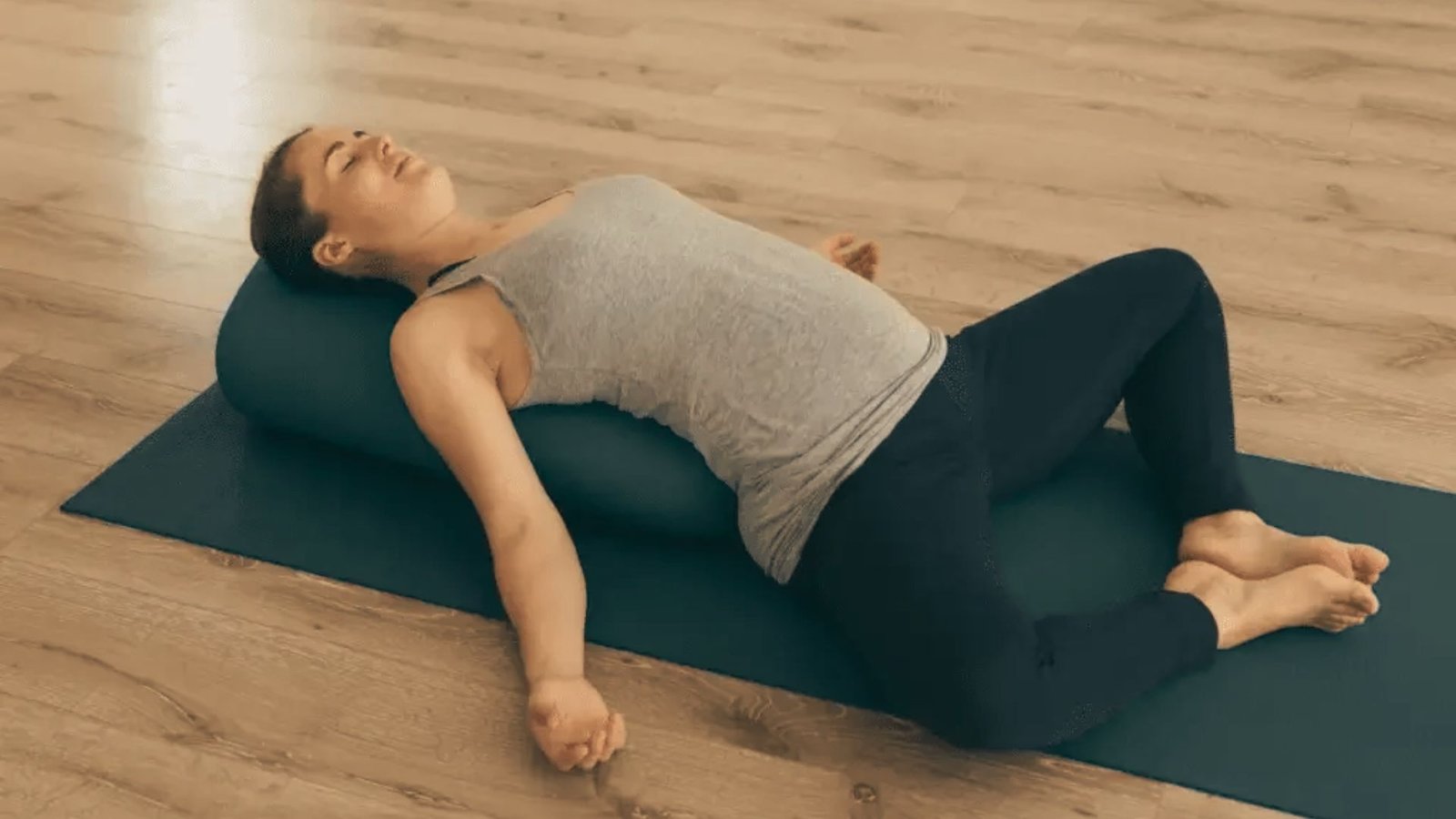
8. Practice Deep Breathing Exercises
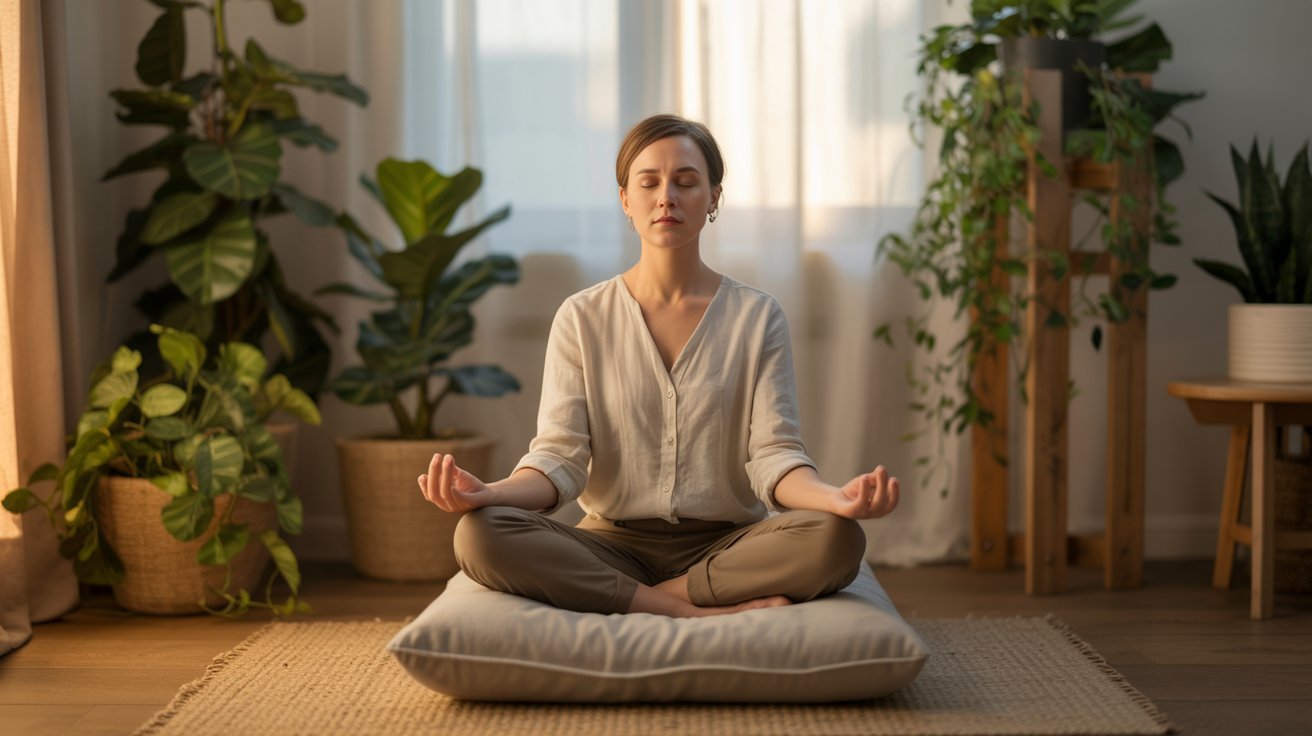
Slow, deep breaths signal your body to relax. Try breathing in for four counts, holding for four, then exhaling for four.
This simple exercise lowers heart rate and helps you feel grounded during stressful moments.
9. Create a Consistent Sleep Routine

Going to bed and waking up at the same time each day trains your body to rest better.
Good sleep supports your mood, memory, and physical health, making it one of the most valuable wellness habits.
10. Listen to a Motivational Podcast

Podcasts are an easy way to learn something new while you commute, cook, or relax.
Motivational episodes can shift your mindset, offer fresh perspective, and leave you feeling more influenced to take on your day.
11. Take a Break From Social Media

Stepping away from your phone, even for a few hours, can reduce comparison and mental clutter.
A short digital break gives your mind room to breathe and helps you feel more present in real life.
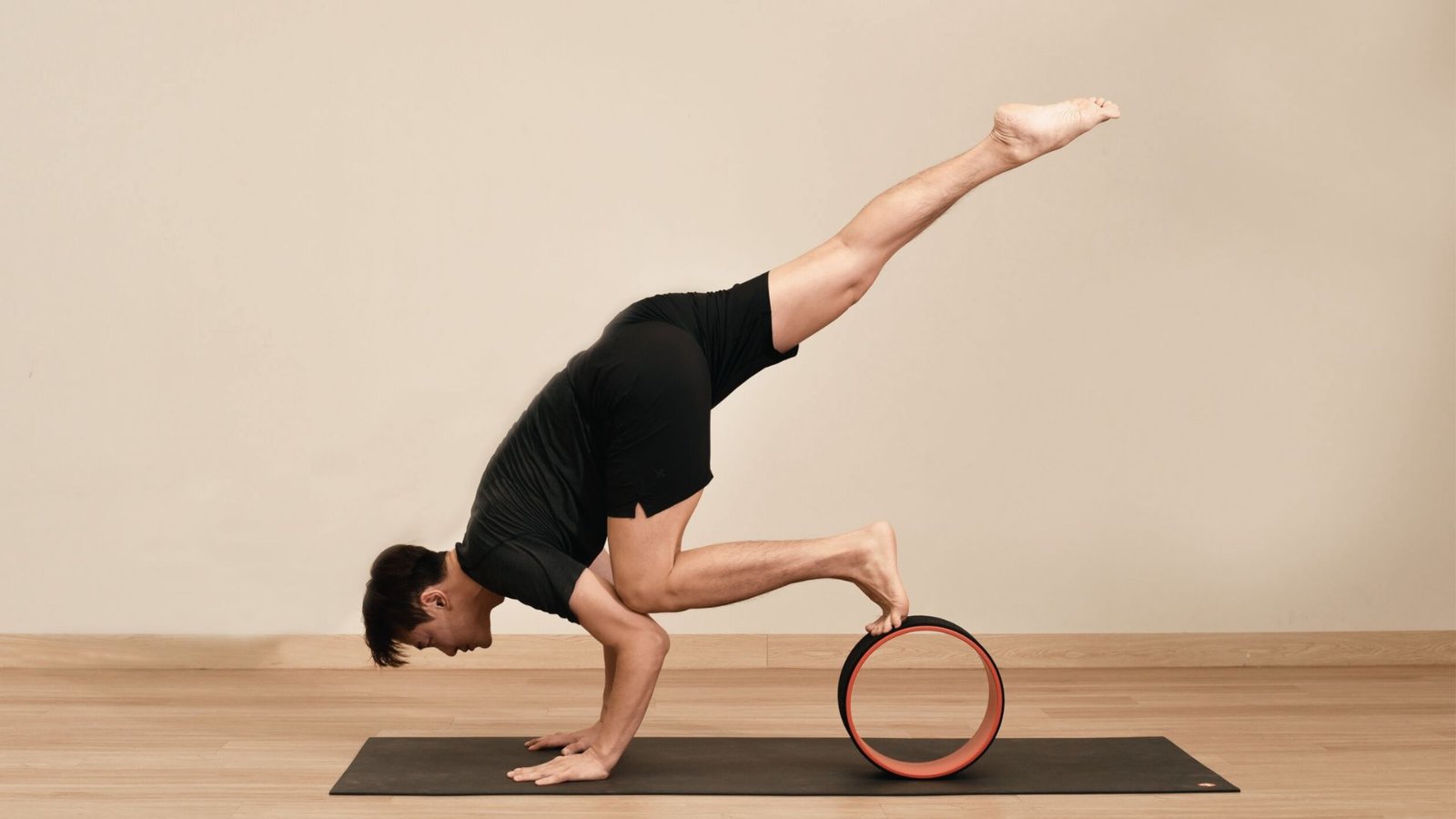
12. Try a Yoga Session
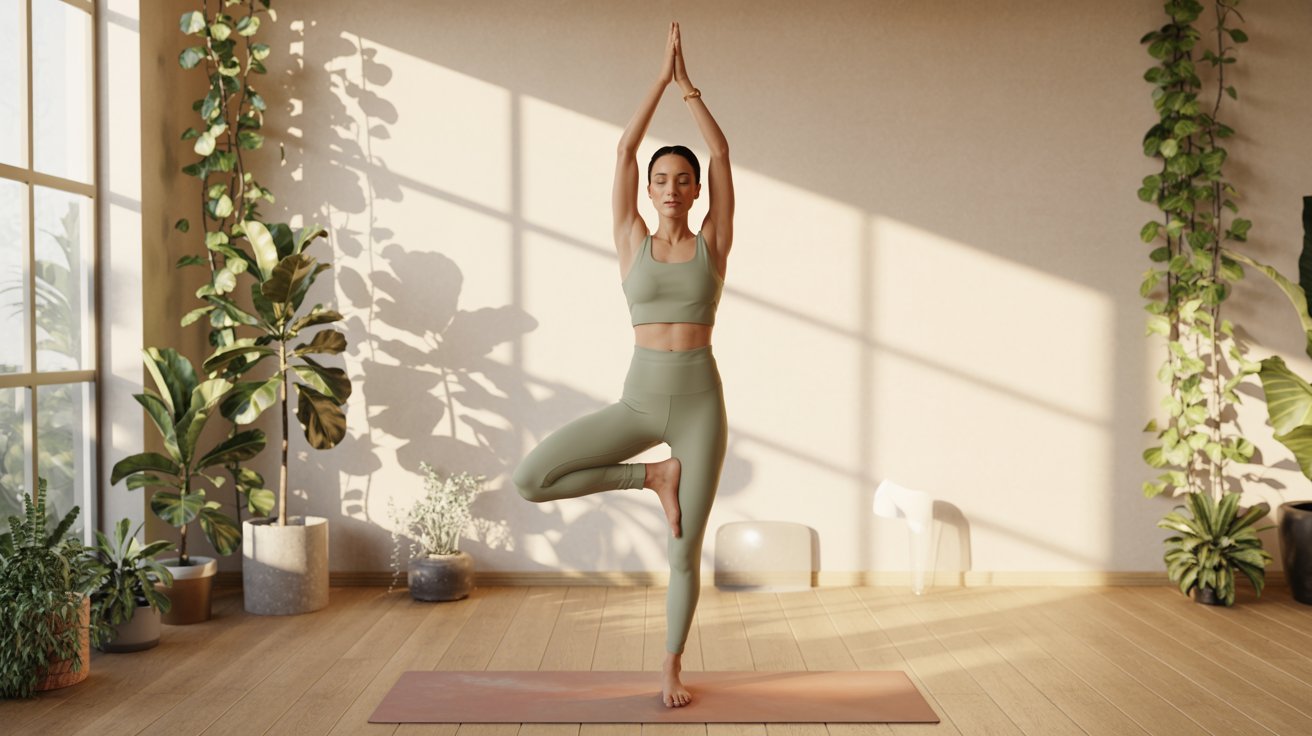
Yoga combines movement, breathing, and stillness. It builds strength and flexibility while calming your nervous system.
You don't need to be advanced, even a beginner routine can leave you feeling looser and more relaxed.
13. Write Down Your Thoughts and Feelings

Journaling gives your emotions a place to go. Putting thoughts on paper helps you process stress, understand your feelings better, and clear mental clutter, especially on days that feel heavy or overwhelming.
14. Enjoy a Healthy Homemade Meal

Cooking a nutritious meal at home gives you control over what you eat. It supports your physical health and can feel rewarding too.
Simple, balanced meals fuel your body and steady your energy through the day.
15. Learn a New Skill or Hobby

Trying something new, like painting, cooking, or playing an instrument, keeps your brain active.
Hobbies give you a sense of purpose and accomplishment, and they offer a healthy break from daily routines and responsibilities.
16. Watch a Sunrise or Sunset

Pausing to watch the sky change colors is a small but powerful moment of calm. It encourages you to slow down, appreciate the present, and reset your mind before or after a busy day.
17. Call or Visit a Loved One

Connection matters for emotional health. A quick call or visit with someone you care about can lift your mood and remind you that you're supported.
Strong relationships are a key part of overall wellness.
18. Practice Positive Affirmations

Speaking kind, encouraging words to yourself can shift negative thinking. Try simple statements like "I am capable" or "I am doing my best."
Over time, affirmations help build confidence and a healthier inner voice.
19. Take a Relaxing Bath
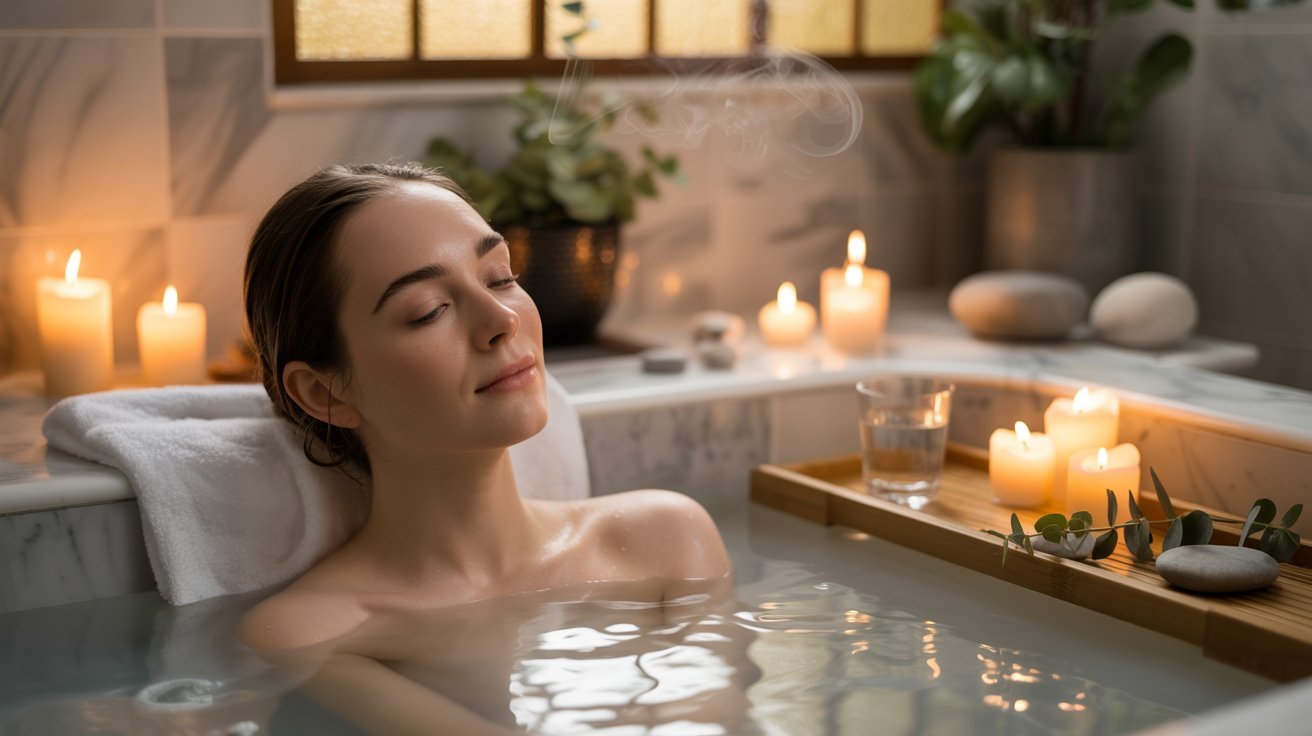
A warm bath helps release physical tension and signals your body to slow down.
Adding calming scents or soft music can turn it into a simple, comforting ritual that supports both rest and relaxation.
20. Organize a Room or Workspace

A cluttered space can lead to a cluttered mind. Spending time organizing a room or desk creates a sense of order and control.
A clean space often makes it easier to focus and feel calm.
21. Complete a Puzzle or Brain Game

Puzzles, crosswords, or brain games keep your mind sharp.
They offer a fun challenge that improves focus and memory while giving you a relaxing break from screens, stress, or daily pressure.
22. Dance to Your Favorite Music

Dancing is a fun way to move your body and boost your mood instantly. You don't need any skill, just turn on music you love and let yourself enjoy a few minutes of free, joyful movement.
23. Join a Community Group or Club

Being part of a group, whether a book club, sports team, or hobby group, builds connection and support.
Shared interests create friendships and give you something positive to look forward to each week.
24. Volunteer for a Meaningful Cause

Giving your time to help others creates a strong sense of purpose. Volunteering can boost your mood, build connections, and remind you of the positive impact you can have on people around you.
25. Try Guided Imagery Exercises
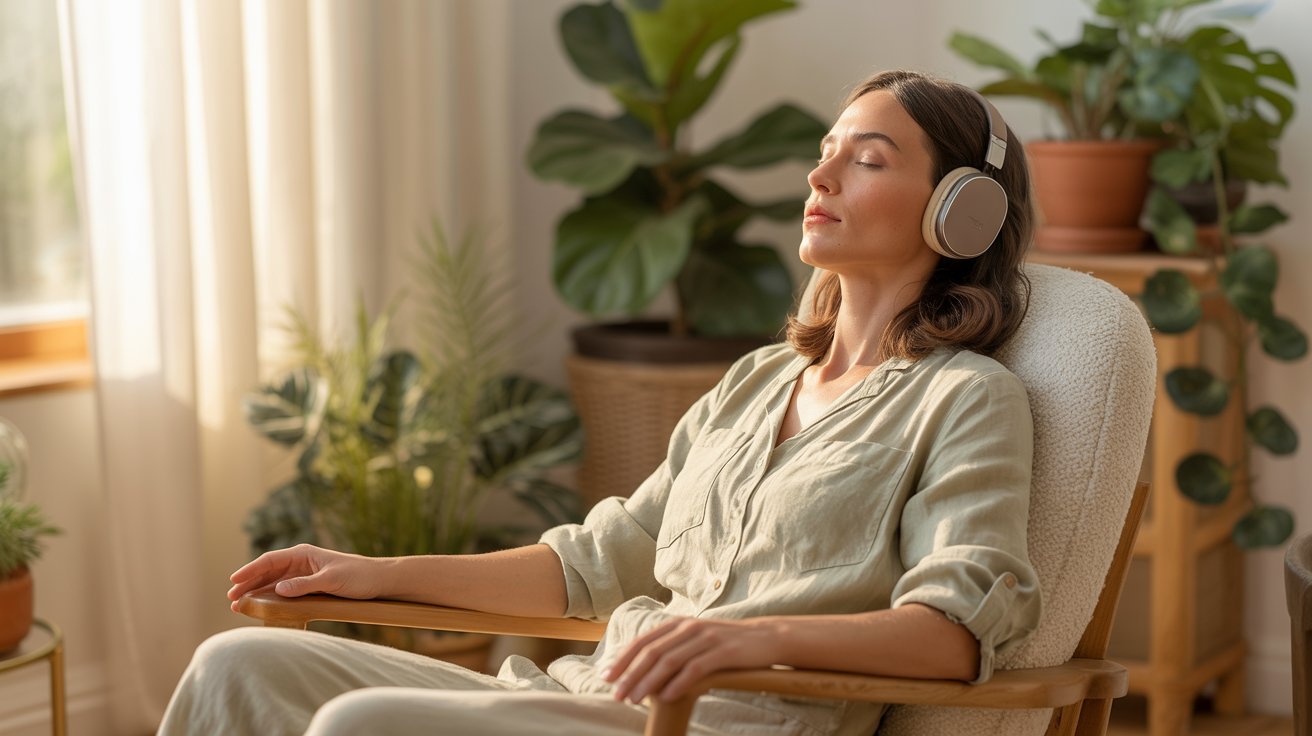
Guided imagery uses calming mental pictures, like a quiet beach or peaceful forest, to ease stress.
Listening to a short guided session can relax your body and quiet a busy, overactive mind.
26. Take Yourself on a Solo Date

Spending quality time alone, like grabbing coffee or visiting a museum, helps you reconnect with yourself.
Solo dates build confidence and remind you that your own company can be enjoyable and fulfilling.
27. Create a Vision Board

A vision board uses images and words to represent your goals and dreams.
Putting one together helps clarify what you want in life and keeps you motivated and focused on your personal growth.
28. Practice Mindful Eating

Eating slowly and paying attention to flavors and textures helps you enjoy food more and avoid overeating.
Mindful eating also improves digestion and helps you feel more connected to your body's needs.
29. Spend Time With a Pet

Playing with or cuddling a pet can instantly lower stress and boost your mood.
Pets offer comfort, companionship, and a sense of calm that supports emotional well-being in simple, everyday ways.
30. Go on a Local Day Trip

Exploring a nearby town, park, or attraction breaks up routine and sparks excitement. A short day trip doesn't cost much but can refresh your mind and give you something new to enjoy.
31. Start a Creative Project

Painting, writing, crafting, or any creative outlet gives your mind a healthy way to express emotions. Creative projects reduce stress and offer a rewarding sense of accomplishment when you finish something you made.
32. Set Healthy Personal Boundaries

Learning to say no and protect your time is a key part of self-care. Healthy boundaries reduce stress, protect your energy, and help you build relationships based on respect and mutual understanding.
33. Take a Mental Health Day

Sometimes the best thing you can do is pause. Taking a day to rest, recharge, and step away from responsibilities helps prevent burnout and gives your mind the space it needs to recover.
34. Practice the Five Senses Exercise
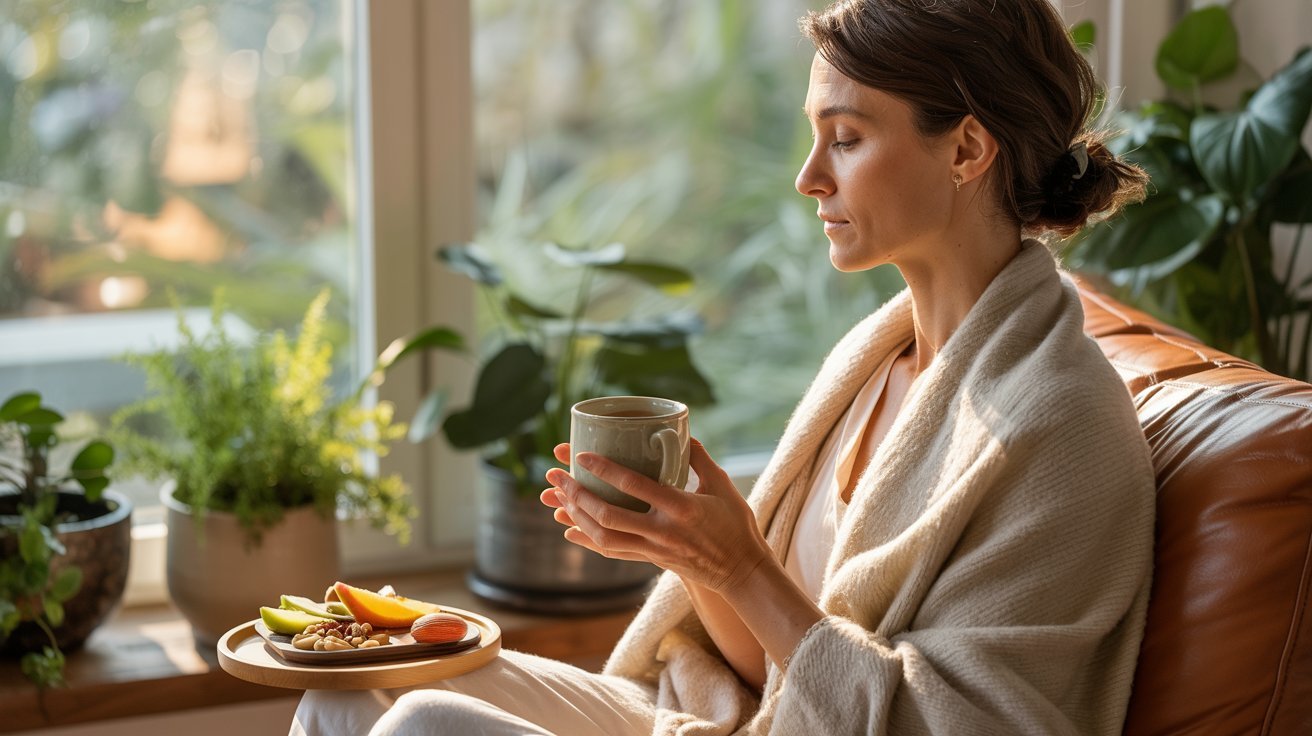
This simple grounding technique asks you to notice five things you see, four you hear, three you feel, two you smell, and one you taste.
It calms anxiety and brings you back to the present moment.
35. Attend a Wellness Workshop or Class

Joining a class on yoga, nutrition, or stress management gives you new tools and knowledge.
Workshops also connect you with others who share similar goals, making the experience both educational and motivating.
36. Reflect on Your Personal Goals

Taking time to think about where you are and where you want to be helps you stay focused. Regular reflection keeps your goals clear and reminds you of the progress you've already made.
37. Develop a Daily Self-Care Routine
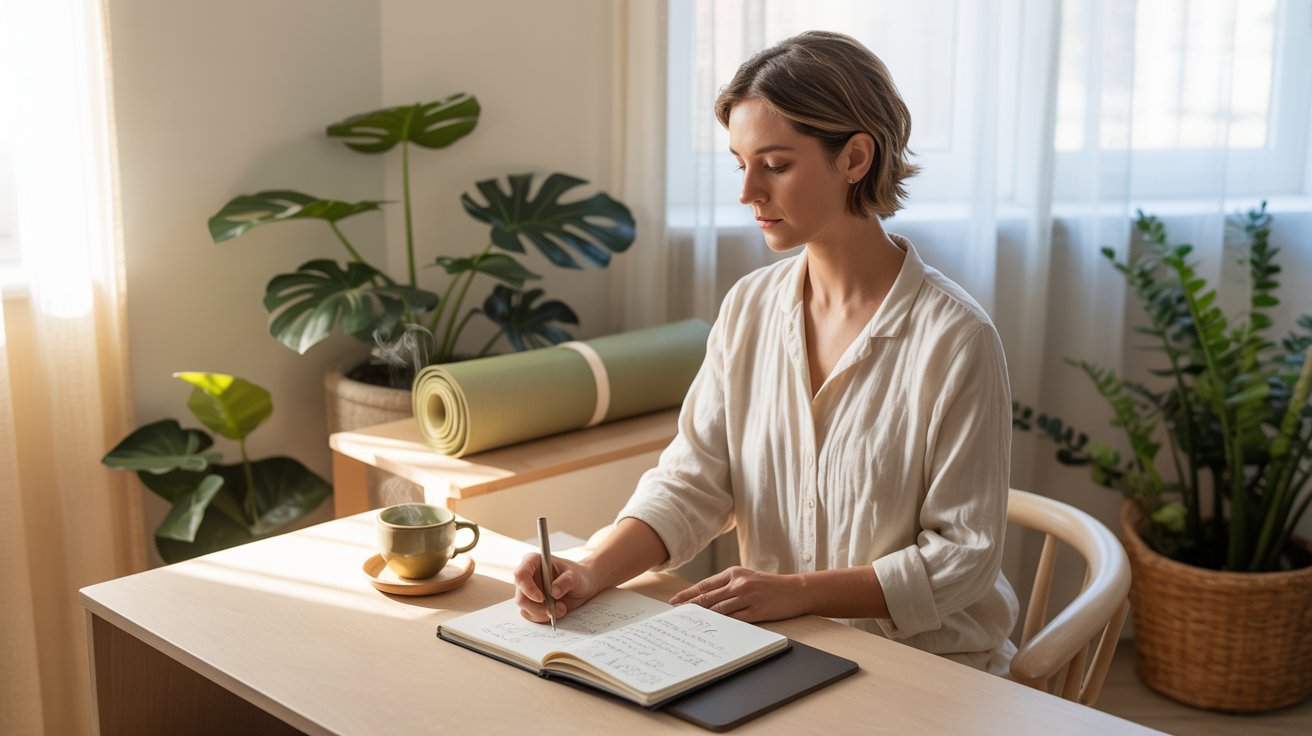
Combining a few wellness habits into one consistent routine makes self-care easier to stick with. A simple daily routine builds long-term health, balance, and a stronger sense of control over your life.
Tips for Getting the Most Out of Wellness Activities
Knowing the activities is only half the work. These tips help you build habits that actually stick and fit smoothly into your life.
- Pick activities that fit your daily life and stick with them often, even if they're small. Consistency matters more than doing things perfectly every time.
- Block out wellness time on your calendar like any other task. Pairing two simple habits together can save time and build a steady routine.
- Keep your phone away and stay focused during your activity. A few quiet, distraction free minutes make a bigger difference than you'd expect.
- Write down small wins to see your progress over time. Celebrating these moments keeps you motivated to continue showing up for yourself.
- Pay attention to how your mind and body feel each day. Adjust your routine whenever your needs shift, so it keeps working for you.
Conclusion
Wellness doesn't have to feel like one more task on your list. It's really about small, simple choices that add up over time. You don't need to try all 37 activities at once. Pick one or two that feel right for you and start there.
Be patient with yourself as you build these habits. Progress matters more than perfection.
So, which activity will you try first? Start today, and notice how even one small change can shift how you feel. Your well-being is worth the time. Drop a comment and let us know which one you're starting with.
Frequently Asked Questions
What are the best wellness activities for busy adults?
Simple habits like deep breathing, short walks, or journaling work well for busy schedules. They take only a few minutes but still offer real benefits for your mind and body.
How often should I do wellness activities?
Daily is ideal, but even a few times a week can help. The key is staying consistent rather than doing everything at once and burning out.
Can wellness activities help with stress and anxiety?
Yes, activities like deep breathing, meditation, and light movement calm your nervous system quickly. Over time, they also build long term resilience against daily stress.
Do I need any special equipment to start?
No, most wellness activities use things you already have, like your body, a notebook, or a quiet space. You can start today without buying anything extra.
How do I stay consistent with wellness habits?
Start small and pick activities that fit naturally into your day. Scheduling them like an appointment also helps turn them into a lasting routine.